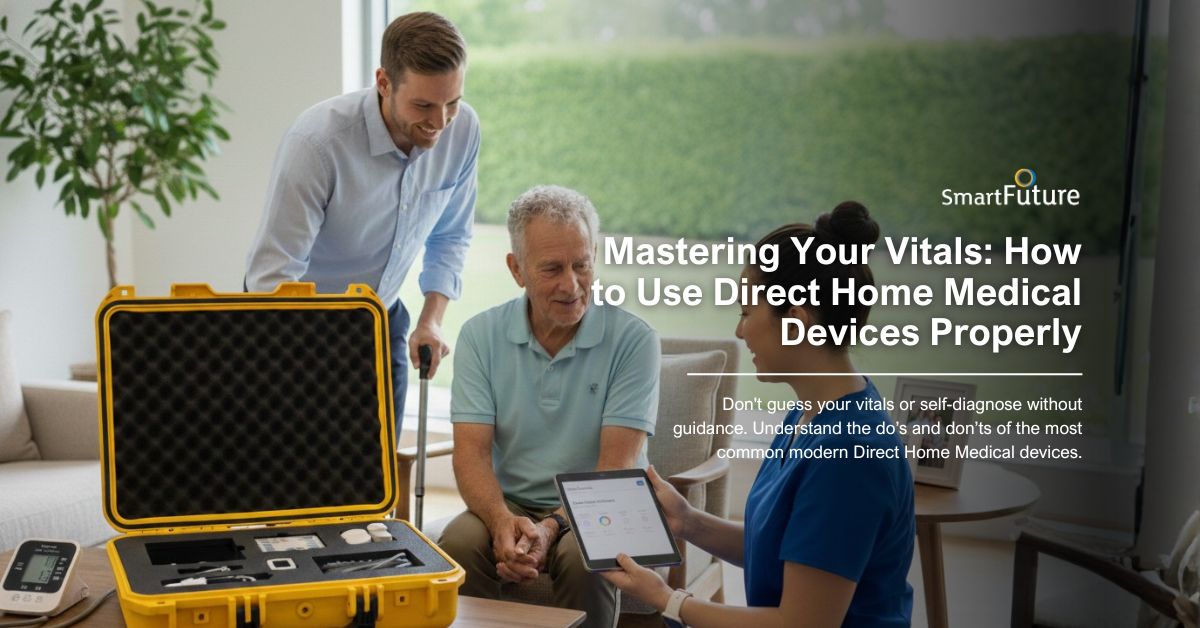

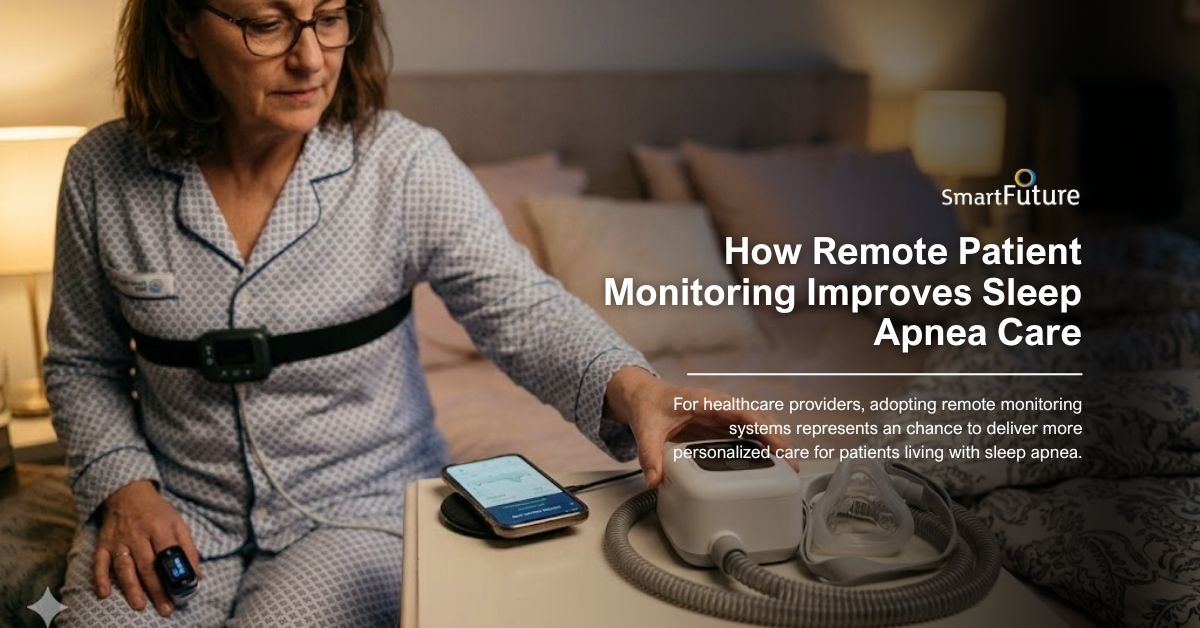
Mastering Your Vitals: How to Use Direct Home Medical Devices Properly

Do not guess your vitals. Do not self-diagnose without guidance. Do not ignore abnormal readings. Do monitor consistently. Do record trends. Do share results with your care provider. As healthcare shifts beyond hospital walls, direct home medical devices are becoming part of everyday life across homes, remote worksites, senior residences, cruise environments, and corporate wellness programs.

The opportunity is powerful: earlier detection, better disease management, and fewer emergency escalations. The risk, however, lies in misuse, inconsistent measurement, or misinterpretation of data.

This guide walks you through the do’s and don’ts of the most common devices found inside a modern Direct Home Medical Kit, and explains how structured use improves outcomes.

Why Proper Usage Matters

Vital monitoring devices generate health data. Data without discipline creates noise. Data with structure creates insight.

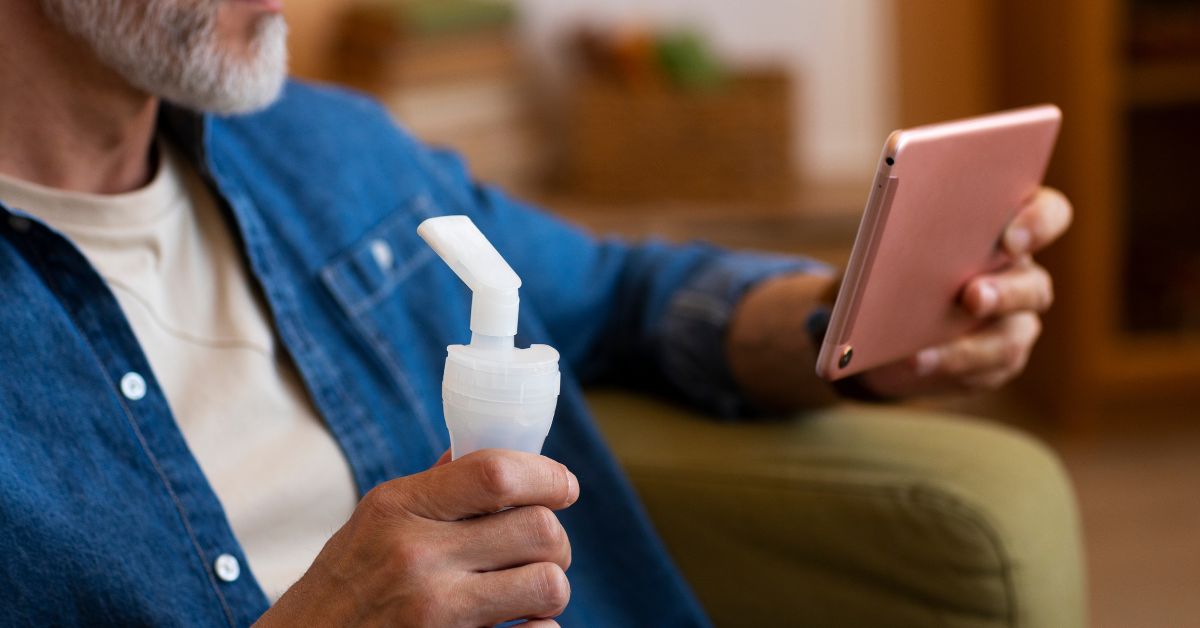
Incorrect placement of a Blood Pressure Monitor, poor timing with a Blood Glucose Monitor, or improper breathing technique during a Spirometer test can produce misleading readings. In remote settings, where clinical staff may not be physically present, accuracy becomes even more critical.

The goal is simple:
Standardize measurement. Reduce error. Enable timely escalation.

The Dos and Don’ts of Utilizing Common Home Direct Medical Devices

Blood Pressure Monitor

Blood pressure is one of the most widely tracked metrics in remote care and home-based programs.

Do’s and Don’ts

Do Don’t
Sit quietly for 5 minutes before measuring Measure immediately after exercise or caffeine
Keep feet flat on the floor Cross your legs
Place cuff at heart level Place cuff over clothing
Take readings at the same time daily Rely on a single measurement

Why It Matters

Inconsistent positioning can change readings by 10–20 mmHg. Trends over time matter more than isolated numbers.

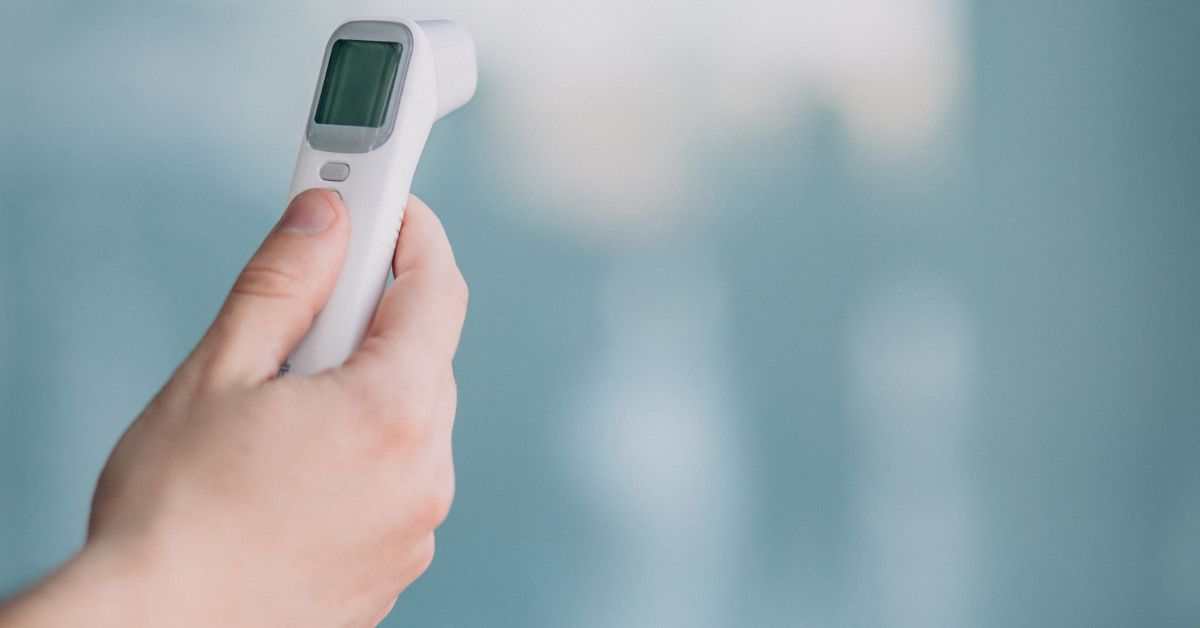
Termometer

A Termometer is one of the simplest but most powerful screening tools, especially in infection control or post-operative care.

Do’s and Don’ts

Do Don’t
Use the same measurement method consistently Switch between oral, forehead, and ear without noting
Wait 15 minutes after drinking hot/cold liquids Measure immediately after eating
Clean after each use Share without disinfecting

Even a low-grade fever can signal deterioration. Consistency ensures reliable tracking.

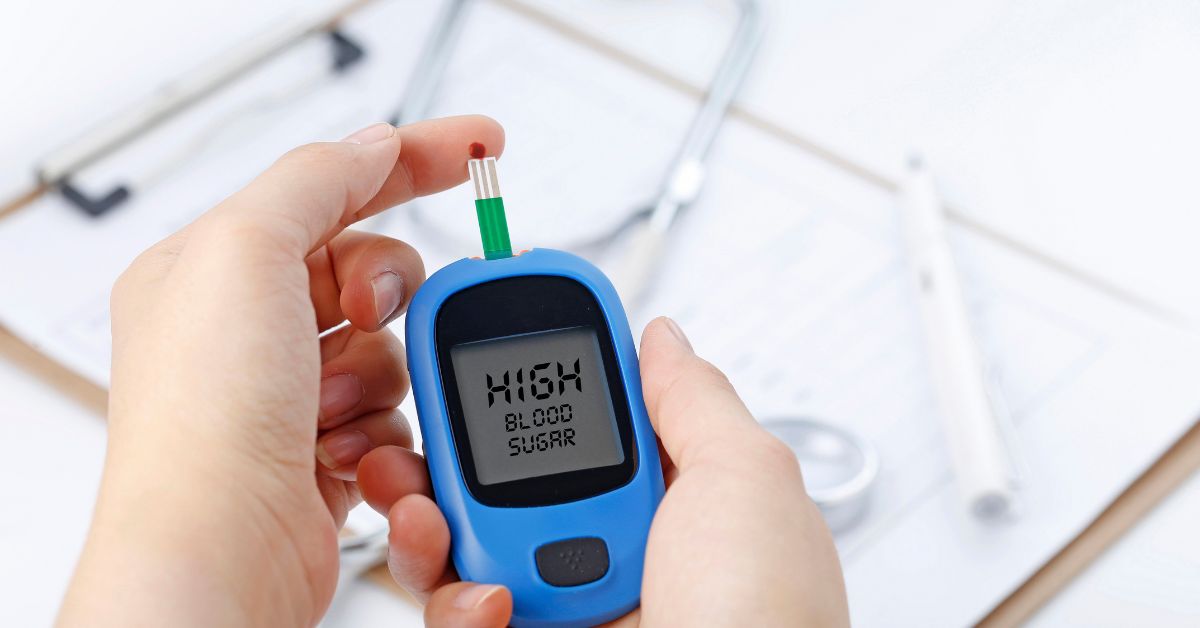
Blood Glucose Monitor

For diabetes management and metabolic monitoring, timing and calibration are critical.

Do’s and Don’ts

Do Don’t
Wash hands before testing Test with residue on fingers
Follow prescribed timing (fasting, post-meal) Test randomly without schedule
Record readings with meal notes Ignore contextual data

Glucose trends guide dietary adjustments, medication titration, and preventive care.

Also read: Learn How to Implement Remote Patient Monitor devices across different locations

Ultrasound

Portable Ultrasound devices are increasingly used in remote clinics, offshore platforms, and mobile inpatient programs.

Do’s and Don’ts

Do Don’t
Ensure trained operator use Self-operate without guidance
Use correct probe positioning Apply excessive pressure
Store with protective casing Leave exposed to dust/moisture

Ultrasound requires competency. When integrated into structured programs, it supports early detection and triage decisions.

ECG Monitor

An ECG Monitor detects heart rhythm irregularities and supports cardiac oversight.

Do’s and Don’ts

Do Don’t
Attach electrodes to clean, dry skin Apply over lotion or sweat
Stay still during recording Move or talk
Follow recommended duration Shorten recording time

Movement artifacts often mimic arrhythmias. Correct setup improves accuracy.

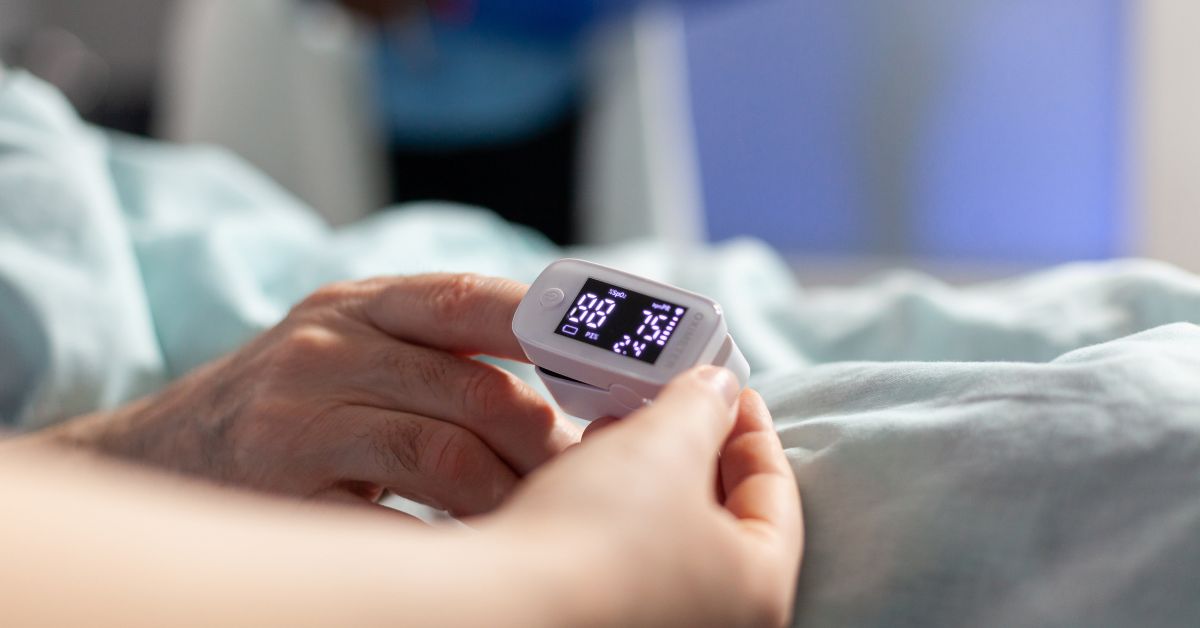
Oximeter

An Oximeter measures oxygen saturation and pulse rate.

Do’s and Don’ts

Do Don’t
Remove nail polish Use with dark polish or artificial nails
Warm cold hands before reading Measure with cold fingers
Sit still during measurement Take readings while moving

In respiratory conditions, even small changes in oxygen saturation require attention.

Dermatoscope

A Dermatoscope supports skin examination and early lesion detection.

Do’s and Don’ts

Do Don’t
Use proper lighting Use in dim environments
Capture clear, focused images Take blurred or angled shots
Share images with clinician Self-diagnose based on online comparisons

High-resolution imagery enables remote dermatological consultation.

Spirometer

A Spirometer measures lung capacity and airflow.

Do’s and Don’ts

Do Don’t
Take full deep breath before exhaling Blow weakly
Seal lips tightly around mouthpiece Allow air leakage
Repeat test 2–3 times for accuracy Rely on one attempt

Technique influences readings. Coaching improves reliability.

Home-Sleep Test

A Home-Sleep Test monitors breathing patterns and sleep disturbances.

Do’s and Don’ts

Do Don’t
Follow setup instructions carefully Adjust sensors during the night
Sleep in usual environment Change sleep habits during testing
Return device promptly for analysis Delay data review

Proper placement ensures accurate sleep apnea detection.

The Bigger Risk: Fragmentation

Using individual devices separately without coordination often leads to:

  • Inconsistent documentation
  • Delayed data sharing
  • Reduced escalation speed
  • Lower adherence rates

This is where structured integration becomes essential.

Why SmartFuture Direct Home Medical Kit Changes the Equation

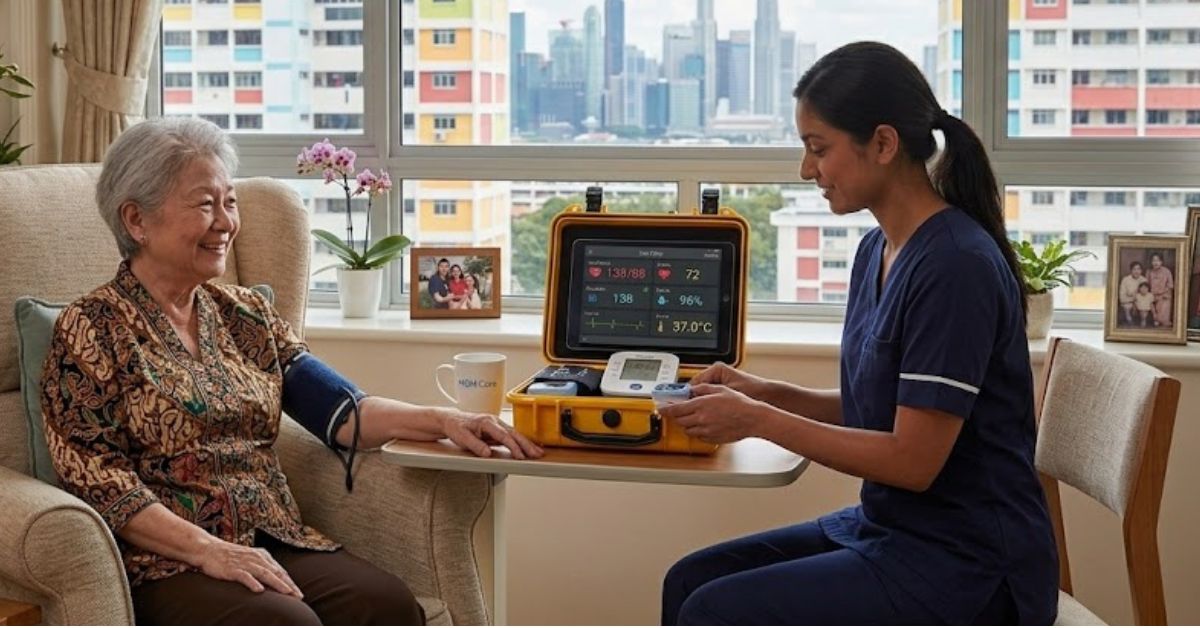
SmartFuture’s Direct Home Medical Kit consolidates essential tools into a single, rugged, deployment-ready solution.

Instead of fragmented tools:

  • Devices are standardized
  • Data collection is guided
  • Transmission is secured
  • Oversight is centralized

Whether deployed in homes, senior care, remote workplaces, or cruise environments, the kit ensures consistent practice and operational visibility.

Healthcare organizations are moving toward unified monitoring ecosystems, not disconnected tools.

Mastery Means Discipline

Monitoring is not about reacting to emergencies. It is about identifying patterns early.

When used correctly:

  • Blood pressure trends predict cardiovascular risk
  • Glucose patterns guide metabolic adjustments
  • Oxygen saturation warns of respiratory decline
  • Sleep disruptions signal systemic stress

In structured environments, data becomes actionable insight.

Final Checklist Before You Deploy Direct Home Medical Devices

Question Why It Matters
Are staff trained? Reduces misuse
Are protocols standardized? Ensures consistency
Is data transmitted securely? Protects privacy
Is oversight centralized? Enables timely intervention

The Future of Direct Home Medical Devices

Healthcare delivery in 2026 is not confined to facilities. It extends to homes, distributed operations, and community environments.

The difference between effective remote care and chaotic monitoring lies in integration.

SmartFuture supports organizations that want structured, scalable, white-labeled solutions that maintain brand control and clinical oversight.

Ready to Master Your Vitals with Confidence?

If you are building a remote monitoring program, expanding home-based care, or equipping distributed teams with medical readiness tools, SmartFuture’s Direct Home Medical Kit delivers reliability, integration, and operational visibility.

Contact SmartFuture today to explore how our Direct Home Medical Kit can strengthen your healthcare strategy.

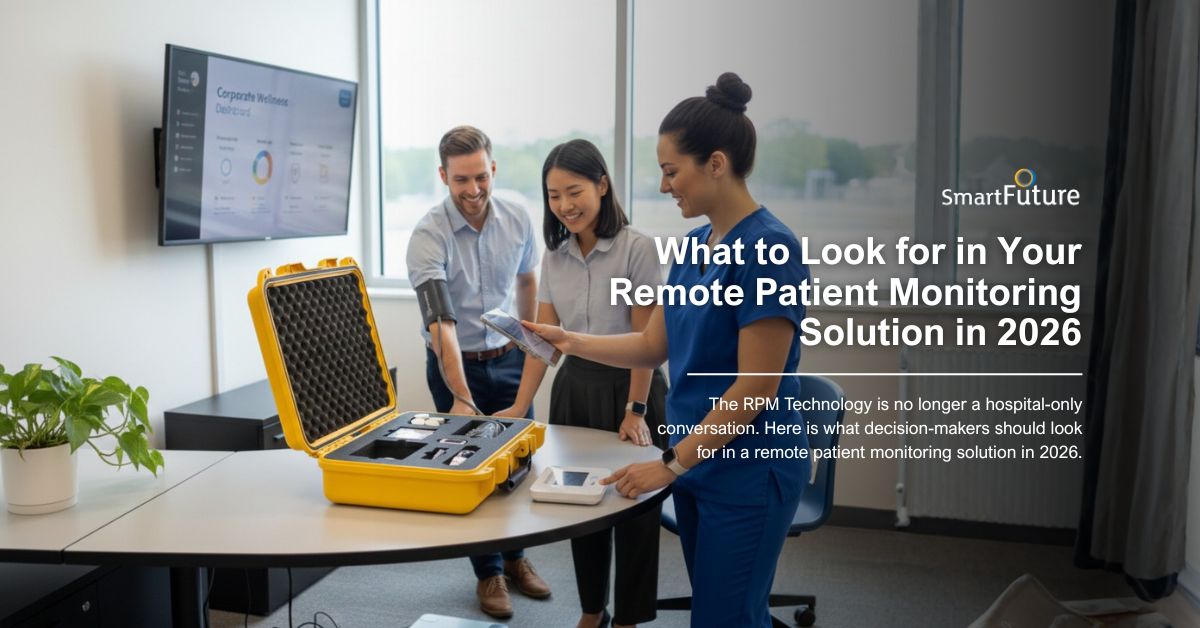
What to Look for in Your Remote Patient Monitoring Solution in 2026

Remote patient monitoring solution is no longer a hospital-only conversation. By 2026, RPM has become infrastructure ,  embedded across corporate offices, nursing homes, industrial sites, schools, cruise vessels, senior housing, and hospital-at-home programs. What began as an emergency response tool during COVID-19 has evolved into a permanent layer of modern health operations.

For customers across industries ,  healthcare providers, employers, operators of distributed environments, and public institutions ,  the question is no longer whether to adopt remote patient monitoring. The question is how to choose the right remote patient monitoring solution.

Here is what decision-makers should look for in a remote patient monitoring solution in 2026.

1. Industry Fit, Not Just Clinical Fit

In 2021, RPM selection centered around hospitals managing overflow. In 2026, deployment contexts are far broader.

An offshore energy operator requires low-latency transmission over satellite.
A corporate wellness program requires aggregated dashboards without exposing individual health data.
A nursing home needs continuous monitoring and fall detection.
A cruise operator needs integration with maritime medical response.

One-size-fits-all RPM systems often fail when applied to specialized environments.

A strong remote patient monitoring solution should:

  • Support multiple deployment settings
  • Adapt to varying connectivity conditions
  • Allow white-label configuration
  • Integrate into existing workflows without friction

The solution must reflect your operational environment, not force you into a predefined template.

2. Patient Comfort Drives Data Quality

Actionable data comes from adherence.

Across industries, whether monitoring an executive with hypertension, a worker on an industrial site, or a resident in long-term care, patient comfort determines compliance. If devices are bulky, intrusive, or complicated, engagement declines.

When evaluating a remote patient monitoring system, assess:

  • Device weight and ergonomics
  • Battery life and charging simplicity
  • Adhesion and wearability
  • Ease of use for non-clinical populations
  • Minimal disruption to daily life

In 2026, wearable RPM devices must feel nearly invisible. The more seamlessly they integrate into daily routines, the more reliable the health data stream becomes.

3. Secure, Scalable Architecture

The volume of patient data generated by RPM programs has multiplied in recent years. Continuous glucose monitors alone can generate hundreds of data points per week. Multiply that across a population and the scale becomes significant.

Security and scalability are not optional features. They are baseline requirements.

Organizations should evaluate:

  • Cloud security standards
  • Data encryption protocols
  • Role-based access control
  • Cybersecurity compliance
  • Redundancy systems
  • Latency performance

Data must be protected not only from breaches but also from operational interruption. For industries operating in remote areas, offline redundancy and edge processing capabilities are increasingly important.

Additionally, systems must integrate with electronic health records (EHRs) using interoperable standards such as FHIR. Without seamless integration, RPM becomes a parallel system instead of an operational enhancement.

4. Real-Time vs. Batch Monitoring Capabilities

Not all environments require real-time streaming. But some do.

An industrial site monitoring cardiac irregularities in remote workers requires real-time alerts.
A postoperative discharge program may operate on daily data review cycles.
A school-based asthma program may require threshold-triggered notifications only.

A mature remote patient monitoring solution allows flexibility between:

  • Real-time data transmission
  • Scheduled data capture
  • Alert-based escalation
  • Continuous streaming

The system should align with clinical urgency and operational risk tolerance.

5. Breadth of Monitoring Devices

RPM is no longer limited to blood pressure cuffs and glucometers.

In 2026, common remote patient monitoring devices include:

  • ECG patches
  • Pulse oximeters
  • Blood glucose monitors
  • Smart inhalers
  • Wearable fall detectors
  • Smart scales with fluid retention detection
  • Portable ultrasound probes
  • Biometric fatigue trackers

Organizations should ask:

  • Does the platform support multi-device integration?
  • Can it connect with third-party FDA-cleared devices?
  • Does it support bring-your-own-device models?
  • Can devices operate without requiring patient smartphones?

A flexible remote monitoring solution should not lock you into proprietary hardware unless strategically justified.

6. Intelligent Data Filtering

One of the largest 2026 challenges is not lack of data ,  it is excess data.

Clinicians and administrators cannot manually review every incoming data point. Artificial intelligence and automated filtering systems are critical.

An effective RPM solution should:

  • Prioritize clinically relevant alerts
  • Learn patterns over time
  • Reduce false positives
  • Escalate only actionable insights

Without intelligent filtering, RPM increases workload instead of reducing it.

7. Regulatory Alignment and Future-Proofing

Remote patient monitoring operates at the intersection of healthcare, technology, and regulatory compliance.

Manufacturers and solution providers must:

  • Ensure device classification compliance
  • Track evolving regulatory guidance
  • Align with regional reimbursement frameworks
  • Maintain transparent documentation

In 2026, reimbursement models continue to evolve. Value-based care and outcome-driven payment structures increasingly rely on RPM-generated data.

Your partner must anticipate regulatory shifts, not react to them.

8. Integration Into Existing Systems

Remote patient monitoring should supplement ,  not replace ,  your operational ecosystem.

Questions to consider:

  • Can it integrate with existing hospital systems?
  • Does it support independent diagnostic testing facilities?
  • Will it require additional hardware in facilities?
  • Can it coexist with other vendors’ devices?

The most effective RPM deployments enhance existing infrastructure rather than disrupt it.

9. Proven Leadership and Long-Term Partnership

Technology evolves quickly. Partnerships endure.

Beyond features and specifications, organizations should evaluate:

  • Leadership stability
  • Acquisition risk
  • Alignment of vision
  • Track record in your industry
  • Longevity of previous partnerships

In the past few years, major acquisitions in the RPM space have reshaped vendor landscapes. While consolidation can strengthen capabilities, it can also shift strategic priorities.

Choosing a partner in 2026 requires assessing whether their roadmap aligns with your long-term objectives.

10. Support and Training Infrastructure

RPM programs succeed when both clinicians and end-users feel confident.

A robust solution must include:

  • 24/7 technical support
  • Dedicated account management
  • Onboarding and training programs
  • Ongoing optimization reviews

Organizations deploying RPM across distributed environments cannot afford downtime or confusion.

The 2026 Reality: RPM as Operational Infrastructure

The early pandemic years accelerated RPM adoption. The years that followed cemented it.

Government reimbursement structures expanded. Clinician shortages intensified. Rural healthcare gaps widened. Corporate wellness became strategic. Industrial safety standards tightened. Patient expectations shifted permanently toward convenience.

Remote patient monitoring is now embedded in:

  • Hospital at Home programs
  • Corporate health initiatives
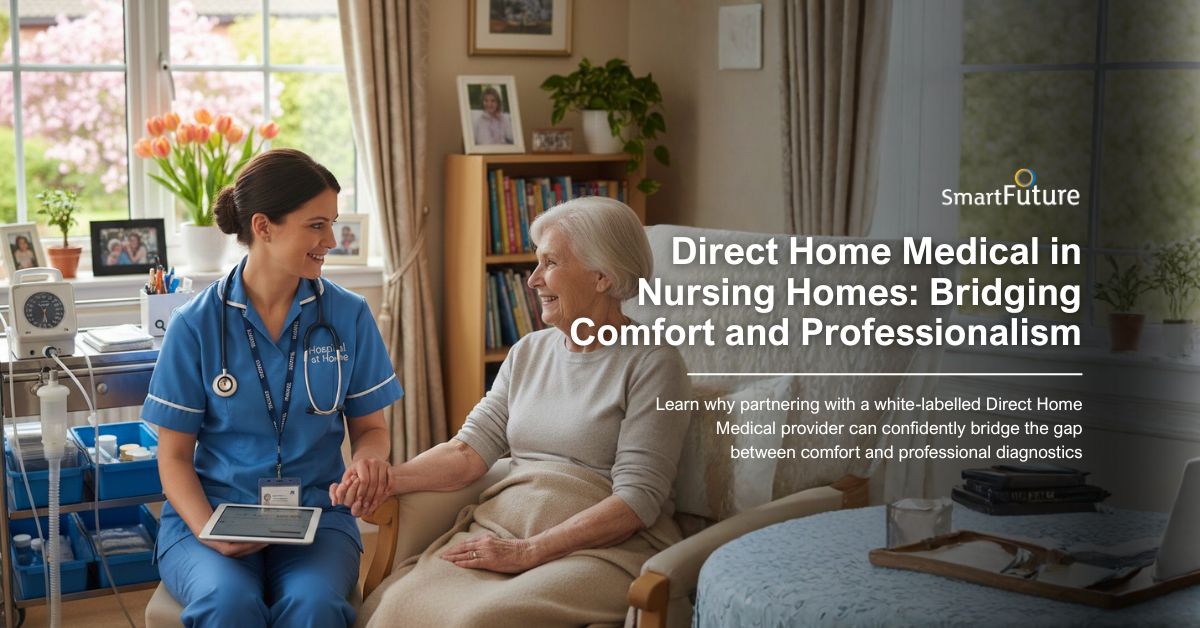
  • Nursing home oversight
  • Offshore safety protocols
  • Cruise medical operations
  • School health systems
  • Residential senior housing

The right remote patient monitoring solution is not merely a device network. It is a strategic operating layer.

Choosing Wisely

At SmartFuture, we believe organizations in 2026 must approach RPM selection with a systems mindset.

Great technology is necessary. But it is not sufficient.

The solution must align with your environment, scale with your growth, secure your data, integrate with your systems, empower your users, and support your long-term strategy.

Remote patient monitoring is here to stay. The only variable is how intelligently it is deployed.

Contact SmartFuture now to learn how our RPM platform and Direct Home Medical Kit solutions can empower your organization’s expansion.

Healthcare at Home 2026: What Matters Most When Choosing Remote Patient Monitoring Solutions

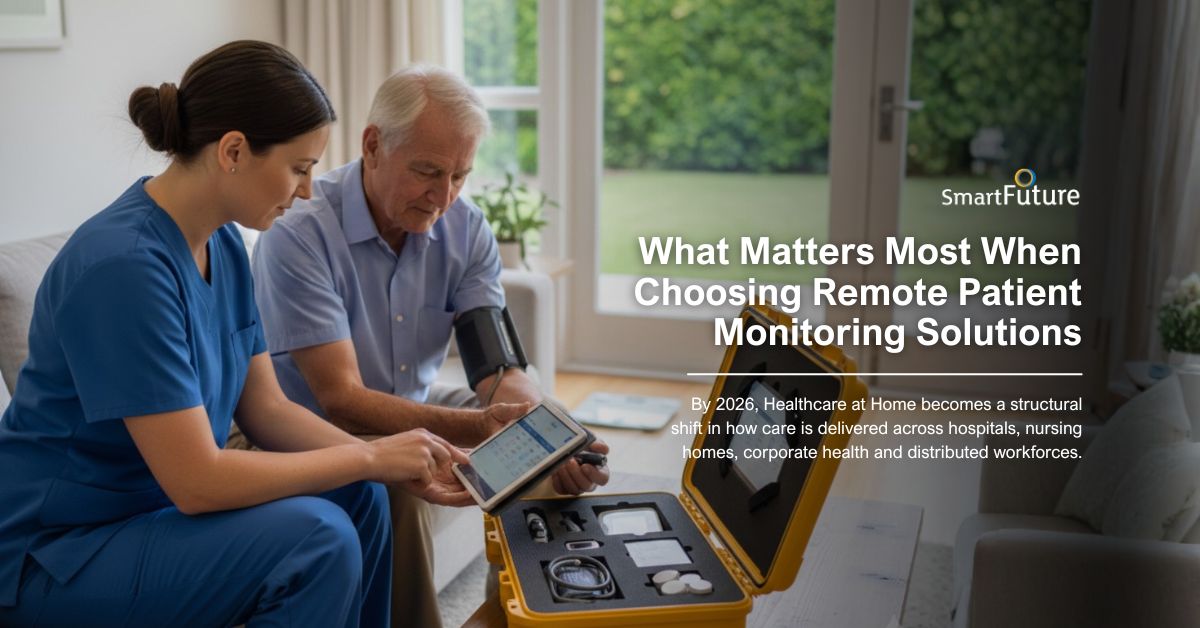
Healthcare at home is no longer an experiment. By 2026, it is a structural shift in how care is delivered across hospitals, nursing homes, corporate health programs, insurers, and distributed workforces. Remote patient monitoring solutions now sit at the center of this transformation. They are not simply devices collecting vitals; they are operational infrastructure powering early detection, resource efficiency, and value-based care.

The global patient monitoring market is projected to approach $80 billion by 2029, growing at nearly 12% annually. That growth is not driven by hype. It is driven by outcomes: fewer emergency transfers, earlier deterioration detection, improved capacity management, and better use of clinical staff.

For decision-makers, the stakes are high. Choosing the right remote patient monitoring solution strengthens your healthcare at home strategy. Choosing poorly results in unused hardware, fragmented data, workflow friction, and long-term cost overruns.

At SmartFuture, we believe the conversation in 2026 must move beyond device features. The real question is: Does your remote patient monitoring system strengthen your organization’s long-term care model?

Here is what matters most.

1. Clinical Detection Accuracy in Real-World Environments

Start with the most fundamental question: Can the system detect patient deterioration early enough to intervene?

Marketing claims are not enough. You need real-world implementation data.

In acute settings, studies show that nearly 80% of ICU transfers occur within 48 hours of admission. Continuous monitoring systems that identify risk 18 hours before intervention create a measurable advantage. That window allows clinicians to prevent crises rather than respond to them.

In post-acute and healthcare at home environments, deterioration is slower and more subtle. Systems must establish patient baselines and detect gradual changes over three to five days. Continuous monitoring in home-based care settings is not about alarm volume, it is about intelligent trend recognition.

Detection accuracy must be paired with appropriate early warning thresholds tailored to your care environment.

2. Integration That Actually Works

Most healthcare organizations operate in complex IT ecosystems. Electronic health records, billing systems, analytics platforms, and device fleets often operate in silos.

A modern remote patient monitoring solution must integrate seamlessly into your existing infrastructure,  not through manual uploads or temporary workarounds, but through fully functioning interoperability.

Ask vendors to demonstrate:

  • Live EHR integrations
  • Bidirectional data flow
  • API documentation
  • Workflow automation
  • Alert routing logic

Data should move automatically from device capture to clinician dashboards without duplication or delay.

When integration works, clinical teams focus on care instead of acting as data intermediaries.

3. Customizable Monitoring Settings

Healthcare at home is not a single use case.

An emergency department requires different alert sensitivity compared to a rehabilitation facility. A nursing home serving elderly residents with chronic disease requires different baseline modeling compared to a post-surgical recovery program.

Your remote patient monitoring system must allow configuration by:

  • Care setting
  • Patient population
  • Risk profile
  • Clinical protocol

One-size-fits-all alert settings create alarm fatigue or missed deterioration. Flexibility is essential.

4. Technology Staff Will Actually Use

Adoption determines return on investment. If clinicians find the system complicated or intrusive, usage declines. If patients struggle with devices, compliance drops and data quality suffers.

User-centered design in 2026 means:

  • Clear visualization dashboards
  • Mobile accessibility
  • Minimal manual input
  • Automated reporting
  • Intuitive interfaces

Mobile access is particularly critical. Healthcare at home demands mobility. Clinicians must review alerts across distributed environments, not just at fixed stations.

5. Continuous Support and Evolution

Deployment is not the end of the journey.

Healthcare systems evolve. Staff turnover occurs. Regulations change. Patient populations shift. A strong remote patient monitoring partner provides:

  • Pre-deployment training
  • Ongoing onboarding
  • 24/7 technical support
  • Roadmap transparency
  • Continuous software updates

Vendors who disappear after installation create operational risk. RPM is a five- to ten-year investment. Your partner must be prepared for that timeline.

6. Cybersecurity and Regulatory Compliance

Healthcare at home expands the attack surface for cybersecurity threats.

In the United States, FDA clearance is mandatory for medical device commercialization. HIPAA compliance governs patient data protection. In Europe, CE marking and MDR compliance are non-negotiable, alongside GDPR data standards.

Beyond regulatory minimums, organizations should request:

  • SOC 2 certification
  • ISO 27001 compliance
  • Independent security audits
  • Encryption protocols (in transit and at rest)
  • Data ownership transparency

Patient data must remain secure, exportable, and fully under your control.

7. Scalability Across Populations

A pilot program is not a strategy.

Many monitoring solutions perform well in small trials but struggle at scale. Your system must support:

  • Multi-condition monitoring
  • Large patient populations
  • Multiple device types
  • Distributed care teams
  • Multi-site deployment

Scalability is not theoretical. Ask vendors for real examples of sustained, full-scale implementations.

8. Total Cost of Ownership, Not Sticker Price

Healthcare organizations lose billions annually to supply chain inefficiencies and vendor misalignment.

The lowest upfront cost rarely produces the lowest long-term cost.

Evaluate:

  • Hardware pricing
  • Software licensing
  • Implementation services
  • Training
  • Integration fees
  • Ongoing support
  • Upgrade pathways

Calculate five-year total cost of ownership. Factor in staff efficiency gains and reduced hospitalizations when modeling ROI.

9. The Strategic Advantage of White-Label Remote Patient Monitoring

In 2026, differentiation matters.

Healthcare providers, insurers, and enterprise health programs increasingly demand ownership over the patient experience. A white-label remote patient monitoring solution allows organizations to:

  • Deploy under their own brand
  • Maintain patient trust
  • Control communication flows
  • Preserve data ownership
  • Strengthen institutional identity

White-label RPM solutions are not cosmetic changes. They create strategic leverage.

For hospital systems, white-label deployment reinforces brand equity in healthcare at home programs. For insurers, it strengthens customer engagement. For corporate health providers, it ensures continuity with existing digital platforms.

At SmartFuture, our white-label architecture allows organizations to integrate RPM seamlessly into their existing digital ecosystem without sacrificing brand integrity or operational control.

Ownership of the patient journey matters. White-label solutions make that possible.

10. Workflow Before Technology

Technology cannot fix broken workflows.

Before selecting a remote patient monitoring solution, map:

  • Current monitoring processes
  • Pain points
  • Escalation pathways
  • Communication flows
  • Success metrics

Define what improvement looks like before deployment. Align RPM capabilities with operational goals.

Implementation requires buffer time. Change management cannot be rushed. Identify internal champions and plan for staff training cycles.

Healthcare at home is a transformation initiative — not a plug-and-play software purchase.

The Bottom Line

Healthcare at home in 2026 demands more than remote devices.

It demands intelligent detection, seamless integration, secure data infrastructure, scalable architecture, strong vendor partnership, and strategic brand control through white-label deployment.

The right remote patient monitoring solution becomes invisible. It surfaces actionable insights, reduces friction, and strengthens care delivery without increasing workload.

The wrong solution becomes expensive shelfware.

Start with your goals. Evaluate beyond the sales pitch. Verify real-world performance. Confirm integration. Demand compliance documentation. Calculate total cost of ownership. Prioritize scalability. And choose a partner aligned with your long-term vision.

Navigate RPM and Direct Home Medical Kits with SmartFuture

Choosing the right remote patient monitoring solution and direct home medical kit is a strategic move that shapes your care delivery model for years to come.

At SmartFuture, we help healthcare providers, nursing homes, hospitals, insurers, and enterprise organizations deploy scalable RPM infrastructure and integrated home medical kits that work in real-world environments. From white-labeled remote monitoring platforms to rugged, ready-to-deploy MediKit solutions, we ensure your organization gains clinical visibility, operational efficiency, and brand control — without unnecessary complexity.

If you’re building a Healthcare at Home program, expanding remote care services, or strengthening distributed medical response, our team will guide you through:

  • Selecting the right remote patient monitoring architecture
  • Integrating direct home medical kits into your workflow
  • Ensuring compliance, interoperability, and scalability
  • Preserving data ownership through white-label deployment

Connect with SmartFuture today and explore how our RPM platform and Direct Home Medical Kit solutions can support your organization’s next stage of growth.


Remote Patient Monitoring Implementation: 9 Applications Transforming Care Across Locations

The World Health Organization has identified remote patient monitoring as one of the healthcare delivery models with the potential to significantly improve global health outcomes.

What began as a chronic-disease management tool is now evolving into infrastructure, embedded across workplaces, campuses, homes, offshore sites, and even cruise vessels.

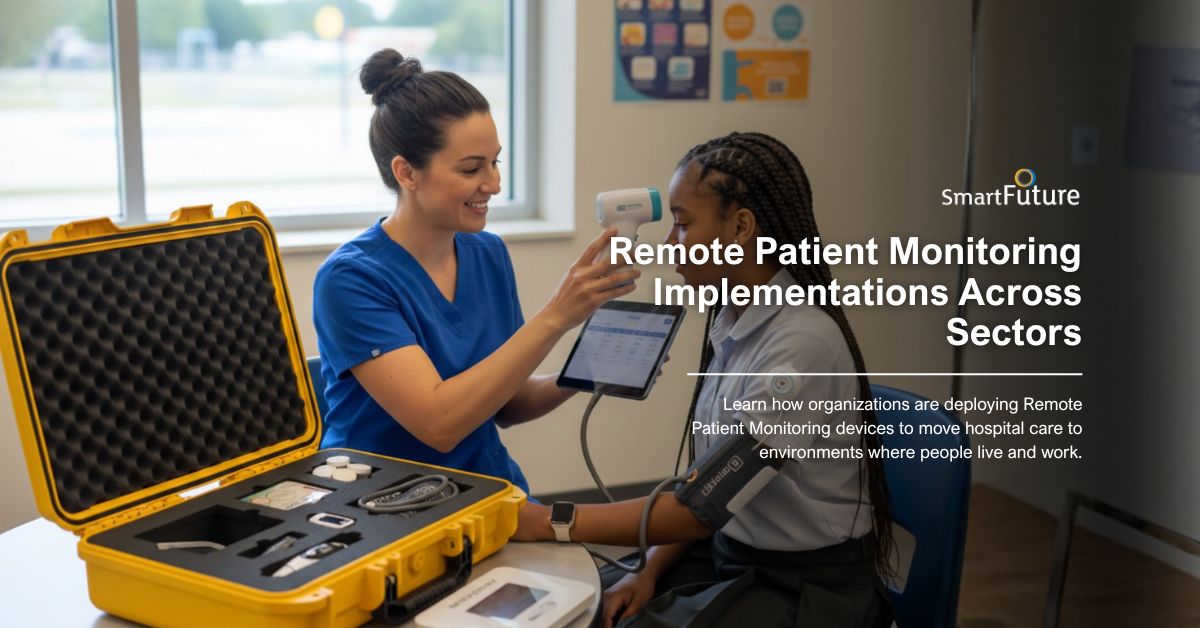
From industrial safety to elderly care, organizations are deploying connected medical devices to move care beyond hospitals and into the environments where people live and work.

Below are nine real-world remote patient monitoring examples reshaping healthcare delivery by location.

1. Schools: Managing Student Health at Scale

Educational institutions are increasingly responsible for managing chronic conditions such as asthma, diabetes, and epilepsy among students. School nurses cannot be everywhere at once.

Remote patient monitoring allows schools to deploy connected devices,  such as glucometers and pulse oximeters,  that securely transmit readings to healthcare providers or designated administrators. In larger districts, centralized dashboards enable early intervention before a condition escalates.

In post-pandemic education environments, RPM also supports temperature and respiratory monitoring during outbreaks, helping administrators respond to trends instead of isolated incidents.

Impact:

  • Faster response to student health events
  • Reduced emergency transfers
  • Better coordination with parents and providers

2. Corporate Offices: Preventive Health as Workforce Strategy

The modern workplace is increasingly tied to health outcomes. Employers managing distributed teams are using remote patient monitoring solutions to support hypertension management, metabolic health, and stress monitoring.

Wearables and connected blood pressure monitors allow HR-linked wellness programs to monitor aggregate trends while preserving individual privacy. For employees with chronic conditions, providers can monitor adherence and adjust treatment plans without requiring time off for clinic visits.

The shift is particularly pronounced in countries facing clinician shortages, where virtual care flexibility is becoming a permanent policy.

Impact:

  • Lower absenteeism
  • Stronger preventive care culture
  • Data-driven employee wellness strategies

3. Nursing Homes: Continuous Oversight Without Increasing Staffing

As aging populations expand, long-term care facilities face resource constraints. Remote patient monitoring devices provide continuous visibility into residents’ vitals, reducing reliance on manual checks.

Smart blood pressure cuffs, fall-detection wearables, and connected weight scales allow caregivers to detect deterioration early. In high-risk populations, RPM has been linked to reduced hospitalization rates and improved chronic disease control.

Some facilities now operate centralized “command hubs,” where technicians review incoming data streams and escalate only clinically relevant alerts ,  minimizing noise while preserving vigilance.

Impact:

  • Improved patient safety
  • Fewer avoidable hospital transfers
  • Better chronic disease management

4. Hospitals: Extending Care Beyond Discharge

Hospital at Home programs rely heavily on remote patient monitoring systems. After discharge, patients recovering from surgery or acute illness can be monitored using FDA-approved devices that track heart rate, oxygen saturation, glucose levels, and mobility patterns.

Clinicians access real-time data integrated into electronic health records, allowing them to intervene before complications escalate. For overstretched hospitals, this translates into better bed turnover and capacity management.

Virtual clinical trials are also increasingly built on RPM foundations, expanding recruitment diversity while improving protocol adherence.

Impact:

  • Reduced readmissions
  • Better postoperative outcomes
  • Expanded research participation

5. Evacuation Fields and Disaster Zones: Stabilizing Care in Transit

In emergency evacuation scenarios, natural disasters, conflict zones, or mass casualty events, monitoring continuity becomes critical.

Portable remote patient monitoring devices allow responders to transmit ECG readings, oxygen levels, and blood pressure data from the field to receiving hospitals. This ensures the receiving team is prepared before arrival.

In evacuation centers, wearable devices support triage by identifying vulnerable individuals whose vitals signal emerging distress.

Impact:

  • Improved triage accuracy
  • Faster stabilization
  • Better coordination between field and hospital teams

6. Industrial Sites: Safety in High-Risk Environments

Offshore rigs, mining sites, and energy platforms often operate hours from the nearest hospital. Remote patient monitoring in industrial settings provides a safety net.

Workers can be equipped with biometric wearables tracking heart rate, oxygen saturation, and fatigue indicators. In case of an incident, clinicians onshore receive immediate patient data to guide intervention while medevac arrangements are underway.

Studies in offshore wind farms and oil platforms demonstrate that telemedical integration systems can successfully transmit real-time vitals via satellite connections, enabling timely emergency decisions.

Impact:

  • Reduced mortality risk
  • Enhanced occupational safety compliance
  • Lower evacuation costs

7. Residential Housing Developments: Community Health Infrastructure

Residential communities, especially senior housing, are incorporating remote monitoring as part of shared healthcare infrastructure.

Motion sensors, temperature monitors, and connected scales allow caregivers or community health partners to detect early warning signs of illness or mobility decline. For elderly residents living independently, RPM extends autonomy while ensuring oversight.

In urban housing, community-level dashboards help public health officials identify disease trends and respond proactively.

Impact:

  • Safer independent living
  • Reduced emergency service utilization
  • Improved population health tracking

8. Home and Family Care: Managing Chronic Conditions Daily

For families managing diabetes, hypertension, COPD, or heart disease, remote patient monitoring offers peace of mind.

Continuous glucose monitors, Bluetooth-enabled blood pressure cuffs, and smart scales transmit data directly to providers. Patients gain visibility into their health trends, encouraging lifestyle adjustments and medication adherence.

Research indicates that RPM is particularly effective for hypertension and congestive heart failure management, reducing hospitalizations and improving long-term outcomes.

Impact:

  • Stronger patient engagement
  • Fewer ER visits
  • Empowered self-management

9. Cruise Ships & Maritime Healthcare Reinvented

Cruise operators function as floating cities. When medical incidents occur at sea, evacuation may take hours.

Onboard remote patient monitoring solutions enable ship medical teams to transmit vitals, ECG readings, and ultrasound data to land-based specialists. This remote collaboration improves triage accuracy and treatment quality.

In high-density passenger environments, RPM also supports infection monitoring and outbreak management.

Impact:

  • Faster specialist consultation
  • Improved passenger safety
  • Reduced diversion costs

Remote Patient Monitoring Explained

Remote patient monitoring allows clinicians to access connected at-home or mobile medical devices,  including blood pressure cuffs, glucometers, pulse oximeters, ECG systems, and wearables,  to monitor chronic and acute conditions.

Some systems require periodic self-testing. Others operate continuously, streaming data directly into electronic health records. Bring-your-own-device models allow patients to connect smartwatches and smartphones, while enterprise-grade systems deploy dedicated FDA-cleared equipment.

As the line between monitoring and therapeutic devices evolves, regulatory oversight remains critical. Manufacturers and healthcare organizations must ensure compliance with safety, efficacy, and data protection.

Security and Integration: The Enterprise Imperative

Data security remains central to RPM adoption. Healthcare organizations must ensure patient data is stored in secure environments with role-based access control.

Interoperability is equally important. Integration with EHR systems, often through FHIR standards, ensures that clinicians can access continuous health status data without disrupting their workflows.

Automated analytics tools are increasingly deployed to filter signal from noise, surfacing only clinically relevant alerts.

The Strategic Value of Remote Patient Monitoring

Remote patient monitoring is no longer confined to chronic disease management. It is supporting:

  • Value-based care models
  • Population health management
  • Workforce health programs
  • Disaster response readiness
  • Maritime and industrial safety

For healthcare providers, RPM enables earlier intervention and stronger data-driven decisions. For organizations, it reduces operational risk and improves efficiency. For patients, it provides visibility and reassurance.

The Future: Monitoring from Anywhere

As regulatory frameworks evolve and telehealth flexibility expands, remote patient monitoring is moving from pilot programs to permanent infrastructure.

Organizations that treat RPM as a strategic capability, rather than a temporary tool,  will be better positioned to manage capacity, improve outcomes, and extend care into the environments where it is most needed.Monitoring care from anywhere isn’t just a trend; it’s the future of health.

At SmartFuture, we’re laying the digital foundation for continuous, borderless care. Consult with our team and become a part of the healthcare revolution.

10 Common Remote Patient Monitoring Devices Transforming Modern Healthcare

Remote Patient Monitoring devices (RPM) are no longer an experimental model of care. It is becoming a structural pillar of healthcare delivery.

The World Health Organization has identified remote patient monitoring as one of the healthcare delivery models with the potential to improve global health outcomes at scale.

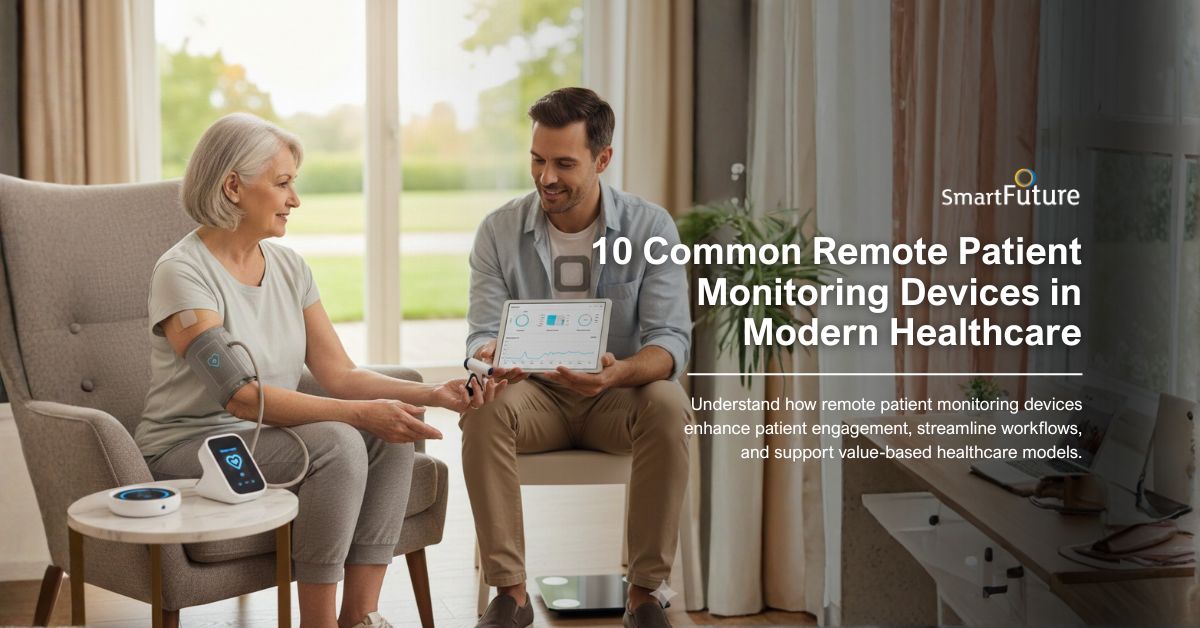
By enabling clinicians to collect real-time data from patients outside traditional facilities through Remote Patient Monitoring Devices, it supports earlier intervention, better disease management, and improved long-term outcomes.

What Is Remote Patient Monitoring?

Remote patient monitoring refers to medical devices used to track and transmit a patient’s physiological data to healthcare providers in real time, from outside a traditional clinical setting. It allows clinicians to access health data from connected, at-home, or mobile devices to manage chronic and acute medical conditions.

These devices measure vital indicators such as:

  • Blood pressure
  • Glucose levels
  • Oxygen saturation
  • Cardiac rhythms
  • Temperature
  • Weight fluctuations

Some RPM devices require patients to take measurements manually. Others operate continuously, sending data directly to electronic health records. Increasingly, systems support “bring your own device” models, where patients use smartwatches or personal health trackers to transmit information securely.

Integrating specific Remote Patient Monitoring (RPM) devices into clinical workflows is essential for capturing the “physiologic data” required for modern reimbursement models and proactive care.

By 2026, the technology has moved toward cellular-first connectivity, ensuring that data transmits automatically without requiring patients to navigate complex Bluetooth pairing.

Below are the 10 most common devices currently shaping healthcare systems:

10 Common Remote Patient Monitoring Devices

1. Blood Pressure Cuff

10 Common Remote Patient Monitoring Devices in Modern Healthcare
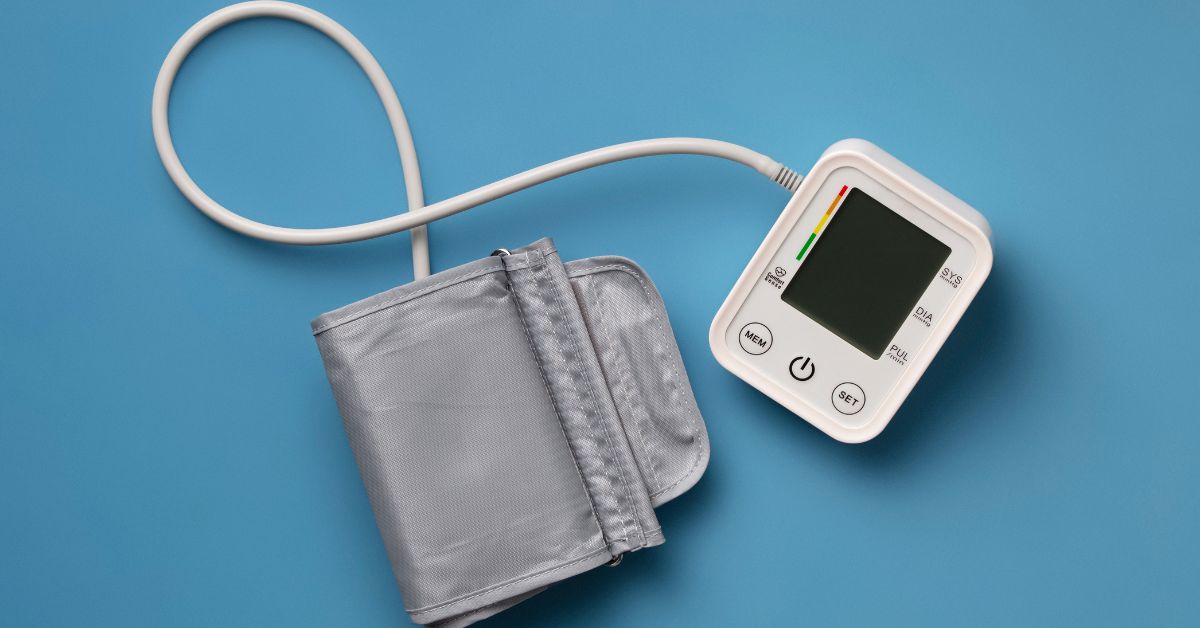
blood pressure cuff. Source: Freepik

The Bluetooth-enabled blood pressure cuff remains one of the most widely adopted RPM devices.

Hypertension is a leading risk factor for heart disease and stroke. Remote blood pressure monitoring allows clinicians to detect:

  • Masked hypertension
  • White coat hypertension
  • Medication inefficiencies
  • Early cardiovascular deterioration

Unlike a single in-clinic reading, daily monitoring offers a more accurate profile of a patient’s cardiovascular stability.

At SmartFuture, we integrate blood pressure data into centralized dashboards, allowing care teams to identify trends rather than isolated spikes.

2. Glucometer and Continuous Glucose Monitor (CGM)

10 Common Remote Patient Monitoring Devices in Modern Healthcare
Glucose meter. Source: Freepik

Diabetes management has been transformed by remote monitoring.

Traditional glucometers measure glucose through finger-prick testing. Continuous glucose monitors (CGMs) use small sensors inserted under the skin to transmit glucose readings at regular intervals.

RPM-enabled glucose monitoring allows providers to:

  • Detect abnormal fluctuations
  • Adjust insulin dosing remotely
  • Improve A1c control
  • Reduce emergency visits

The integration of glucose monitoring into structured RPM programs has also expanded into virtual clinical trials, where real-time adherence tracking accelerates research outcomes.

3. Pulse Oximeter

10 Common Remote Patient Monitoring Devices in Modern Healthcare
Pulse Oxymeter. Source: Freepik

Pulse oximeters measure oxygen saturation and heart rate through non-invasive sensors.

Their importance surged during the COVID-19 pandemic, but their value extends to:

  • COPD management
  • Postoperative monitoring
  • Pneumonia detection
  • Oncology care

When oxygen levels drop below defined thresholds, alerts trigger rapid clinical review.

SmartFuture systems ensure these alerts are actionable, filtering signal from noise to prevent clinician overload.

4. Remote ECG (Electrocardiogram) Monitors

Remote ECG devices have evolved dramatically.

Previously bulky and clinic-dependent, modern ECG patches or portable monitors stream cardiac rhythm data directly to monitoring centers.

They are critical for:

  • Detecting arrhythmias
  • Monitoring heart failure
  • Assessing post-surgical cardiac recovery

Some healthcare systems have established dedicated “command centers” to analyze incoming ECG data, allowing technicians to escalate abnormal readings instantly.

Continuous cardiac oversight has shifted cardiology from reactive to predictive care.

5. Peak Flow Meter

Peak flow meters measure how quickly patients can exhale air, helping track lung function over time.

Bluetooth-enabled versions transmit data directly to providers, supporting:

  • Asthma management
  • Chronic bronchitis monitoring
  • Emphysema progression tracking

Gradual declines in lung capacity can signal deterioration long before patients feel symptoms.

Continuous respiratory insight reduces avoidable hospital admissions.

6. Wearable Devices and Activity Trackers

Smartwatches and wearable sensors are increasingly integrated into remote patient monitoring programs.

They track:

  • Heart rate
  • Sleep cycles
  • Step counts
  • Stress markers
  • Fall risk

Advanced wearables offer continuous monitoring through adhesive patches capable of tracking multiple biomarkers simultaneously.

While consumer-grade wearables support engagement, FDA-cleared medical-grade devices offer higher diagnostic reliability. SmartFuture supports both structured clinical-grade integrations and secure “bring your own device” pathways.

7. Digital Thermometer

10 Common Remote Patient Monitoring Devices in Modern Healthcare
Digital Thermometer. Source: Freepik

Remote thermometers measure and transmit body temperature automatically.

Though simple in design, temperature is often the earliest signal of:

  • Infection
  • Post-surgical complications
  • Immune system suppression
  • Cancer-related deterioration

During pandemic surges, temperature monitoring played a central role in triage decisions and outbreak containment.

In modern RPM ecosystems, temperature data feeds into multi-metric dashboards for contextual analysis.

8. Wireless Scale

10 Common Remote Patient Monitoring Devices in Modern Healthcare
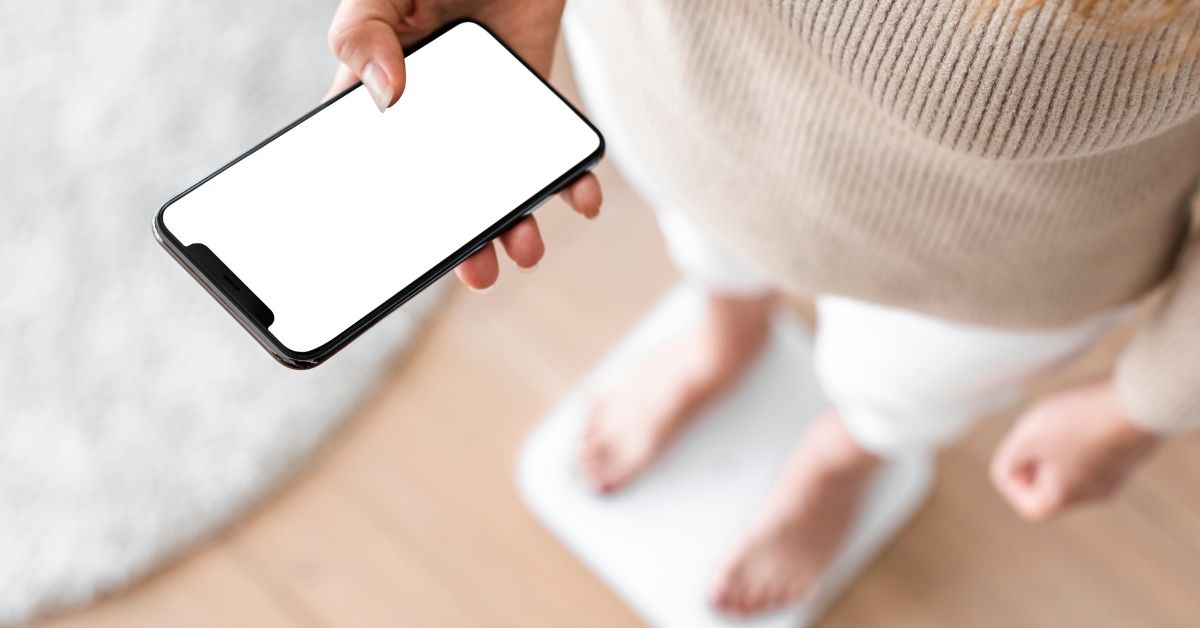
Wireless Scale . Source: Freepik

Wireless scales monitor weight fluctuations remotely.

For heart failure patients, sudden weight gain may indicate fluid retention. For obesity management, long-term trends reflect behavioral and metabolic changes.

Some FDA-approved scales now measure both weight and biofluid retention, helping predict heart failure episodes earlier than symptom onset.

By integrating scale data with medication management protocols, clinicians can adjust treatment before hospitalization becomes necessary.

9. Smart Inhalers

10 Common Remote Patient Monitoring Devices in Modern Healthcare
Smart inhaler device. Source: Freepik

Smart inhalers track usage patterns and medication adherence.

For asthma and COPD patients, they provide insight into:

  • Frequency of rescue inhaler use
  • Missed maintenance doses
  • Environmental triggers

Data-driven inhaler monitoring supports personalized respiratory management and reduces emergency exacerbations.

10. Maternal and Fetal Remote Monitoring Devices

Remote maternal monitoring devices measure fetal heart rate and uterine activity.

These systems:

  • Reduce unnecessary hospital visits
  • Enable early detection of complications
  • Support safer pregnancies in rural or underserved areas

The World Health Organization reports nearly 2 million stillbirths annually, many linked to delayed intervention. Remote maternal monitoring strengthens prenatal oversight and emergency preparedness.

Why Remote Patient Monitoring Devices Matter Now

The expansion of RPM is not solely technological. It is structural.

Following the COVID-19 pandemic, telehealth restrictions were eased across the United States. Reimbursement for RPM increased 19-fold between 2019 and 2021. Medicaid programs in 34 states now cover RPM services.

Meanwhile, clinician shortages, especially in rural areas, are driving demand for scalable remote monitoring solutions.

Healthcare systems are shifting toward value-based care models, where compensation is tied to outcomes rather than volume. RPM devices provide the data backbone required for:

  • Early detection
  • Chronic disease management
  • Reduced readmissions
  • Population health analytics

The Infrastructure Behind the Devices

Devices alone do not define a successful RPM strategy.

Healthcare organizations must evaluate:

1. Data Security

Patient data must be encrypted, securely stored, and access-controlled.

2. Interoperability

RPM devices must integrate seamlessly with EHR systems. Compliance with standards such as FHIR ensures consistent data exchange.

3. User Experience

Patients must receive training and ongoing support to prevent misuse or device abandonment.

4. Intelligent Filtering

Continuous devices generate vast data streams. AI-powered systems are essential to surface meaningful insights while reducing clinician fatigue.

At SmartFuture, we design RPM ecosystems that connect medical devices, dashboards, and workflows into unified, scalable infrastructures.

Remote Patient Monitoring: From Devices to Decision-Making

Remote patient monitoring devices augment in-person care rather than replace it.

For providers, RPM delivers:

  • Timely detection of health deterioration
  • Streamlined workflows
  • Improved patient volume management
  • Integration with electronic health records
  • Enhanced clinical decision-making

For patients, RPM provides:

  • Greater engagement
  • Reduced travel burden
  • Increased confidence in managing chronic conditions
  • Higher satisfaction rates

The SmartFuture Perspective

Remote patient monitoring devices are redefining how healthcare is delivered.

As healthcare systems confront workforce shortages, aging populations, and rising chronic disease burdens, scalable RPM programs will determine who can deliver sustainable, high-quality care.

At SmartFuture, we believe the future of healthcare will not be defined by the walls of a hospital, but by the intelligence of its monitoring infrastructure.

Schedule a consultation today to join the evolution of healthcare and medical device innovation.

SABIC Training Session: Digital Health Success

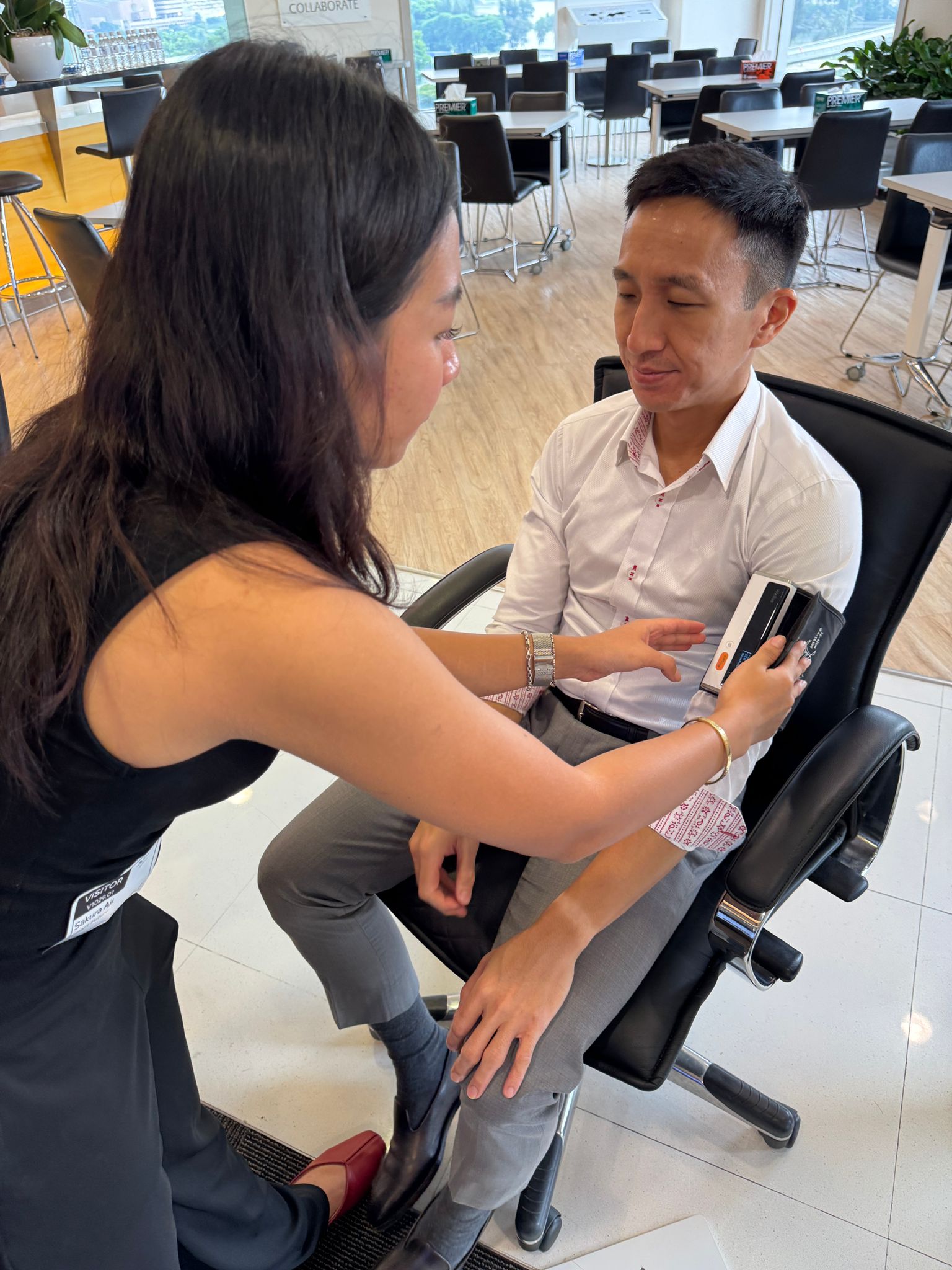
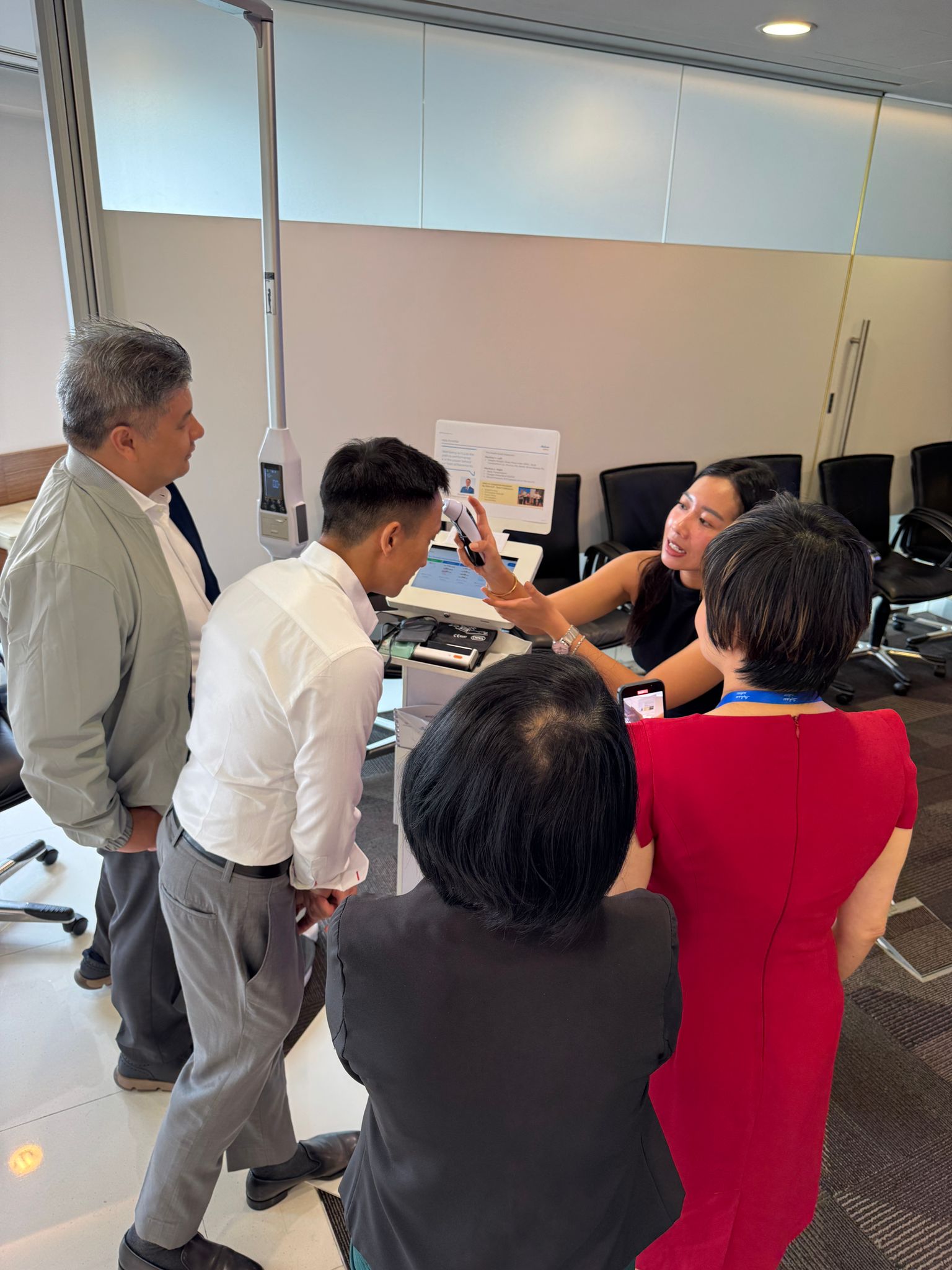
SmartFuture successfully conducted a pivotal SABIC training session at their Singapore office on December 1, 2025. This targeted session guided the SABIC team on the effective use of our advanced digital health monitoring devices. We focus on ensuring our clients achieve seamless adoption of their new technological solutions and clear immediate value from their investment.

Core Devices Covered in the SABIC Training Session

The structured SABIC training session provided a detailed demonstration of several key digital health devices integrated into the SmartFuture platform. Specifically, we covered the proper use of the BP Monitor plus ECG, the Pulse Oximeter, the Height & Weight Machine, and the Thermometer. This ensures comprehensive and accurate health data collection by the SABIC team.

Ensuring Smooth Digital Workflow Integration

The training session focused heavily on the practical application of the equipment. Our goal was helping SABIC staff quickly understand device operation and learn best practices for data integrity. Consequently, we emphasized achieving a smooth and efficient data flow directly into their digital health system. This ensures that the benefits of the technology are immediately realized.

Strengthening SABIC’s Digital Health Strategy

SmartFuture is extremely pleased to support SABIC in strengthening its crucial digital health workflow. By mastering these devices during the training session, the SABIC team enhances its ability to monitor employee or site health proactively. This strategic investment underscores SABIC’s commitment to implementing cutting-edge occupational health standards.

SmartFuture successfully trained SABIC staff on December 1, 2025, in Singapore, demonstrating digital health devices to strengthen their operational workflow.

Hands-On Approach at the Singapore Office

The focused SABIC training session took place right at SABIC’s Singapore office located at 1 Temasek Avenue. Conducting the session on-site allowed for immediate, real-world practice with the devices in a familiar environment. This hands-on method maximizes knowledge retention and prepares the team for immediate operational use of their digital health tools.

The focused training took place at SABIC’s Singapore office located at 1 Temasek Avenue. Conducting the session on-site allowed for immediate, real-world practice with the devices in a familiar environment.

Looking Forward to Continued Partnership

We are extremely glad this SABIC training session was a success and greatly benefited the entire SABIC team. SmartFuture looks forward to continued collaboration with SABIC as they expand their use of digital health solutions. We remain committed to supporting their needs in advanced remote health monitoring.

Remote Care Solutions for Healthcare. Contact Us For More!

  • Phone (SG/Global):+65 8836 0984
  • Phone (US/CA): +1 (512) 717-6408
  • Email: sales@oursmartfuture.com
  • Singapore Address: 246 Macpherson Road, #03-01 Betime Building, Singapore 348578
  • US Address: 651 N Broad St, Suite 201, Middletown, Delaware 19709

Follow our newsletter. We will regularly update our latest project and availability.

The SmartFuture Medkit Showed At AHWS 2025 Maritime Event

SmartFuture proudly participated in the Asia Health, Wellness & Security Conference 2025 (AHWS 2025). This pivotal event occurred on November 25–26, 2025, at the Park Hyatt Hyderabad in India.

Formerly known as the Asia Remote Health & Corporate Wellness Conference, AHWS is now organized by the International SOS Foundation’s Asia Remote Health Committee (ARHC). This committee is dedicated to safeguarding people who work in remote locations across Asia.

A Focus on Disruptive Technology and Remote Health

AHWS 2025, the eleventh edition of this influential conference, focused on the key theme: “AI in a Disruptive World – Impact on Health & Security.” The event brought together healthcare professionals, security experts, and organizational leaders from across Asia. They convened to explore how cutting-edge technologies and innovative solutions can transform worker health and well-being, especially within challenging or remote environments like the maritime industry.

SmartFuture’s Mission Aligns with AHWS Goals

SmartFuture’s mission closely aligns with the goals of AHWS, emphasizing technological innovation and human-centered design. Ensuring crew welfare in maritime and remote-site contexts presents a critical challenge due to limited traditional infrastructure and potential communication delays. By attending, SmartFuture shared key insights on remote-environment health solutions and demonstrated how technology effectively bridges the healthcare gap for remote workers.

Introducing MediKit: The Maritime Health Solution

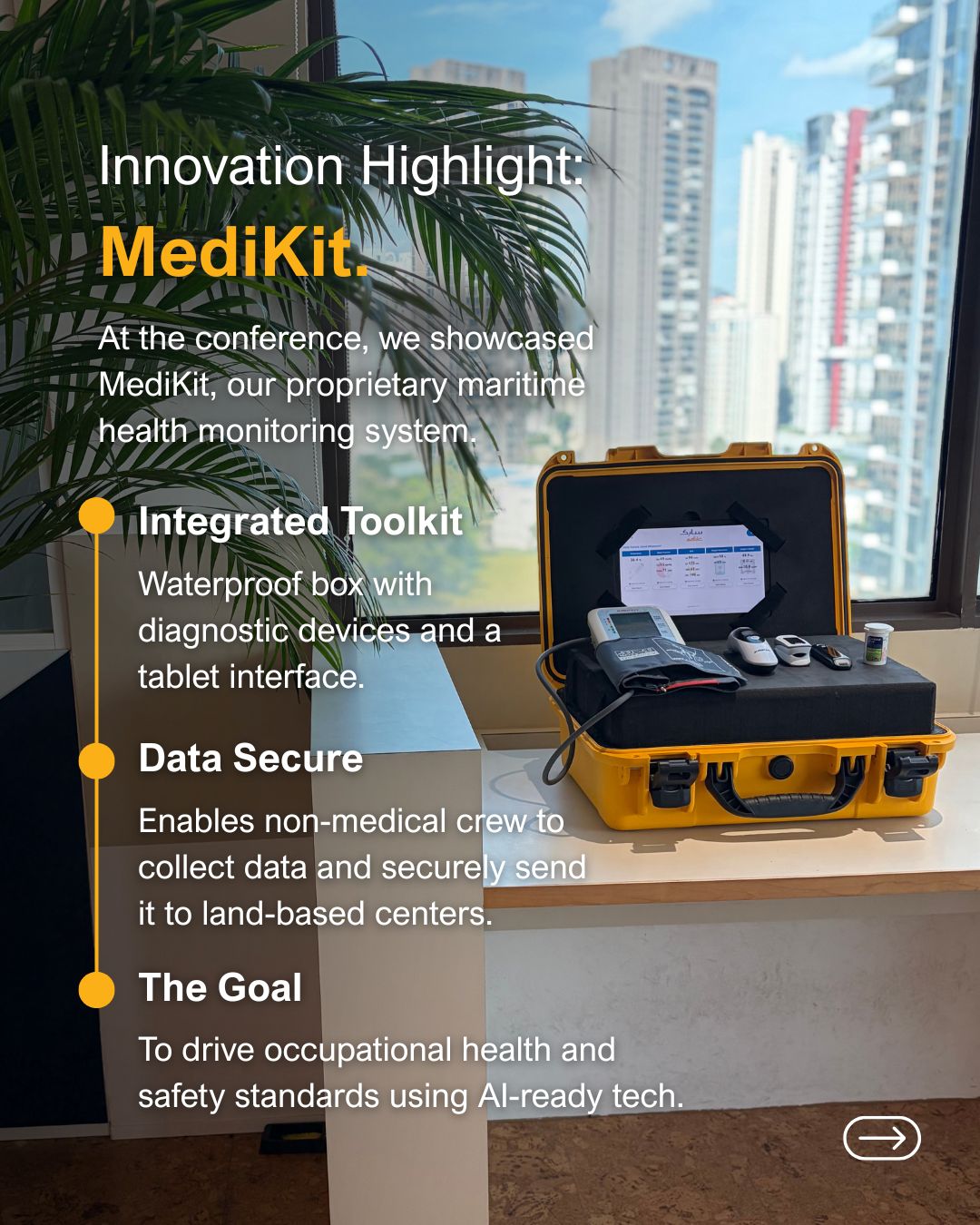
At AHWS 2025, SmartFuture successfully showcased its proprietary maritime health-monitoring system: MediKit. This integrated toolkit is specifically designed for use on ships and remote maritime platforms. The core of MediKit is a waterproof box containing diagnostic medical devices plus an iPad interface. This unique setup allows non-medical crew members to perform basic health diagnostics seamlessly, even amidst harsh maritime conditions.

SmartFuture highlighted its MediKit maritime health solution at AHWS 2025, demonstrating how technology bridges care gaps for remote workers under the theme of AI's impact.
SmartFuture highlighted its MediKit maritime health solution at AHWS 2025, demonstrating how technology bridges care gaps for remote workers under the theme of AI’s impact.

Key Features and Strategic Visibility

MediKit’s key features ensure crew safety and well-being. The waterproof housing guarantees functionality in severe weather. The integrated diagnostic tools and tablet interface make data collection straightforward for non-medical personnel. Furthermore, the system enables secure, remote data transmission to land-based medical centers. By highlighting MediKit, SmartFuture showed how AI-ready solutions can transform occupational health in industries operating beyond traditional healthcare reach, such as shipping and offshore work.

Driving Dialogue and Forging New Partnerships

SmartFuture’s participation clearly reinforced its core message: health, wellness, and security are a responsibility, not a luxury, even in remote locations. The company successfully raised awareness of the healthcare challenges faced by remote workers. It aimed to forge new partnerships with maritime companies and occupational-health stakeholders to roll out MediKit broadly. Ultimately, SmartFuture contributed meaningfully to the wider conversation at AHWS about shaping the future of workplace health through emerging technologies.

Want faster response times and better coordination? DM us to book a demo today!
💌Email: sales@oursmartfuture.com
📞Call (SG): +65 8836 0984
📞Call (US): +1 (512) 717-6408

Wellness as Luxury: Smart Kit for Hotels.

The premium hotel sector must always prioritize the guest experience. Wellness is considered a non-negotiable component of modern luxury now. Travelers require more than just a spa; they require tools for personalized health monitoring. The challenge today is providing sophisticated, data-driven service seamlessly on-property.

The SmartFuture Hospitality Solution

The SmartFuture Health Check-up Kit was designed for this demand. This kit instantly positions a resort as a wellness-forward destination. This compact, easy-to-use health monitoring kit is offered as an exclusive amenity. It can be elegantly installed in executive lounges or fitness centers.

Immediate, On-Demand Health Checks

The kit empowers guests to conduct on-demand health monitoring. Key vitals are checked, including blood pressure and oxygen saturation. These checks are completed in under two minutes. This quick, clinical-grade check is valuable for travelers. Their feeling of personalized care is greatly enhanced.

SmartFuture's white-label health kit offers luxury hotels an exclusive amenity. It provides guests with easy, on-demand vital checks, driving loyalty and satisfaction.
SmartFuture’s white-label health kit offers luxury hotels an exclusive amenity. It provides guests with easy, on-demand vital checks, driving loyalty and satisfaction.

Seamless Experience is Provided

The system’s easy-to-use interface ensures maximum guest adoption. Guests are given instant reports. Reports can be sent directly via email. This personalized delivery transforms a generic amenity. A sophisticated, high-touch service is offered.

Integration and Brand Customization

Crucially, the kit offers seamless integration. It can be fully white-labeled with the hotel’s branding. It is designed to work with existing property management systems (PMS). The hotel is able to link the monitoring data directly. Personalized recommendations for spa treatments can be created.

For hotel wellness management, we provide customizable reports that document safety responses. Automated data submission streamlines incident documentation. We tailor solutions to the hotel’s specific needs, fully white-label them, and host them securely. Therefore, these automated processes significantly enhance service quality and brand reputation by demonstrating proactive care.

Driving Loyalty Through Data-Driven Wellness

Implementing this easy-to-use health monitoring kit is a sophisticated demonstration of commitment. A genuine, data-driven commitment to guest well-being is shown. Superior guest satisfaction is driven by it. Brand loyalty is reinforced by providing a memorable luxury wellness experience. Ready to elevate your guest experience? Schedule a conversation with our hospitality solutions team today.

The Invisible Hug: How SmartFuture’s Tracking Solution Brings Peace and Safety to Our Loved Ones in Care

The Invisible Hug: Assuring Safety for Loved Ones

If you have family in assisted living, you ask simple questions: “Are they safe?” “Do they get help fast?” Health and safety worries are constant. Also, staff faces a huge challenge. They must keep many people safe without rushing. SmartFuture’s Resident Tracking Solution answers these issues. It creates a smart safety net that is always active. This system ensures every resident feels secure. Every caregiver also feels supported.

Proactive Care: From Tracking to Wellness

Therefore, remote health systems replace old check-ins. They provide continuous, real-time safety. The Resident Tracking Solution offers Zero-Worry Location data. Staff know a resident’s exact spot instantly. For example, if someone nears an exit, the team gets an immediate alert. They step in before a crisis starts. This speed is vital. It turns minutes of searching into seconds of focused care. This greatly improves the overall health response.

Moreover, our Resident Tracking Solution offers the Power of Subtle Clues. Changes in habits often show changes in health. The system gently tracks movement. It flags when a resident moves less or walks differently. Consequently, staff can act early. They adjust medication or check on the resident. This happens before a fall or decline in wellness occurs. This is compassionate, predictive remote health care.

Empowering Caregivers for Better Health Outcomes

The technology also makes the team’s job easier. It means Less Rushing, More Caring. Thus, when an alert sounds, the system uses location data. It finds the closest and best-suited staff member. This smart coordination stops internal confusion. It also speeds up response times quickly. Residents get the help they need right away.

This smart technology gives a Clear Picture of Care. Tracking data records timely responses and good actions automatically. For families, this gives great confidence. They know their loved one is getting accountable care, boosting their wellness and peace of mind. Furthermore, staff focus shifts from paperwork to monitoring the resident’s health.

The Resident Tracking Solution is the quiet assurance for families and staff. It helps compassion and attention thrive. This smart remote health technology never takes a day off. Give your residents dignity and safety. Give your staff power and precision. Contact us today to schedule a consultation and see how our remote health solutions can improve your standard of care.

Contact Us Here : 📧 Email: sales@oursmartfuture.com 📞 Phone (SG): +65 8836 0984 📞 Phone (US): +1 (512) 717-6408 📍 Singapore Office: 246 Macpherson Road, #03-01 Betime Building, Singapore 348578 📍 Delaware Office: 651 N Broad St, Suite 201, Middletown, Delaware 19709

The Portable Clinic: Health Checks That Meet You Where You Are

Tired of the health hurdle? In our fast-moving world, waiting in line for a basic health check just doesn’t make sense anymore. That’s why SmartFuture invented the Portable Health Kiosk (affectionately known as the Kiosk-in-a-Kit!). We’ve taken the entire clinic experience and packed it down into one smart, durable suitcase, eliminating all those annoying logistical barriers. This isn’t just a gadget; it’s a genuine transformation of health screening into a totally portable, on-demand service.

Think about the sheer flexibility! Our innovation is a Portable Health Kiosk that fits easily into a car boot or a storage closet. It’s ready to go wherever you need it, offering unprecedented access and flexibility in delivering medical services. Forget complex installations or renovation costs—this full-service Portable Health Kiosk is ready to set up and start screening in minutes, bringing professional healthcare support right to the community.

Benefit For Corporate Wellness

For companies, this is a game-changer for workplace wellness. Why make employees use their vacation time for a check-up? With our Portable Health Kiosk, you can deliver convenient, corporate wellness screenings right to the employee’s desk or break room. This proactive approach boosts team health, increases participation rates, and sends a clear message that employee well-being is a top priority—all while saving valuable working hours.

Benefit For Community Access

The real magic of the Portable Health Kiosk lies in its ability to bridge health gaps. For residential areas, community centres, or geographically remote sites, the kit instantly creates a temporary healthcare station. It provides vital access to quick screenings, health check-ups, and even allows for immediate virtual doctor consultations where fixed clinics are simply impossible. This is essential health access for everyone, everywhere.

The comprehensive nature of this Portable Health Kiosk is impressive. It supports a wide array of essential services, including basic triage, full health check-ups, and on-demand virtual consultations. By providing these tools, the Portable Health Kiosk empowers organizations—from clinics and hospitals to hotels and offices—to deliver effective, high-quality healthcare services with unmatched convenience and speed.

Stop waiting for the patient to come to the clinic; the Portable Health Kiosk allows the clinic to come to them! Ready to upgrade your approach to health screening and deliver unparalleled convenience? Contact us now to see how the SmartFuture Portable Health Kiosk can start working for your organization’s health goals.

Contact Us Here :

📧 Email: sales@oursmartfuture.com

📞 Phone (SG): +65 8836 0984

📞 Phone (US): +1 (512) 717-6408

📍 Singapore Office: 246 Macpherson Road, #03-01 Betime Building, Singapore 348578

📍 Delaware Office: 651 N Broad St, Suite 201, Middletown, Delaware 19709