
X
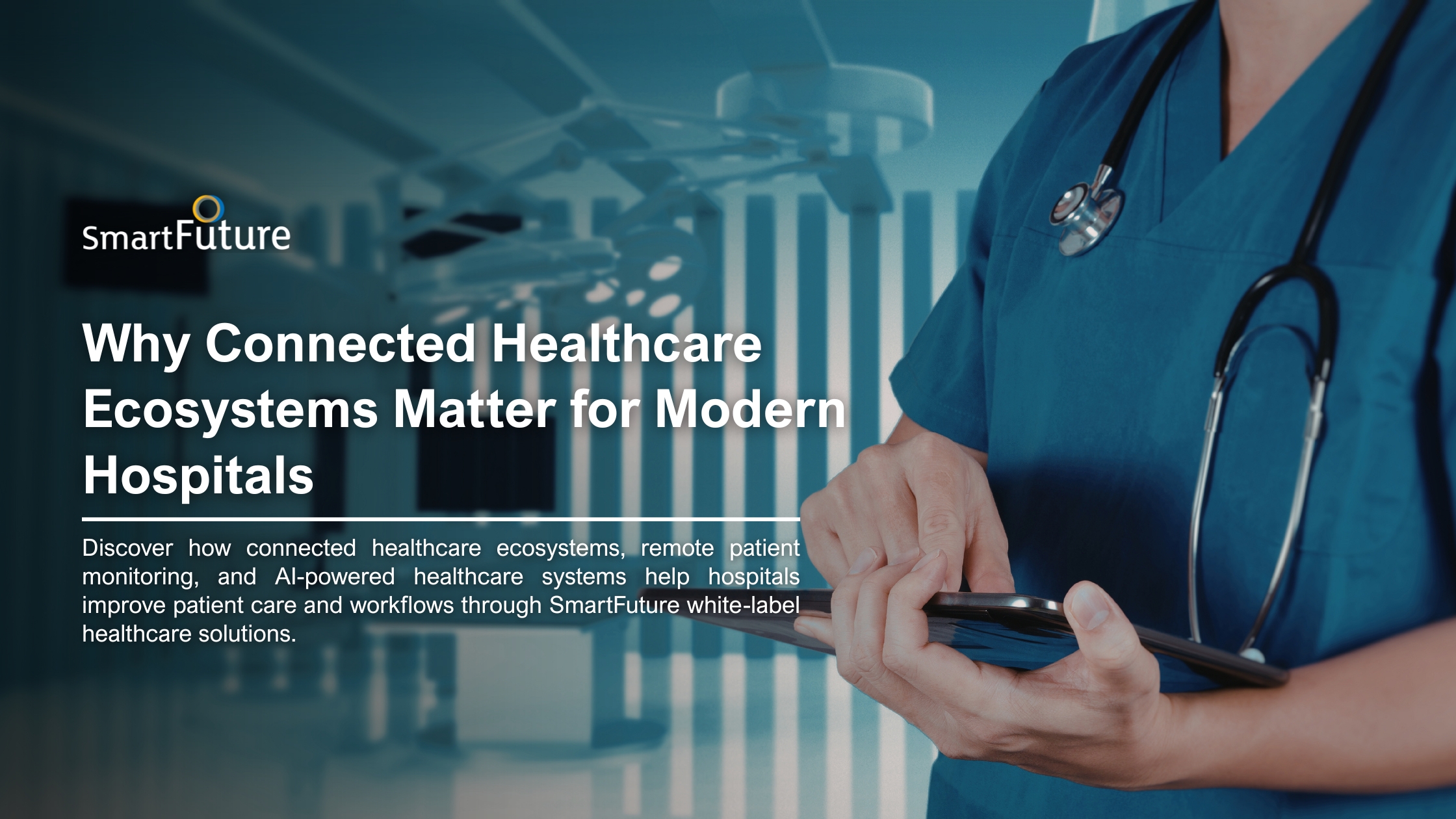
In many modern hospitals, nurses still spend time manually recording patient vital signs, clinicians often need to open multiple systems to review patient information, and discharged patients may not always be monitored consistently once they return home. As remote care programmes continue growing, many healthcare providers are starting to realise that traditional workflows are becoming harder to manage efficiently.
For example, a patient recovering at home after surgery may only return to the hospital once symptoms become more serious. In some cases, healthcare teams do not receive enough visibility into the patient’s condition during recovery. This can lead to delayed intervention, avoidable complications, and higher hospital readmission rates.
Because of this, hospitals are increasingly looking for smarter healthcare systems that help improve patient visibility, simplify workflows, and support more proactive care delivery.
Today, healthcare technology is no longer just about standalone medical devices. Hospitals are now investing in connected healthcare ecosystems that combine:
Many healthcare systems relied heavily on manual processes and fragmented platforms. However, healthcare delivery today extends far beyond hospitals and clinics alone.
Patients are now receiving care at home, joining rehabilitation programmes remotely, and using connected healthcare devices outside traditional clinical settings. At the same time, healthcare professionals are expected to monitor larger patient populations while responding faster to changing patient conditions.
This creates new operational challenges for hospitals, including:
This is where connected healthcare infrastructure becomes increasingly important.
Instead of relying on separate systems that operate independently, hospitals are moving toward more integrated healthcare ecosystems that allow patient data, monitoring devices, and healthcare teams to work together more efficiently.
According to World Health Organization Digital Health, digital healthcare technologies continue playing an important role in improving healthcare accessibility, efficiency, and patient-centred care globally.
As healthcare organisations continue modernising patient care, SmartFuture provides connected healthcare ecosystems designed to support hospitals, clinics, rehabilitation centres, and remote care programmes.
Rather than offering only individual devices, SmartFuture combines:
Through this ecosystem, healthcare providers can monitor patients more consistently while improving operational visibility across different care environments.
For example, hospitals managing post-discharge recovery programmes can use remote patient monitoring systems to track patient conditions after discharge. Instead of waiting for the next physical appointment, healthcare teams can receive earlier visibility if a patient’s condition begins changing during recovery.
This allows care teams to intervene earlier while helping reduce unnecessary hospital visits and delayed treatment responses.
To support different healthcare needs, SmartFuture offers several connected healthcare solutions designed for modern patient care workflows.
These include:
These solutions support:
In addition, connected healthcare systems also help centralize patient information and improve coordination between healthcare teams.
Artificial Intelligence (AI) is also becoming part of modern healthcare operations, especially in patient monitoring and healthcare data analysis.
Today, AI-powered healthcare systems can help hospitals:
For example, if a patient recovering at home shows declining oxygen levels alongside worsening symptoms, AI-powered systems can automatically flag the case for earlier clinical review.
This helps healthcare teams respond more quickly while improving visibility across larger patient populations.
According to HIMSS Healthcare Technology Insights and McKinsey Healthcare Insights, healthcare organisations globally are continuing to prioritise connected healthcare infrastructure and digital transformation to improve operational sustainability and patient outcomes.

Healthcare is becoming more connected, more data-driven, and increasingly focused on continuous care beyond hospital walls.
As hospitals continue modernising operations, connected healthcare ecosystems are helping healthcare providers improve workflow efficiency while supporting more proactive patient care.
From hospital-at-home programmes and remote patient monitoring to AI-powered healthcare analytics and connected rehabilitation support, healthcare technology is helping organisations build more efficient and future-ready healthcare environments.
If your organisation is exploring scalable healthcare infrastructure, remote patient monitoring programmes, or connected healthcare ecosystems, SmartFuture is glad to be your partner!
Contact us now:
📧 sales@oursmartfuture.com
📧 developer@oursmartfuture.com
📞 +65 8836 0984 (Mon–Fri, 10 AM–6 PM)
💬 Chat with us on WhatsApp for a faster response
Visit Us
📍 Singapore: 246 Macpherson Road, #03-01 Betime Building 348578
📍 USA: 651 N Broad St, Suite 201, Middletown, Delaware 19709

In many modern hospitals, nurses still spend time manually recording patient vital signs, clinicians often need to open multiple systems...
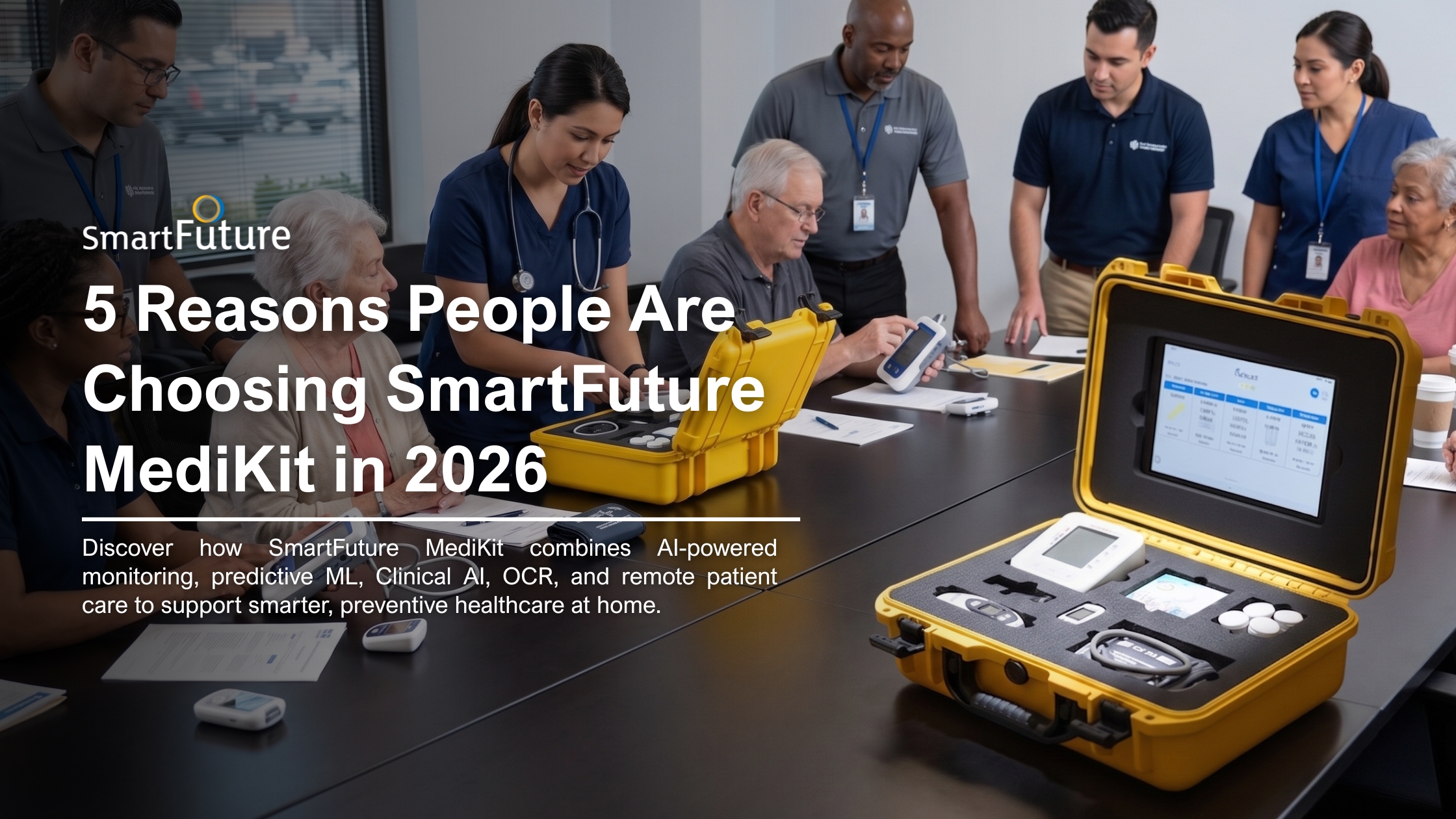
As healthcare systems continue to evolve, people are increasingly seeking solutions that are not only connected and accessible, but also...
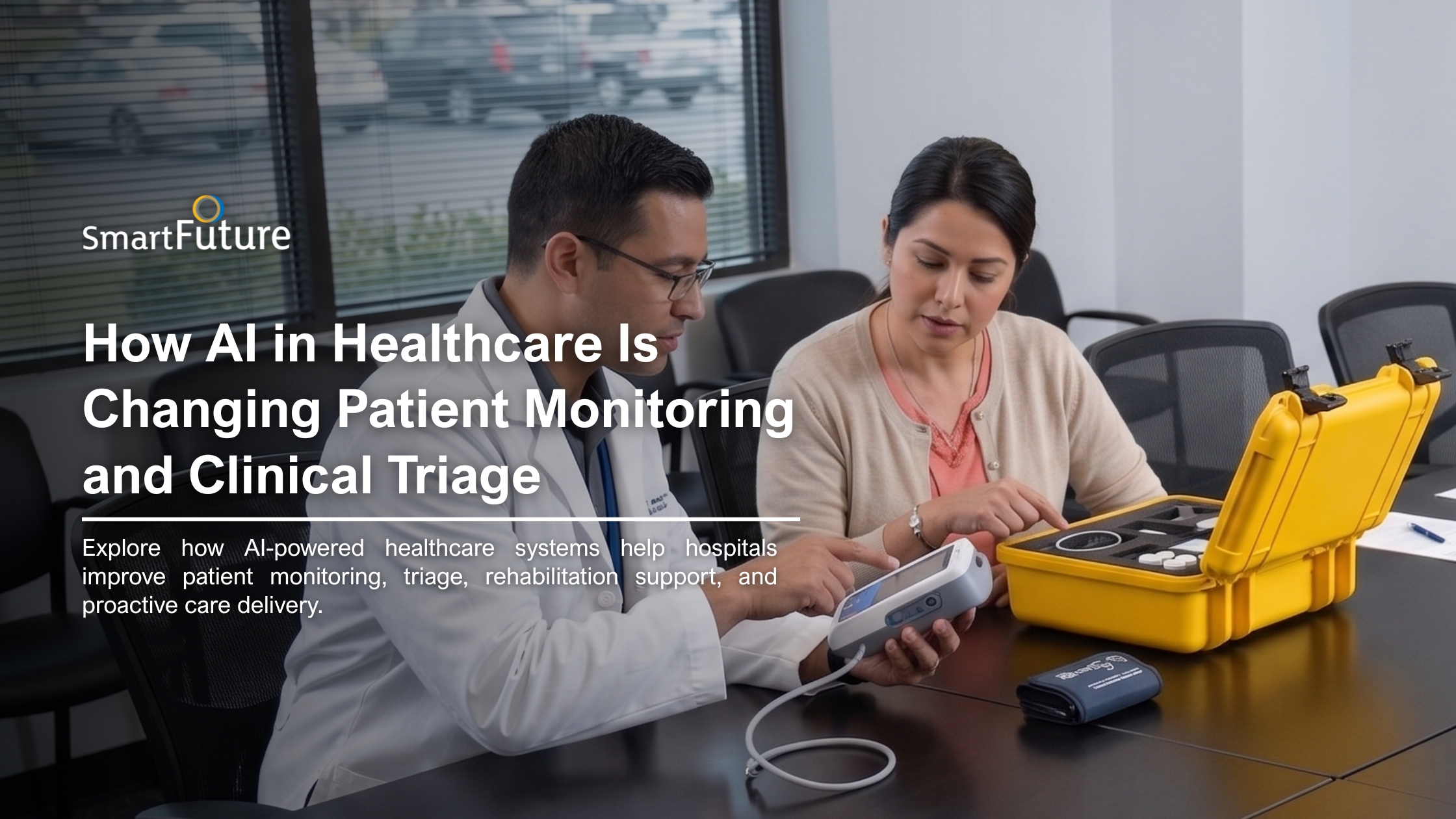
AI in healthcare is becoming increasingly important as healthcare providers around the world continue to face growing and complex challenges....
Follow our newsletter. We will regulary
update our latest
project and availability.

OurSmartFuture is a healthcare technology company specializing in white-label remote patient monitoring solutions for hospitals, clinics, and healthcare organizations worldwide. We help providers extend care beyond traditional settings through secure, scalable patient remote monitoring systems designed for modern healthcare delivery.
© 2026 SmartFuture - All Rights Reserved

 +65 8836 0984
 sales@oursmartfuture.com
 246 Macpherson Road, #03-01 Betime