X

Ensuring resident safety while meeting regulatory requirements remains a persistent challenge for healthcare and senior care organizations.
As care environments become more complex and resident needs more varied, traditional supervision methods are often no longer sufficient. This has led many organizations to explore real-time resident tracking solutions as part of a broader approach to safety, accountability, and healthcare compliance technology.

Senior care facilities, assisted living communities, and long-term care providers operate in environments where resident movement is constant and often unpredictable. Risks such as wandering, delayed response to incidents, or unaccounted movement can have serious consequences, not only for resident wellbeing but also for organizational compliance.
Regulatory frameworks increasingly expect organizations to demonstrate:
Manual logs and periodic checks, while still important, offer limited visibility in real time. This gap between expectation and operational reality is where technology-based solutions are increasingly being considered.
A resident tracking solution is not about surveillance. At its core, it is designed to support situational awareness, giving care teams timely, accurate information that helps them respond appropriately when it matters most.
When implemented responsibly, real-time tracking can help organizations:
These outcomes directly support both resident safety and organizational accountability, two priorities that are closely linked in modern care settings.
Healthcare compliance technology has traditionally focused on reporting and record-keeping. While documentation remains essential, regulators and auditors increasingly examine whether systems in place actively support safe care delivery.
Real-time resident tracking contributes to compliance by:
In this context, compliance becomes less about retroactive paperwork and more about preventive systems that reduce the likelihood of adverse events occurring in the first place.
One of the most important considerations for any resident tracking solution is balance. Care organizations must weigh safety benefits against privacy concerns, staff workload, and operational fit.
Successful deployments tend to share several characteristics:
When tracking systems are treated as part of a broader safety framework, they are more likely to be accepted by staff and trusted by stakeholders.
Organizations that approach resident tracking as a one-off technology purchase often struggle to realize long-term benefits. In contrast, those that view it as part of a healthcare compliance technology infrastructure are better positioned to scale and adapt.
Infrastructure-focused approaches emphasize:
This perspective shifts the conversation from “monitoring residents” to supporting safer care environments.
As care models continue to evolve, expectations around safety and compliance will only increase. Real-time resident tracking solutions, when implemented thoughtfully, can help organizations meet these expectations without compromising dignity or trust.
The most effective strategies focus not on technology alone, but on how technology supports people, such as residents, caregivers, and organizations alike.
For healthcare and senior care organizations evaluating how to strengthen safety and compliance frameworks, understanding how resident tracking fits within a broader care infrastructure is an important starting point.
Exploring solution models, governance considerations, and real-world applications can help decision-makers determine whether such systems align with their operational and regulatory needs.
The effectiveness of Hospital at Home for chronic disease management depends on one critical factor: continuous, accurate monitoring.
Without reliable data, home-based care risks becoming reactive rather than preventive. With integrated Remote Patient Monitoring and Direct Home Medical Kits, however, healthcare providers can deliver proactive, data-driven care.
View this post on Instagram
With the support of advanced monitoring technologies and partners like Smart Future, Hospital at Home can quickly become the future standard of care.
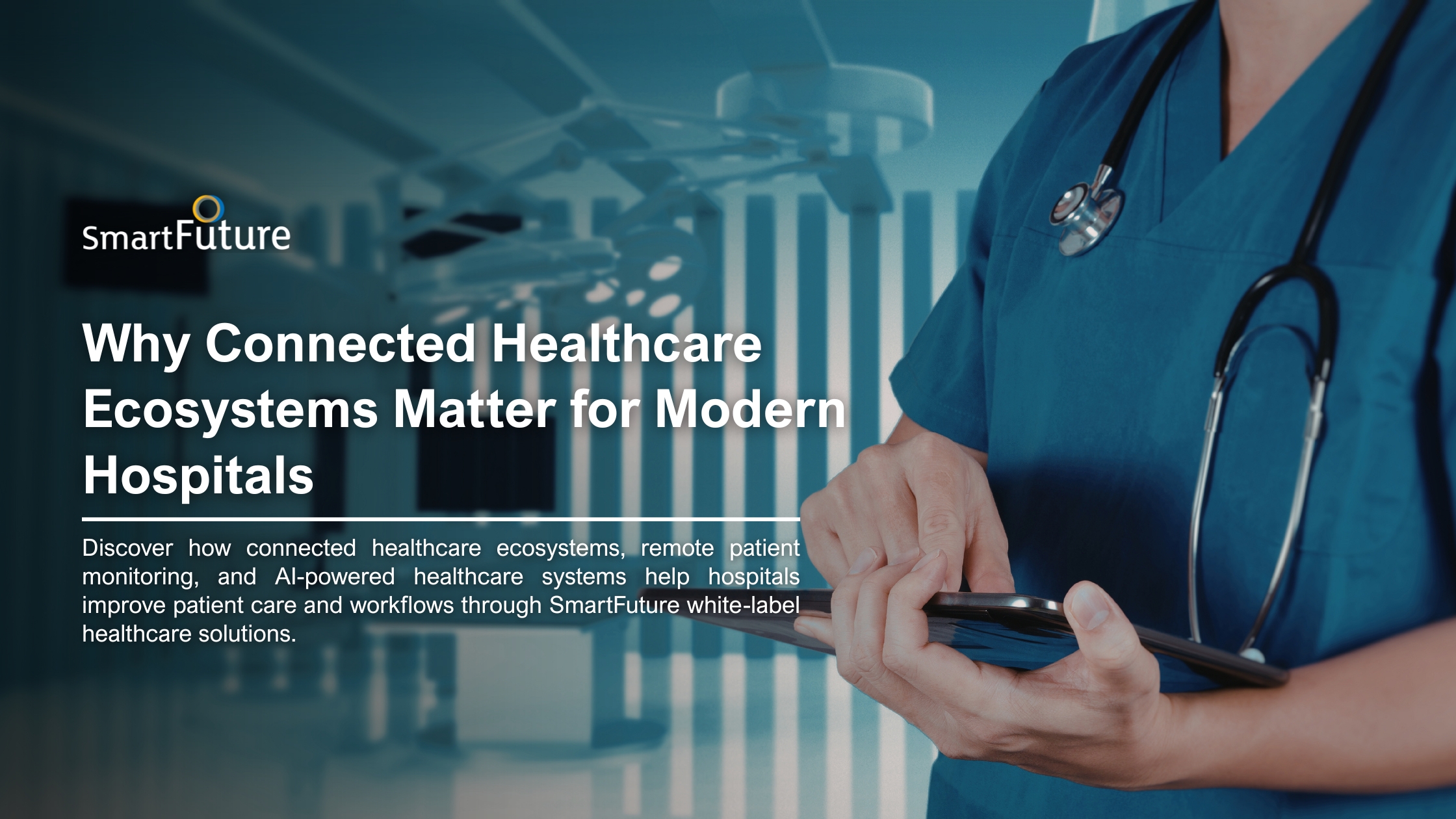

In many modern hospitals, nurses still spend time manually recording patient vital signs, clinicians often need to open multiple systems...
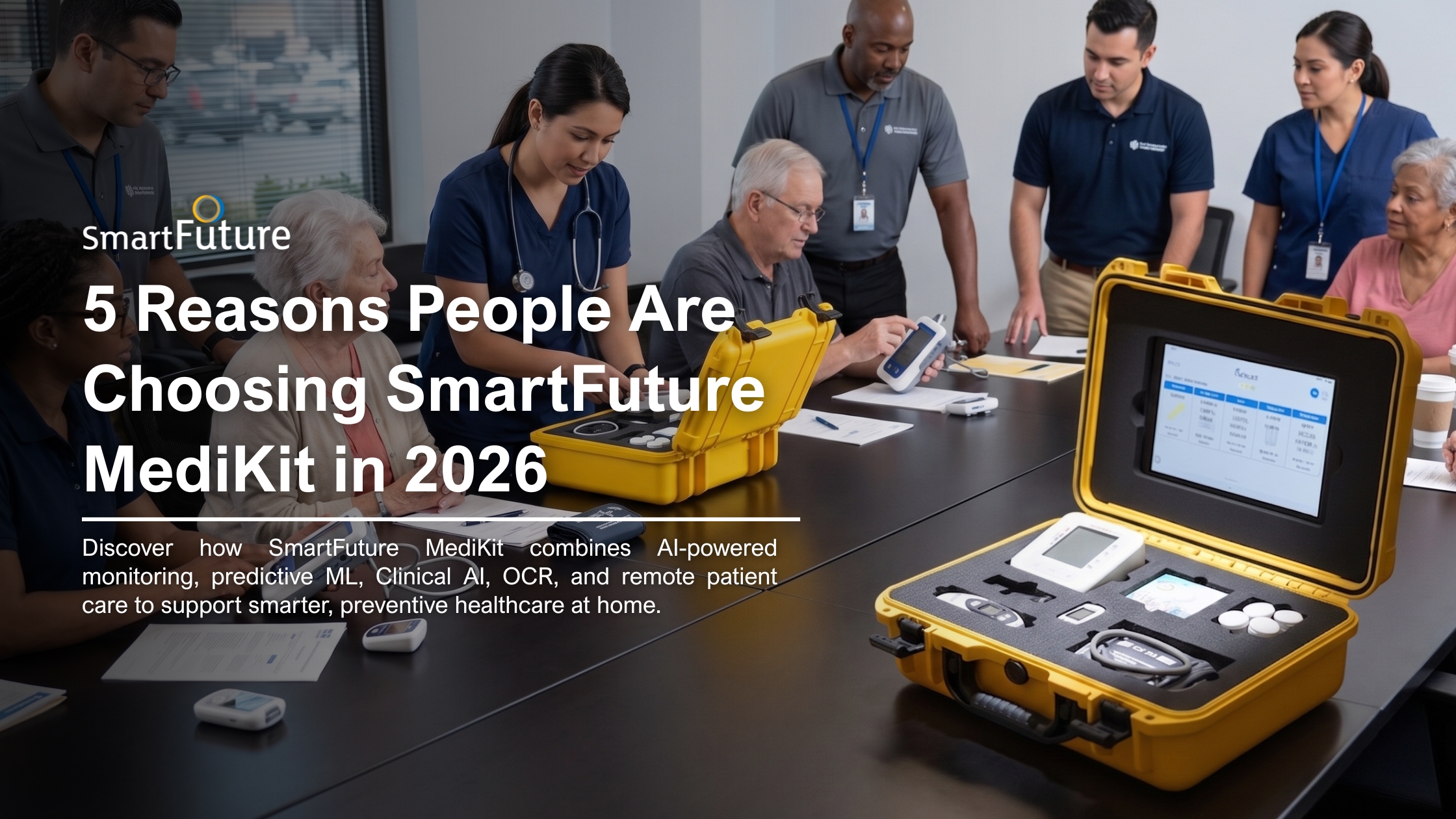
As healthcare systems continue to evolve, people are increasingly seeking solutions that are not only connected and accessible, but also...
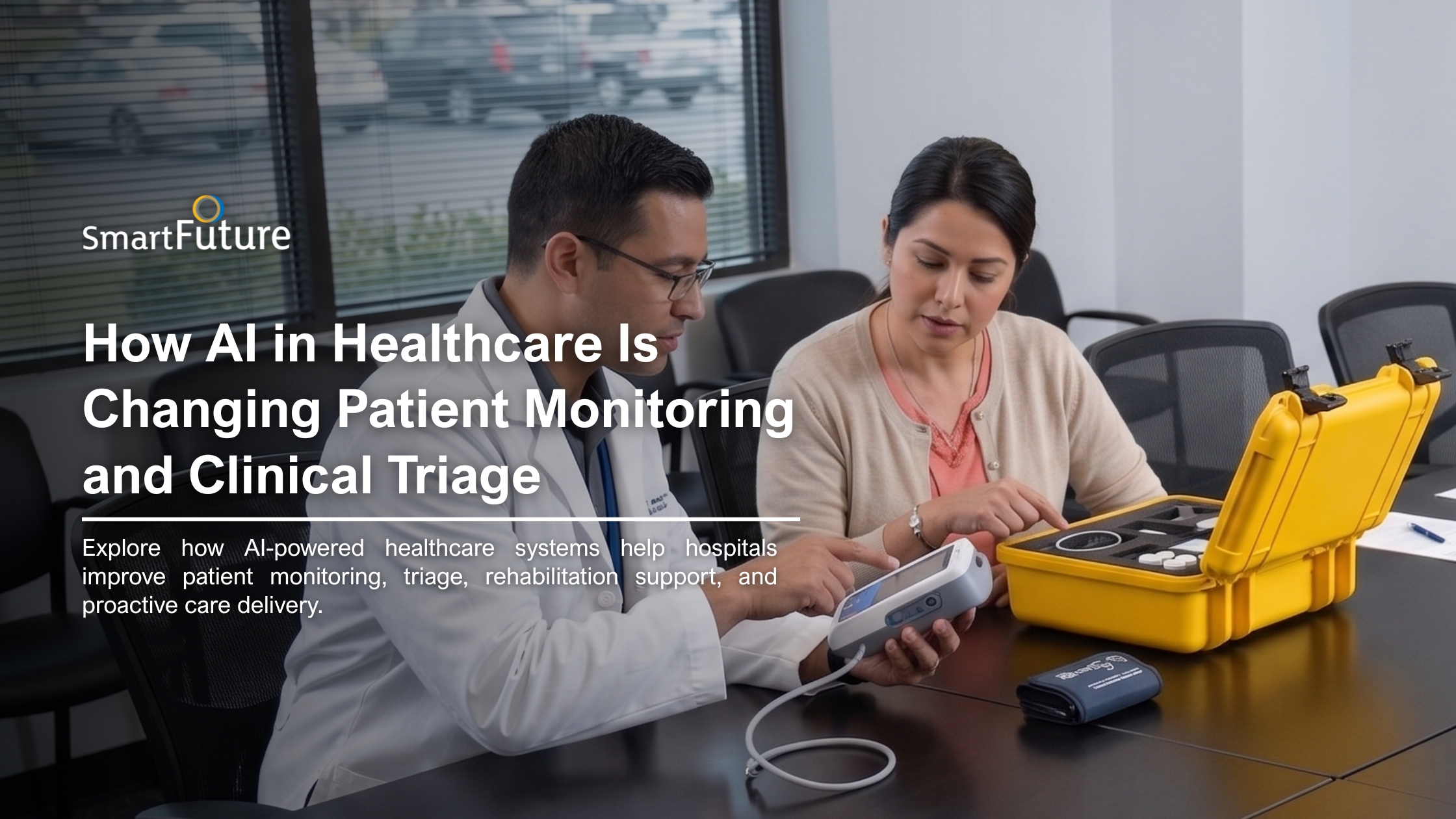
AI in healthcare is becoming increasingly important as healthcare providers around the world continue to face growing and complex challenges....
Follow our newsletter. We will regulary
update our latest
project and availability.

OurSmartFuture is a healthcare technology company specializing in white-label remote patient monitoring solutions for hospitals, clinics, and healthcare organizations worldwide. We help providers extend care beyond traditional settings through secure, scalable patient remote monitoring systems designed for modern healthcare delivery.
© 2026 SmartFuture - All Rights Reserved

 +65 8836 0984
 sales@oursmartfuture.com
 246 Macpherson Road, #03-01 Betime