Remote Monitoring in CPAP and NIV: How Remote Patient Monitoring Improves Sleep Apnea Care

Sleep apnea has become one of the most common yet underdiagnosed sleep disorders worldwide. Characterized by repeated interruptions in breathing during sleep, the condition affects millions of individuals and significantly increases the risk of cardiovascular disease, diabetes, and chronic fatigue.

Continuous Positive Airway Pressure (CPAP) therapy and Non-Invasive Ventilation (NIV) remain the gold standard treatments for moderate to severe sleep apnea. However, despite the effectiveness of these therapies, patient adherence remains a major challenge. Many patients struggle to use their devices consistently, reducing the effectiveness of treatment and increasing the risk of complications.

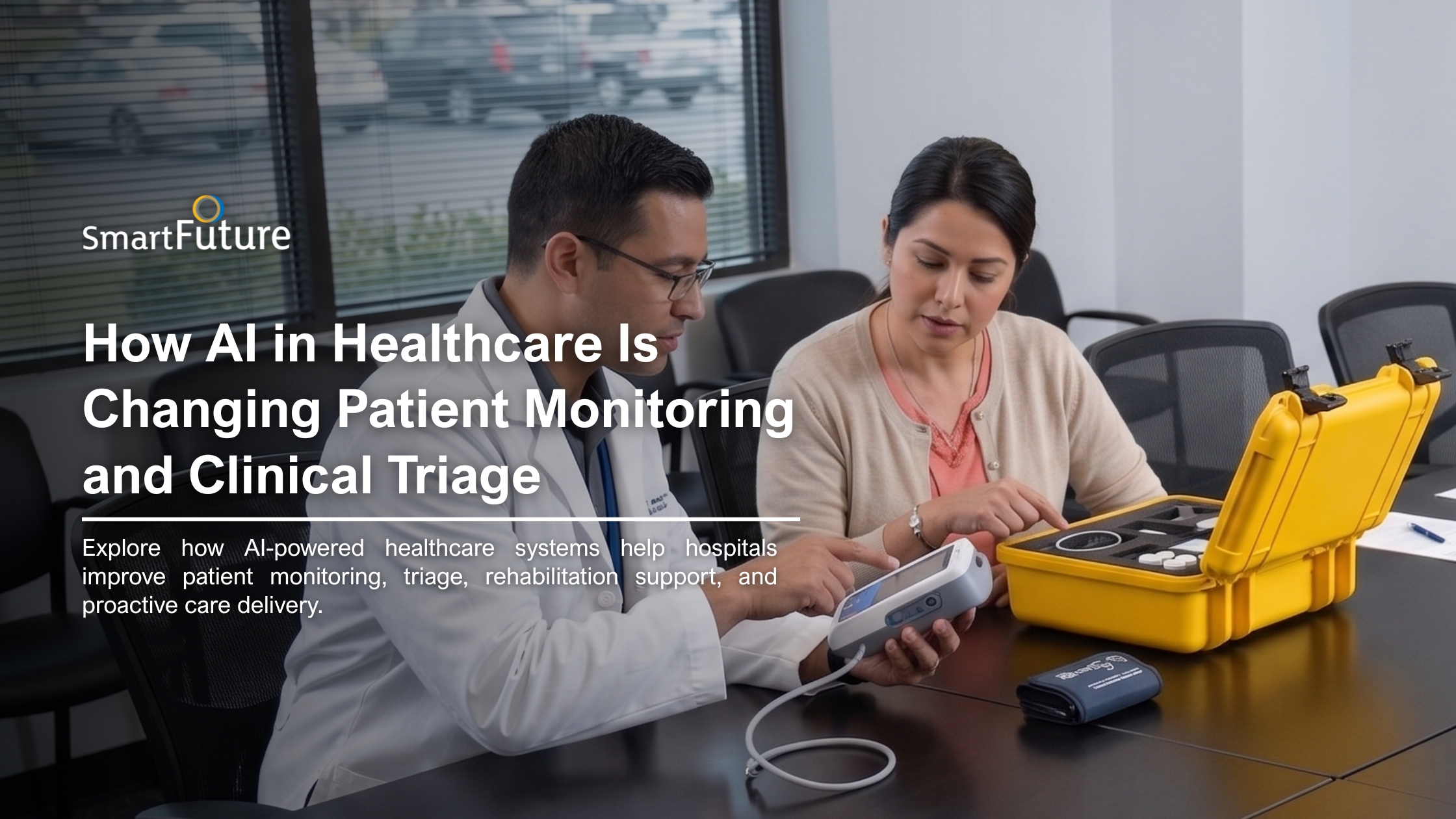
Today, Remote Patient Monitoring (RPM) is transforming the way sleep apnea is managed. By enabling clinicians to monitor patients’ respiratory data in real time, RPM helps improve therapy adherence, detect problems early, and optimize long-term outcomes.

The Growing Burden of Sleep Apnea

Sleep apnea is more than just loud snoring or poor sleep quality. The condition occurs when the airway becomes partially or completely blocked during sleep, leading to pauses in breathing and drops in oxygen levels.

Untreated sleep apnea has been linked to several serious health risks, including:

  • Hypertension
  • Heart disease
  • Stroke
  • Diabetes
  • Daytime fatigue and impaired cognitive function

CPAP and NIV therapies work by delivering pressurized air through a mask to keep the airway open during sleep. When used correctly, these therapies can dramatically improve sleep quality and overall health.

However, the success of treatment depends heavily on patient compliance.

Challenges in Sleep Apnea Treatment

Despite the proven effectiveness of CPAP and NIV therapy, long-term adherence remains relatively low. Many patients discontinue therapy within the first year of treatment. Several factors contribute to this issue.

Poor Compliance

Some patients find CPAP masks uncomfortable or experience difficulty adjusting to sleeping with a machine. Without proper guidance and follow-up, many patients gradually reduce usage or stop altogether.

Lack of Monitoring

Traditionally, sleep therapy relies on periodic clinic visits to evaluate progress. This means clinicians may not detect problems until weeks or months later.

Without continuous monitoring, issues such as mask leaks, poor device usage, or deteriorating respiratory conditions may go unnoticed.

Device Misuse

Incorrect pressure settings, mask positioning, or inconsistent device usage can significantly reduce the effectiveness of therapy.

These challenges highlight the need for more proactive and connected approaches to sleep apnea care.

The Role of Remote Patient Monitoring in Sleep Apnea Management

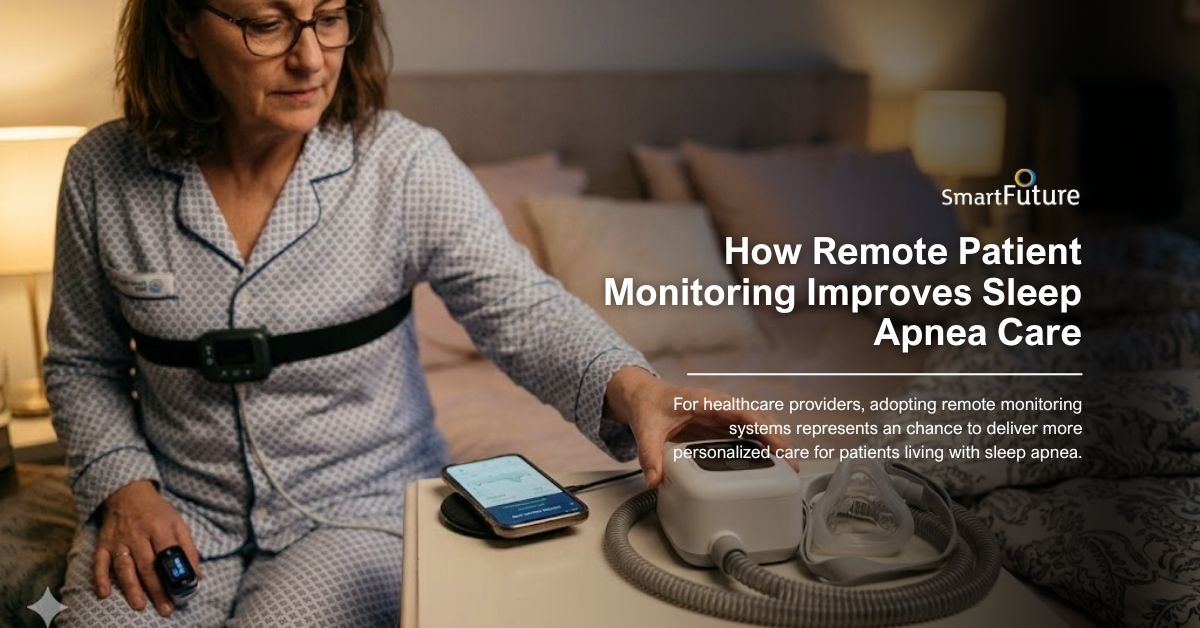
Remote Patient Monitoring (RPM) allows clinicians to track patient data from CPAP or NIV devices while patients remain at home. Through connected medical devices and digital dashboards, healthcare providers can monitor treatment progress and intervene when necessary.

RPM systems collect and analyze a range of critical health metrics.

Monitoring Oxygen Levels

Pulse oximeters integrated into RPM systems measure oxygen saturation throughout the night. Drops in oxygen levels may indicate apnea events or inadequate therapy.

Continuous oxygen monitoring helps physicians assess treatment effectiveness and make timely adjustments.

Tracking Sleep Patterns

RPM platforms can analyze sleep duration, interruptions, and breathing irregularities. These insights provide a more comprehensive view of the patient’s sleep quality.

Detecting Respiratory Events

Advanced sensors can detect apnea episodes, hypopnea events, and breathing irregularities during sleep. This information helps clinicians refine therapy settings and evaluate patient progress.

Monitoring CPAP Device Usage

One of the most valuable features of RPM is tracking how often and how long patients use their CPAP devices.

Clinicians can review data such as:

  • Daily usage hours
  • Mask leakage levels
  • Pressure settings
  • Therapy effectiveness

If usage drops below recommended levels, healthcare providers can contact the patient and provide guidance.

Technologies Enabling Remote Monitoring

Modern sleep apnea care relies on a combination of connected medical devices and digital health platforms.

Smart CPAP Devices

New-generation CPAP machines are equipped with wireless connectivity, allowing therapy data to be automatically transmitted to healthcare providers.

These devices can track usage patterns, detect mask leaks, and adjust pressure levels to optimize therapy.

Pulse Oximetry

Pulse oximeters measure blood oxygen saturation levels during sleep. When integrated into RPM systems, they provide continuous monitoring of respiratory health.

Respiratory Sensors

Respiratory monitoring devices track breathing patterns, airflow, and respiratory rate. These sensors help detect abnormal breathing events during sleep.

Mobile Health Dashboards

Healthcare professionals can access patient data through secure dashboards that display real-time insights and alerts. This allows clinicians to identify potential problems and intervene quickly.

Benefits of Remote Patient Monitoring for Sleep Apnea Care

The integration of RPM into sleep therapy offers several important advantages for both patients and healthcare providers.

Early Intervention

Real-time monitoring enables clinicians to identify issues before they become serious complications. Adjustments to therapy can be made immediately without waiting for the next clinic appointment.

Improved Therapy Adherence

Patients who know their therapy is being monitored are more likely to follow treatment recommendations. Regular feedback and support can significantly increase long-term compliance.

Reduced Complications

By ensuring consistent therapy usage and early detection of problems, RPM helps reduce the risk of cardiovascular complications associated with untreated sleep apnea.

Better Patient Engagement

Remote monitoring platforms often include patient portals that allow individuals to view their own sleep data. This transparency encourages patients to take a more active role in managing their health.

Supporting Sleep Monitoring Ecosystems with Smart Future

As healthcare systems increasingly adopt remote care models, integrated monitoring solutions are becoming essential. Smart Future provides Direct Home Medical Kits designed to support remote monitoring for sleep apnea and respiratory care.

These kits combine medical-grade devices such as pulse oximeters, respiratory monitoring tools, and connected health platforms that allow sleep clinics, respiratory specialists, and hospitals to monitor patients outside traditional clinical settings.

By enabling real-time data collection and remote access for healthcare professionals, Smart Future solutions help create a comprehensive sleep monitoring ecosystem that improves treatment outcomes and patient safety.

The Future of Sleep Apnea Care

Remote Patient Monitoring is rapidly becoming a cornerstone of modern sleep medicine. As digital health technologies continue to evolve, RPM will play an even greater role in improving therapy adherence, reducing healthcare costs, and enhancing patient outcomes.

For sleep clinics and healthcare providers, adopting connected monitoring systems represents an opportunity to deliver more personalized, proactive care for patients living with sleep apnea.

Speak With a Smart Future Consultant

If your clinic or healthcare facility is looking to implement Remote Patient Monitoring for CPAP or NIV therapy, Smart Future can help you build an integrated monitoring system using reliable Direct Home Medical Kits.

Contact a Smart Future consultant today to learn how remote monitoring technology can improve sleep apnea care, enhance patient adherence, and support the future of connected respiratory healthcare.

Speak to our consultants

Tracking Recovery and Performance with Direct Home Medical Tools at the Gym

The modern fitness industry is no longer driven solely by motivation, discipline, and physical endurance. Today’s fitness professionals are increasingly relying on data-driven insights to optimize training, monitor recovery, and prevent injuries. From elite sports teams to everyday gym enthusiasts, the integration of medical-grade monitoring tools is redefining how people approach performance and health.

What was once reserved for hospitals and clinical settings is now entering gyms, rehabilitation centers, and sports facilities. Direct Home Medical Kits, equipped with advanced monitoring devices, are enabling trainers, therapists, and athletes to track vital health metrics in real time. By combining fitness performance data with medical insights, these tools help create safer, smarter, and more effective training environments.

The Rise of Data-Driven Fitness

Over the past decade, wearable fitness trackers and smart watches have popularized the idea of monitoring steps, heart rate, and calories burned. However, as training intensity increases and sports science evolves, basic consumer wearables are no longer enough for athletes who want deeper insights.

Fitness professionals are now turning to medical-grade monitoring devices that measure key health indicators such as blood pressure, oxygen saturation, and heart rhythm. These metrics provide a clearer picture of how the body responds to physical stress and recovery.

For gyms, rehabilitation centers, and sports clinics, integrating these tools into daily training routines allows them to move beyond subjective assessments. Instead of guessing whether an athlete is ready for the next session, trainers can rely on measurable physiological data to guide decisions.

Why Monitoring Matters in Fitness

Intense workouts place significant strain on the body. Without proper monitoring, athletes risk pushing beyond safe physiological limits.

Over training Risks

Over-training is a common issue among dedicated athletes and fitness enthusiasts. Symptoms often include fatigue, declining performance, sleep disturbances, and increased injury risk.

Monitoring tools such as heart rate variability trackers, blood pressure monitors, and recovery indicators can help detect early signs of overtraining. By identifying these warning signals, trainers can adjust workout intensity before performance declines or injuries occur.

Cardiovascular Stress

High-intensity workouts significantly elevate heart rate and blood pressure. While this stress can be beneficial when managed correctly, excessive strain can pose health risks, particularly for individuals with undiagnosed cardiovascular conditions.

Medical monitoring tools allow gyms and sports clinics to measure cardiovascular responses during and after workouts. Tracking these indicators ensures that training programs remain both effective and safe.

Injury Recovery

For athletes recovering from injuries, proper monitoring plays a critical role in rehabilitation. Physiological data can reveal how the body responds to physical therapy sessions, helping professionals determine when an athlete is ready to return to full activity.

This approach reduces the risk of re-injury and ensures that recovery progresses at the right pace.

Direct Home Medical Tools Used in Gyms

Several medical devices are now becoming essential components of modern fitness and rehabilitation facilities. These tools provide accurate physiological insights that go far beyond standard fitness trackers.

Blood Pressure Monitors

Monitoring blood pressure helps identify abnormal cardiovascular responses to training. Regular checks can detect hypertension or unusual stress levels during intense workouts.

Pulse Oximeters

Pulse oximeters measure oxygen saturation levels in the blood. For endurance athletes and high-intensity training programs, maintaining adequate oxygen levels is essential for optimal performance.

ECG Wearable Monitors

Electrocardiogram (ECG) monitors track heart rhythm and detect irregularities such as arrhythmias. These devices are particularly valuable for athletes engaged in intense cardiovascular training.

Smart Thermometers

Body temperature monitoring can indicate early signs of infection, dehydration, or heat stress. This information is crucial for athletes training in high-temperature environments.

Body Composition Monitors

Advanced scales measure body fat percentage, muscle mass, hydration levels, and metabolic indicators. Tracking these metrics helps athletes adjust training and nutrition strategies more effectively.

How Data Improves Training Outcomes

Access to medical-grade health data enables trainers and athletes to make smarter decisions about training intensity, recovery periods, and performance optimization.

Detecting Early Fatigue

Physiological indicators such as elevated resting heart rate or declining oxygen levels may signal fatigue before an athlete feels it physically. Early detection allows trainers to modify workouts and prevent performance decline.

Tracking Cardiovascular Health

Consistent monitoring of heart health ensures that athletes are training within safe cardiovascular limits. Over time, this data can also reveal improvements in endurance and overall fitness.

Improving Performance Analytics

When combined with performance metrics such as speed, strength, and endurance, health data provides a comprehensive picture of athletic progress. This integrated approach helps refine training strategies and maximize results.

Integration with Remote Patient Monitoring

The next evolution of fitness monitoring is the integration of Remote Patient Monitoring (RPM) technologies. RPM systems allow health data collected during workouts to be securely shared with healthcare professionals in real time.

This collaboration between trainers and medical experts offers several benefits:

  • Physicians can monitor athletes with underlying health conditions
  • Abnormal readings can trigger immediate alerts
  • Recovery programs can be supervised remotely

For professional athletes, this level of monitoring ensures that performance optimization never compromises long-term health.

The Future of Medical Monitoring in Sports

As digital health technologies continue to evolve, the future of sports performance will increasingly rely on advanced monitoring systems.

Artificial intelligence may soon analyze physiological data to predict fatigue, injury risks, and optimal recovery schedules. Telehealth platforms will also enable athletes to consult sports physicians without leaving their training environments.

These innovations will transform gyms into data-enabled performance centers, where health monitoring and fitness training work together seamlessly.

Bringing Medical Monitoring to the Gym with Smart Future

For gyms and sports facilities looking to adopt this new approach, integrating medical-grade equipment can often seem complex. However, solutions such as Direct Home Medical Kits from Smart Future are designed to simplify the process.

Smart Future provides comprehensive direct home medical monitoring kits that include devices such as blood pressure monitors, pulse oximeters, and digital health tracking tools. These kits allow gyms to implement professional health monitoring without requiring hospital-level infrastructure.

By equipping trainers, therapists, and athletes with reliable medical data, Smart Future helps fitness facilities elevate their services while prioritizing safety and recovery.

Speak to our consultants

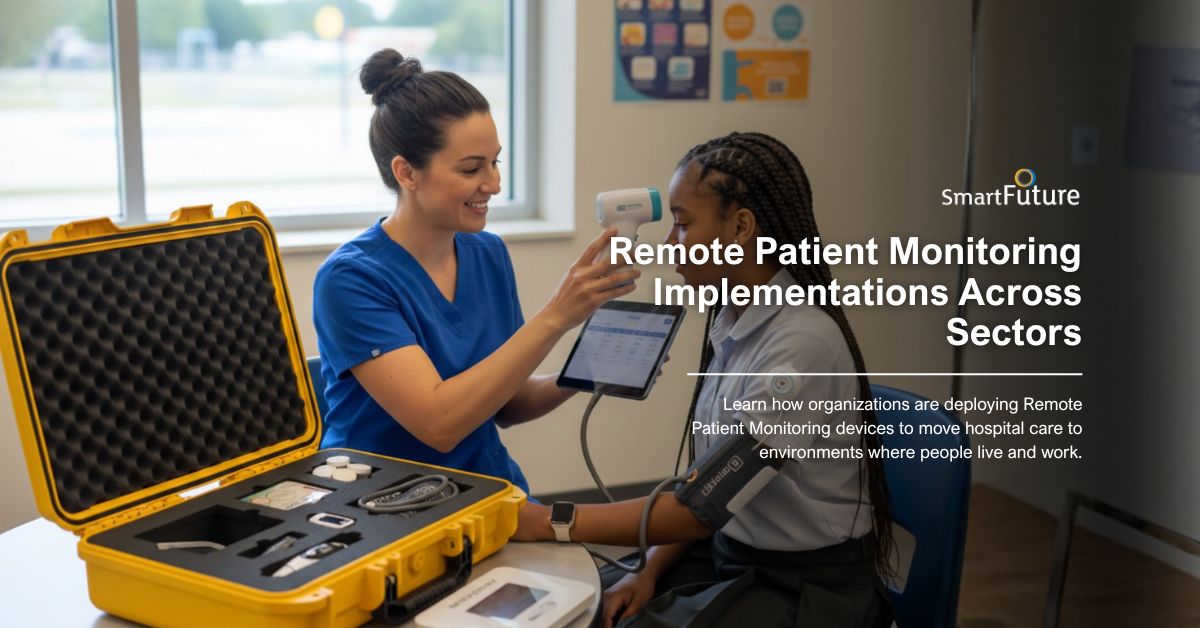
Remote Patient Monitoring Implementation: 9 Applications Transforming Care Across Locations

The World Health Organization has identified remote patient monitoring as one of the healthcare delivery models with the potential to significantly improve global health outcomes.

What began as a chronic-disease management tool is now evolving into infrastructure, embedded across workplaces, campuses, homes, offshore sites, and even cruise vessels.

From industrial safety to elderly care, organizations are deploying connected medical devices to move care beyond hospitals and into the environments where people live and work.

Below are nine real-world remote patient monitoring examples reshaping healthcare delivery by location.

1. Schools: Managing Student Health at Scale

Educational institutions are increasingly responsible for managing chronic conditions such as asthma, diabetes, and epilepsy among students. School nurses cannot be everywhere at once.

Remote patient monitoring allows schools to deploy connected devices,  such as glucometers and pulse oximeters,  that securely transmit readings to healthcare providers or designated administrators. In larger districts, centralized dashboards enable early intervention before a condition escalates.

In post-pandemic education environments, RPM also supports temperature and respiratory monitoring during outbreaks, helping administrators respond to trends instead of isolated incidents.

Impact:

  • Faster response to student health events
  • Reduced emergency transfers
  • Better coordination with parents and providers

2. Corporate Offices: Preventive Health as Workforce Strategy

The modern workplace is increasingly tied to health outcomes. Employers managing distributed teams are using remote patient monitoring solutions to support hypertension management, metabolic health, and stress monitoring.

Wearables and connected blood pressure monitors allow HR-linked wellness programs to monitor aggregate trends while preserving individual privacy. For employees with chronic conditions, providers can monitor adherence and adjust treatment plans without requiring time off for clinic visits.

The shift is particularly pronounced in countries facing clinician shortages, where virtual care flexibility is becoming a permanent policy.

Impact:

  • Lower absenteeism
  • Stronger preventive care culture
  • Data-driven employee wellness strategies

3. Nursing Homes: Continuous Oversight Without Increasing Staffing

As aging populations expand, long-term care facilities face resource constraints. Remote patient monitoring devices provide continuous visibility into residents’ vitals, reducing reliance on manual checks.

Smart blood pressure cuffs, fall-detection wearables, and connected weight scales allow caregivers to detect deterioration early. In high-risk populations, RPM has been linked to reduced hospitalization rates and improved chronic disease control.

Some facilities now operate centralized “command hubs,” where technicians review incoming data streams and escalate only clinically relevant alerts ,  minimizing noise while preserving vigilance.

Impact:

  • Improved patient safety
  • Fewer avoidable hospital transfers
  • Better chronic disease management

4. Hospitals: Extending Care Beyond Discharge

Hospital at Home programs rely heavily on remote patient monitoring systems. After discharge, patients recovering from surgery or acute illness can be monitored using FDA-approved devices that track heart rate, oxygen saturation, glucose levels, and mobility patterns.

Clinicians access real-time data integrated into electronic health records, allowing them to intervene before complications escalate. For overstretched hospitals, this translates into better bed turnover and capacity management.

Virtual clinical trials are also increasingly built on RPM foundations, expanding recruitment diversity while improving protocol adherence.

Impact:

  • Reduced readmissions
  • Better postoperative outcomes
  • Expanded research participation

5. Evacuation Fields and Disaster Zones: Stabilizing Care in Transit

In emergency evacuation scenarios, natural disasters, conflict zones, or mass casualty events, monitoring continuity becomes critical.

Portable remote patient monitoring devices allow responders to transmit ECG readings, oxygen levels, and blood pressure data from the field to receiving hospitals. This ensures the receiving team is prepared before arrival.

In evacuation centers, wearable devices support triage by identifying vulnerable individuals whose vitals signal emerging distress.

Impact:

  • Improved triage accuracy
  • Faster stabilization
  • Better coordination between field and hospital teams

6. Industrial Sites: Safety in High-Risk Environments

Offshore rigs, mining sites, and energy platforms often operate hours from the nearest hospital. Remote patient monitoring in industrial settings provides a safety net.

Workers can be equipped with biometric wearables tracking heart rate, oxygen saturation, and fatigue indicators. In case of an incident, clinicians onshore receive immediate patient data to guide intervention while medevac arrangements are underway.

Studies in offshore wind farms and oil platforms demonstrate that telemedical integration systems can successfully transmit real-time vitals via satellite connections, enabling timely emergency decisions.

Impact:

  • Reduced mortality risk
  • Enhanced occupational safety compliance
  • Lower evacuation costs

7. Residential Housing Developments: Community Health Infrastructure

Residential communities, especially senior housing, are incorporating remote monitoring as part of shared healthcare infrastructure.

Motion sensors, temperature monitors, and connected scales allow caregivers or community health partners to detect early warning signs of illness or mobility decline. For elderly residents living independently, RPM extends autonomy while ensuring oversight.

In urban housing, community-level dashboards help public health officials identify disease trends and respond proactively.

Impact:

  • Safer independent living
  • Reduced emergency service utilization
  • Improved population health tracking

8. Home and Family Care: Managing Chronic Conditions Daily

For families managing diabetes, hypertension, COPD, or heart disease, remote patient monitoring offers peace of mind.

Continuous glucose monitors, Bluetooth-enabled blood pressure cuffs, and smart scales transmit data directly to providers. Patients gain visibility into their health trends, encouraging lifestyle adjustments and medication adherence.

Research indicates that RPM is particularly effective for hypertension and congestive heart failure management, reducing hospitalizations and improving long-term outcomes.

Impact:

  • Stronger patient engagement
  • Fewer ER visits
  • Empowered self-management

9. Cruise Ships & Maritime Healthcare Reinvented

Cruise operators function as floating cities. When medical incidents occur at sea, evacuation may take hours.

Onboard remote patient monitoring solutions enable ship medical teams to transmit vitals, ECG readings, and ultrasound data to land-based specialists. This remote collaboration improves triage accuracy and treatment quality.

In high-density passenger environments, RPM also supports infection monitoring and outbreak management.

Impact:

  • Faster specialist consultation
  • Improved passenger safety
  • Reduced diversion costs

Remote Patient Monitoring Explained

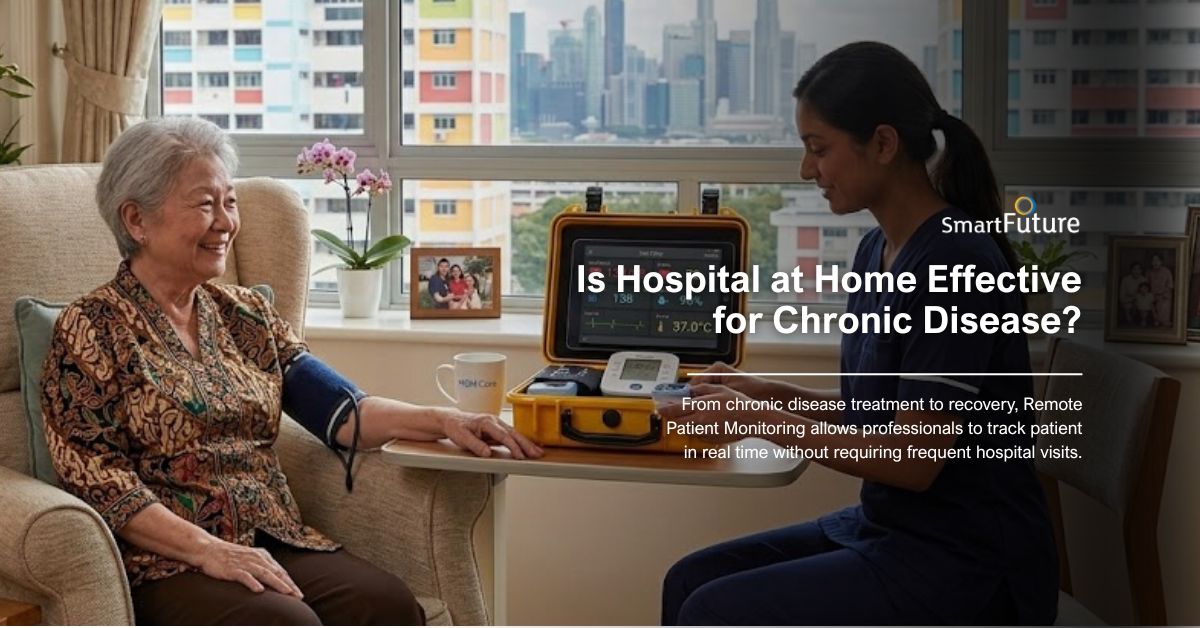
Remote patient monitoring allows clinicians to access connected at-home or mobile medical devices,  including blood pressure cuffs, glucometers, pulse oximeters, ECG systems, and wearables,  to monitor chronic and acute conditions.

Some systems require periodic self-testing. Others operate continuously, streaming data directly into electronic health records. Bring-your-own-device models allow patients to connect smartwatches and smartphones, while enterprise-grade systems deploy dedicated FDA-cleared equipment.

As the line between monitoring and therapeutic devices evolves, regulatory oversight remains critical. Manufacturers and healthcare organizations must ensure compliance with safety, efficacy, and data protection.

Security and Integration: The Enterprise Imperative

Data security remains central to RPM adoption. Healthcare organizations must ensure patient data is stored in secure environments with role-based access control.

Interoperability is equally important. Integration with EHR systems, often through FHIR standards, ensures that clinicians can access continuous health status data without disrupting their workflows.

Automated analytics tools are increasingly deployed to filter signal from noise, surfacing only clinically relevant alerts.

The Strategic Value of Remote Patient Monitoring

Remote patient monitoring is no longer confined to chronic disease management. It is supporting:

  • Value-based care models
  • Population health management
  • Workforce health programs
  • Disaster response readiness
  • Maritime and industrial safety

For healthcare providers, RPM enables earlier intervention and stronger data-driven decisions. For organizations, it reduces operational risk and improves efficiency. For patients, it provides visibility and reassurance.

The Future: Monitoring from Anywhere

As regulatory frameworks evolve and telehealth flexibility expands, remote patient monitoring is moving from pilot programs to permanent infrastructure.

Organizations that treat RPM as a strategic capability, rather than a temporary tool,  will be better positioned to manage capacity, improve outcomes, and extend care into the environments where it is most needed.Monitoring care from anywhere isn’t just a trend; it’s the future of health.

At SmartFuture, we’re laying the digital foundation for continuous, borderless care. Consult with our team and become a part of the healthcare revolution.

10 Common Remote Patient Monitoring Devices Transforming Modern Healthcare

Remote Patient Monitoring devices (RPM) are no longer an experimental model of care. It is becoming a structural pillar of healthcare delivery.

The World Health Organization has identified remote patient monitoring as one of the healthcare delivery models with the potential to improve global health outcomes at scale.

By enabling clinicians to collect real-time data from patients outside traditional facilities through Remote Patient Monitoring Devices, it supports earlier intervention, better disease management, and improved long-term outcomes.

What Is Remote Patient Monitoring?

Remote patient monitoring refers to medical devices used to track and transmit a patient’s physiological data to healthcare providers in real time, from outside a traditional clinical setting. It allows clinicians to access health data from connected, at-home, or mobile devices to manage chronic and acute medical conditions.

These devices measure vital indicators such as:

  • Blood pressure
  • Glucose levels
  • Oxygen saturation
  • Cardiac rhythms
  • Temperature
  • Weight fluctuations

Some RPM devices require patients to take measurements manually. Others operate continuously, sending data directly to electronic health records. Increasingly, systems support “bring your own device” models, where patients use smartwatches or personal health trackers to transmit information securely.

Integrating specific Remote Patient Monitoring (RPM) devices into clinical workflows is essential for capturing the “physiologic data” required for modern reimbursement models and proactive care.

By 2026, the technology has moved toward cellular-first connectivity, ensuring that data transmits automatically without requiring patients to navigate complex Bluetooth pairing.

Below are the 10 most common devices currently shaping healthcare systems:

10 Common Remote Patient Monitoring Devices

1. Blood Pressure Cuff

10 Common Remote Patient Monitoring Devices in Modern Healthcare
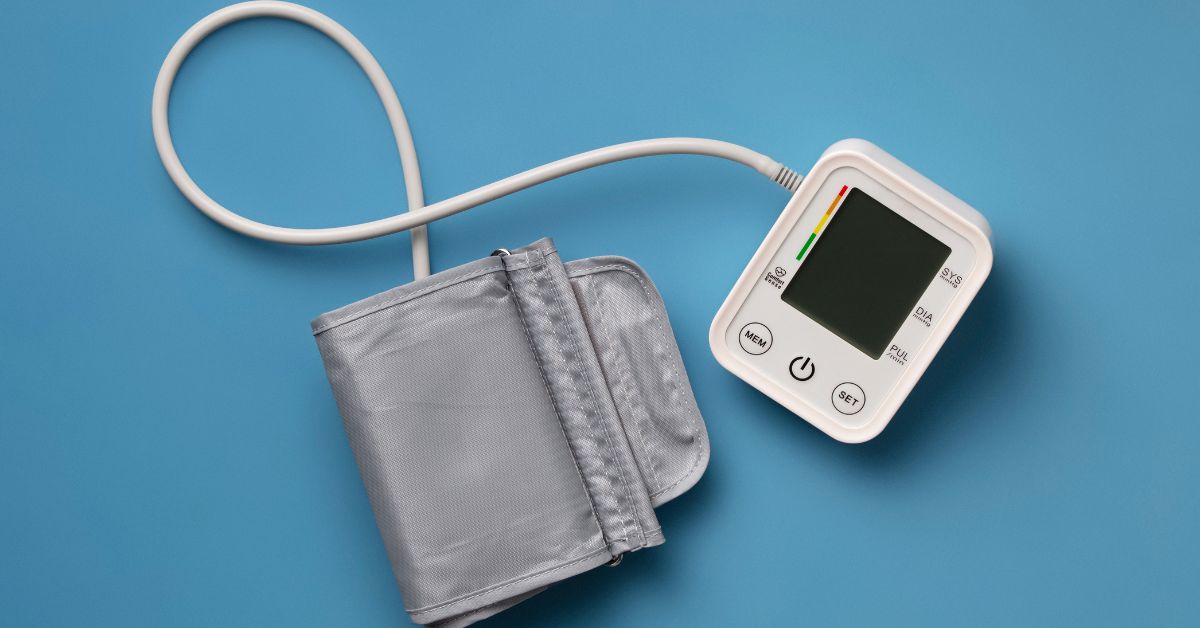
blood pressure cuff. Source: Freepik

The Bluetooth-enabled blood pressure cuff remains one of the most widely adopted RPM devices.

Hypertension is a leading risk factor for heart disease and stroke. Remote blood pressure monitoring allows clinicians to detect:

  • Masked hypertension
  • White coat hypertension
  • Medication inefficiencies
  • Early cardiovascular deterioration

Unlike a single in-clinic reading, daily monitoring offers a more accurate profile of a patient’s cardiovascular stability.

At SmartFuture, we integrate blood pressure data into centralized dashboards, allowing care teams to identify trends rather than isolated spikes.

2. Glucometer and Continuous Glucose Monitor (CGM)

10 Common Remote Patient Monitoring Devices in Modern Healthcare
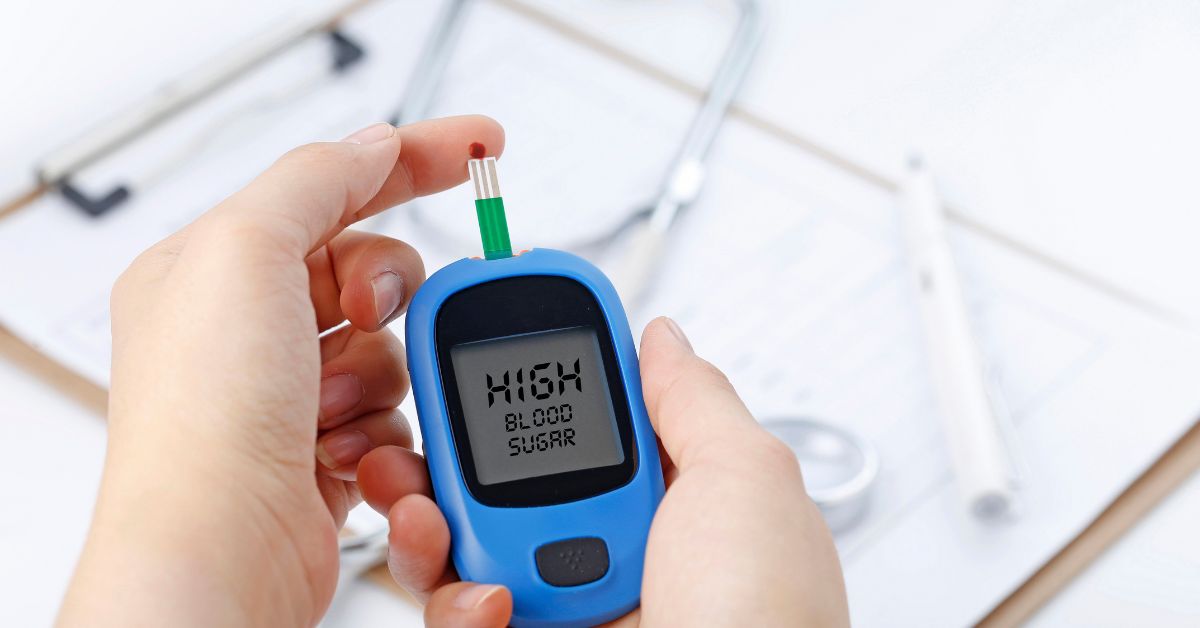
Glucose meter. Source: Freepik

Diabetes management has been transformed by remote monitoring.

Traditional glucometers measure glucose through finger-prick testing. Continuous glucose monitors (CGMs) use small sensors inserted under the skin to transmit glucose readings at regular intervals.

RPM-enabled glucose monitoring allows providers to:

  • Detect abnormal fluctuations
  • Adjust insulin dosing remotely
  • Improve A1c control
  • Reduce emergency visits

The integration of glucose monitoring into structured RPM programs has also expanded into virtual clinical trials, where real-time adherence tracking accelerates research outcomes.

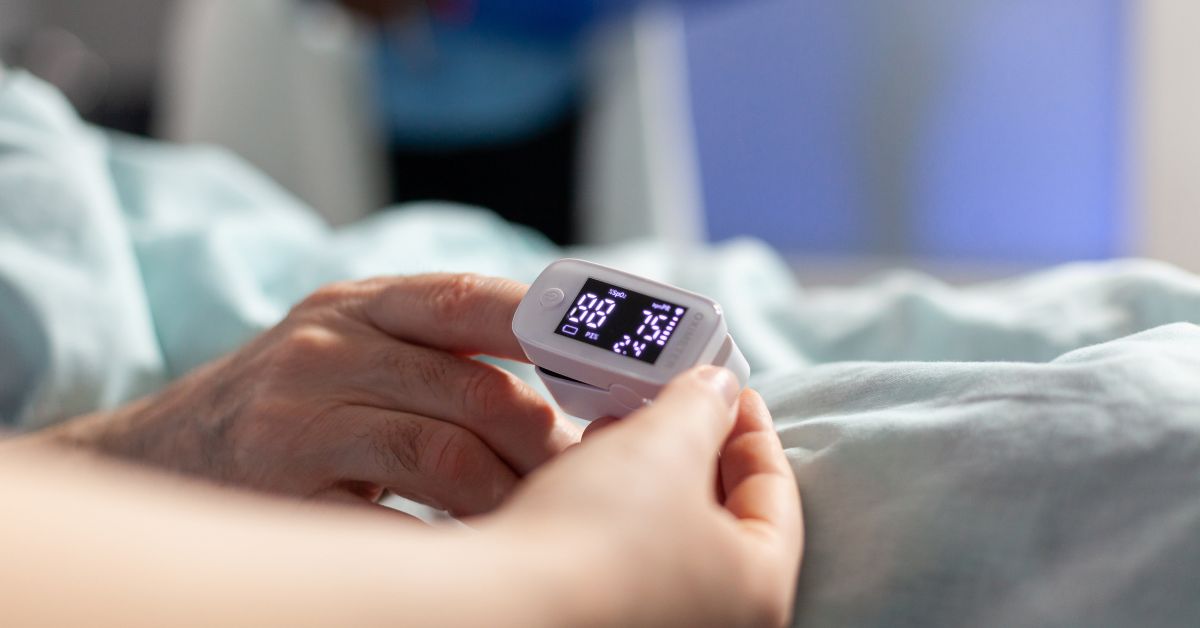
3. Pulse Oximeter

10 Common Remote Patient Monitoring Devices in Modern Healthcare
Pulse Oxymeter. Source: Freepik

Pulse oximeters measure oxygen saturation and heart rate through non-invasive sensors.

Their importance surged during the COVID-19 pandemic, but their value extends to:

  • COPD management
  • Postoperative monitoring
  • Pneumonia detection
  • Oncology care

When oxygen levels drop below defined thresholds, alerts trigger rapid clinical review.

SmartFuture systems ensure these alerts are actionable, filtering signal from noise to prevent clinician overload.

4. Remote ECG (Electrocardiogram) Monitors

Remote ECG devices have evolved dramatically.

Previously bulky and clinic-dependent, modern ECG patches or portable monitors stream cardiac rhythm data directly to monitoring centers.

They are critical for:

  • Detecting arrhythmias
  • Monitoring heart failure
  • Assessing post-surgical cardiac recovery

Some healthcare systems have established dedicated “command centers” to analyze incoming ECG data, allowing technicians to escalate abnormal readings instantly.

Continuous cardiac oversight has shifted cardiology from reactive to predictive care.

5. Peak Flow Meter

Peak flow meters measure how quickly patients can exhale air, helping track lung function over time.

Bluetooth-enabled versions transmit data directly to providers, supporting:

  • Asthma management
  • Chronic bronchitis monitoring
  • Emphysema progression tracking

Gradual declines in lung capacity can signal deterioration long before patients feel symptoms.

Continuous respiratory insight reduces avoidable hospital admissions.

6. Wearable Devices and Activity Trackers

Smartwatches and wearable sensors are increasingly integrated into remote patient monitoring programs.

They track:

  • Heart rate
  • Sleep cycles
  • Step counts
  • Stress markers
  • Fall risk

Advanced wearables offer continuous monitoring through adhesive patches capable of tracking multiple biomarkers simultaneously.

While consumer-grade wearables support engagement, FDA-cleared medical-grade devices offer higher diagnostic reliability. SmartFuture supports both structured clinical-grade integrations and secure “bring your own device” pathways.

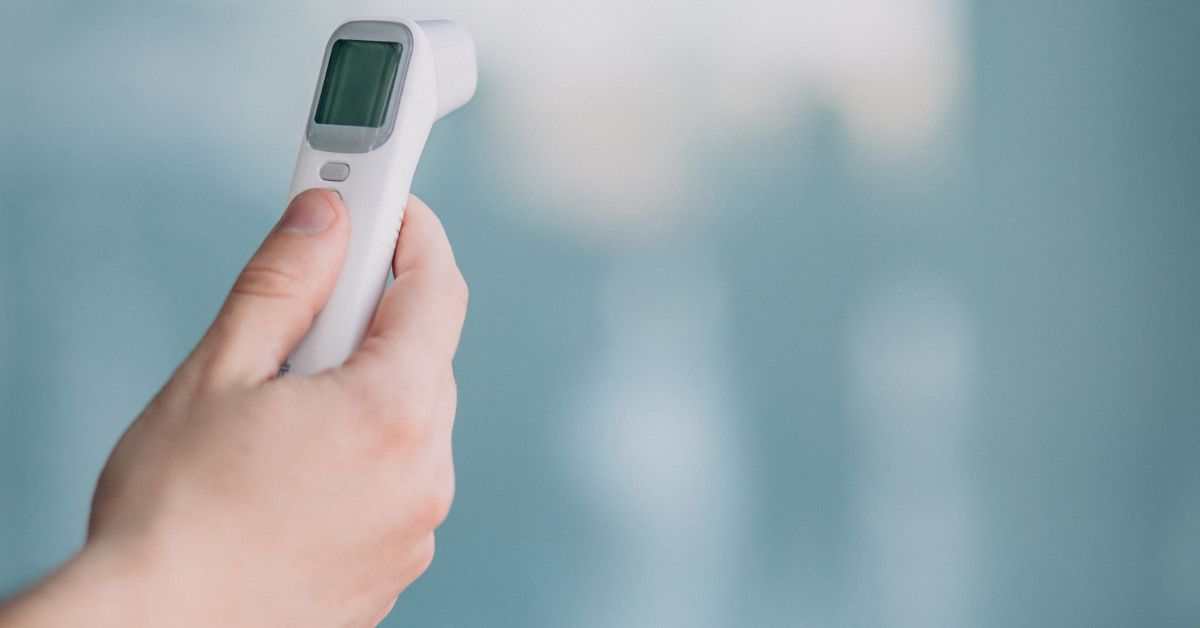
7. Digital Thermometer

10 Common Remote Patient Monitoring Devices in Modern Healthcare
Digital Thermometer. Source: Freepik

Remote thermometers measure and transmit body temperature automatically.

Though simple in design, temperature is often the earliest signal of:

  • Infection
  • Post-surgical complications
  • Immune system suppression
  • Cancer-related deterioration

During pandemic surges, temperature monitoring played a central role in triage decisions and outbreak containment.

In modern RPM ecosystems, temperature data feeds into multi-metric dashboards for contextual analysis.

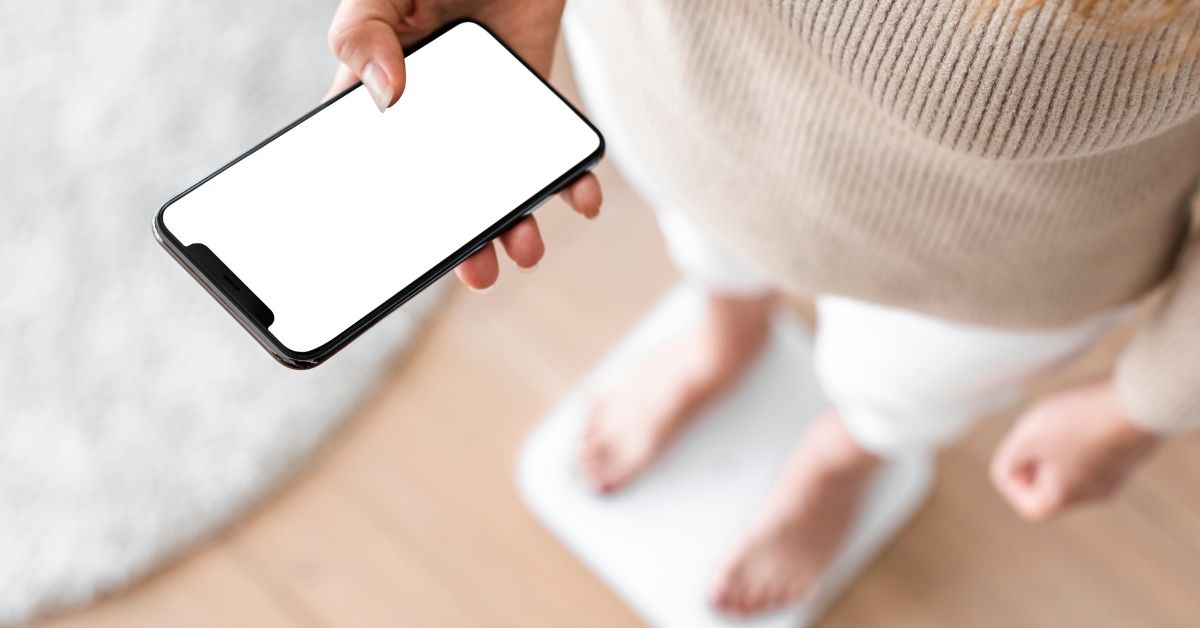
8. Wireless Scale

10 Common Remote Patient Monitoring Devices in Modern Healthcare
Wireless Scale . Source: Freepik

Wireless scales monitor weight fluctuations remotely.

For heart failure patients, sudden weight gain may indicate fluid retention. For obesity management, long-term trends reflect behavioral and metabolic changes.

Some FDA-approved scales now measure both weight and biofluid retention, helping predict heart failure episodes earlier than symptom onset.

By integrating scale data with medication management protocols, clinicians can adjust treatment before hospitalization becomes necessary.

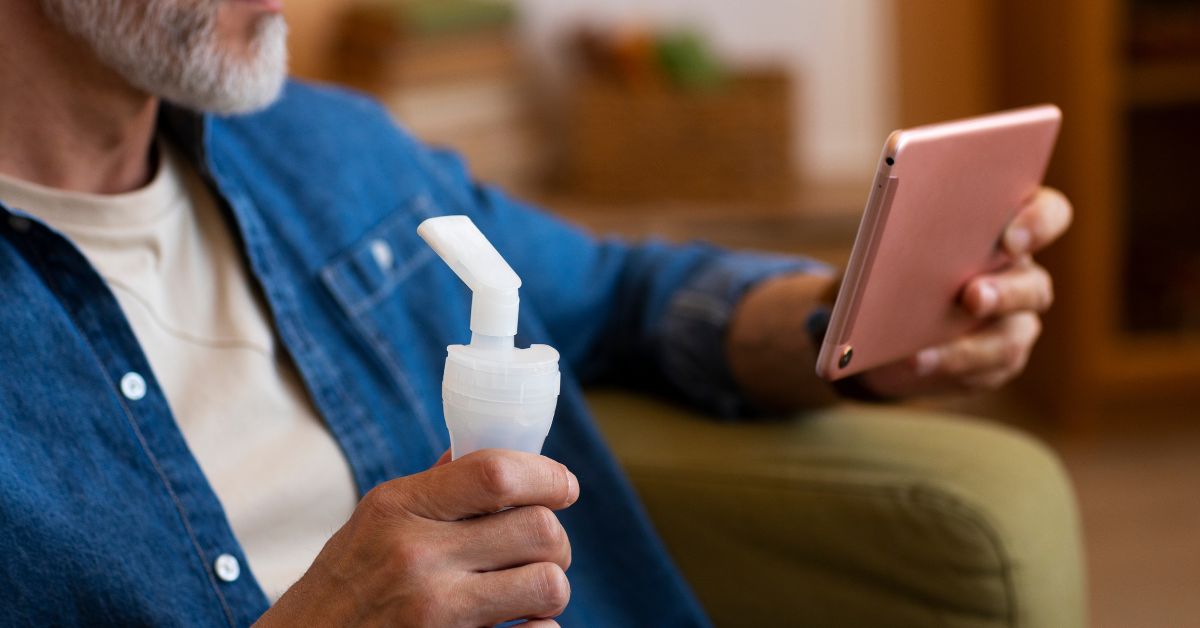
9. Smart Inhalers

10 Common Remote Patient Monitoring Devices in Modern Healthcare
Smart inhaler device. Source: Freepik

Smart inhalers track usage patterns and medication adherence.

For asthma and COPD patients, they provide insight into:

  • Frequency of rescue inhaler use
  • Missed maintenance doses
  • Environmental triggers

Data-driven inhaler monitoring supports personalized respiratory management and reduces emergency exacerbations.

10. Maternal and Fetal Remote Monitoring Devices

Remote maternal monitoring devices measure fetal heart rate and uterine activity.

These systems:

  • Reduce unnecessary hospital visits
  • Enable early detection of complications
  • Support safer pregnancies in rural or underserved areas

The World Health Organization reports nearly 2 million stillbirths annually, many linked to delayed intervention. Remote maternal monitoring strengthens prenatal oversight and emergency preparedness.

Why Remote Patient Monitoring Devices Matter Now

The expansion of RPM is not solely technological. It is structural.

Following the COVID-19 pandemic, telehealth restrictions were eased across the United States. Reimbursement for RPM increased 19-fold between 2019 and 2021. Medicaid programs in 34 states now cover RPM services.

Meanwhile, clinician shortages, especially in rural areas, are driving demand for scalable remote monitoring solutions.

Healthcare systems are shifting toward value-based care models, where compensation is tied to outcomes rather than volume. RPM devices provide the data backbone required for:

  • Early detection
  • Chronic disease management
  • Reduced readmissions
  • Population health analytics

The Infrastructure Behind the Devices

Devices alone do not define a successful RPM strategy.

Healthcare organizations must evaluate:

1. Data Security

Patient data must be encrypted, securely stored, and access-controlled.

2. Interoperability

RPM devices must integrate seamlessly with EHR systems. Compliance with standards such as FHIR ensures consistent data exchange.

3. User Experience

Patients must receive training and ongoing support to prevent misuse or device abandonment.

4. Intelligent Filtering

Continuous devices generate vast data streams. AI-powered systems are essential to surface meaningful insights while reducing clinician fatigue.

At SmartFuture, we design RPM ecosystems that connect medical devices, dashboards, and workflows into unified, scalable infrastructures.

Remote Patient Monitoring: From Devices to Decision-Making

Remote patient monitoring devices augment in-person care rather than replace it.

For providers, RPM delivers:

  • Timely detection of health deterioration
  • Streamlined workflows
  • Improved patient volume management
  • Integration with electronic health records
  • Enhanced clinical decision-making

For patients, RPM provides:

  • Greater engagement
  • Reduced travel burden
  • Increased confidence in managing chronic conditions
  • Higher satisfaction rates

The SmartFuture Perspective

Remote patient monitoring devices are redefining how healthcare is delivered.

As healthcare systems confront workforce shortages, aging populations, and rising chronic disease burdens, scalable RPM programs will determine who can deliver sustainable, high-quality care.

At SmartFuture, we believe the future of healthcare will not be defined by the walls of a hospital, but by the intelligence of its monitoring infrastructure.

Schedule a consultation today to join the evolution of healthcare and medical device innovation.

Resident Tracking to Improve Community Safety

Ensuring resident safety while meeting regulatory requirements remains a persistent challenge for healthcare and senior care organizations.

As care environments become more complex and resident needs more varied, traditional supervision methods are often no longer sufficient. This has led many organizations to explore real-time resident tracking solutions as part of a broader approach to safety, accountability, and healthcare compliance technology.

The Evolving Risk Landscape in Community Care Environments

Senior care facilities, assisted living communities, and long-term care providers operate in environments where resident movement is constant and often unpredictable. Risks such as wandering, delayed response to incidents, or unaccounted movement can have serious consequences, not only for resident wellbeing but also for organizational compliance.

Regulatory frameworks increasingly expect organizations to demonstrate:

  • Clear duty-of-care protocols
  • Timely response to safety incidents
  • Accurate documentation of resident oversight

Manual logs and periodic checks, while still important, offer limited visibility in real time. This gap between expectation and operational reality is where technology-based solutions are increasingly being considered.

What Real-Time Resident Tracking Actually Addresses in Community Safety

Improving Safety with Real-Time Resident Tracking
The Resident Tracking Solutions design supports situational awareness, giving care teams timely, accurate information that helps them respond appropriately when it matters most.

The Resident Tracking Solutions design supports situational awareness, giving care teams timely, accurate information that helps them respond appropriately when it matters most.

A Resident Tracking Solution is not about surveillance. At its core, it supports situational awareness, giving care teams timely, accurate information that helps them respond appropriately when it matters most.

When implemented responsibly, real-time tracking can help organizations:

  • Identify unusual movement patterns
  • Reduce response time during safety incidents
  • Improve coordination among care staff
  • Maintain clearer records aligned with compliance requirements

These outcomes directly support both resident safety and organizational accountability, two priorities that link closely in modern care settings.

Compliance Is No Longer Only About Documentation

Healthcare compliance technology has traditionally focused on reporting and record-keeping. While documentation remains essential, regulators and auditors increasingly examine whether systems in place actively support safe care delivery.

Real-time resident tracking contributes to compliance by:

  • Providing verifiable data on response times
  • Supporting incident review and root-cause analysis
  • Demonstrating proactive risk management

In this context, compliance becomes less about retroactive paperwork and more about preventive systems that reduce the likelihood of adverse events occurring in the first place.

Balancing Safety, Privacy, and Operational Reality in Public Safety Net


View this post on Instagram


A post shared by SmartFuture (@smartfuture.sg)

One of the most important considerations for any resident tracking solution is balance. Care organizations must weigh safety benefits against privacy concerns, staff workload, and operational fit.

Successful deployments tend to share several characteristics:

  • Clear policies governing when and how tracking data is used
  • Transparency with residents and families
  • Integration into existing care workflows rather than adding complexity

When tracking systems are treated as part of a broader safety framework, they are more likely to be accepted by staff and trusted by stakeholders.

Why Infrastructure – Thinking Program Matters

Organizations that approach resident tracking as a one-off technology purchase often struggle to realize long-term benefits. In contrast, those view it as part of a healthcare compliance technology infrastructure are positioned better to scale and adapt.

Infrastructure-focused approaches emphasize:

  • Consistency across facilities
  • Alignment with regulatory standards
  • Long-term operational sustainability

This perspective shifts the conversation from “monitoring residents” to supporting safer care environments.

Looking Ahead: The Use of Home Direct MediKit in Improving Health Awareness

As care models continue to evolve, expectations around safety and compliance will only increase. Real-time resident tracking solutions, when implemented thoughtfully, can help organizations meet these expectations without compromising dignity or trust.

The most effective strategies focus not on technology alone, but on how technology supports people, such as residents, caregivers, and organizations alike.

For healthcare and senior care organizations evaluating how to strengthen safety and compliance frameworks, understanding how resident tracking fits within a broader care infrastructure is an important starting point. Exploring solution models, governance considerations, and real-world applications can help decision-makers determine whether such systems align with their operational and regulatory needs.

Speak with our team to understand how resident tracking solutions can be adapted to your operational and regulatory needs.

Discuss Resident Tracking in Your Care Environment

Optimize Cruise Staff: Home Medical Kit for Emergency Patient Care During Travel

Managing guest and crew health mid-ocean creates a complex logistical challenge for cruise lines. In a modern cruise environment, health issues can quickly disrupt the guest experience and place strain on onboard resources. Passengers often find it difficult to perform quick, regular health checks outside the medical bay, especially for minor concerns that do not require immediate clinical attention.

As a result, valuable crew time is frequently diverted to routine vital checks, drawing focus away from major or emergency cases. Without a structured medical kit available in the cabin, many situations escalate unnecessarily. Cruise operators need more than a traditional first aid kit that contains not just antiseptic items, but a complete, proactive solution that helps keep guests safe while optimizing onboard medical service delivery.

Singapore Comprehensive Emergency Medical Kit Innovation for Cruise Cabins

SmartFuture introduces the Health Wellness Kit, a next-generation medi kit and medikit solution designed specifically for cruise operations. Developed with Singapore-led healthcare standards and global deployment in mind, this compact and sleek wellness station transforms every cabin into a proactive care hub.

Unlike a basic emergency kit for home or a simple pack of supplies, this advanced medical kit integrates technology to support continuous health monitoring. It ensures that cruise operators can stop letting mid-ocean health issues disrupt guest experiences while maintaining a higher standard of onboard care during the trip.

This solution goes beyond a standard supply set by delivering a structured, clinical-grade response model that supports both guests and medical teams.

Emergency Medical Kit for Home and Travel: Instant Checks and Proactive Monitoring

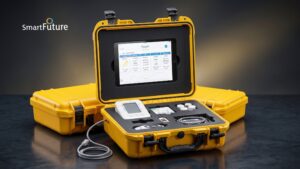
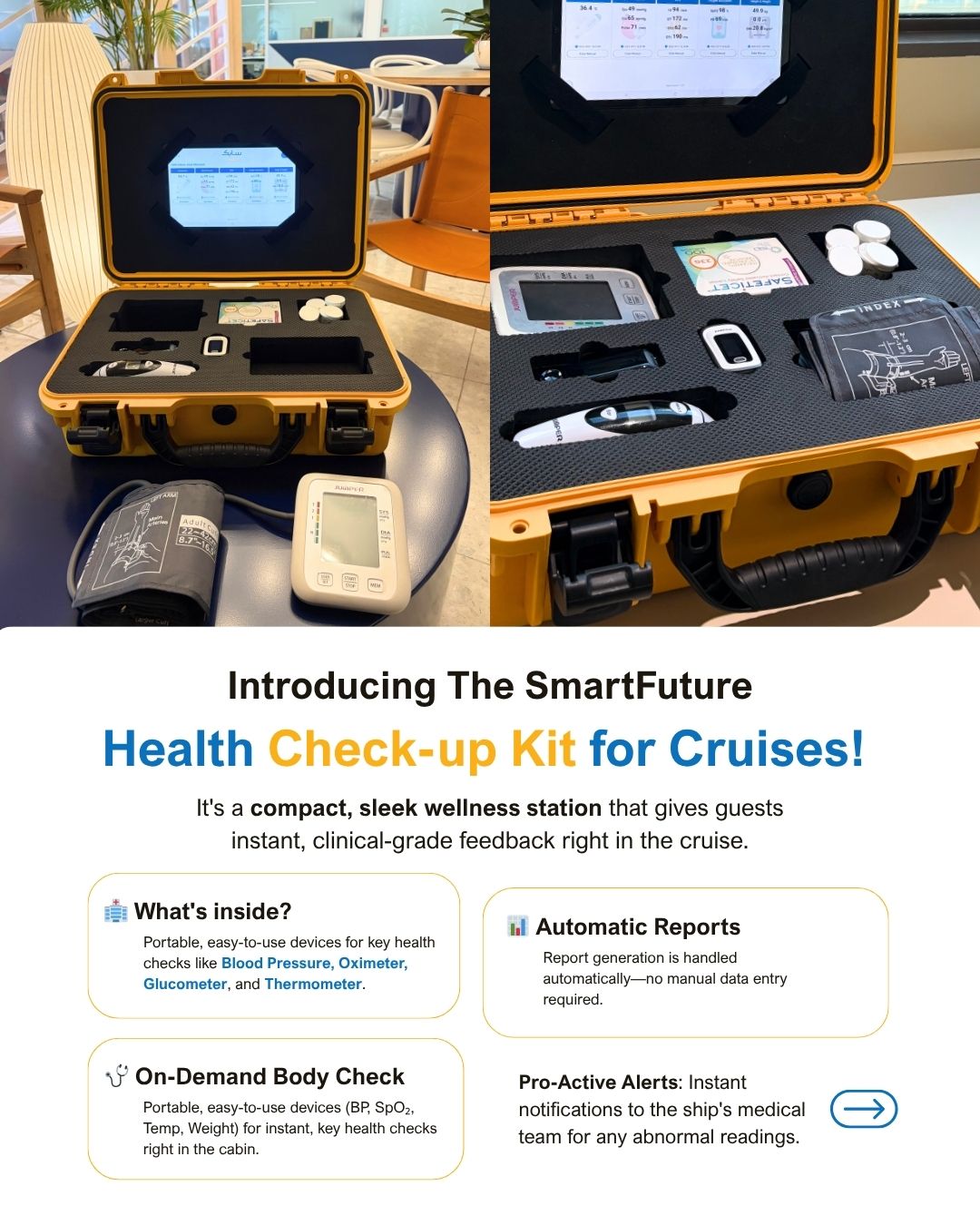
The SmartFuture Health Check-up Kit for cruises is designed as an essential onboard device for both home-like cabin comfort and travel health readiness. The kit contains a carefully selected set of tools, including a Blood Pressure monitor, Oximeter, Glucosometer, and Thermometer.

This medical kit allows guests to perform instant health checks directly in their cabins, without needing to visit the medical bay for every concern. From routine monitoring to early identification of potential emergency situations, guests receive immediate, reliable feedback.

By offering a complete content package rather than a loose collection of items, cruise lines can better prepare passengers for common health needs while improving confidence and comfort during their journey.

SmartFuture's medical kit turns every cruise cabin into a care hub. It offers instant vital checks, real-time alerts, and frees medical staff for urgent care needs.
SmartFuture introduces the Health Wellness Kit as the comprehensive solution to these challenges. This compact, sleek wellness station instantly transforms every single cabin into a proactive care hub accessible 24/7. The kit delivers seamless care with zero worry for both the guests enjoying their holiday and the dedicated medical team. You can stop letting mid-ocean health issues escalate and disrupt the smooth flow of your guest experience immediately.

Singapore Emergency Medical Kit Benefits: Automated Reporting and Alerts

A key benefit of the SmartFuture solution lies in its automated data handling. Report generation happens automatically, removing the need for manual documentation and reducing administrative workload. The system also provides proactive alerts, sending real-time notifications to the ship’s medical team when abnormal readings are detected.

Integrated video communication supports rapid consultation when required, all delivered under a fully white-labeled service that aligns with your cruise brand. This approach represents an advance beyond traditional onboard healthcare models and reflects how modern cruise lines adopt digital health technology responsibly.

Home and Workplace Emergency Medical Kit: Elevating Safety and Resource Management

Deploying the SmartFuture medical kit across cabins offers significant operational advantages. It raises safety standards across the ship and strengthens the cruise line’s reputation for proactive care. Most importantly, it allows onboard medical staff to focus on urgent and major cases instead of routine checks.

By shifting basic monitoring away from the medical bay, cruise operators improve resource allocation and reduce unnecessary congestion. This mirrors best practices seen in workplace health management and extended care environments, where structured kits support early intervention and prevention.

Travel Emergency Medical Kit Service: Seamless Remote Care, Globally Delivered

Integrating the SmartFuture medi kit is a clear commitment to delivering seamless remote care on a global scale. It enables cruise lines to offer consistent healthcare support that feels as accessible as an emergency kit for home, even while at sea.

This integrated approach enhances safety, improves guest satisfaction, and maximizes operational efficiency. It moves cruise healthcare beyond reactive treatment toward proactive wellness management.

Ready to enhance your cruise line’s wellness offering and prepare for the future of onboard healthcare?

Contact us today.

📧 Email: sales@oursmartfuture.com

📞 Call (SG/Global): +65 8836 0984
📞 Call (US/CA): +1 (512) 717-6408

The Invisible Hug: How SmartFuture’s Tracking Solution Brings Peace and Safety to Our Loved Ones in Care

The Invisible Hug: Assuring Safety for Loved Ones

If you have family in assisted living, you ask simple questions: “Are they safe?” “Do they get help fast?” Health and safety worries are constant. Also, staff faces a huge challenge. They must keep many people safe without rushing. SmartFuture’s Resident Tracking Solution answers these issues. It creates a smart safety net that is always active. This system ensures every resident feels secure. Every caregiver also feels supported.

Proactive Care: From Tracking to Wellness

Therefore, remote health systems replace old check-ins. They provide continuous, real-time safety. The Resident Tracking Solution offers Zero-Worry Location data. Staff know a resident’s exact spot instantly. For example, if someone nears an exit, the team gets an immediate alert. They step in before a crisis starts. This speed is vital. It turns minutes of searching into seconds of focused care. This greatly improves the overall health response.

Moreover, our Resident Tracking Solution offers the Power of Subtle Clues. Changes in habits often show changes in health. The system gently tracks movement. It flags when a resident moves less or walks differently. Consequently, staff can act early. They adjust medication or check on the resident. This happens before a fall or decline in wellness occurs. This is compassionate, predictive remote health care.

Empowering Caregivers for Better Health Outcomes

The technology also makes the team’s job easier. It means Less Rushing, More Caring. Thus, when an alert sounds, the system uses location data. It finds the closest and best-suited staff member. This smart coordination stops internal confusion. It also speeds up response times quickly. Residents get the help they need right away.

This smart technology gives a Clear Picture of Care. Tracking data records timely responses and good actions automatically. For families, this gives great confidence. They know their loved one is getting accountable care, boosting their wellness and peace of mind. Furthermore, staff focus shifts from paperwork to monitoring the resident’s health.

The Resident Tracking Solution is the quiet assurance for families and staff. It helps compassion and attention thrive. This smart remote health technology never takes a day off. Give your residents dignity and safety. Give your staff power and precision. Contact us today to schedule a consultation and see how our remote health solutions can improve your standard of care.

Contact Us Here : 📧 Email: sales@oursmartfuture.com 📞 Phone (SG): +65 8836 0984 📞 Phone (US): +1 (512) 717-6408 📍 Singapore Office: 246 Macpherson Road, #03-01 Betime Building, Singapore 348578 📍 Delaware Office: 651 N Broad St, Suite 201, Middletown, Delaware 19709
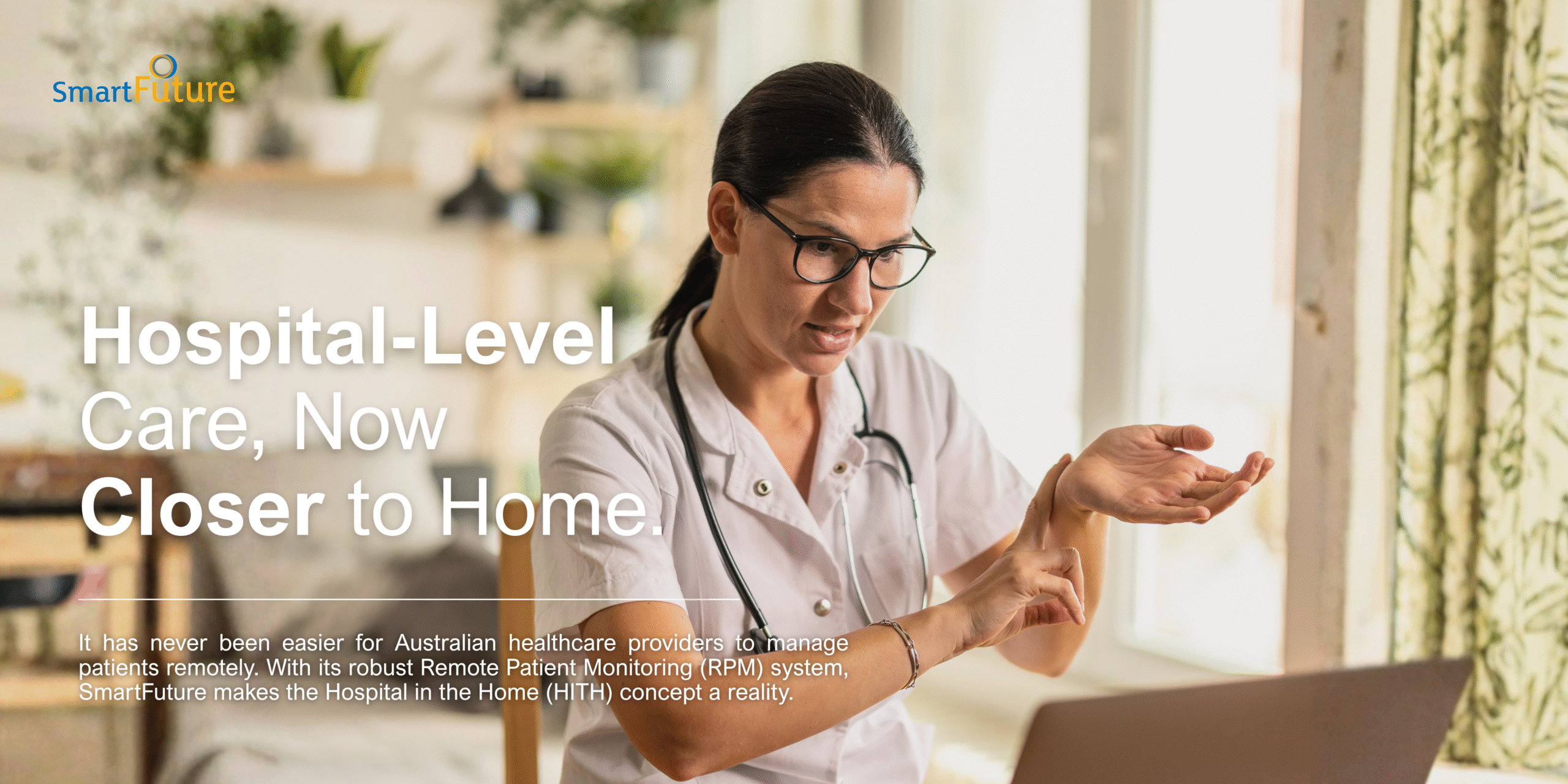
Australia’s Hospital in The Home: Acute Hospital Care in the Comfort of Home


Hospital Level Care, Closer to Home.

The landscape of healthcare delivery in Australia is undergoing a significant and necessary transformation. Driven by the need for greater system efficiency and improved patient experience, there is a growing and urgent emphasis on delivering high-quality, acute-level medical care outside the traditional hospital ward. This shift, widely recognised as the Hospital in the Home (HITH) programme, represents a proven model of care that brings hospital-grade treatment directly into the home.

This approach, also referred to as Hospital at Home or Mobile Inpatient care, is transforming patient recovery, managing capacity, and improving system-wide efficiency while allowing patients to remain in their patient’s home environment.

Home-Based Programme for Hospital in The Home Service Delivery

Under the Hospital in The Home programme, patients who would traditionally occupy a hospital ward receive equivalent acute medical care at home. Care is delivered through coordinated home care pathways that involve doctors, nurses, and allied health professionals working as an integrated care team.

This service model allows patients to receive treatment, monitoring, and support through scheduled Home Visit services, without compromising safety or clinical standards. For patients, recovery at home often leads to greater comfort, improved mental well-being, and stronger engagement with their treatment plan.

The Vital Link: Remote Monitoring for Hospital in The Home Service at Home

Successfully operating a Hospital in The Home programme requires more than simply discharging patients early. It demands a reliable and secure way to track patient health between visits and maintain continuous oversight while the patient remains at home.

SmartFuture supports this evolution through a robust Remote Patient Monitoring solution that acts as a vital clinical link between hospitals, clinicians, nurses, and patients receiving care at home. The platform enables doctors and the care team to monitor patients recovering at home with the same confidence as if they were still in a hospital ward.

Mobile Inpatient Care Service: Supporting Nurses and Care Teams at Home

The SmartFuture platform is designed to support Mobile Inpatient care by extending hospital oversight into the patient’s home. Through continuous monitoring and structured data collection, nurses and clinicians can respond quickly to changes in a patient’s condition while maintaining a consistent model of care.

Nurses conducting Home Visit services benefit from clear visibility into patient trends, allowing them to coordinate effectively with doctors and the broader care team. This ensures continuity of medical care, reduces duplication, and supports safe decision-making while patients remain at home.

Clinical Excellence Through Continuous Monitoring in the Home

The platform provides clinicians with uninterrupted access to patient data while care is delivered at home. Vital signs are continuously monitored and securely transmitted, enabling doctors and nurses to track trends and detect early signs of deterioration.

This continuous monitoring supports proactive intervention and ensures that medical care remains consistent with hospital standards, even when the patient is outside the hospital ward.

Driving Efficiency and Preventing Readmissions in Hospital at Home Models

Early intervention is central to the success of any Hospital in the Home programme. SmartFuture enables clinicians to configure alerts that notify the care team of abnormal readings or concerning trends while patients are at home.

This capability allows nurses and doctors to intervene early, often preventing escalation that would otherwise require readmission to a hospital ward. For health systems managing capacity constraints, this model of home care directly improves patient flow and operational efficiency.

Optimised Workflow and Improved Patient Experience at Home

SmartFuture simplifies clinical workflows by consolidating patient information into a single, easy-to-review platform. This allows nurses and doctors to spend less time on administration and more time delivering quality medical care at home.

Patients benefit from recovering in their familiar home environment, supported by regular Home Visit services and continuous oversight. Studies consistently show that patients receiving care at home experience improved outcomes and higher satisfaction compared to prolonged stays in a hospital ward.

Beyond Traditional Hospital Wards: A New Model of Care for Home

The SmartFuture platform integrates seamlessly with existing clinical systems and Electronic Health Records, ensuring adoption is straightforward for healthcare providers. By reducing technical complexity, the platform allows medical teams to focus on care delivery rather than system management.

While SmartFuture supports healthcare systems globally, including markets such as Singapore, its HITH programme solutions are specifically aligned with Australia’s healthcare standards and operational needs.

The Future of Hospital in The Home Service in Australia

The transition toward Hospital at Home, Mobile Inpatient care, and structured home care services is not a temporary trend. It represents the future of acute care delivery in Australia, balancing clinical quality, patient comfort, and system sustainability.

By combining structured Home Visit services, empowered nurses, and continuous remote monitoring, healthcare providers can deliver hospital-grade medical care safely and effectively at home.

Ready to Advance Your HITH Programme?

If your health service is ready to move beyond traditional hospital ward limitations and strengthen the service, OurSmartFuture is ready to support you.

Contact us today to discuss how our proven Hospital in the Home programme solutions can support your clinicians, nurses, and care teams in delivering high-quality medical care at home, while improving efficiency and patient outcomes across Singapore, Australia, and globally.

Hospital at Home Solution: 5 Years of Innovation and Advanced Remote Health Diagnostics

It was our pleasure to join in the NUHS@Home 5th Anniversary celebration, a milestone that highlights the expanding success and increasing significance of remote, patient-focused care. 

What It Is?

We were thrilled to celebrate the NUHS@Home 5th Anniversary, a powerful reminder that high-quality healthcare doesn’t have to mean leaving home. Our core mission is to make home care feel just as safe and sophisticated as the hospital. Our SmartFuture Hospital at Home Solution is the key to modern healthcare, integrating high-level diagnostics to give clinicians everything they need to treat patients right where they’re most comfortable.

Why Our Hospital at Home Solution Matters (The Human Impact)?

These newest features are about more than just data; they’re about confidence in providing excellent healthcare—for both the patient and the doctor. :

      1. Heart Monitoring, Uncompromised: We can now deliver 12-lead ECG monitoring at home. This is the difference between guessing and knowing in healthcare. For patients recovering from cardiac events, it means their doctor gets the same precise heart health picture they would in the hospital, allowing for immediate, confident management.
      2. A Clearer Picture, Faster: Our new Ultrasound integration means we can get critical visual information quickly. This leap forward in healthcare helps doctors make swift, accurate decisions, reducing stress and avoiding unnecessary transfers, leading to better patient health outcomes.
      3. Trust for the Care Team: These tools remove the anxiety from remote care. By giving doctors and nurses advanced, real-time data visibility, they have the full picture they need. This empowers them to treat complex cases at home using our Hospital at Home Solution, knowing they haven’t compromised on the quality of care.

Empowering Clinicians for the Next Era of Care

These new technologies are not merely for the monitoring of patients, but for empowering clinicians. By providing advanced, real-time diagnostic powers, we are enabling physicians and nurses with the confidence and capability to treat acutely ill patients in the home setting with the same care and expertise that they would in a hospital setting.

This seamless integration of high-level technology into an easy remote platform is the secret to successfully scaling Hospital-at-Home programs.

Ready to imagine the next generation of patient care? Contact us to explore how we can implement these advanced Remote Care Solutions for your healthcare system.

📧 Email: sales@oursmartfuture.com
📞 Phone (SG): +65 8836 0984
📞 Phone (US): +1 (512) 717-6408
📍 Singapore Office: 246 Macpherson Road, #03-01 Betime Building, Singapore 348578
📍 Delaware Office: 651 N Broad St, Suite 201, Middletown, Delaware 19709
SmartFuture Showcasing Integrated Healthcare at CMEF 2025, Guangzhou 

From 25–29 September 2025, SmartFuture was honored to participate in the China International Medical Equipment Fair (CMEF) in Guangzhou, one of the largest and most influential exhibitions for medical technology and healthcare innovation worldwide.

This year’s CMEF brought together healthcare leaders, technology providers, policymakers, and innovators from across the globe. It was an inspiring platform for us to showcase how healthcare integration can transform patient care across multiple settings.

What We Showcased at CMEF 2025 

At our booth, SmartFuture highlighted our comprehensive healthcare integration solutions, focusing on three key areas:

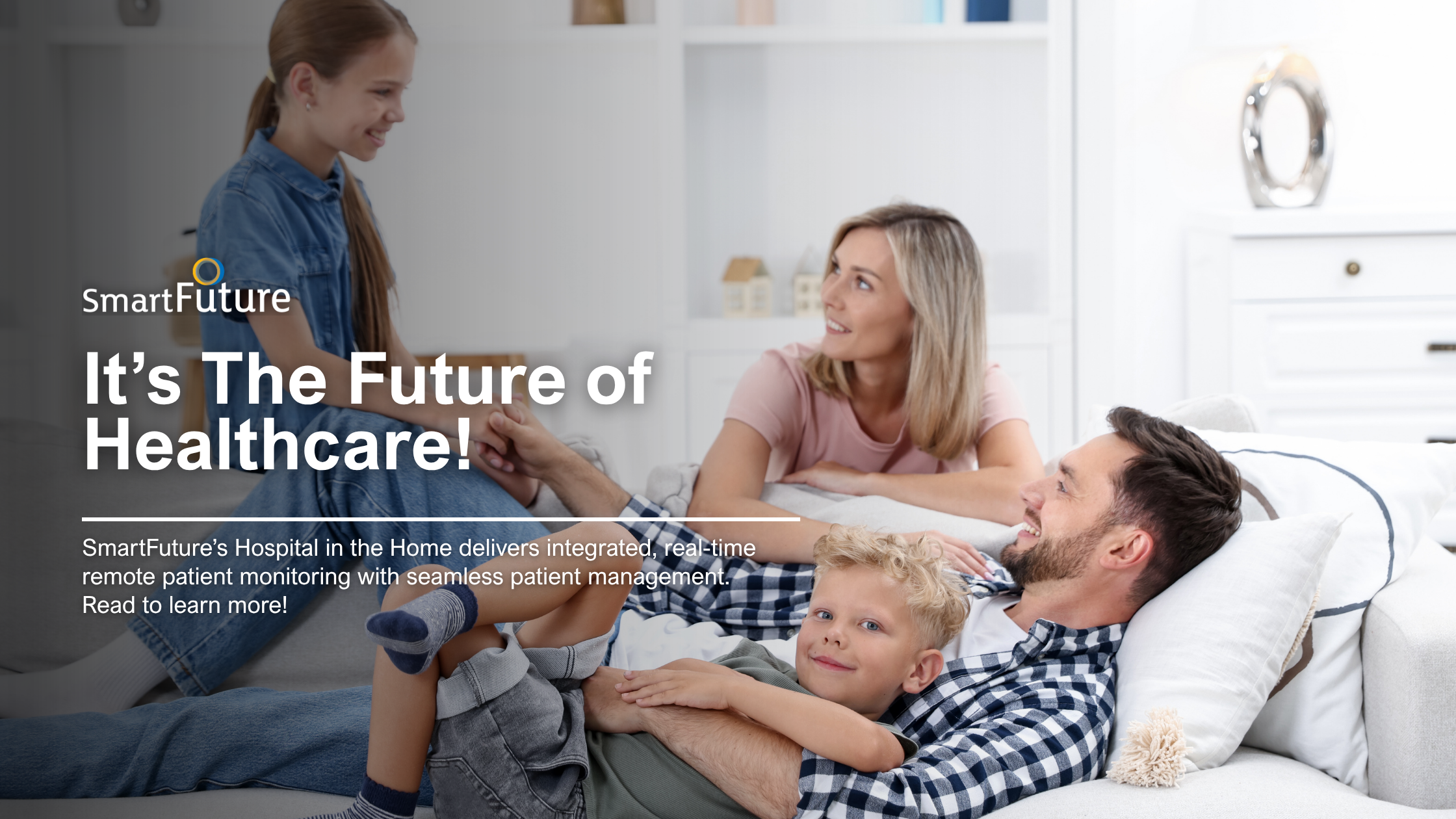
Hospital-at-Home
Bringing hospital-grade care into patients’ homes with connected medical devices, real-time data transmission, and built-in communication tools — enabling timely interventions and more comfortable recovery experiences.

Emergency Response Kits
Portable and fully integrated solutions designed for urgent care scenarios. These kits ensure seamless connectivity, rapid data sharing, and reliable performance when every second counts.

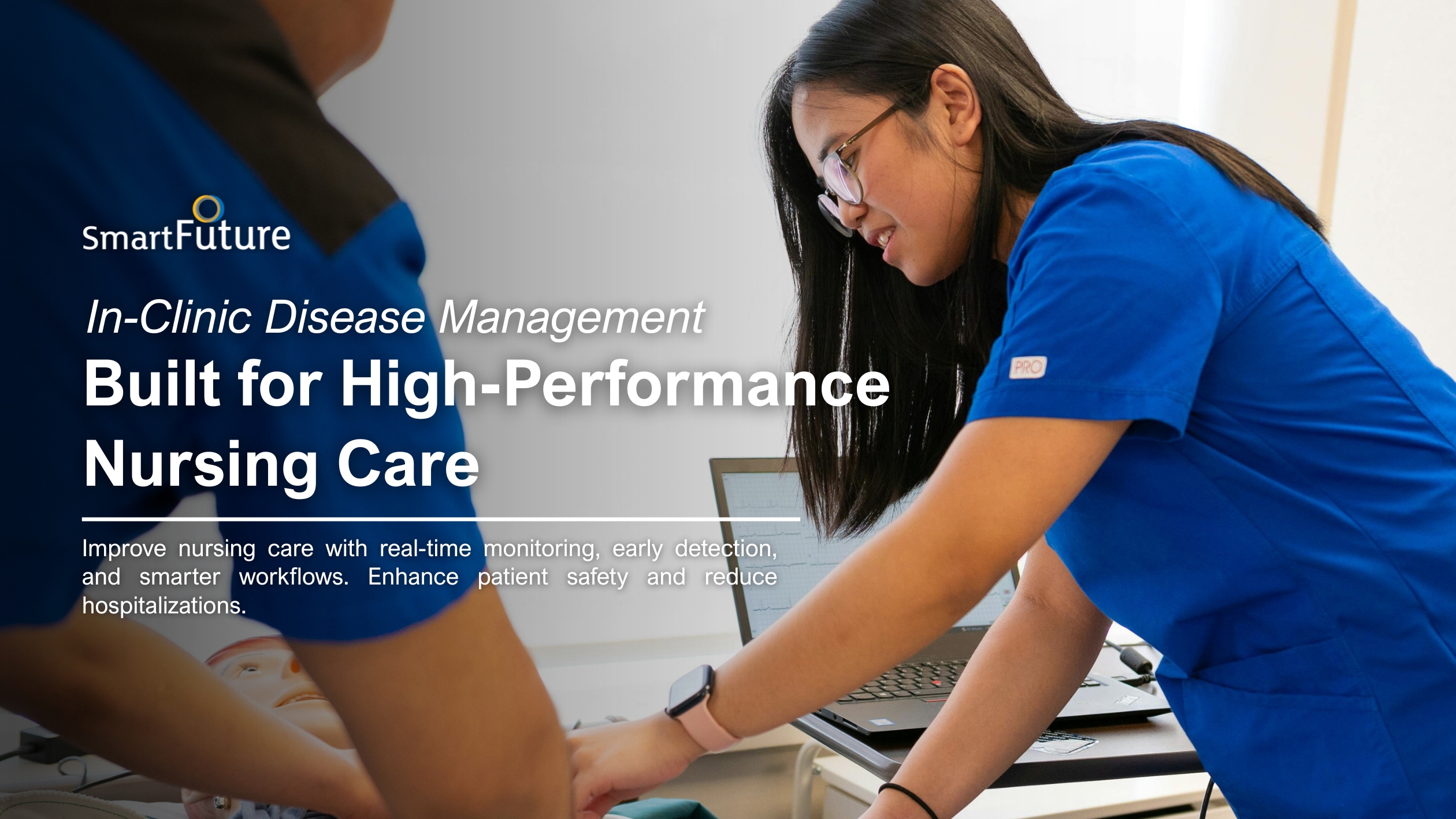
In-Clinic Disease Management
Supporting chronic disease management with multi-patient monitoring tools and tailored dashboards. Our solutions give healthcare providers a consolidated, real-time view, making it easier to detect issues early and optimize care.

Why This Matters 

Healthcare today is no longer confined to hospitals and clinics. Patients, providers, and systems increasingly demand continuity of care — solutions that connect the dots across home, community, and clinical settings. As a healthcare integrator, SmartFuture’s role is to bridge these settings through technology, data, and patient-centric design.

Key Takeaways from CMEF 2025 

Participating in CMEF 2025 was not just about showcasing solutions — it was about learning, sharing, and building new connections. We had the privilege of:

  • Engaging with global industry leaders and decision-makers
  • Exploring new partnership opportunities across Asia and beyond
  • Gaining fresh insights into how technology can address today’s healthcare challenges

We came away from the event energized and inspired by the collaborations that lie ahead.

Our Appreciation 

We extend our deepest thanks to Enterprise Singapore for their support in enabling our participation at CMEF. Their commitment to empowering Singaporean healthtech companies is helping innovations like ours reach global audiences and make meaningful impact in healthcare.

Looking Forward 

As we continue to expand our footprint, SmartFuture remains dedicated to building a more connected, sustainable, and patient-centric healthcare ecosystem. CMEF 2025 has reaffirmed our mission — and we look forward to working with partners, both new and existing, to drive this vision forward.

💡 If you would like to learn more about our solutions in Hospital-at-Home, Emergency Response Kits, or In-Clinic Disease Management, visit us at www.oursmartfuture.com.

#CMEF2025 #HealthTech #DigitalHealth #HospitalAtHome #IntegratedCare #EnterpriseSG #SmartFuture