
For decades, hospitals have been the center of healthcare delivery. Managing everything from diagnosis to recovery within a single facility.
Today, that model is under increasing pressure to deliver better outcomes while managing rising costs, limited capacity, and workforce constraints. As a result, leading healthcare providers are shifting toward care models that extend beyond hospital walls, particularly in the critical post-discharge phase.
Recent studies show that 30-day hospital readmission rates typically range between 10% and 20%, depending on patient population and condition and is highlighting a persistent gap in post-discharge care management (JAMA Network Open, 2024; Journal of the American College of Cardiology, 2023; Frontiers in Public Health, 2024).
For healthcare providers, this translates into:
- Increased operational costs
- Strain on bed capacity
- Pressure on quality metrics and reimbursement models
Without structured monitoring after discharge, providers are often left reacting to complications instead of preventing them.
From Episodic Care to Continuous Monitoring
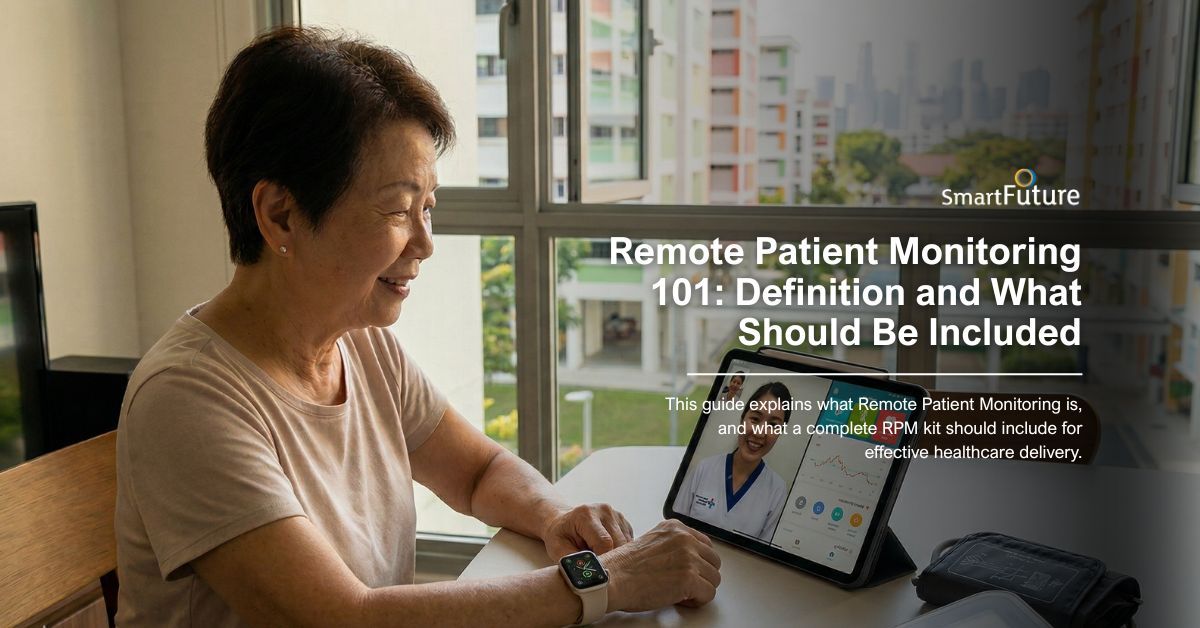
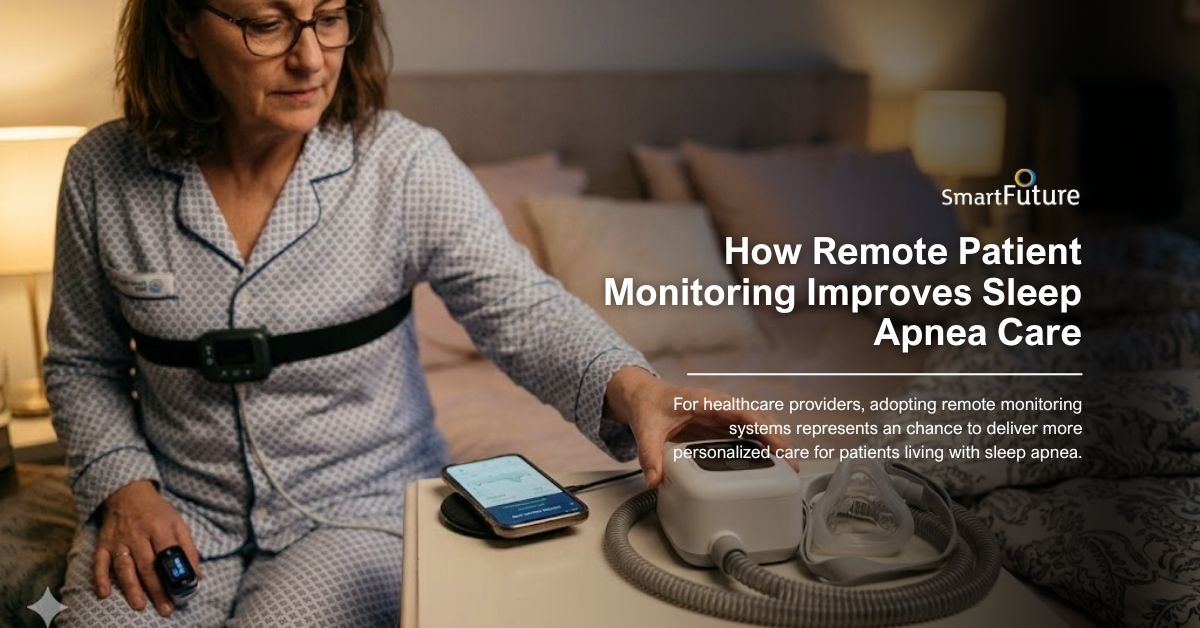
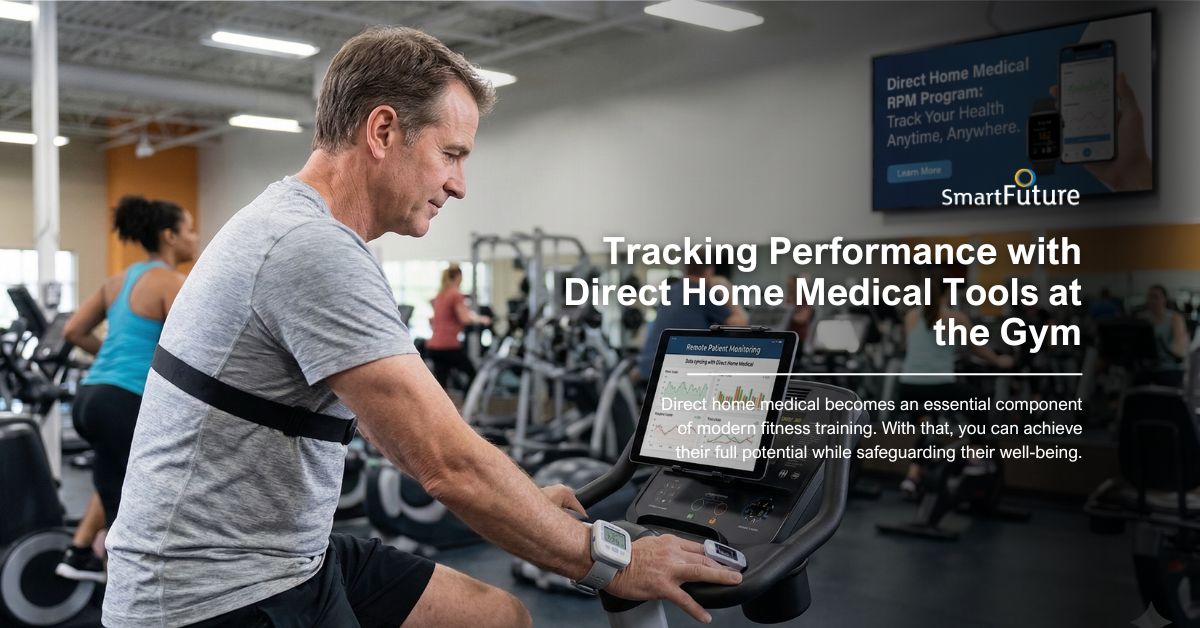
To address this gap, healthcare systems are transitioning from episodic treatment to continuous care delivery. This shift is enabled by remote patient monitoring (RPM), allowing providers to track patient health data in real time, even after patients leave the hospital.
More recent research reinforces the value of this approach. A randomized clinical study found that integrating remote patient monitoring data significantly improves the prediction of 30-day readmissions compared to traditional discharge data alone (NIH, 2023).
This enables providers to:
- Identify high-risk patients earlier
- Intervene before conditions escalate
- Improve care coordination across teams
Ultimately, continuous monitoring shifts care delivery from reactive intervention to proactive patient management.
Does Care Beyond Hospitals Deliver Measurable Outcomes?
The effectiveness of care outside hospitals is no longer theoretical, it is supported by growing clinical evidence. For example, A 2024 study found that remote patient monitoring significantly reduced hospital readmissions and emergency visits among high-risk post-discharge patients (JMIR, 2024).
At a broader level, a meta-analysis of randomized controlled trials showed that remote monitoring can reduce hospitalizations while maintaining overall healthcare efficiency (PMC, 2024). These findings reinforce a critical point that is when implemented effectively, care beyond hospitals improves both clinical outcomes and operational performance.
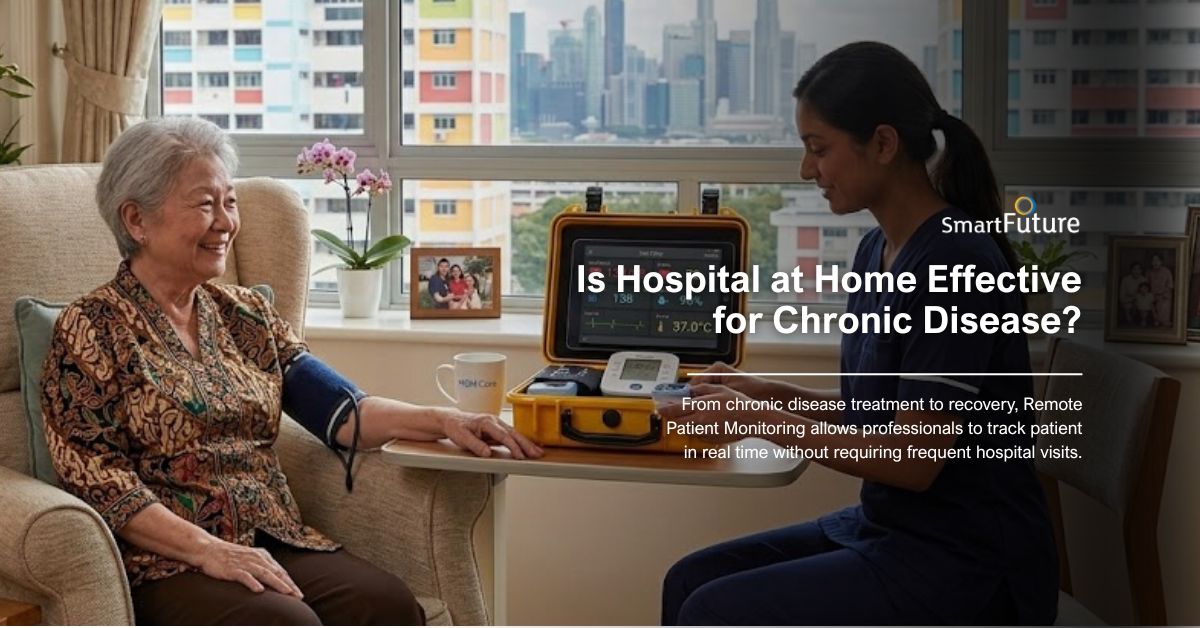
To operationalize this shift, SmartFuture has developed Hospital in the Home, a care model powered by Remote Patient Monitoring (RPM).
Rather than being a separate solution, RPM is the core technology that enables hospital-level care to continue safely at home.
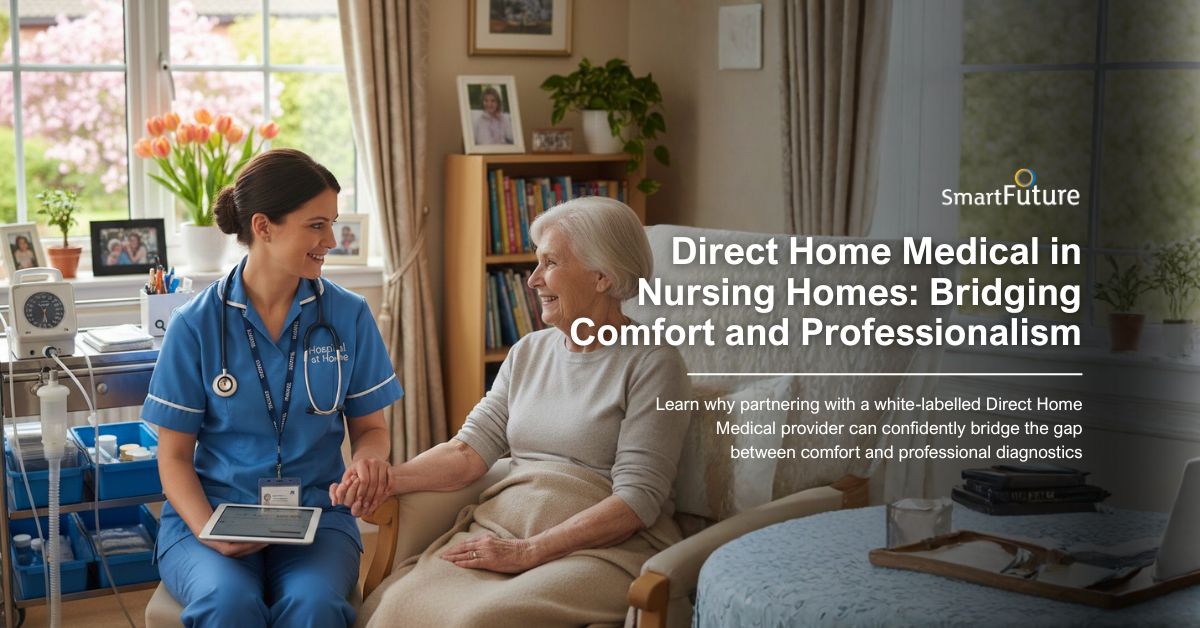
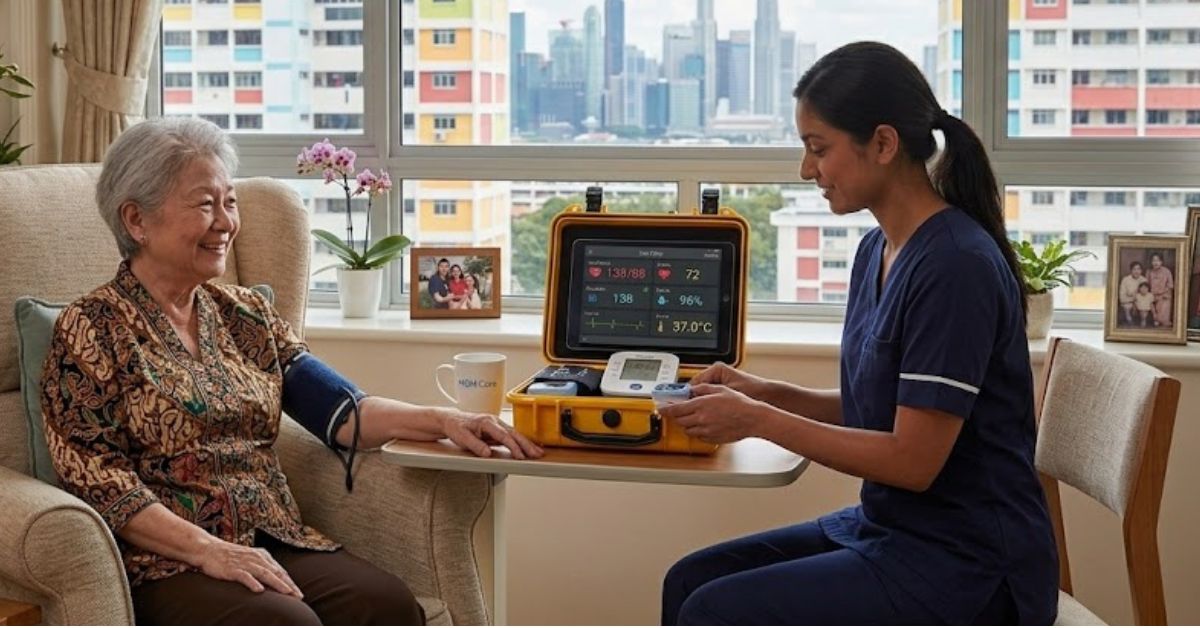
This model allows healthcare providers to maintain continuous visibility over patient conditions after discharge, without requiring physical hospital stays.
How it works
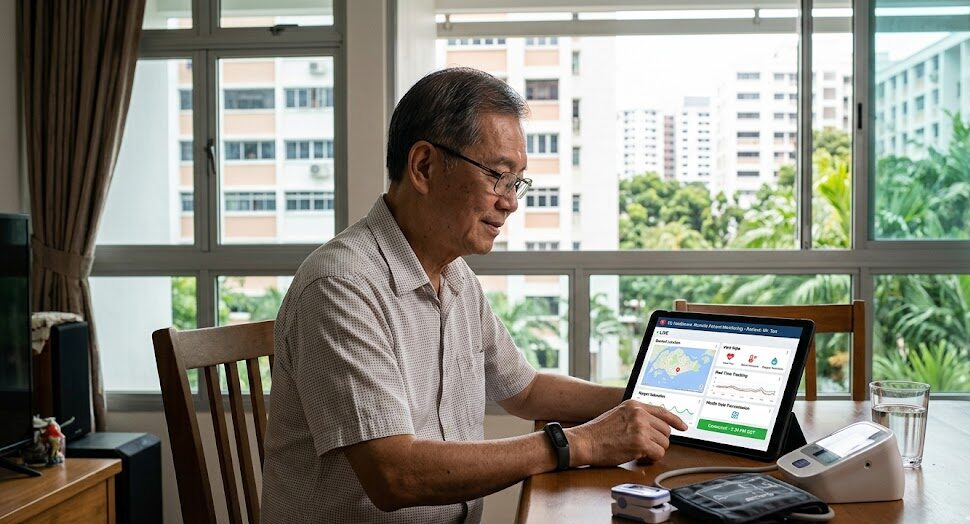
Through connected monitoring devices and a centralized platform, patient health data is captured and transmitted in real time, enabling care teams to stay informed, responsive, and proactive.
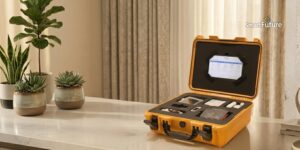
Core capabilities include:
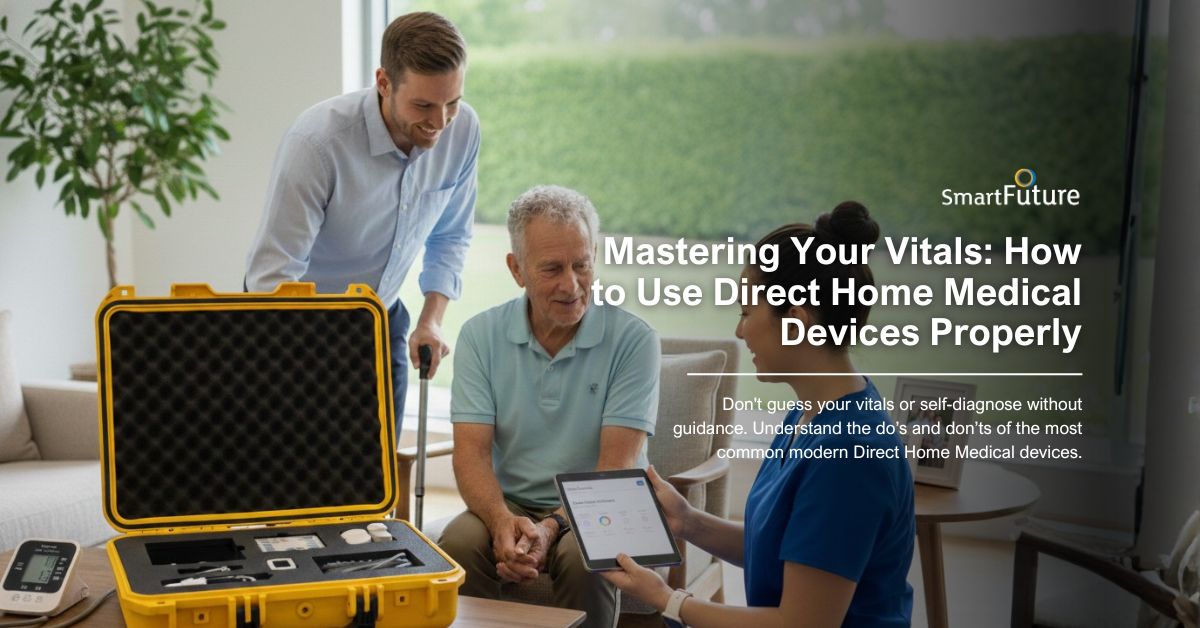
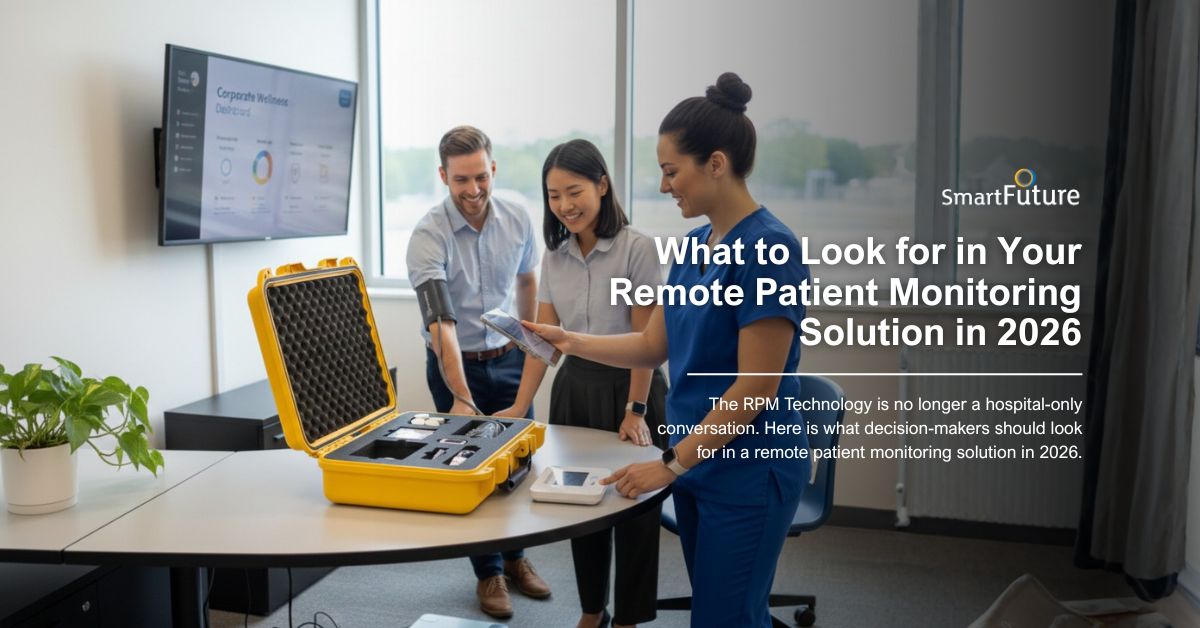
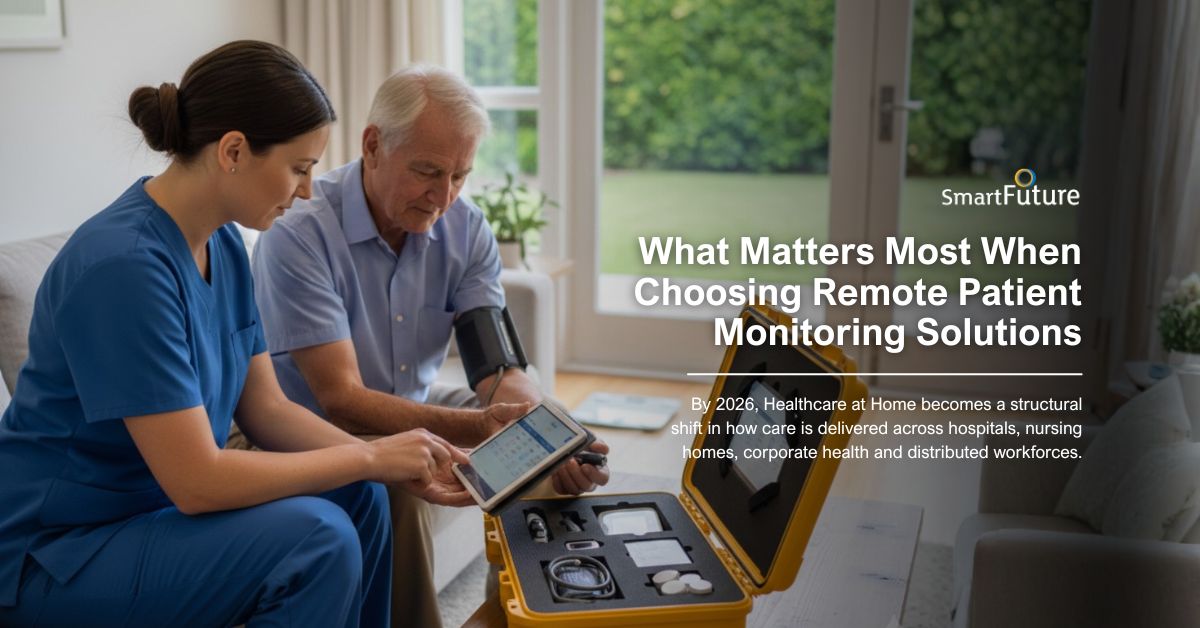
- Real-time tracking of patient vitals through through SmartFuture’s Medikit and other integrated medical devices
- Continuous data transmission to care teams
- Automated alerts for abnormal readings
- Ongoing clinical supervision without requiring inpatient stays
- Seamless patient management and communication between providers and patients
- Comprehensive home care services all-in-one integrated platform
- Full customization and total flexibility to align with different care protocols
By leveraging Remote Patient Monitoring as its foundation, Hospital in the Home transforms post-discharge care into a continuous, connected, and data-driven experience.
Business Impact for Healthcare Organizations
This approach delivers measurable value across key operational metrics:
Reduced Readmissions
Continuous monitoring enables early intervention, lowering avoidable readmissions.
Optimized Bed Utilization
Patients can safely recover at home, freeing capacity for higher-acuity cases.
Lower Cost of Care
Reducing inpatient days directly decreases operational expenditure.
Improved Outcome Metrics
Enhanced post-discharge management supports value-based care performance.
Scalable Care Delivery
Providers can manage a larger patient population without proportional infrastructure expansion.
Ready to Extend Care Beyond Discharge?
Start extending care beyond discharge, improving outcomes while optimizing operations at scale.
Contact us for a demonstration!
📧 sales@oursmartfuture.com
📧 developer@oursmartfuture.com
📞 +65 8836 0984 (Mon–Fri, 10 AM–6 PM)
💬 WhatsApp available for faster response
 +65 8836 0984
 sales@oursmartfuture.com
 246 Macpherson Road, #03-01 Betime