

How Remote Patient Monitoring is Revitalizing Nursing Home Care

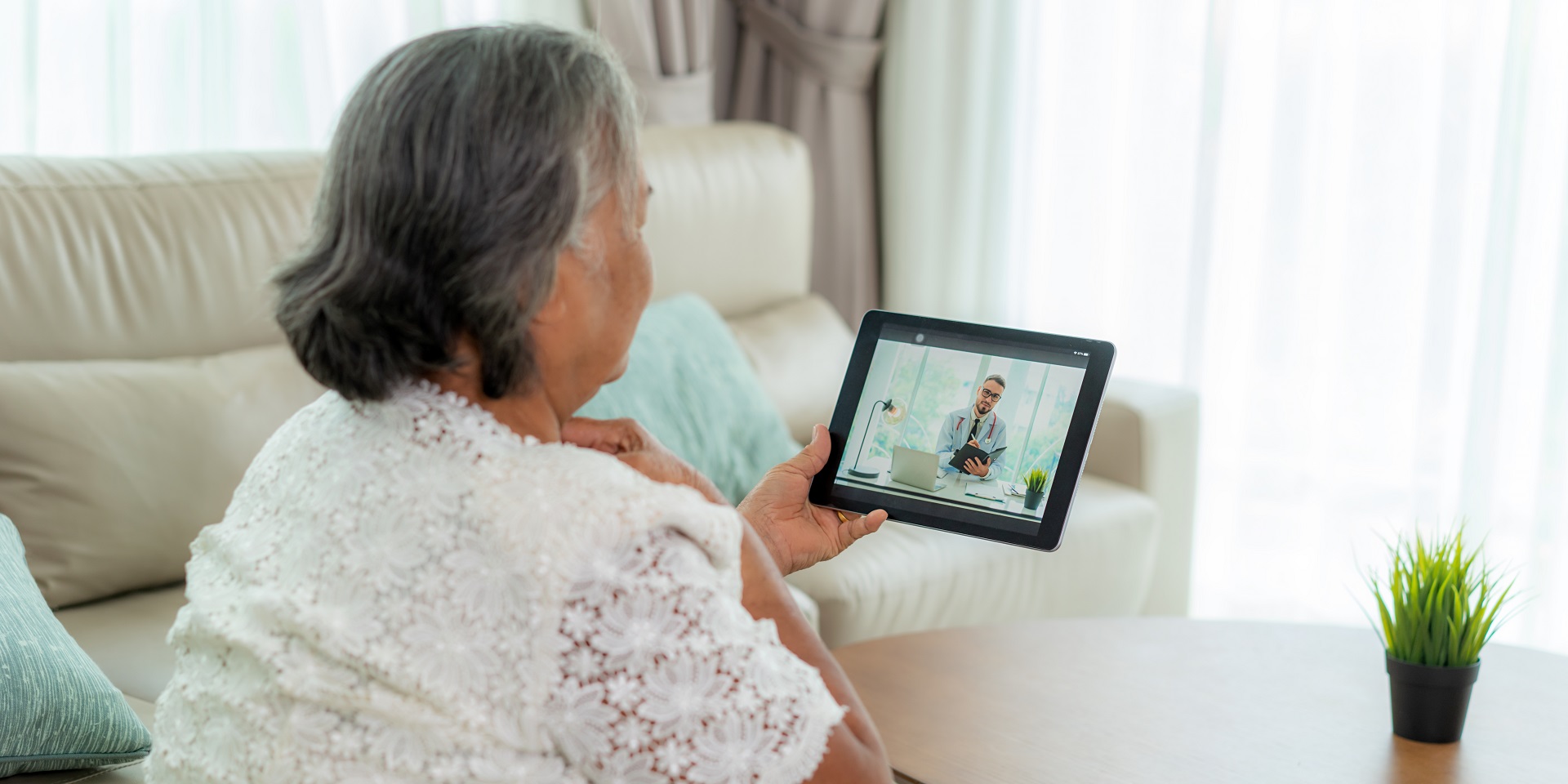
Remote patient monitoring (RPM) has emerged as a powerful healthcare solution to enhance patient outcomes and revolutionize the quality of care provided in nursing homes. As a system that supports remote care, RPM strengthens visibility into patients’ health and enables timely, data-driven decision-making.

The convergence of the post-pandemic era and the exponential growth of the elder population has made nursing homes an indispensable necessity, particularly for patients with chronic disease who require ongoing supervision and coordinated medical support.

In this blog, we will explore the critical role of Remote patient monitoring and its profound impact on addressing challenges in nursing home care through scalable remote monitoring solutions.

Challenges in Nursing Home Care and the Need for a Healthcare System Solution

Caretakers with senior couple sitting in living room at nursing home


Every day in the United States, 10,000 people turn 65, and the number of older adults will more than double over the next several decades.

An American Health Care Association (AHCA) report highlights an unprecedented economic crisis in nursing homes. The increasing demand for elder home care exacerbates this issue, necessitating innovative remote monitoring and remote patient monitoring solutions.

Limited Resources and Staffing in Healthcare Systems

Nursing homes often face resource and staffing constraints, hampering their ability to deliver comprehensive care. This challenge is particularly acute when caring for residents with complex needs or patients with chronic disease. The growing demand for elder home care further underscores the need for an efficient system that supports staff without increasing workload.

Health Monitoring and Timely Interventions Through Remote Monitoring Solutions

Traditional monitoring methods in nursing homes can be time-consuming and inefficient, leading to delayed interventions. Rapid detection of changes in patients’ health and timely response are vital to improving health outcomes. A structured remote monitoring solution enables continuous oversight without reliance on manual checks alone.

Care Coordination and Communication as a Healthcare Service Challenge

Effective coordination and communication among healthcare providers, caregivers, and families are essential but can be challenging in the fast-paced nursing home environment. Improving patient engagement and streamlining communication through a centralized system is critical for delivering cohesive and personalized care.

Fall Prevention and Safety Using Remote Care Systems

Falls pose a significant risk in nursing homes, often resulting in injuries and hospitalizations. Implementing technology-driven remote care strategies and continuous monitoring systems is essential to enhance resident safety and reduce preventable incidents.

In long-term care facilities, the growing use of RPM technologies has brought many benefits to both residents and caregivers. 

Use Cases of Remote Patient Monitoring in Nursing Home Healthcare Solutions

Implementing Remote Patient Monitoring to address high operating costs and stagnant recovery may help prevent nursing home closures and ensure continued access to care for seniors. RPM acts as both a clinical and operational service that supports sustainable care delivery.

Continuous Health Monitoring Using a Remote Monitoring System

Remote Patient Monitoring (RPM) enables nursing homes to implement continuous monitoring using remote patient monitoring devices. Real-time tracking of vital signs improves visibility into patients’ health, allowing staff to respond proactively rather than reactively.

Early Intervention and Preventive Care Through a Remote Patient Monitoring Solution

RPM provides real-time data and automated alerts that support early intervention and preventive care. Immediate notification of abnormal readings allows clinicians to adjust medication or care plans promptly, improving health outcomes for residents.

Improved Care Coordination and Patient Engagement via Healthcare Systems

RPM platforms improve care coordination among staff, doctors, and family members through secure messaging, video consultations, and shared access to patient information. These capabilities strengthen patient engagement and ensure that all stakeholders remain informed and aligned in care decisions.

Fall Detection and Safety Measures Enabled by Remote Monitoring Devices

RPM plays a vital role in fall prevention and resident safety. Wearable remote patient monitoring devices equipped with fall detection alert caregivers and healthcare providers immediately, enabling swift assistance and reducing the severity of incidents.

In long-term care facilities, the growing adoption of RPM technologies has delivered measurable benefits to both residents and caregivers, reinforcing the value of remote care models.

How Smartfuture RPM Improves Nursing Home Care Through a Healthcare System Solution

Smartfuture RPM platform offers a comprehensive remote patient monitoring solution tailored to the unique needs of nursing homes. As an integrated system, it supports continuous monitoring, efficient workflows, and coordinated care delivery.

With EHR/EMR and billing integration, chat and call functionalities, and SMS alerts, Smartfuture RPM solution helps healthcare providers enhance patient care, improve monitoring efficiency, strengthen patient engagement, and streamline communication and data management across the entire care continuum.

Discover more about Smartfuture RPM platform and unlock the full potential of Remote Patient Monitoring in nursing home care.

References

AHCA/NCAL. (n.d.). High Operating Costs and Stagnant Recovery Could Mean More Nursing Home Closures, Threatening Access to Care for Seniors.
Retrieved from https://www.ahcancal.org/News-and-Communications/Press-Releases/Pages/AHCA-Releases-Report-Highlighting-Unprecedented-Economic-Crisis-in-Nursing-Homes.aspx

AARP International. (n.d.). Aging Readiness and Competitiveness.
Retrieved from https://www.aarpinternational.org/initiatives/aging-readiness-competitiveness-arc/united-states
How Remote Patient Monitoring is Revolutionizing Physical Therapy

Remote patient monitoring (RPM) technology has enabled a digital transformation of the healthcare system, including the field of physical therapy. By integrating RPM into physical therapy practices, providers, including physical therapists, rehabilitation centers, hospitals, outpatient clinics, and sports medicine centers, can ensure continuous monitoring, personalized feedback, and optimized treatment plans for their patients, including patients with chronic conditions who require long-term care.

The COVID-19 pandemic highlighted the essential role of RPM, leading PTs and OTs to advocate for its use through specific billing codes and structured monitoring programs that allow clinicians to safely monitor patients outside traditional clinical settings.

Telehealth Shouldn’t Be for Emergencies Only: A Remote Patient Monitoring Solution and System Perspective

This important advocacy by the American Physical Therapy Association (APTA) highlights the significant benefits of integrating Remote Patient Monitoring (RPM) in physical therapy as a long-term remote patient monitoring solution rather than a temporary response. By harnessing the power of RPM, healthcare providers can deliver personalized care, optimize treatment outcomes, and enhance patient engagement through structured RPM programs supported by reliable monitoring devices.

Use Cases of Remote Patient Monitoring in Physical Therapy Solutions

We explore how Remote Patient Monitoring is revolutionizing physical therapy by enabling continuous monitoring, promoting improved outcomes, and enhancing patient care through scalable solutions.

1. Remote Rehabilitation Using Remote Patient Monitoring Devices and Continuous Monitoring

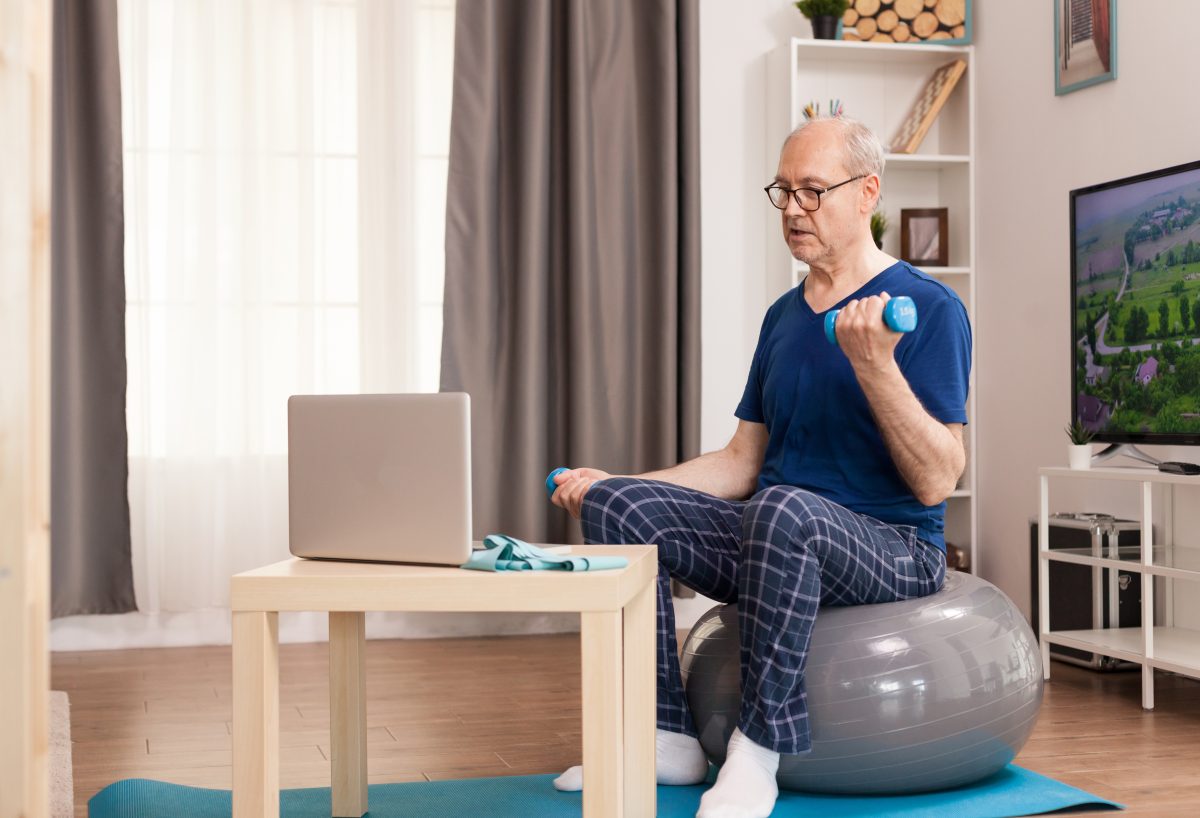
RPM facilitates the remote delivery of physiotherapy services through connected remote patient monitoring devices. Wearable devices or motion sensors allow physiotherapists to remotely monitor patients by tracking exercise adherence, range of motion, muscle strength, and other key metrics.

This monitoring program enables therapists to review real-time health data, provide timely feedback, and adjust treatment plans without requiring frequent in-person visits, supporting continuity of care for patients recovering at home.

2. Injury Rehabilitation Supported by a Remote Patient Monitoring System and Devices

For athletes recovering from sports injuries, RPM supports their rehabilitation process by combining wearable monitoring devices with a structured remote patient monitoring solution.

Remote Patient Monitoring Helps Orthopedic Surgeons Improve Patient Outcome Using Continuous Monitoring

Wearable devices and sensors, such as knee sensors, track important factors including swelling, joint stability, muscle activation, and movement patterns. These remote patient monitoring devices generate actionable health data that allows physical therapists and surgeons to remotely assess recovery progress.

Through this system, clinicians can identify biomechanical issues early, customize treatment plans, and safely progress exercise programs while continuing to monitor patients between visits.

3. Performance Optimization Through Remote Patient Monitoring Devices and Solutions

For performance optimization in physical therapy, various portable remote patient monitoring devices can be used as part of an integrated monitoring program. These include wearable sensors, motion trackers, force plates, and smart training equipment, such as:

  • Portable electromyography (EMG) devices: Measure muscle activity to assess imbalances, identify areas of weakness, and optimize training programs.
  • Inertial measurement units (IMUs): Track movement patterns, joint angles, and acceleration, providing valuable health data for biomechanical analysis.
  • Force plates: Measure ground reaction forces to assess balance, gait patterns, and landing mechanics, supporting injury prevention strategies.
  • Handheld dynamometers: Measure muscle strength to track progress and guide targeted interventions.
  • Portable oxygen analyzers: Measure oxygen consumption to assess cardiovascular fitness and optimize exercise intensity.

RPM aids in tracking athletes’ performance and identifying injury risk factors by enabling clinicians to continuously monitor patients using connected monitoring devices. By analyzing biomechanics, muscle imbalances, and workload metrics, physiotherapists implement injury prevention strategies and optimize training programs remotely.

4. Wellness Programs Enabled by Remote Patient Monitoring Solutions and Continuous Monitoring

Remote patient monitoring (RPM) platforms also support general health and wellness programs, particularly for patients with chronic conditions who require ongoing supervision. Through video calls and integration with wearable remote patient monitoring devices, physiotherapists and fitness trainers manage wellness-focused monitoring programs for weight management, diabetes care, and long-term mobility improvement.

These RPM programs enable continuous collection of health data, helping providers adjust interventions and maintain engagement beyond traditional therapy sessions.

Conclusion: Remote Patient Monitoring Solution as the Future System for Physical Therapy

Remote patient monitoring (RPM) is revolutionizing physical therapy by enabling continuous monitoring, personalized care, and improved patient engagement through connected remote patient monitoring devices. By leveraging structured RPM programs, physical therapists can optimize treatment outcomes and deliver high-quality care while extending services beyond traditional clinical settings.

We hope this blog has shed light on the transformative potential of RPM in physical therapy and the immense benefits it brings to both patients and providers. By embracing RPM as a long-term remote patient monitoring solution, the physical therapy industry can shape the future of care delivery and elevate standards for managing rehabilitation and patients with chronic conditions.

Explore our Remote Patient Monitoring (RPM) solution for more information.

References

U.S. Department of Health and Human Services. (n.d.). Telehealth Best Practice Guide: Telehealth for Physical Therapy.
Retrieved from https://telehealth.hhs.gov/providers/best-practice-guides/telehealth-for-physical-therapy/physical-therapy-and-remote-patient-monitoring

American Physical Therapy Association. (n.d.). Telehealth.
Retrieved from https://www.apta.org/advocacy/issues/telehealth

How Remote Patient Monitoring Helps Surgeons Improve Patient Outcomes.
Retrieved from https://ptgenie.com/remote-patient-monitoring-helps-surgeons-improve-patient-outcomes/

5 Mother’s Day Gift Ideas

Tired of gifting a bouquet of flowers every year? Here are 5 Mother’s Day gift ideas to show your mother, or the mother of your children some love and appreciation.

MedCheck Blood Pressure Monitor + Blood Glucose Monitor + Body Scale Bundle

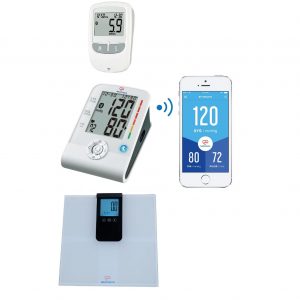
Our mothers put in so much effort into taking care of us, ensuring that we are healthy and happy. As they get older, it is our turn to take care of them. This Mother’s Day, purchase the MedCheck Blood Pressure Monitor, Glucose Monitor and Body Scale bundle to show them you care. These MedCheck products come with a mobile application that allows you to monitor the vitals of your loved ones remotely and keep track of your loved ones’ health even when you are busy.

The MedCheck products are on sale on Shopee and Lazada this Mother’s Day celebration so grab the chance and give your mother the gift of wellness this year.

Eu Yan Sang Birds Nest

Bird’s nest is rich in calcium, iron, potassium, sodium, phosphorous, sialic acid, and amino acids. This makes it the perfect health supplement for gifting your loved ones. Moreover, bird’s nest also contains epidermal growth factor, which helps in cell regeneration and boosts collagen production. With this Mother’s Day gift, your mother will definitely thank you for keeping her youthful and beautiful! What’s more, coupled with Eu Yan Sang’s Mother’s Day promotion, bird’s nest is the perfect booster to pamper your mother.

Sleep Assessment

Have you noticed your mother getting increasingly restless as she ages? Have there been more complaints about difficulties or problems in sleeping? Noticed your mother visiting the bathroom in the night more than before? Well, these are some common symptoms of sleep apnea.

Sleep apnea is an increasing condition commonly undiagnosed. However, as we age, our risk for sleep apnea increases. This Mother’s day, show your love and concern for your mother by helping her to complete this Free Sleep Assessment here. Sometimes, health is the greatest gift of all.

OSIM uGlow set

All women love to be loved. This uGlow set will not only sho ut how much you love your mother but will help her to upgrade her beauty routine and help tackle early signs of ageing (don’t tell her we said that). For mothers who are too busy to take care of their skin, the uGlow Eye and uGlow Mist is a perfect Mother’s Day gift as it fits perfectly in bags or cosmetic pouches –  addressing theirs on the go beauty needs.

Art Jamming Session

Nothing beats spending quality time together with your mother. The perfect Mother’s Day gift may just be some Mother’s Day activities. Instead of getting an expensive gift, you may consider spending some time art jamming and creating memories this Mother’s Day. The final art piece can also be your very own Mother’s Day card!

Mental Health Management

Before 2020, mental disorders were already the leading causes of global health-related burdens, particularly depressive and anxiety disorders, according to The Lancet’s review on global mental health. The COVID-19 pandemic created an environment that exacerbated determinants of poor mental health. Notably, the locations hit hardest by the pandemic — quantified by decreased human mobility and daily infection rate — saw the greatest increase in the prevalence of major mental health issues.

With the ongoing vaccinations and the lifting of lockdown measures in many parts of the world, we’re slowly moving towards an approximation of post-pandemic life. Still, many people are struggling to cope with the losses incurred over the past two years, and appropriate healthcare services may not be easily available. The remote management of mental health — counseling, therapy, substance abuse support delivered through communication channels — is essential. Here are some ways you can monitor and manage mental health symptoms:

Set a routine for yourself

According to an article published in the Journal of Global Health, regular routines serve as a buffer against stress exposure on mental health. Primary routines are behaviors that are necessary to maintain biological needs, including hygiene, sleeping, and eating. These should be combined with secondary routines like exercise, leisure, socialization, and work or study practices. With the disruptions caused by the pandemic, it’s important to adopt a routine that suits your current situation and pays attention to safety protocols like longer handwashing or masking up. If you’re struggling with building an effective routine, you can make small changes and take notes of any weak spots, then talk to your therapist for any recommendations.

Keep track of your red flags

One good mental health habit to cultivate is to be mindful of what bothers you. We mentioned in our Smartfuture post on managing mental health how it helps to recognize any symptoms of stress or anxiety, such as feelings of frustration, worry, sadness, or physical discomfort. Sometimes, mental health issues can also manifest as unexplained actions like sudden outrage or compulsively checking the news. Pay attention to your patterns, and keep an eye out for what may have triggered these moods — it could help your therapist better work with you. For immediate relief, try to distract yourself from negative emotions by stretching, journaling, listening to music, or practicing breathing exercises.

Take a mental health day

Working remotely means the lines are blurred between our working spaces and home. It’s tempting to stay at our desks and work longer hours because we want to feel more productive. To keep our mental health in shape, it’s best to set boundaries by having a set start time, end time, and break times every day. Lifestyle writer James Gonzales also points out that we will still need dedicated time off, even if it’s just a free day to lounge around and rest the mind. Make the most out of your employee benefits and take a mental health day. You can opt to do relaxing activities like yoga, massage, swimming, or hiking — or simply stay at home and lounge around. The key is to listen to your body and mind on when to take a breather.

Attend therapy sessions regularly

It’s great if you already have a therapist and you’ve resumed in-person sessions. But what if you can’t see your therapist face-to-face, or you don’t have a therapist at all? Fortunately, we now have options for remote treatment. Freelance writer Karen Hoffman notes that online therapy is expected to continue and grow as a form of mental health support in the coming years, post-pandemic. Telehealth practices provide patients access, quality, and cost advantages to therapy. You don’t have to delay treatment, and you can work through personal problems with your therapist — so long as you attend virtual sessions and actively participate in them.

Smartfuture is a Singapore-based company that offers solutions to connect healthcare with their patients, so they can adequately manage their conditions. Contact us today to learn more about our products and services.

Specially written for OurSmartFuture.com
By: Raizel Jaelynn

5 things that could be making your COPD worse

Chronic Obstructive Pulmonary Disease (COPD) is a chronic inflammatory lung disease that causes airflow blockage and breathing-related problems. According to WHO, COPD is the third leading cause of death worldwide. Although, there is currently no cure for COPD, do you know that the following 5 misconceptions could be making your COPD worse?

If you have COPD, you cannot exercise
Moderate exercise has been shown to be safe and beneficial for most people with COPD. Particularly, management of COPD symptoms with pulmonary rehabilitation has proven to improve the quality of life for patients.

There is no point in quitting smoking if you already have COPD
Smoking cessation is one of the most effective treatment for COPD. Preliminary studies have shown that smoking cessation can reduce the rate of COPD progression for at risk patients. Therefore, it is still imperative to quit smoking even if you are already diagnosed with COPD.

There are no treatments for COPD
While there is currently no cure for COPD, treatments can help to regulate the symptoms and progression of the disease.

Body weight does not affect COPD
Numerous studies have suggested that COPD is related to Body Mass Index (BMI). Particularly, underweight patients are associated with poorer prognosis. Thus, maintaining a healthy BMI is important for COPD patients.

Diet does not affect COPD
A healthy and balanced diet can help you to breathe easier and improve COPD symptoms. Therefore, food rich in simple carbohydrates such as soft drinks; food rich in trans fats and saturated fats such as fried food, should be limited.

Debunking the Top 8 Sleep Apnea Myths

Sleep apnea is a disorder in which your breathing repeatedly stops and starts during sleep. With sleep apnea rising up to be one of the most prevalent sleep disorders worldwide, sleep apnea is becoming more common than you think. But how much do you know about sleep apnea?

Here are 8 myths about the condition debunked to better your knowledge.

1.  Sleep Apnea is harmless
While symptoms of sleep apnea like snoring or waking up to pee in the night may appear relatively harmless – Sleep apnea, when left untreated in the long term, can significantly increase your risks for diabetes, heart attacks, and strokes.

2. Sleep Apnea is caused by a blocked airway
The most common type of sleep apnea, Obstructive Sleep Apnea (OSA), as the name proposed, is caused by a collapsed airway. However, Central Sleep Apnea (CSA) is caused by the brain signals to the muscles that regulate breathing is not properly transmitted, resulting in sleep apnea.

3. Sleep Apnea only occurs in the elderly
While it is somewhat true that the risk of sleep apnea significantly increases as we age, sleep apnea does not only occur in the elderly. Children and young adults may also experience sleep apnea.

4. Alcohol can help you sleep and improve sleep apnea
Contrary to popular belief that alcohol can help you sleep better, studies have shown that under the influence of alcohol, our muscles relax more than usual, which in turn increase the tendency for collapsed airways, leading to the development of sleep apnea.

5. Children do not experience sleep apnea
Obstructive sleep apnea is common in children, affecting 1-10% of children. Common risk factors include premature birth, down syndrome, and obesity. If your child experiences sleeping difficulties or frequent lethargy, it is advisable for them to go for a sleep test.

6. Lean people will not have sleep apnea
Although obesity is a major risk factor for Obstructive Sleep Apnea (OSA), it is estimated that non-obese patients constitute 20% of the OSA patient population. Worryingly, non-obese patients with OSA have greater than fourfold risk of hypertension and cardiovascular conditions than obese patients.

7. Sleep Apnea only occurs in snorers.
While heavy and loud snoring is one of the symptoms of sleep apnea. It has been observed that patients with central sleep apnea rarely snore.

8. Only men experience sleep apnea
While men do have a higher risk factor of sleep apnea than women, it does not rule out the fact that women can suffer from sleep apnea too. However, the risk for sleep apnea increases for women who are overweight or have experienced menopause.

Surprised by the results? While sleep apnea common may be more common than you think, the condition is totally preventable with early intervention. If you are worried about your sleep, get your FREE sleep assessment here.

Field safety notice (International Markets) – Philips CPAP machines


Philips Sleep Respiratory Care-FSN

Dear Customer,

This email is to inform you of the updates on the FSCA (Field Safety Correction Action) for the Philips Respironics BiPAP or CPAP device that you have purchased.

Please refer to the Field Safety Notice (FSN) issued by Philips Sleep and Respiratory Care (SRC) attached in this email for more information.

Kindly acknowledge this email by providing us with the following details:

  • Serial Number of your Dreamstation (Found on the back of the device)
  • Full Name
  • Contact number

We regret the inconvenience and seek your continued understanding and patience in this matter.

If you have any questions, please feel free to email us at online@oursmartfuture.com or WhatsApp us at 8836 0984.

Thank you.

Regards,
Smartfuture Pte Ltd

Feeling Unexplainably Tired? Here Are 5 Reasons Why

While it is inevitable to start feeling all depleted or experiencing moments of intense fatigue at some point of our life, it is not normal when you find yourself extremely tired despite the full 6 to 8 hours of sleep or that no matter how many cups of coffee you had in the single hour and you still find yourself yawning away.

There are many reasons that could possibly contribute to the fatigue, and knowing what causes them will be key to addressing the issue. Here are some reasons why the tiredness is not going away.

Symptoms of an Underlying Medical Issue

Many conditions list tiredness as a symptoms. From thyroid conditions (where patients struggle to find an energy balance) to mental conditions (such as depression), to kidney diseases or Obstructive Sleep Apnea.

In the case of Obstructive Sleep Apnea (OSA), patients are unable to get a full night of uninterrupted sleep, which in turns causes daytime fatigue.

Speaking to a general practitioner will help you to rule out health problems and make a diagnosis and receive treatment and also learn how you can pace yourself and increase your energy. Online screeners are also a great way to get yourself started, here is an OSA Assessment that you can try – https://oursmartfuture.com/get-sleep-check/

Diet

For those that decide to go on a diet, cutting off sugar is a definite NO. Skipping meals may not allow the body to get enough calories which are needed to keep the energy level up. Long gaps between meals also deplete the blood sugar which will also decrease the energy.

For those going on a sugar spike diet, a sudden surge of sugar will cause a rollercoaster effect on the blood sugar. While you will feel the surge of energy after consumption of sugar, the rebound effect will hit after as the blood sugar crashes. What comes after is the sluggishness and the little bit of energy holding itself together.

Additionally, vitamin deficiency because of the change of diet can cause major fatigue as well. Experts advise that a better approach to diet will be also to include foods that take longer time to digest – sweet potato, bananas, nuts, and beans for example – these food tends to release sugar steadily throughout the day.

Hormones Changes

When you are under stress, your body goes into a fight-or-flight mode. Which causes an increase in the stress hormone, cortisol. In small doses, this response is safe but in the case of it being long-term, it takes a toll on the body in the form of poor sleep and low energy.

To tackle the issue, first, you have to identify the stress issues and learn how to control the way you face the problem. Learning different techniques of deep breathing and meditation can also help you stay calm in stressful situations.

Sedentary Lifestyle

A sedentary lifestyle with nowhere to expel causes a buildup of energy that last beyond bedtime, keeping you awake.

Adding in some simple exercises in your daily routine, such as taking a 20mins walk after a meal or doing yoga routine before sleeping are a great way to get rid of the excess energy. Researches have also indicated that exercise does not only help boost sleep duration but also the quality of sleep.

Bad Habits

It can be tempting to take that seemingly harmless after meal nap or playing another round of PUBG on the phone but these are the reasons that contribute to the lack of sleep during bedtime.

Using the phone, for example before sleep, increase alertness at night and long period of looking at the blue-light can be detrimental to your eyes.

Inculcating good sleeping habits such as ensure that your bedroom is quiet, dark, and at a comfortable temperature and also not lying awake on your bed for more than 10 minutes are some important habits to introduce to your lifestyle. Here are more ideas for you to consider : https://oursmartfuture.com/change-the-way-you-sleep-with-5-easy-sleep-tips/


While extreme fatigue may seem like a fairly harmless condition, with the occasional dozing off during meetings or lost of attention during a conversation. Studies have also shown that extreme fatigue has also been the cause of car accidents and also attribute to suicidal behaviour. If you find yourself or a friend displaying symptoms of extreme fatigue, its time to practice good sleep hygiene or consult your general practitioner.

Myths Busted: 5 Big Myths About Diabetes

Globally, the number of people with diabetes have rapidly risen from 108 million in 1980 to 422 million in 2014. Just in Singapore alone, one in nine Singapore residents aged 18 to 69 years were affected by diabetes in 2010 and the number is set to grow bigger in the coming years. While diet and lifestyle changes greatly contribute to the number, getting your facts right can help you to be more aware of the ways to prevent diabetes. Here are the top 5 of the biggest myths about diabetes – busted.

“Only Adults Are Prone to Diabetes”

Type 1 diabetes also known as Juvenile Diabetes gets its name because it is usually prevalent in young children. Type 1 diabetes is an autoimmune chronic condition and is usually inherited and cannot be prevented.

Although Type 1 diabetes tends to occur in children and young adults – it is also possible for Type 1 Diabetes to occur at any age.

“Prediabetes is Not a Serious Medical Condition”

Prediabetes occurs when one’s blood glucose level is higher than normal and is a warning health condition. Neglected prediabetes symptoms and the continuation of lifestyle and diet habits can lead to the development of Type 2 diabetes.

Luckily though, prediabetes is reversible and can be prevented by better lifestyle management and healthy eating.

All Types of Diabetes Are the Same

While there are several types of diabetes, the most common amongst people are Type 1 DiabetesType 2 Diabetes, and also Gestational diabetes.

  • Type 1 Diabetes (also known as Juvenile Diabetes)
    Type 1 diabetes is an autoimmune chronic condition and is usually inherited and cannot be prevented. The patient’s pancreas produces little or no insulin and the patient depends on insulin to stay alive. Type 1 diabetes tends to occur in children and young adults – although it is also possible for Type 1 Diabetes to occur at any age.
  • Type 2 Diabetes
    Type 2 diabetes is the most common type of diabetes that can occur to anyone at any age. While the body still produces insulin, unlike Type 1, the body do not respond to it as effectively as before. While type 2 diabetes occurs most often in middle-aged and older people, it is possible to prevent the onset of the disease with proper management.
  • Gestational diabetes
    Gestational diabetes develops in some women when they are pregnant. Most of the time, this type of diabetes goes away after the baby is born. However, if you have had gestational diabetes, you have a greater chance of developing type 2 diabetes later in life. Sometimes diabetes diagnosed during pregnancy is actually type 2 diabetes.
  • Other types of diabetes
    Less common types include monogenic diabetes, which is an inherited form of diabetes, and cystic fibrosis-related diabetes.

It is advised that should you experience the symptoms of diabetes, it is recommended that you consult your General Practitioner to get a diagnosis to better understand your condition.

“Diabetics Cannot Consume Sugar”

For many of us, we associate a high glucose level with sugar and in a bid to reduce the glucose level in our blood, our first reaction is usually to cut down on sugar in our diet.

But to completely cut sugar from our diet is near impossible as sugar provide energy and help form proteins, or are stored for future use. The brain and red blood cells can only use glucose for energy and for the mother-to-be, sugar also helps form the baby’s cells and produce milk.

People with high sugar level should not just blindly opt for “sugar-free” labels on food and beverages as they may have a high-fat content. Rather, eating in moderation and learning to read your food label will help you to manage diabetes more effectively.

“Artificial Sweeteners is not as Bad as Sugar”

Artificial sweeteners are a kind of food additive that provides a sweet flavour, commonly used as a sugar-replacement. Unlike sugar itself, most sweeteners contain significantly less food energy and hence, making it a zero-calorie or low-calorie replacement.

Although artificial sweeteners do not spike blood sugar levels, studies have shown that they have been linked to the development of insulin resistance and Type 2 diabetes.

Some research has found that artificial sweeteners can change the type and number of bacteria that live in your colon, which may contribute to glucose intolerance, weight gain and in turn, diabetes.

In conclusion, introducing a diet rich in fruits, vegetables, nuts and coffee, consuming alcohol in moderation and maintaining a healthy body weight and exercising regularly can help reduce your risk of diabetes and should be made a part of your lifestyle.

5 Questions with Maya Butti – Nutritionist & Yoga Teacher

As Singapore enters into its second month of the Circuit Breaker, apparent lifestyle changes are beginning to take place on the supermarket shelves. From initiate food piling of snacks and sugary drinks, the shift in the shortage of flour and strangely oatmeal have seen Singaporean moving on to a more conscious diet. Combined with the tightening of the guideline on exercising, we speak to our Sydney-based Nutritionist cum yogi, Maya Butti in some ways you can keep healthy while adhering to the stay-home guideline.

Smartfuture (SF): Hi Maya! Why don’t you share with us a little about yourself?

Maya: I am a qualified nutritionist and yoga teacher. I used to work corporate in a previous life, but after living an unhealthy lifestyle for many years, I felt that it was time to make a change. When I was working in corporate, I practised yoga once a week. This one class came to me like salvation, not only was it a great stress reliever, it helps me find myself again. I then decided to go all in and went to India to study yoga, where I learned about yoga philosophy and Ayurveda (the yogic system of health). This inspired me to pursue natural health and I studied to become a nutritionist. I now treat people holistically- using food, supplements, lifestyle changes and yoga to help people live a healthy life and feel great in their body!

SF: With do you think are some of the modern ailments bothering people?

Maya: Some of the more common issues I notice includes, digestive issues, food intolerances, trouble sleeping, weight loss and weight gain, poor energy and hormonal conditions.

The body systems are interrelated, so an issue in one part of the body an often be caused from somewhere else. For example, when I work with clients to heal their gut, we often see an improvement in skin conditions and mood! Nutrition consultations can help with a broad range of chronic conditions naturally and while treating conditions at their root cause.

SF: With the big migration from working in the office to homes, what are some tips you can share to help us adapt better to this new situation?

Maya: Staying active while adhering to government guidelines is a pretty big lifestyle change. Many of us will now have to find ways to exercise from home – lucky though, there are plenty of online yoga and fitness classes to keep us busy! Lay off the excuses and remember to include them in your schedule! During this time, eating healthy is even more important – find me on Instagram to get some nutritional tips!

SF: What is some advice you have to keep the spirit up during these uncertain times?

Maya: Something that has helped me greatly is to remember that we are all in this together. Not just you and your household or your workplace, but the whole world. We as humans are strong enough and compassionate enough to get through this together and I think that we can even come out stronger. We may be farther away from each other physically but I believe we can be more connected than ever.

SF: With the shortages of snacks and unhealthy food, what is some advice you have for our next grocery run?

While I confessed to having the occasional dark chocolate as my guilty pleasure, often the “feel-good” snacks make us feel good for the few minutes that we are eating them but it will hit us later all and the consequences can hang around for quite a while!

I am all about having a healthy balance and believe that we can indulge every now and then, however it is important to maintain a long-term vision of our health. The instant gratification of eating those foods will never beat the long-term benefit of eating healthy. I think saving those snacks for once a week is a good compromise. This is especially important for those whose physical activity level has decreased.

As a piece of general advice, I would suggest people to remove as much processed foods as possible and get back to eating whole foods. Imagine what your grandmother ate- that is usually a good indication of how we should be eating!