
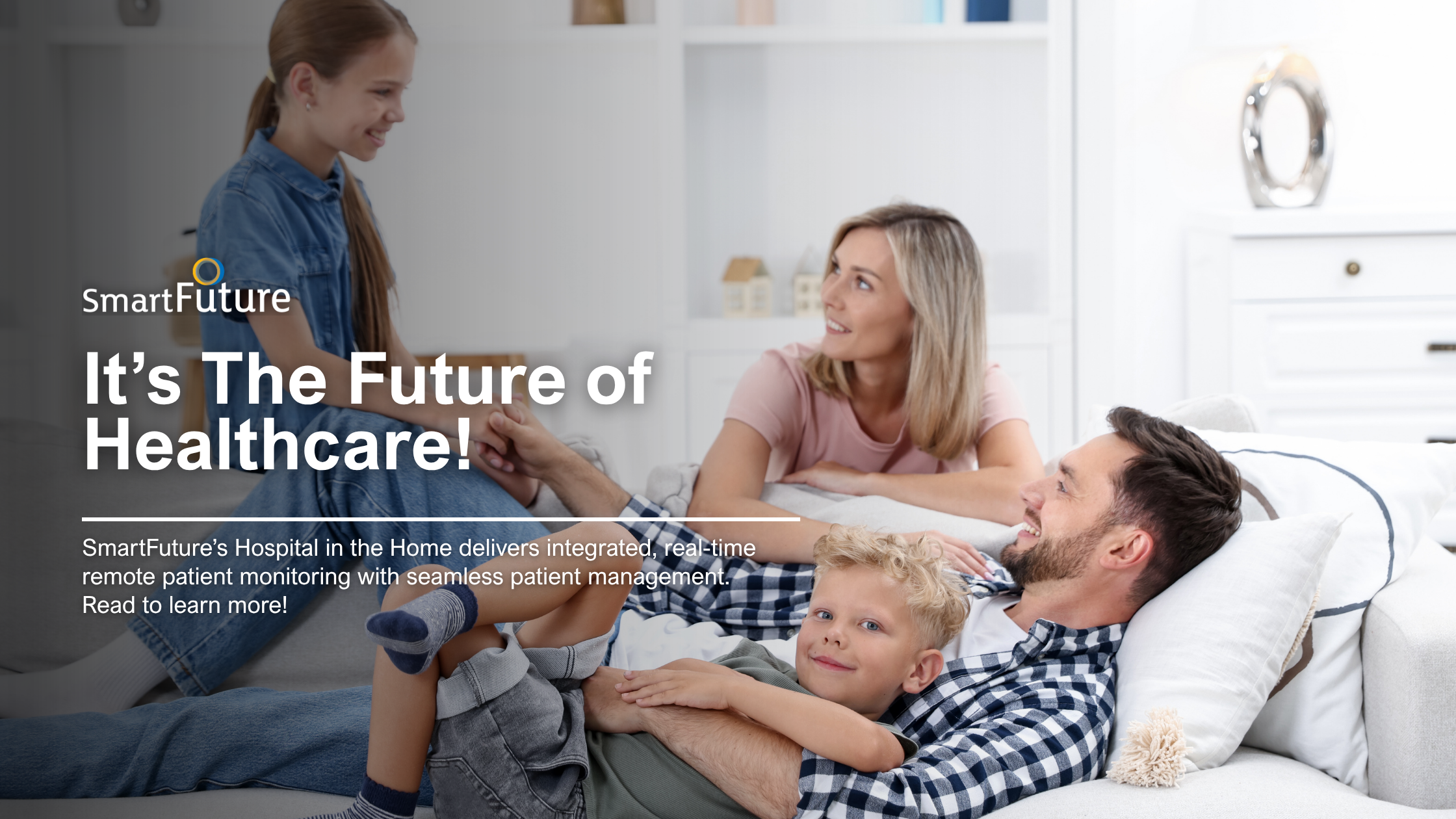
Hospital in the Home: The Future of Healthcare

For decades, hospitals have been the center of healthcare delivery. Managing everything from diagnosis to recovery within a single facility.

Today, that model is under increasing pressure to deliver better outcomes while managing rising costs, limited capacity, and workforce constraints. As a result, leading healthcare providers are shifting toward care models that extend beyond hospital walls, particularly in the critical post-discharge phase.

Recent studies show that 30-day hospital readmission rates typically range between 10% and 20%, depending on patient population and condition and is highlighting a persistent gap in post-discharge care management (JAMA Network Open, 2024; Journal of the American College of Cardiology, 2023; Frontiers in Public Health, 2024).

For healthcare providers, this translates into:

  • Increased operational costs
  • Strain on bed capacity
  • Pressure on quality metrics and reimbursement models

Without structured monitoring after discharge, providers are often left reacting to complications instead of preventing them.

From Episodic Care to Continuous Monitoring

To address this gap, healthcare systems are transitioning from episodic treatment to continuous care delivery. This shift is enabled by remote patient monitoring (RPM), allowing providers to track patient health data in real time, even after patients leave the hospital.

More recent research reinforces the value of this approach. A randomized clinical study found that integrating remote patient monitoring data significantly improves the prediction of 30-day readmissions compared to traditional discharge data alone (NIH, 2023).

This enables providers to:

  • Identify high-risk patients earlier
  • Intervene before conditions escalate
  • Improve care coordination across teams

Ultimately, continuous monitoring shifts care delivery from reactive intervention to proactive patient management.

Does Care Beyond Hospitals Deliver Measurable Outcomes?

The effectiveness of care outside hospitals is no longer theoretical, it is supported by growing clinical evidence. For example, A 2024 study found that remote patient monitoring significantly reduced hospital readmissions and emergency visits among high-risk post-discharge patients (JMIR, 2024).

At a broader level, a meta-analysis of randomized controlled trials showed that remote monitoring can reduce hospitalizations while maintaining overall healthcare efficiency (PMC, 2024). These findings reinforce a critical point that is when implemented effectively, care beyond hospitals improves both clinical outcomes and operational performance.

To operationalize this shift, SmartFuture has developed Hospital in the Home, a care model powered by Remote Patient Monitoring (RPM).

Rather than being a separate solution, RPM is the core technology that enables hospital-level care to continue safely at home.

This model allows healthcare providers to maintain continuous visibility over patient conditions after discharge, without requiring physical hospital stays.

How it works

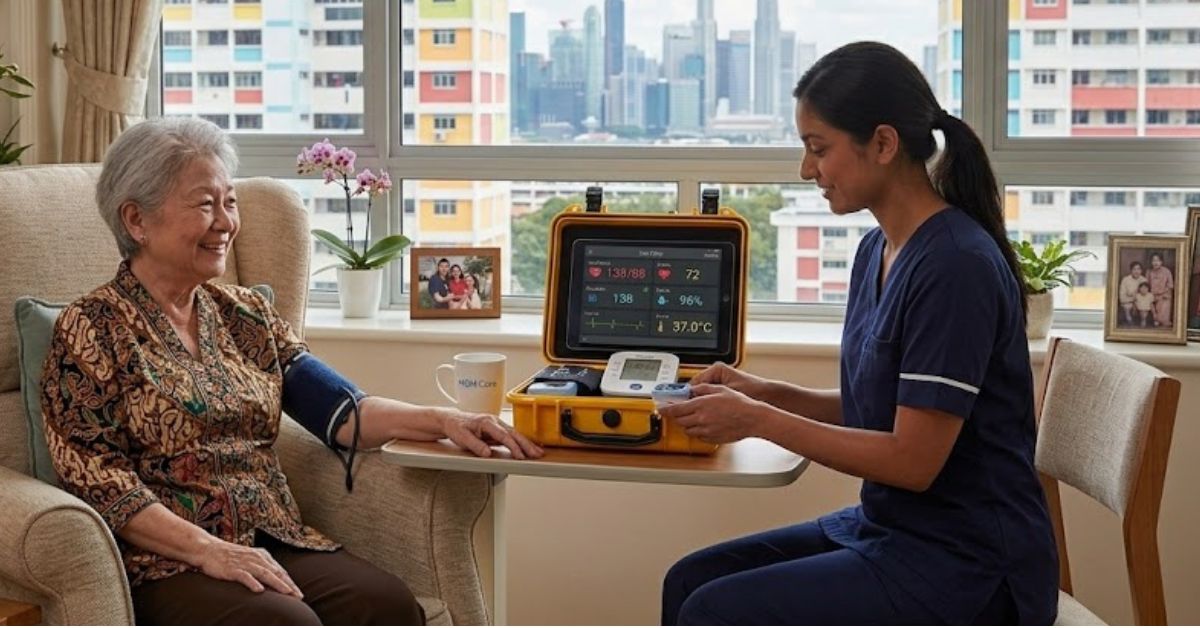
Through connected monitoring devices and a centralized platform, patient health data is captured and transmitted in real time, enabling care teams to stay informed, responsive, and proactive.
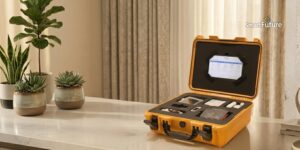
Core capabilities include:

  • Real-time tracking of patient vitals through through SmartFuture’s Medikit and other integrated medical devices
  • Continuous data transmission to care teams
  • Automated alerts for abnormal readings
  • Ongoing clinical supervision without requiring inpatient stays
  • Seamless patient management and communication between providers and patients
  • Comprehensive home care services all-in-one integrated platform
  • Full customization and total flexibility to align with different care protocols

By leveraging Remote Patient Monitoring as its foundation, Hospital in the Home transforms post-discharge care into a continuous, connected, and data-driven experience.

Business Impact for Healthcare Organizations

This approach delivers measurable value across key operational metrics:
Reduced Readmissions
Continuous monitoring enables early intervention, lowering avoidable readmissions.
Optimized Bed Utilization
Patients can safely recover at home, freeing capacity for higher-acuity cases.
Lower Cost of Care
Reducing inpatient days directly decreases operational expenditure.
Improved Outcome Metrics
Enhanced post-discharge management supports value-based care performance.
Scalable Care Delivery
Providers can manage a larger patient population without proportional infrastructure expansion.

Ready to Extend Care Beyond Discharge?

Start extending care beyond discharge, improving outcomes while optimizing operations at scale.

Contact us for a demonstration!

📧 sales@oursmartfuture.com
📧 developer@oursmartfuture.com
📞 +65 8836 0984 (Mon–Fri, 10 AM–6 PM)
💬 WhatsApp available for faster response

 

The Role of Real-Time Resident Tracking for Healthcare Safety & Compliance

Ensuring resident safety while meeting regulatory requirements remains a persistent challenge for healthcare and senior care organizations.

As care environments become more complex and resident needs more varied, traditional supervision methods are often no longer sufficient. This has led many organizations to explore real-time resident tracking solutions as part of a broader approach to safety, accountability, and healthcare compliance technology.

The Evolving Risk Landscape in Care Environments

The Role of Real-Time Resident Tracking for Healthcare Safety & Compliance
Addressing the need of accessible Senior care facilities at home can be risky without proper equipment and the right protocol. Real time resident tracking devices help mitigate the risk by offering timely response and supervision of the resident by the professionals.

Senior care facilities, assisted living communities, and long-term care providers operate in environments where resident movement is constant and often unpredictable. Risks such as wandering, delayed response to incidents, or unaccounted movement can have serious consequences, not only for resident wellbeing but also for organizational compliance.

Regulatory frameworks increasingly expect organizations to demonstrate:

  • Clear duty-of-care protocols
  • Timely response to safety incidents
  • Accurate documentation of resident oversight

Manual logs and periodic checks, while still important, offer limited visibility in real time. This gap between expectation and operational reality is where technology-based solutions are increasingly being considered.

What Real-Time Resident Tracking Actually Addresses

A resident tracking solution is not about surveillance. At its core, it is designed to support situational awareness, giving care teams timely, accurate information that helps them respond appropriately when it matters most.

When implemented responsibly, real-time tracking can help organizations:

  • Identify unusual movement patterns
  • Reduce response time during safety incidents
  • Improve coordination among care staff
  • Maintain clearer records aligned with compliance requirements

These outcomes directly support both resident safety and organizational accountability, two priorities that are closely linked in modern care settings.

Compliance Is No Longer Only About Documentation

Healthcare compliance technology has traditionally focused on reporting and record-keeping. While documentation remains essential, regulators and auditors increasingly examine whether systems in place actively support safe care delivery.

Real-time resident tracking contributes to compliance by:

  • Providing verifiable data on response times
  • Supporting incident review and root-cause analysis
  • Demonstrating proactive risk management

In this context, compliance becomes less about retroactive paperwork and more about preventive systems that reduce the likelihood of adverse events occurring in the first place.

Resident Tracking: Balancing Safety, Privacy, and Operational Reality

One of the most important considerations for any resident tracking solution is balance. Care organizations must weigh safety benefits against privacy concerns, staff workload, and operational fit.

Successful deployments tend to share several characteristics:

  • Clear policies governing when and how tracking data is used
  • Transparency with residents and families
  • Integration into existing care workflows rather than adding complexity

When tracking systems are treated as part of a broader safety framework, they are more likely to be accepted by staff and trusted by stakeholders.

Why Infrastructure Thinking Matters

Organizations that approach resident tracking as a one-off technology purchase often struggle to realize long-term benefits. In contrast, those that view it as part of a healthcare compliance technology infrastructure are better positioned to scale and adapt.

Infrastructure-focused approaches emphasize:

  • Consistency across facilities
  • Alignment with regulatory standards
  • Long-term operational sustainability

This perspective shifts the conversation from “monitoring residents” to supporting safer care environments.

Looking Ahead

As care models continue to evolve, expectations around safety and compliance will only increase. Real-time resident tracking solutions, when implemented thoughtfully, can help organizations meet these expectations without compromising dignity or trust.

The most effective strategies focus not on technology alone, but on how technology supports people, such as residents, caregivers, and organizations alike.

For healthcare and senior care organizations evaluating how to strengthen safety and compliance frameworks, understanding how resident tracking fits within a broader care infrastructure is an important starting point.

Exploring solution models, governance considerations, and real-world applications can help decision-makers determine whether such systems align with their operational and regulatory needs.

Bridging the Gap Between Hospital and Home

The effectiveness of Hospital at Home for chronic disease management depends on one critical factor: continuous, accurate monitoring.

Without reliable data, home-based care risks becoming reactive rather than preventive. With integrated Remote Patient Monitoring and Direct Home Medical Kits, however, healthcare providers can deliver proactive, data-driven care.


View this post on Instagram


A post shared by SmartFuture (@smartfuture.sg)

Smart Future Resident Tracking Solution bridges this gap by enabling:

  • Early detection of health deterioration
  • Timely clinical interventions
  • Scalable remote care programs
  • Clinical effectiveness

With the support of advanced monitoring technologies and partners like Smart Future, Hospital at Home can quickly become the future standard of care.

Speak to our consultants

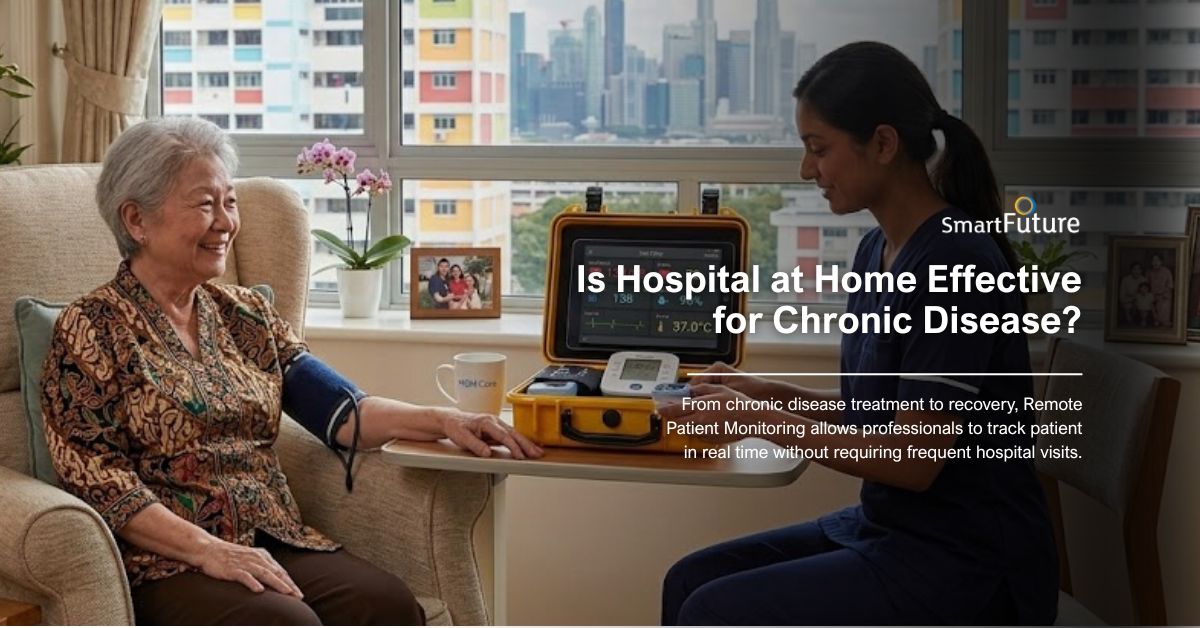
Is Hospital at Home Effective for Chronic Disease?

In 2023, the Centers for Medicare & Medicaid Services (CMS) in the United States reported that more than 300 hospitals across 37 states had adopted Hospital-at-Home (HaH) programs under its Acute Hospital Care at Home initiative. Early data showed that these programs contributed to reduced readmission rates and lower healthcare costs, while maintaining comparable clinical outcomes to inpatient care.

Meanwhile in Singapore, the Ministry of Health (MOH) has actively expanded Hospital-at-Home models since 2020, with pilot programs demonstrating safe delivery of acute care at home, particularly for elderly and chronic disease patients. According to MOH-supported studies, these programs helped alleviate hospital bed shortages while maintaining quality of care through remote monitoring and structured clinical oversight.

At the same time, chronic diseases remain the leading burden on healthcare systems globally. The World Health Organization (WHO, 2023) estimates that chronic conditions such as cardiovascular disease, diabetes, and respiratory illnesses account for over 74% of global deaths annually. In both the U.S. and Singapore, these conditions are also among the most common reasons for hospitalization, emergency care, and long-term treatment.

These trends are reshaping how healthcare is delivered. Increasingly, providers are asking whether hospital-level care, especially for chronic disease management and early-stage intervention, can be delivered safely outside traditional facilities.

What is Hospital at Home?

Is Hospital at Home Effective for Chronic Disease?
Hospital At Home program allows professionals to track patient in real time without requiring frequent hospital visits.

Hospital at Home is a care model that delivers hospital-level services directly in a patient’s home, replacing or shortening traditional inpatient stays.

Instead of being admitted to a hospital ward, eligible patients receive:

  • Daily virtual consultations with physicians
  • In-home nursing support
  • Medication administration
  • Continuous monitoring through connected medical devices

This model allows patients to recover in familiar environments while still receiving clinical-grade care.

In Singapore, Hospital-at-Home programs are being integrated into public healthcare systems to reduce strain on hospitals. In the U.S., major healthcare providers and insurers have expanded HaH programs as part of value-based care strategies.

Why Chronic Disease Needs a New Care Model

Chronic diseases such as diabetes, hypertension, COPD, and heart disease account for a significant portion of global healthcare utilization.

In the U.S., chronic diseases contribute to over 70% of healthcare spending, while in Singapore, they are among the leading causes of hospitalization and long-term care demand.

Traditional hospital-based care presents several challenges:

  • Frequent readmissions
  • High operational costs
  • Limited bed capacity
  • Patient discomfort and risk of hospital-acquired infections

By utilizing Hospital at Home, we are offered a solution by shifting care from reactive hospital visits to continuous, proactive management at home.

Chronic Diseases That Benefit from Hospital at Home

Diabetes

Patients with diabetes require continuous monitoring of glucose levels, blood pressure, and weight. Hospital-at-Home programs allow clinicians to track these metrics remotely and adjust treatment plans in real time.

Hypertension

Hypertension management relies heavily on consistent monitoring. With connected blood pressure devices, patients can be observed daily without needing frequent clinic visits.

Chronic Obstructive Pulmonary Disease (COPD)

COPD patients are highly vulnerable to exacerbations. Monitoring oxygen saturation and respiratory patterns at home enables early intervention, reducing emergency hospital admissions.

Heart Disease

For patients with heart failure or cardiovascular conditions, tracking weight changes, oxygen levels, and heart function is critical. Hospital-at-Home programs help detect early signs of deterioration, such as fluid retention or abnormal vital signs.

Technologies Enabling Hospital at Home

The success of Hospital at Home depends on a combination of medical technology and digital connectivity.

Remote Patient Monitoring Kits

These kits include medical-grade devices that track vital signs continuously. Data is transmitted to healthcare providers in real time, enabling proactive care.

Teleconsultation

Virtual consultations allow physicians to assess patients daily without requiring physical visits. This ensures continuity of care while reducing logistical barriers.

Portable Diagnostics

Portable medical equipment enables in-home testing, reducing the need for hospital-based diagnostics.

Together, these technologies create a connected care ecosystem that supports hospital-level treatment at home.

Clinical Benefits of Hospital at Home

Lower Healthcare Costs

Hospital-at-Home programs have demonstrated significant cost savings by reducing inpatient stays, minimizing emergency visits, and optimizing resource utilization.

Improved Patient Satisfaction

Patients consistently report higher satisfaction when treated at home. Familiar surroundings reduce stress, improve comfort, and support faster recovery.

Reduced Hospital Overcrowding

By shifting eligible patients out of hospital beds, healthcare systems can allocate resources to more critical cases. This is particularly important in urban environments like Singapore.

Reduced Risk of Hospital-Acquired Infections

Home-based care significantly lowers exposure to infections commonly associated with hospital stays.

The Role of Smart Future in Hospital at Home

As Hospital-at-Home models expand, the need for reliable, scalable monitoring solutions becomes critical. This is where Smart Future’s Direct Home Medical Kits play a key role.

Smart Future provides Hospital in Home solutions designed to support healthcare providers, clinics, and home care agencies in delivering hospital-grade care outside traditional settings.

What’s Included in Smart Future Kits


View this post on Instagram


A post shared by SmartFuture (@smartfuture.sg)

Smart Future’s Direct Home Medical Kits typically include:

  • Pulse Oximeter – for monitoring oxygen saturation
  • Blood Pressure Monitor – for cardiovascular tracking
  • Pulse Meter – for heart rate monitoring
  • Weight Scale – for detecting fluid retention and metabolic changes

The device’s inclusion can be customized and is integrated into a centralized system that delivers:

  • Real-time data tracking
  • Customizable thresholds for alerts
  • Automated health reports
  • Secure dashboards for clinicians

This allows healthcare providers to monitor multiple patients simultaneously while maintaining high clinical standards.

Bridging the Gap Between Hospital and Home

The effectiveness of Hospital at Home for chronic disease management depends on one critical factor: continuous, accurate monitoring.


Without reliable data, home-based care risks becoming reactive rather than preventive. With integrated Remote Patient Monitoring and Direct Home Medical Kits, however, healthcare providers can deliver proactive, data-driven care.

Smart Future bridges this gap by enabling:

  • Early detection of health deterioration
  • Timely clinical interventions
  • Scalable remote care programs
  • Seamless integration into existing healthcare systems
  • The Future of Chronic Disease Management

As healthcare systems in Singapore, the United States, and beyond continue to evolve, Hospital at Home is becoming a cornerstone of modern care delivery.

For chronic disease management, this model offers a sustainable solution that balances:

  • Clinical effectiveness
  • Cost efficiency
  • Patient-centered care

With the support of advanced monitoring technologies and partners like Smart Future, Hospital at Home can quickly become the future standard of care.

For healthcare providers and organizations exploring this model, the question is no longer whether it works, but how quickly it can be implemented effectively.

Speak to our consultants

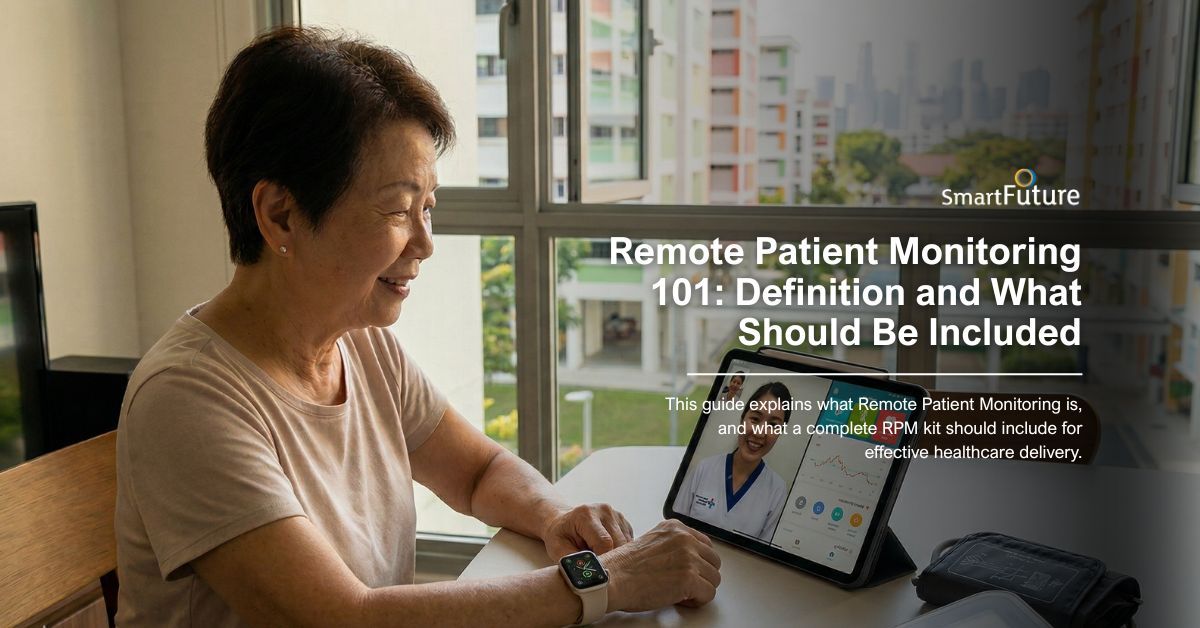
Remote Patient Monitoring 101: Definitions, Providers, and What Should Be Included

Healthcare is undergoing a major digital transformation, and one of the most influential technologies shaping the future of patient care is Remote Patient Monitoring (RPM). As hospitals and healthcare providers seek more efficient ways to manage patients outside traditional clinical settings, RPM has emerged as a powerful solution.

From chronic disease management to post-hospital recovery, Remote Patient Monitoring allows healthcare professionals to track patient health data in real time without requiring frequent hospital visits. For healthcare institutions, startups, and investors exploring digital health solutions, understanding the fundamentals of RPM is essential to implementing the right system.

The Rise of Remote Patient Monitoring in Modern Healthcare

Remote Patient Monitoring is one of the fastest-growing healthcare technologies worldwide. Healthcare systems are increasingly shifting from reactive care to preventive and continuous monitoring.

Several factors are driving the growth of RPM:

  • The increasing prevalence of chronic diseases such as hypertension, diabetes, and heart disease
  • Rising healthcare costs and hospital overcrowding
  • Advances in connected medical devices and digital health platforms
  • Growing demand for home-based healthcare services

For hospitals and clinics, RPM offers the opportunity to monitor patients beyond hospital walls while maintaining high standards of care.

For patients, it provides greater convenience and continuous medical oversight without repeated visits to healthcare facilities.

What is Remote Patient Monitoring?

Remote Patient Monitoring refers to the use of connected medical devices and digital technologies to collect patient health data outside traditional healthcare settings and transmit that data to healthcare professionals for review and analysis.

These systems allow physicians and care teams to monitor key health indicators such as blood pressure, oxygen levels, heart activity, weight, and body temperature from a patient’s home.

RPM is commonly used in healthcare applications such as:

  • Chronic disease management (hypertension, heart failure, diabetes)
  • Post-surgical recovery monitoring
  • Elderly care and assisted living
  • Respiratory disease management
  • Hospital-at-home programs

By enabling real-time monitoring, RPM helps healthcare providers detect potential health issues early and intervene before conditions worsen.

Key Components of a Remote Patient Monitoring System

A successful RPM program depends on several interconnected components that work together to collect, transmit, and interpret patient health data.

Medical Devices

Connected medical devices are the foundation of Remote Patient Monitoring. These devices measure vital signs and health indicators directly from the patient.

Examples include blood pressure monitors, pulse oximeters, ECG monitors, weight scales, and thermometers. These tools must be medical-grade and clinically validated to ensure accurate readings.

Software Platform

RPM devices connect to a centralized digital platform that stores and processes patient health data. This software platform enables healthcare providers to access patient information securely.

It also ensures seamless data transmission from the patient’s device to the medical team.

Data Dashboards

Healthcare professionals need clear, visual insights to interpret patient data quickly. RPM platforms typically include dashboards that display trends, vital sign readings, and alerts in an easy-to-understand format.

These dashboards help clinicians monitor multiple patients simultaneously and identify potential issues.

Clinical Alerts

An effective RPM system includes automated alerts for abnormal readings. If a patient’s blood pressure, oxygen level, or heart rhythm exceeds safe thresholds, the system immediately notifies healthcare providers.

These alerts allow clinicians to respond quickly, preventing complications and reducing hospitalizations.

Types of Remote Patient Monitoring Providers

As RPM adoption grows, various organizations are offering solutions in this space. Understanding the types of providers helps healthcare institutions choose the right partner.

Hospitals and Healthcare Systems

Many hospitals are developing in-house RPM programs to monitor patients after discharge or manage chronic diseases remotely. These programs often integrate with existing hospital electronic medical record systems.

Home Care Companies

Home healthcare providers frequently use RPM technology to monitor elderly or chronically ill patients living at home. This approach allows caregivers to track patient health continuously while reducing unnecessary hospital visits.

Telehealth Providers

Telemedicine companies increasingly incorporate RPM solutions into their platforms. By combining virtual consultations with real-time health monitoring, telehealth providers offer more comprehensive care services.

White Label Medical Device Companies

Some healthcare providers prefer white-labelled RPM solutions that allow them to deliver monitoring services under their own brand. These solutions include medical devices, software platforms, and technical support.

White-label RPM providers enable hospitals and healthcare startups to launch monitoring programs quickly without building the infrastructure from scratch.

What Should an RPM Kit Include?

A well-designed Remote Patient Monitoring kit should include essential medical devices that track key vital signs and health indicators.

Blood Pressure Monitor

Hypertension is one of the most common chronic conditions worldwide. A reliable digital blood pressure monitor allows clinicians to track cardiovascular health and detect potential risks.

Pulse Oximeter

Pulse oximeters measure oxygen saturation levels in the blood. This device is essential for monitoring respiratory conditions and detecting early signs of breathing problems.

ECG Monitor

Electrocardiogram (ECG) devices track heart rhythm and detect abnormalities such as arrhythmias. Continuous heart monitoring can help identify cardiac issues early.

Weight Scale

Smart weight scales help monitor fluid retention and metabolic changes, particularly in patients with heart failure or obesity.

Thermometer

Body temperature monitoring remains a fundamental health indicator. Digital thermometers provide quick and accurate readings that can signal infection or illness.

Together, these devices provide a comprehensive view of a patient’s vital health metrics.

Building an RPM Ecosystem with Smart Future

For healthcare providers looking to implement Remote Patient Monitoring, choosing the right technology partner is critical.

Smart Future offers white-labelled Remote Patient Monitoring ecosystems designed specifically for hospitals, clinics, telehealth providers, and healthcare startups.

The Smart Future RPM solution integrates:

  • Medical-grade monitoring devices
  • Secure digital health platforms
  • Real-time data dashboards
  • Clinical alert systems

By combining these elements into Direct Home Medical Kits, Smart Future enables healthcare providers to launch scalable RPM programs without the complexity of developing their own infrastructure.

These solutions support hospital-at-home initiatives, chronic disease monitoring, and remote patient care models that are becoming increasingly important in modern healthcare.

Speak to our consultants

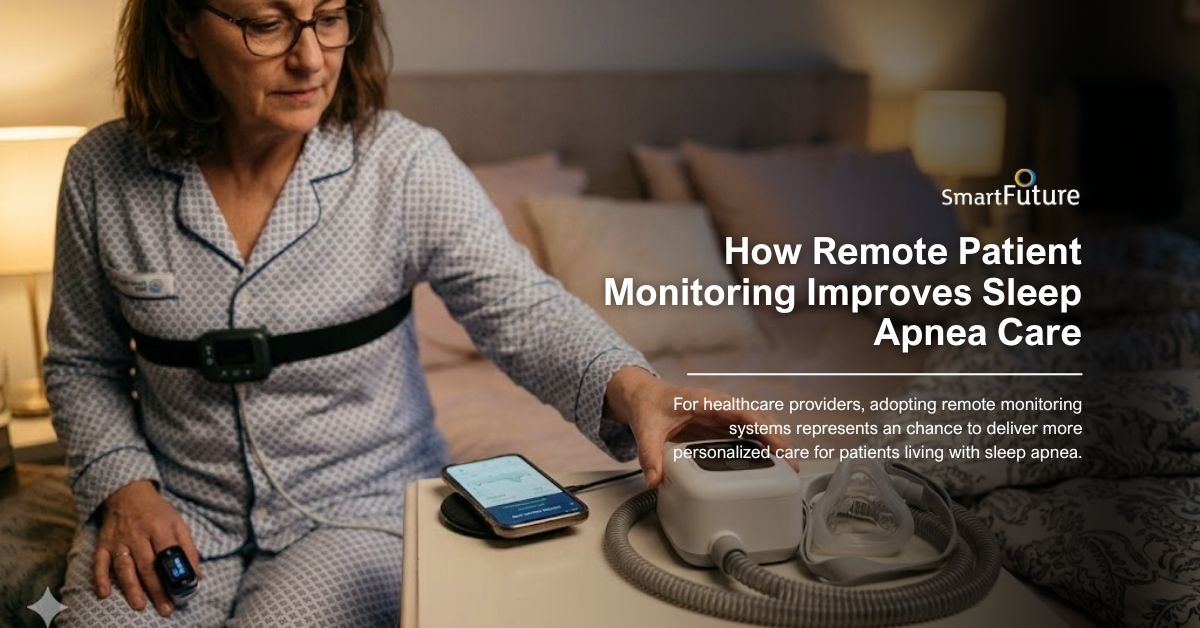
Remote Monitoring in CPAP and NIV: How Remote Patient Monitoring Improves Sleep Apnea Care

Sleep apnea has become one of the most common yet underdiagnosed sleep disorders worldwide. Characterized by repeated interruptions in breathing during sleep, the condition affects millions of individuals and significantly increases the risk of cardiovascular disease, diabetes, and chronic fatigue.

Continuous Positive Airway Pressure (CPAP) therapy and Non-Invasive Ventilation (NIV) remain the gold standard treatments for moderate to severe sleep apnea. However, despite the effectiveness of these therapies, patient adherence remains a major challenge. Many patients struggle to use their devices consistently, reducing the effectiveness of treatment and increasing the risk of complications.

Today, Remote Patient Monitoring (RPM) is transforming the way sleep apnea is managed. By enabling clinicians to monitor patients’ respiratory data in real time, RPM helps improve therapy adherence, detect problems early, and optimize long-term outcomes.

The Growing Burden of Sleep Apnea

Sleep apnea is more than just loud snoring or poor sleep quality. The condition occurs when the airway becomes partially or completely blocked during sleep, leading to pauses in breathing and drops in oxygen levels.

Untreated sleep apnea has been linked to several serious health risks, including:

  • Hypertension
  • Heart disease
  • Stroke
  • Diabetes
  • Daytime fatigue and impaired cognitive function

CPAP and NIV therapies work by delivering pressurized air through a mask to keep the airway open during sleep. When used correctly, these therapies can dramatically improve sleep quality and overall health.

However, the success of treatment depends heavily on patient compliance.

Challenges in Sleep Apnea Treatment

Despite the proven effectiveness of CPAP and NIV therapy, long-term adherence remains relatively low. Many patients discontinue therapy within the first year of treatment. Several factors contribute to this issue.

Poor Compliance

Some patients find CPAP masks uncomfortable or experience difficulty adjusting to sleeping with a machine. Without proper guidance and follow-up, many patients gradually reduce usage or stop altogether.

Lack of Monitoring

Traditionally, sleep therapy relies on periodic clinic visits to evaluate progress. This means clinicians may not detect problems until weeks or months later.

Without continuous monitoring, issues such as mask leaks, poor device usage, or deteriorating respiratory conditions may go unnoticed.

Device Misuse

Incorrect pressure settings, mask positioning, or inconsistent device usage can significantly reduce the effectiveness of therapy.

These challenges highlight the need for more proactive and connected approaches to sleep apnea care.

The Role of Remote Patient Monitoring in Sleep Apnea Management

Remote Patient Monitoring (RPM) allows clinicians to track patient data from CPAP or NIV devices while patients remain at home. Through connected medical devices and digital dashboards, healthcare providers can monitor treatment progress and intervene when necessary.

RPM systems collect and analyze a range of critical health metrics.

Monitoring Oxygen Levels

Pulse oximeters integrated into RPM systems measure oxygen saturation throughout the night. Drops in oxygen levels may indicate apnea events or inadequate therapy.

Continuous oxygen monitoring helps physicians assess treatment effectiveness and make timely adjustments.

Tracking Sleep Patterns

RPM platforms can analyze sleep duration, interruptions, and breathing irregularities. These insights provide a more comprehensive view of the patient’s sleep quality.

Detecting Respiratory Events

Advanced sensors can detect apnea episodes, hypopnea events, and breathing irregularities during sleep. This information helps clinicians refine therapy settings and evaluate patient progress.

Monitoring CPAP Device Usage

One of the most valuable features of RPM is tracking how often and how long patients use their CPAP devices.

Clinicians can review data such as:

  • Daily usage hours
  • Mask leakage levels
  • Pressure settings
  • Therapy effectiveness

If usage drops below recommended levels, healthcare providers can contact the patient and provide guidance.

Technologies Enabling Remote Monitoring

Modern sleep apnea care relies on a combination of connected medical devices and digital health platforms.

Smart CPAP Devices

New-generation CPAP machines are equipped with wireless connectivity, allowing therapy data to be automatically transmitted to healthcare providers.

These devices can track usage patterns, detect mask leaks, and adjust pressure levels to optimize therapy.

Pulse Oximetry

Pulse oximeters measure blood oxygen saturation levels during sleep. When integrated into RPM systems, they provide continuous monitoring of respiratory health.

Respiratory Sensors

Respiratory monitoring devices track breathing patterns, airflow, and respiratory rate. These sensors help detect abnormal breathing events during sleep.

Mobile Health Dashboards

Healthcare professionals can access patient data through secure dashboards that display real-time insights and alerts. This allows clinicians to identify potential problems and intervene quickly.

Benefits of Remote Patient Monitoring for Sleep Apnea Care

The integration of RPM into sleep therapy offers several important advantages for both patients and healthcare providers.

Early Intervention

Real-time monitoring enables clinicians to identify issues before they become serious complications. Adjustments to therapy can be made immediately without waiting for the next clinic appointment.

Improved Therapy Adherence

Patients who know their therapy is being monitored are more likely to follow treatment recommendations. Regular feedback and support can significantly increase long-term compliance.

Reduced Complications

By ensuring consistent therapy usage and early detection of problems, RPM helps reduce the risk of cardiovascular complications associated with untreated sleep apnea.

Better Patient Engagement

Remote monitoring platforms often include patient portals that allow individuals to view their own sleep data. This transparency encourages patients to take a more active role in managing their health.

Supporting Sleep Monitoring Ecosystems with Smart Future

As healthcare systems increasingly adopt remote care models, integrated monitoring solutions are becoming essential. Smart Future provides Direct Home Medical Kits designed to support remote monitoring for sleep apnea and respiratory care.

These kits combine medical-grade devices such as pulse oximeters, respiratory monitoring tools, and connected health platforms that allow sleep clinics, respiratory specialists, and hospitals to monitor patients outside traditional clinical settings.

By enabling real-time data collection and remote access for healthcare professionals, Smart Future solutions help create a comprehensive sleep monitoring ecosystem that improves treatment outcomes and patient safety.

The Future of Sleep Apnea Care

Remote Patient Monitoring is rapidly becoming a cornerstone of modern sleep medicine. As digital health technologies continue to evolve, RPM will play an even greater role in improving therapy adherence, reducing healthcare costs, and enhancing patient outcomes.

For sleep clinics and healthcare providers, adopting connected monitoring systems represents an opportunity to deliver more personalized, proactive care for patients living with sleep apnea.

Speak With a Smart Future Consultant

If your clinic or healthcare facility is looking to implement Remote Patient Monitoring for CPAP or NIV therapy, Smart Future can help you build an integrated monitoring system using reliable Direct Home Medical Kits.

Contact a Smart Future consultant today to learn how remote monitoring technology can improve sleep apnea care, enhance patient adherence, and support the future of connected respiratory healthcare.

Speak to our consultants

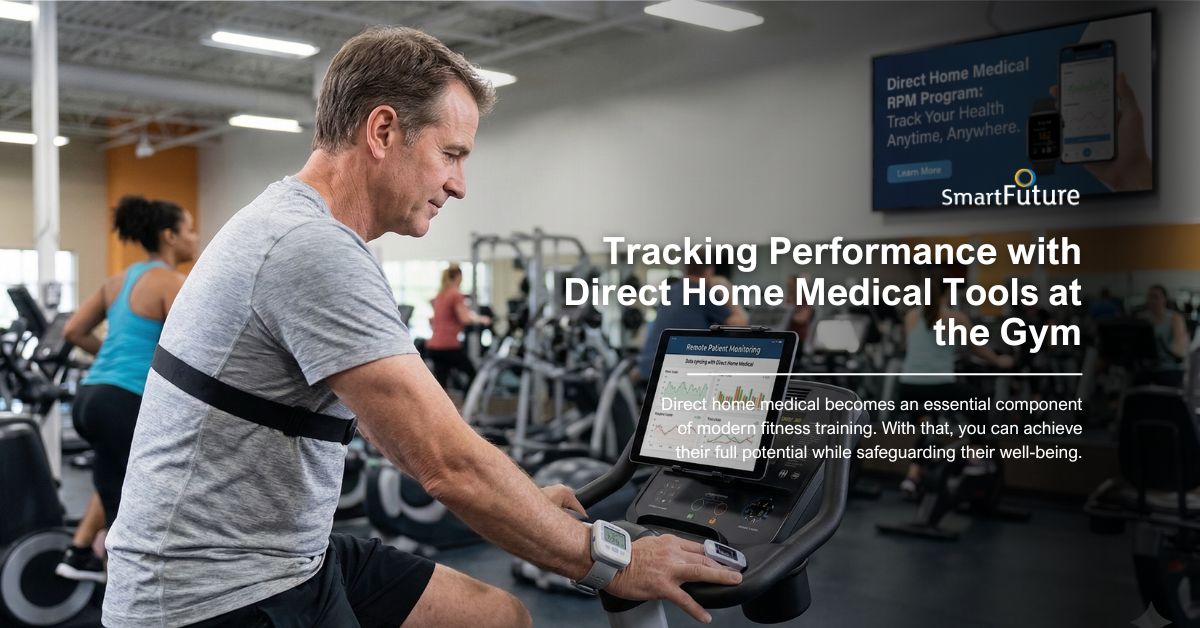
Tracking Recovery and Performance with Direct Home Medical Tools at the Gym

The modern fitness industry is no longer driven solely by motivation, discipline, and physical endurance. Today’s fitness professionals are increasingly relying on data-driven insights to optimize training, monitor recovery, and prevent injuries. From elite sports teams to everyday gym enthusiasts, the integration of medical-grade monitoring tools is redefining how people approach performance and health.

What was once reserved for hospitals and clinical settings is now entering gyms, rehabilitation centers, and sports facilities. Direct Home Medical Kits, equipped with advanced monitoring devices, are enabling trainers, therapists, and athletes to track vital health metrics in real time. By combining fitness performance data with medical insights, these tools help create safer, smarter, and more effective training environments.

The Rise of Data-Driven Fitness

Over the past decade, wearable fitness trackers and smart watches have popularized the idea of monitoring steps, heart rate, and calories burned. However, as training intensity increases and sports science evolves, basic consumer wearables are no longer enough for athletes who want deeper insights.

Fitness professionals are now turning to medical-grade monitoring devices that measure key health indicators such as blood pressure, oxygen saturation, and heart rhythm. These metrics provide a clearer picture of how the body responds to physical stress and recovery.

For gyms, rehabilitation centers, and sports clinics, integrating these tools into daily training routines allows them to move beyond subjective assessments. Instead of guessing whether an athlete is ready for the next session, trainers can rely on measurable physiological data to guide decisions.

Why Monitoring Matters in Fitness

Intense workouts place significant strain on the body. Without proper monitoring, athletes risk pushing beyond safe physiological limits.

Over training Risks

Over-training is a common issue among dedicated athletes and fitness enthusiasts. Symptoms often include fatigue, declining performance, sleep disturbances, and increased injury risk.

Monitoring tools such as heart rate variability trackers, blood pressure monitors, and recovery indicators can help detect early signs of overtraining. By identifying these warning signals, trainers can adjust workout intensity before performance declines or injuries occur.

Cardiovascular Stress

High-intensity workouts significantly elevate heart rate and blood pressure. While this stress can be beneficial when managed correctly, excessive strain can pose health risks, particularly for individuals with undiagnosed cardiovascular conditions.

Medical monitoring tools allow gyms and sports clinics to measure cardiovascular responses during and after workouts. Tracking these indicators ensures that training programs remain both effective and safe.

Injury Recovery

For athletes recovering from injuries, proper monitoring plays a critical role in rehabilitation. Physiological data can reveal how the body responds to physical therapy sessions, helping professionals determine when an athlete is ready to return to full activity.

This approach reduces the risk of re-injury and ensures that recovery progresses at the right pace.

Direct Home Medical Tools Used in Gyms

Several medical devices are now becoming essential components of modern fitness and rehabilitation facilities. These tools provide accurate physiological insights that go far beyond standard fitness trackers.

Blood Pressure Monitors

Monitoring blood pressure helps identify abnormal cardiovascular responses to training. Regular checks can detect hypertension or unusual stress levels during intense workouts.

Pulse Oximeters

Pulse oximeters measure oxygen saturation levels in the blood. For endurance athletes and high-intensity training programs, maintaining adequate oxygen levels is essential for optimal performance.

ECG Wearable Monitors

Electrocardiogram (ECG) monitors track heart rhythm and detect irregularities such as arrhythmias. These devices are particularly valuable for athletes engaged in intense cardiovascular training.

Smart Thermometers

Body temperature monitoring can indicate early signs of infection, dehydration, or heat stress. This information is crucial for athletes training in high-temperature environments.

Body Composition Monitors

Advanced scales measure body fat percentage, muscle mass, hydration levels, and metabolic indicators. Tracking these metrics helps athletes adjust training and nutrition strategies more effectively.

How Data Improves Training Outcomes

Access to medical-grade health data enables trainers and athletes to make smarter decisions about training intensity, recovery periods, and performance optimization.

Detecting Early Fatigue

Physiological indicators such as elevated resting heart rate or declining oxygen levels may signal fatigue before an athlete feels it physically. Early detection allows trainers to modify workouts and prevent performance decline.

Tracking Cardiovascular Health

Consistent monitoring of heart health ensures that athletes are training within safe cardiovascular limits. Over time, this data can also reveal improvements in endurance and overall fitness.

Improving Performance Analytics

When combined with performance metrics such as speed, strength, and endurance, health data provides a comprehensive picture of athletic progress. This integrated approach helps refine training strategies and maximize results.

Integration with Remote Patient Monitoring

The next evolution of fitness monitoring is the integration of Remote Patient Monitoring (RPM) technologies. RPM systems allow health data collected during workouts to be securely shared with healthcare professionals in real time.

This collaboration between trainers and medical experts offers several benefits:

  • Physicians can monitor athletes with underlying health conditions
  • Abnormal readings can trigger immediate alerts
  • Recovery programs can be supervised remotely

For professional athletes, this level of monitoring ensures that performance optimization never compromises long-term health.

The Future of Medical Monitoring in Sports

As digital health technologies continue to evolve, the future of sports performance will increasingly rely on advanced monitoring systems.

Artificial intelligence may soon analyze physiological data to predict fatigue, injury risks, and optimal recovery schedules. Telehealth platforms will also enable athletes to consult sports physicians without leaving their training environments.

These innovations will transform gyms into data-enabled performance centers, where health monitoring and fitness training work together seamlessly.

Bringing Medical Monitoring to the Gym with Smart Future

For gyms and sports facilities looking to adopt this new approach, integrating medical-grade equipment can often seem complex. However, solutions such as Direct Home Medical Kits from Smart Future are designed to simplify the process.

Smart Future provides comprehensive direct home medical monitoring kits that include devices such as blood pressure monitors, pulse oximeters, and digital health tracking tools. These kits allow gyms to implement professional health monitoring without requiring hospital-level infrastructure.

By equipping trainers, therapists, and athletes with reliable medical data, Smart Future helps fitness facilities elevate their services while prioritizing safety and recovery.

Speak to our consultants

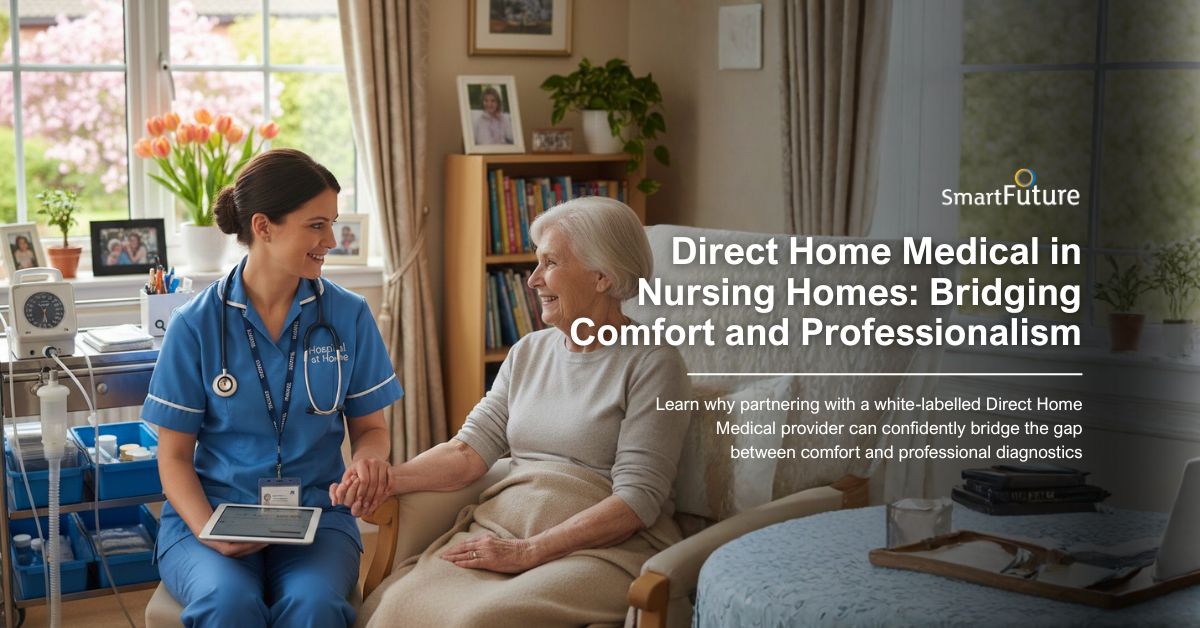
Direct Home Medical in Nursing Homes: Bridging the Gap Between Comfort and Professional Diagnostics

The evolution of Hospital-at-Home (HaH) and Direct Home Medical implementation services in Singapore has reshaped acute care delivery by decentralising inpatient services into residential environments.

Building on this model, the Hospital-at-Nursing Home (HaNH) pilot introduced by the Ministry of Health extended hospital-level care directly into nursing homes.

Preliminary findings from Sengkang General Hospital demonstrate feasibility, comparable length of stay to traditional HaH, and meaningful benefits in admission avoidance and early supported discharge.

However, nursing home residents represent a more vulnerable cohort with higher frailty, multimorbidity, and post-discharge risks. These findings underscore a crucial insight: while clinical models are foundational, the success of implementation relies heavily on robust remote diagnostics, real-time monitoring infrastructure, and trusted technology partners.

For nursing homes in Singapore, partnering with a white-labelled, trusted direct home medical device provider can bridge operational gaps, strengthen clinical oversight, and increase the success rate of Hospital-at-Home extensions.

Introduction: A Growing Need for Alternative Acute Care

Singapore’s rapidly ageing population has intensified healthcare demand. In 2023 alone, older adults (≥65 years) accounted for:

  • 56.3% of hospital admissions
  • 66.8% of total hospital bed days
  • An average hospital stay of 8 days for nursing home residents (vs. 5-day national average)

Traditional hospitalisation often leads to:

  • Functional decline
  • Delirium
  • Hospital-acquired infections
  • Increased system strain

The Hospital-at-Home (HaH) programme, introduced in Singapore in 2018 and expanded during COVID-19, demonstrated that inpatient-level care can be delivered safely in patients’ homes through remote monitoring, medication administration, and virtual consultations.

Recognising its benefits, the Ministry of Health approved the pioneering HaNH pilot, which brings hospital-level services directly into nursing homes.

The HaNH Pilot: Study Design and Clinical Outcomes

Between November 2023 and December 2024, a prospective study compared:

  • HaNH cohort: 16 nursing home residents
  • HaH cohort: 349 community-dwelling patients

Patient Profile

HaNH patients were significantly older (mean age 80.3 years vs. 54.5 years in HaH).

Common diagnoses included:

  • Pneumonia (56.3%)
  • Urinary tract infections / Pyelonephritis (18.8%)

Length of Stay

The median length of stay in HaNH was 3 days, statistically comparable to HaH (p = 0.73).

This demonstrates that hospital-level treatment can be delivered efficiently within nursing homes without prolonging illness duration.

Escalation to Hospital

Escalation to physical hospital facilities occurred in:

  • 18.8% of HaNH patients
  • 3.4% of HaH patients

Although adjusted risk (aRR = 1.32) attenuated after accounting for age and gender, the findings highlight a central issue:

Nursing home residents are clinically fragile and require tighter monitoring thresholds.

Post-Discharge Vulnerability: The Critical Window

HaNH patients demonstrated higher post-discharge risks, particularly within 30 days:

  • Mortality (RR = 10.9)
  • Emergency Department visits (RR = 3.18)

Risks declined over 60 and 90 days but remained elevated compared to HaH.

This trend aligns with global literature: nursing home residents have lower physiological reserves and higher frailty burdens.

Yet, an important nuance emerges:

The higher risk profile does not invalidate HaNH. Rather, it underscores the necessity of a stronger diagnostic infrastructure within nursing homes.

Why HaNH Still Represents a Major Advancement

Despite higher escalation and post-discharge events, HaNH offers substantial system-level and patient-centred benefits:

1. Reduced Hospital Bed Utilisation

In land-scarce Singapore, building more infrastructure is unsustainable. HaNH alleviates bed shortages.

2. Admission Avoidance & Early Supported Discharge

Three patients avoided hospital admission entirely. Thirteen were discharged early from the wards.

3. Reduced Hospital-Acquired Infections

Nursing home residents remain in familiar environments, lowering exposure to nosocomial pathogens.

4. Goal-Concordant End-of-Life Care

One mortality occurred under palliative care, aligned with the patient’s preferred place of death, an ethically significant outcome.

The Missing Link: Technology Readiness in Nursing Homes

The study identified operational challenges:

  • Resource constraints
  • Increased workload on nursing staff
  • Need for close monitoring of pneumonia and UTI
  • Escalation due to delayed deterioration detection

These findings point to a systemic requirement:

Hospital-level care cannot rely on clinical workflows alone; it demands reliable, integrated medical technology.

Without real-time monitoring and standardised diagnostic tools, escalation risk remains high.

The Role of Direct Home Medical Devices

To strengthen Hospital at Home implementation, nursing homes require:

  • Continuous vital sign monitoring
  • Secure teleconsultation interfaces
  • Cloud-based data dashboards
  • Structured escalation alerts
  • Standardised diagnostic kits

A white-labelled Direct Home Medical and Remote Patient Monitoring (RPM) solution enables nursing homes to operate with hospital-grade infrastructure while maintaining branding continuity and operational autonomy.

Why White-Labelled Partnerships Increase Success Rates

1. Standardisation of Care

A trusted provider ensures calibrated, hospital-grade devices (BP monitors, pulse oximeters, digital thermometers, ECG patches) that align with acute care protocols.

2. Real-Time Escalation

Automated alerts reduce the delay in detecting:

  • Desaturation in pneumonia
  • Tachyarrhythmias
  • Sepsis markers

This directly addresses the primary escalation drivers identified in HaNH.

3. Staff Empowerment

With intuitive dashboards and training support:

  • Nursing staff gain confidence
  • Physician time is optimised
  • Communication gaps narrow

4. Data-Driven Predictive Modeling

Structured RPM data enables predictive analytics for:

  • Early deterioration signals
  • Risk stratification
  • Tailored patient selection

This directly supports the study’s recommendation for improved inclusion criteria and predictive modelling.

Case Reflection: What the HaNH Pilot Teaches Us

The HaNH pilot demonstrates three key lessons:

  1. Feasibility is proven.
  2. Frailty risk is real but manageable.
  3. Infrastructure maturity determines scalability.

While the pilot achieved a comparable length of stay to HaH, escalation and post-discharge events highlight an implementation gap, not a model failure.

Strengthening technology ecosystems can meaningfully reduce these risks.

Scaling Hospital-at-Home in Singapore: The Strategic Opportunity

Singapore’s Ministry of Health is actively exploring the expansion of value-based care models nationwide.

For broader rollout, the system must address:

  • Cost-effectiveness
  • Workforce capacity
  • Diagnostic readiness
  • Caregiver confidence

White-labelled Direct Home Medical providers offer scalability advantages:

  • Rapid deployment kits
  • Device lifecycle management
  • Training modules
  • Integrated telehealth platforms
  • Customisable branding for institutional partners

Such partnerships reduce operational friction and improve stakeholder confidence, particularly among family members who may initially perceive brick-and-mortar hospitals as superior.

Bridging Comfort and Professional Diagnostics

The essence of Hospital at Home lies in reconciling two traditionally opposing paradigms:

Traditional Hospital Nursing Home Setting
High diagnostic capacity High comfort & familiarity
Risk of delirium Reduced stress
High infection exposure Controlled environment
Centralised resources Limited infrastructure

Direct home medical technology bridges this divide.

With hospital-grade remote diagnostics embedded in nursing homes, residents receive:

  • Comfort of familiarity
  • Professional oversight
  • Reduced hospital transfers
  • Better alignment with personal care preferences


Conclusion

The Hospital-at-Nursing Home pilot marks a transformative milestone in Singapore’s healthcare evolution.

While nursing home residents inherently carry a higher clinical risk, the previous cases and programmes demonstrated feasibility, comparable length of stay, and meaningful admission avoidance.

The higher escalation and post-discharge risks do not diminish the model’s value. Rather, they illuminate the necessity for:

  • Stronger monitoring infrastructure
  • Standardised diagnostic tools
  • Integrated remote patient monitoring
  • Trusted technology partnerships

In the next phase of Hospital-at-Home expansion, success will not depend solely on clinical protocols, but on the ecosystem that supports them.

By partnering with a white-labelled and trusted Direct Home Medical provider, nursing homes can confidently bridge the gap between comfort and professional diagnostics, ensuring that acute care remains not only accessible but safe, scalable, and future-ready in Singapore.

The Smart Future Approach

As a white-labelled Direct Home Medical and Remote Patient Monitoring provider in Singapore, Smart Future aligns with the future trajectory of Hospital-at-Home expansion.

Our approach supports:

  • Hospital-grade device deployment
  • Secure remote dashboards
  • Early warning systems
  • Workflow integration
  • Customisable institutional branding

By enabling nursing homes to deliver acute-level monitoring seamlessly, Smart Future helps reduce escalation risk and support sustainable scalability.

Contact SmartFuture today to explore how our Direct Home Medical Kit can strengthen your healthcare strategy.

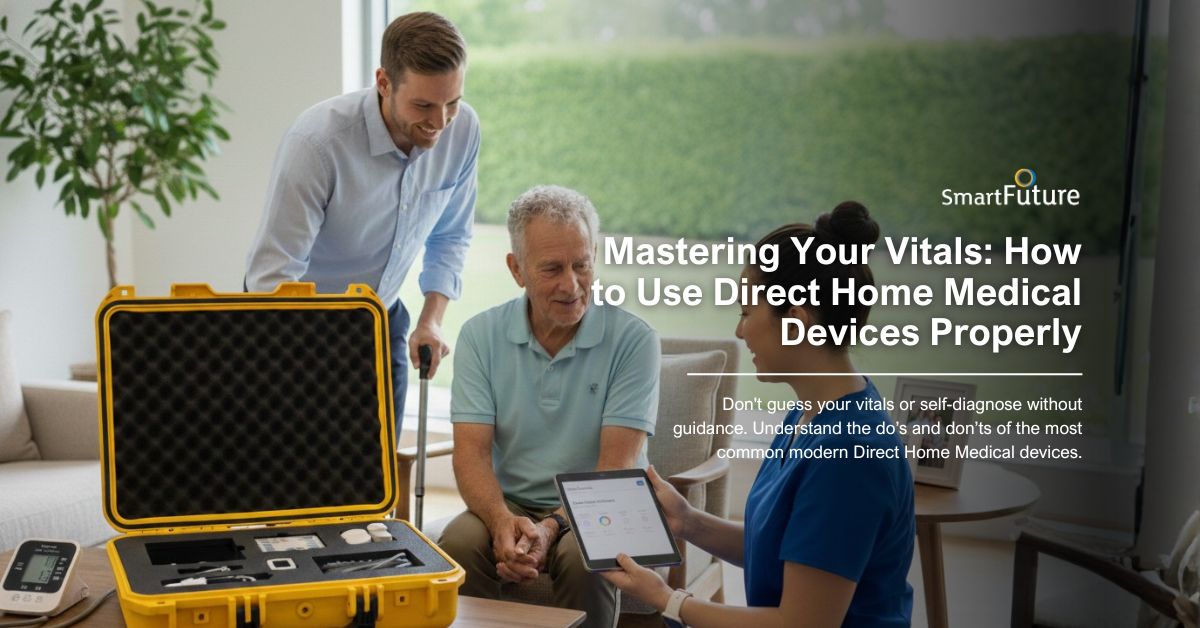
Mastering Your Vitals: How to Use Direct Home Medical Devices Properly

Do not guess your vitals. Do not self-diagnose without guidance. Do not ignore abnormal readings. Do monitor consistently. Do record trends. Do share results with your care provider. As healthcare shifts beyond hospital walls, direct home medical devices are becoming part of everyday life across homes, remote worksites, senior residences, cruise environments, and corporate wellness programs.

The opportunity is powerful: earlier detection, better disease management, and fewer emergency escalations. The risk, however, lies in misuse, inconsistent measurement, or misinterpretation of data.

This guide walks you through the do’s and don’ts of the most common devices found inside a modern Direct Home Medical Kit, and explains how structured use improves outcomes.

Why Proper Usage Matters

Vital monitoring devices generate health data. Data without discipline creates noise. Data with structure creates insight.

Incorrect placement of a Blood Pressure Monitor, poor timing with a Blood Glucose Monitor, or improper breathing technique during a Spirometer test can produce misleading readings. In remote settings, where clinical staff may not be physically present, accuracy becomes even more critical.

The goal is simple:
Standardize measurement. Reduce error. Enable timely escalation.

The Dos and Don’ts of Utilizing Common Home Direct Medical Devices

Blood Pressure Monitor

Blood pressure is one of the most widely tracked metrics in remote care and home-based programs.

Do’s and Don’ts

Do Don’t
Sit quietly for 5 minutes before measuring Measure immediately after exercise or caffeine
Keep feet flat on the floor Cross your legs
Place cuff at heart level Place cuff over clothing
Take readings at the same time daily Rely on a single measurement

Why It Matters

Inconsistent positioning can change readings by 10–20 mmHg. Trends over time matter more than isolated numbers.

Termometer

A Termometer is one of the simplest but most powerful screening tools, especially in infection control or post-operative care.

Do’s and Don’ts

Do Don’t
Use the same measurement method consistently Switch between oral, forehead, and ear without noting
Wait 15 minutes after drinking hot/cold liquids Measure immediately after eating
Clean after each use Share without disinfecting

Even a low-grade fever can signal deterioration. Consistency ensures reliable tracking.

Blood Glucose Monitor

For diabetes management and metabolic monitoring, timing and calibration are critical.

Do’s and Don’ts

Do Don’t
Wash hands before testing Test with residue on fingers
Follow prescribed timing (fasting, post-meal) Test randomly without schedule
Record readings with meal notes Ignore contextual data

Glucose trends guide dietary adjustments, medication titration, and preventive care.

Also read: Learn How to Implement Remote Patient Monitor devices across different locations

Ultrasound

Portable Ultrasound devices are increasingly used in remote clinics, offshore platforms, and mobile inpatient programs.

Do’s and Don’ts

Do Don’t
Ensure trained operator use Self-operate without guidance
Use correct probe positioning Apply excessive pressure
Store with protective casing Leave exposed to dust/moisture

Ultrasound requires competency. When integrated into structured programs, it supports early detection and triage decisions.

ECG Monitor

An ECG Monitor detects heart rhythm irregularities and supports cardiac oversight.

Do’s and Don’ts

Do Don’t
Attach electrodes to clean, dry skin Apply over lotion or sweat
Stay still during recording Move or talk
Follow recommended duration Shorten recording time

Movement artifacts often mimic arrhythmias. Correct setup improves accuracy.

Oximeter

An Oximeter measures oxygen saturation and pulse rate.

Do’s and Don’ts

Do Don’t
Remove nail polish Use with dark polish or artificial nails
Warm cold hands before reading Measure with cold fingers
Sit still during measurement Take readings while moving

In respiratory conditions, even small changes in oxygen saturation require attention.

Dermatoscope

A Dermatoscope supports skin examination and early lesion detection.

Do’s and Don’ts

Do Don’t
Use proper lighting Use in dim environments
Capture clear, focused images Take blurred or angled shots
Share images with clinician Self-diagnose based on online comparisons

High-resolution imagery enables remote dermatological consultation.

Spirometer

A Spirometer measures lung capacity and airflow.

Do’s and Don’ts

Do Don’t
Take full deep breath before exhaling Blow weakly
Seal lips tightly around mouthpiece Allow air leakage
Repeat test 2–3 times for accuracy Rely on one attempt

Technique influences readings. Coaching improves reliability.

Home-Sleep Test

A Home-Sleep Test monitors breathing patterns and sleep disturbances.

Do’s and Don’ts

Do Don’t
Follow setup instructions carefully Adjust sensors during the night
Sleep in usual environment Change sleep habits during testing
Return device promptly for analysis Delay data review

Proper placement ensures accurate sleep apnea detection.

The Bigger Risk: Fragmentation

Using individual devices separately without coordination often leads to:

  • Inconsistent documentation
  • Delayed data sharing
  • Reduced escalation speed
  • Lower adherence rates

This is where structured integration becomes essential.

Why SmartFuture Direct Home Medical Kit Changes the Equation

SmartFuture’s Direct Home Medical Kit consolidates essential tools into a single, rugged, deployment-ready solution.

Instead of fragmented tools:

  • Devices are standardized
  • Data collection is guided
  • Transmission is secured
  • Oversight is centralized

Whether deployed in homes, senior care, remote workplaces, or cruise environments, the kit ensures consistent practice and operational visibility.

Healthcare organizations are moving toward unified monitoring ecosystems, not disconnected tools.

Mastery Means Discipline

Monitoring is not about reacting to emergencies. It is about identifying patterns early.

When used correctly:

  • Blood pressure trends predict cardiovascular risk
  • Glucose patterns guide metabolic adjustments
  • Oxygen saturation warns of respiratory decline
  • Sleep disruptions signal systemic stress

In structured environments, data becomes actionable insight.

Final Checklist Before You Deploy Direct Home Medical Devices

Question Why It Matters
Are staff trained? Reduces misuse
Are protocols standardized? Ensures consistency
Is data transmitted securely? Protects privacy
Is oversight centralized? Enables timely intervention

The Future of Direct Home Medical Devices

Healthcare delivery in 2026 is not confined to facilities. It extends to homes, distributed operations, and community environments.

The difference between effective remote care and chaotic monitoring lies in integration.

SmartFuture supports organizations that want structured, scalable, white-labeled solutions that maintain brand control and clinical oversight.

Ready to Master Your Vitals with Confidence?

If you are building a remote monitoring program, expanding home-based care, or equipping distributed teams with medical readiness tools, SmartFuture’s Direct Home Medical Kit delivers reliability, integration, and operational visibility.

Contact SmartFuture today to explore how our Direct Home Medical Kit can strengthen your healthcare strategy.

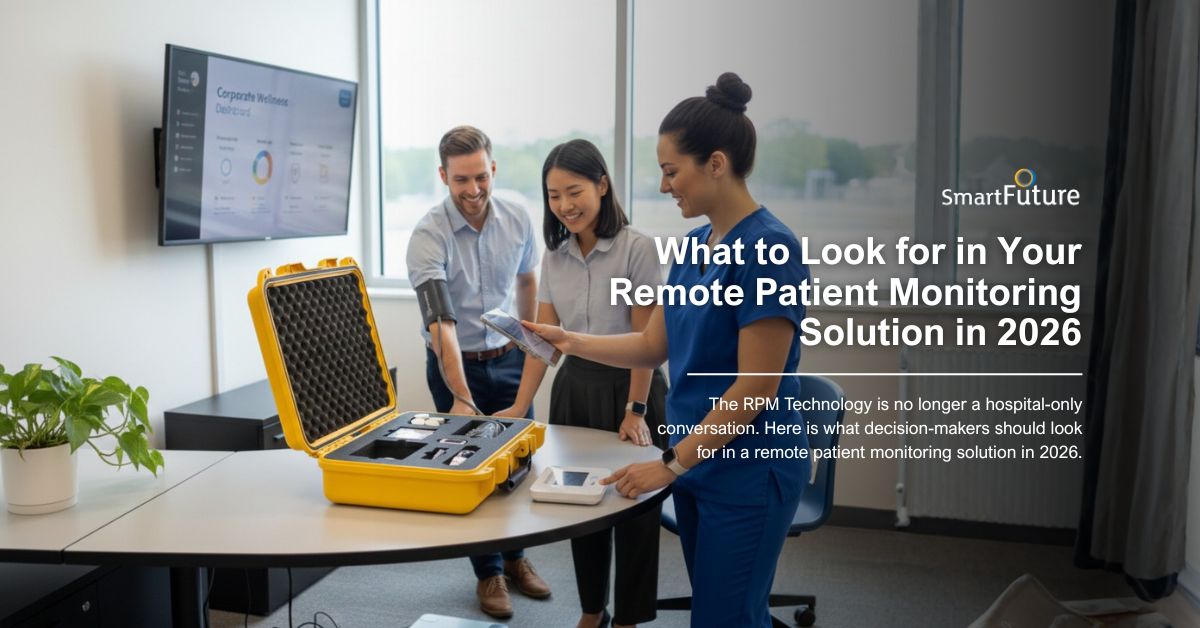
What to Look for in Your Remote Patient Monitoring Solution in 2026

Remote patient monitoring solution is no longer a hospital-only conversation. By 2026, RPM has become infrastructure ,  embedded across corporate offices, nursing homes, industrial sites, schools, cruise vessels, senior housing, and hospital-at-home programs. What began as an emergency response tool during COVID-19 has evolved into a permanent layer of modern health operations.

For customers across industries ,  healthcare providers, employers, operators of distributed environments, and public institutions ,  the question is no longer whether to adopt remote patient monitoring. The question is how to choose the right remote patient monitoring solution.

Here is what decision-makers should look for in a remote patient monitoring solution in 2026.

1. Industry Fit, Not Just Clinical Fit

In 2021, RPM selection centered around hospitals managing overflow. In 2026, deployment contexts are far broader.

An offshore energy operator requires low-latency transmission over satellite.
A corporate wellness program requires aggregated dashboards without exposing individual health data.
A nursing home needs continuous monitoring and fall detection.
A cruise operator needs integration with maritime medical response.

One-size-fits-all RPM systems often fail when applied to specialized environments.

A strong remote patient monitoring solution should:

  • Support multiple deployment settings
  • Adapt to varying connectivity conditions
  • Allow white-label configuration
  • Integrate into existing workflows without friction

The solution must reflect your operational environment, not force you into a predefined template.

2. Patient Comfort Drives Data Quality

Actionable data comes from adherence.

Across industries, whether monitoring an executive with hypertension, a worker on an industrial site, or a resident in long-term care, patient comfort determines compliance. If devices are bulky, intrusive, or complicated, engagement declines.

When evaluating a remote patient monitoring system, assess:

  • Device weight and ergonomics
  • Battery life and charging simplicity
  • Adhesion and wearability
  • Ease of use for non-clinical populations
  • Minimal disruption to daily life

In 2026, wearable RPM devices must feel nearly invisible. The more seamlessly they integrate into daily routines, the more reliable the health data stream becomes.

3. Secure, Scalable Architecture

The volume of patient data generated by RPM programs has multiplied in recent years. Continuous glucose monitors alone can generate hundreds of data points per week. Multiply that across a population and the scale becomes significant.

Security and scalability are not optional features. They are baseline requirements.

Organizations should evaluate:

  • Cloud security standards
  • Data encryption protocols
  • Role-based access control
  • Cybersecurity compliance
  • Redundancy systems
  • Latency performance

Data must be protected not only from breaches but also from operational interruption. For industries operating in remote areas, offline redundancy and edge processing capabilities are increasingly important.

Additionally, systems must integrate with electronic health records (EHRs) using interoperable standards such as FHIR. Without seamless integration, RPM becomes a parallel system instead of an operational enhancement.

4. Real-Time vs. Batch Monitoring Capabilities

Not all environments require real-time streaming. But some do.

An industrial site monitoring cardiac irregularities in remote workers requires real-time alerts.
A postoperative discharge program may operate on daily data review cycles.
A school-based asthma program may require threshold-triggered notifications only.

A mature remote patient monitoring solution allows flexibility between:

  • Real-time data transmission
  • Scheduled data capture
  • Alert-based escalation
  • Continuous streaming

The system should align with clinical urgency and operational risk tolerance.

5. Breadth of Monitoring Devices

RPM is no longer limited to blood pressure cuffs and glucometers.

In 2026, common remote patient monitoring devices include:

  • ECG patches
  • Pulse oximeters
  • Blood glucose monitors
  • Smart inhalers
  • Wearable fall detectors
  • Smart scales with fluid retention detection
  • Portable ultrasound probes
  • Biometric fatigue trackers

Organizations should ask:

  • Does the platform support multi-device integration?
  • Can it connect with third-party FDA-cleared devices?
  • Does it support bring-your-own-device models?
  • Can devices operate without requiring patient smartphones?

A flexible remote monitoring solution should not lock you into proprietary hardware unless strategically justified.

6. Intelligent Data Filtering

One of the largest 2026 challenges is not lack of data ,  it is excess data.

Clinicians and administrators cannot manually review every incoming data point. Artificial intelligence and automated filtering systems are critical.

An effective RPM solution should:

  • Prioritize clinically relevant alerts
  • Learn patterns over time
  • Reduce false positives
  • Escalate only actionable insights

Without intelligent filtering, RPM increases workload instead of reducing it.

7. Regulatory Alignment and Future-Proofing

Remote patient monitoring operates at the intersection of healthcare, technology, and regulatory compliance.

Manufacturers and solution providers must:

  • Ensure device classification compliance
  • Track evolving regulatory guidance
  • Align with regional reimbursement frameworks
  • Maintain transparent documentation

In 2026, reimbursement models continue to evolve. Value-based care and outcome-driven payment structures increasingly rely on RPM-generated data.

Your partner must anticipate regulatory shifts, not react to them.

8. Integration Into Existing Systems

Remote patient monitoring should supplement ,  not replace ,  your operational ecosystem.

Questions to consider:

  • Can it integrate with existing hospital systems?
  • Does it support independent diagnostic testing facilities?
  • Will it require additional hardware in facilities?
  • Can it coexist with other vendors’ devices?

The most effective RPM deployments enhance existing infrastructure rather than disrupt it.

9. Proven Leadership and Long-Term Partnership

Technology evolves quickly. Partnerships endure.

Beyond features and specifications, organizations should evaluate:

  • Leadership stability
  • Acquisition risk
  • Alignment of vision
  • Track record in your industry
  • Longevity of previous partnerships

In the past few years, major acquisitions in the RPM space have reshaped vendor landscapes. While consolidation can strengthen capabilities, it can also shift strategic priorities.

Choosing a partner in 2026 requires assessing whether their roadmap aligns with your long-term objectives.

10. Support and Training Infrastructure

RPM programs succeed when both clinicians and end-users feel confident.

A robust solution must include:

  • 24/7 technical support
  • Dedicated account management
  • Onboarding and training programs
  • Ongoing optimization reviews

Organizations deploying RPM across distributed environments cannot afford downtime or confusion.

The 2026 Reality: RPM as Operational Infrastructure

The early pandemic years accelerated RPM adoption. The years that followed cemented it.

Government reimbursement structures expanded. Clinician shortages intensified. Rural healthcare gaps widened. Corporate wellness became strategic. Industrial safety standards tightened. Patient expectations shifted permanently toward convenience.

Remote patient monitoring is now embedded in:

  • Hospital at Home programs
  • Corporate health initiatives
  • Nursing home oversight
  • Offshore safety protocols
  • Cruise medical operations
  • School health systems
  • Residential senior housing

The right remote patient monitoring solution is not merely a device network. It is a strategic operating layer.

Choosing Wisely

At SmartFuture, we believe organizations in 2026 must approach RPM selection with a systems mindset.

Great technology is necessary. But it is not sufficient.

The solution must align with your environment, scale with your growth, secure your data, integrate with your systems, empower your users, and support your long-term strategy.

Remote patient monitoring is here to stay. The only variable is how intelligently it is deployed.

Contact SmartFuture now to learn how our RPM platform and Direct Home Medical Kit solutions can empower your organization’s expansion.

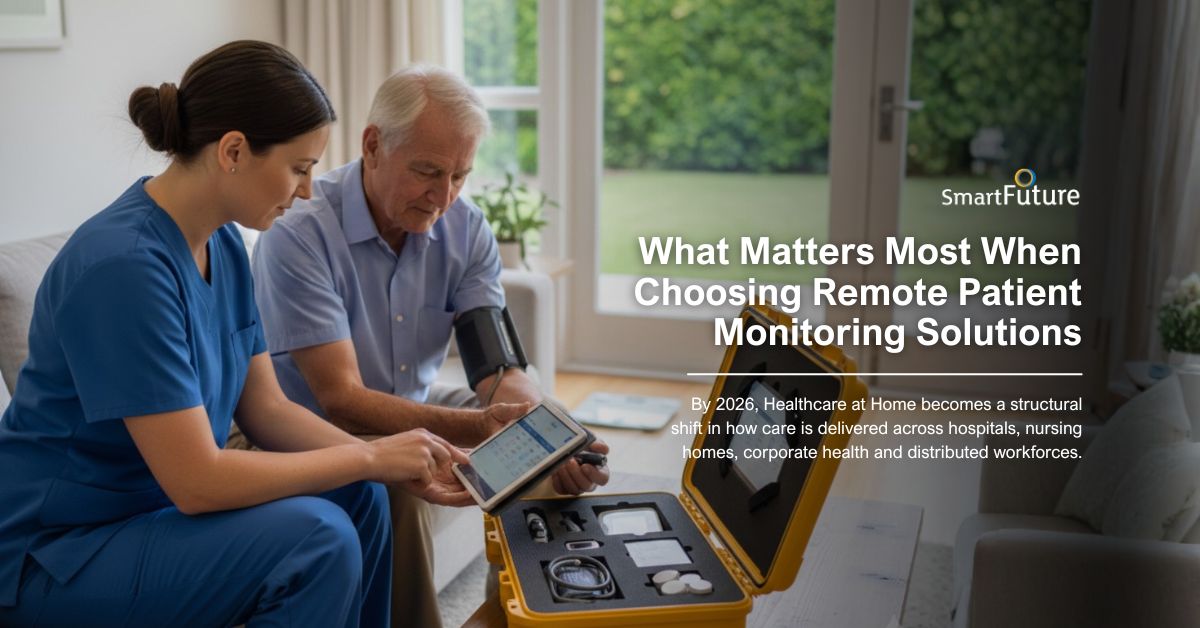
Healthcare at Home 2026: What Matters Most When Choosing Remote Patient Monitoring Solutions

Healthcare at home is no longer an experiment. By 2026, it is a structural shift in how care is delivered across hospitals, nursing homes, corporate health programs, insurers, and distributed workforces. Remote patient monitoring solutions now sit at the center of this transformation. They are not simply devices collecting vitals; they are operational infrastructure powering early detection, resource efficiency, and value-based care.

The global patient monitoring market is projected to approach $80 billion by 2029, growing at nearly 12% annually. That growth is not driven by hype. It is driven by outcomes: fewer emergency transfers, earlier deterioration detection, improved capacity management, and better use of clinical staff.

For decision-makers, the stakes are high. Choosing the right remote patient monitoring solution strengthens your healthcare at home strategy. Choosing poorly results in unused hardware, fragmented data, workflow friction, and long-term cost overruns.

At SmartFuture, we believe the conversation in 2026 must move beyond device features. The real question is: Does your remote patient monitoring system strengthen your organization’s long-term care model?

Here is what matters most.

1. Clinical Detection Accuracy in Real-World Environments

Start with the most fundamental question: Can the system detect patient deterioration early enough to intervene?

Marketing claims are not enough. You need real-world implementation data.

In acute settings, studies show that nearly 80% of ICU transfers occur within 48 hours of admission. Continuous monitoring systems that identify risk 18 hours before intervention create a measurable advantage. That window allows clinicians to prevent crises rather than respond to them.

In post-acute and healthcare at home environments, deterioration is slower and more subtle. Systems must establish patient baselines and detect gradual changes over three to five days. Continuous monitoring in home-based care settings is not about alarm volume, it is about intelligent trend recognition.

Detection accuracy must be paired with appropriate early warning thresholds tailored to your care environment.

2. Integration That Actually Works

Most healthcare organizations operate in complex IT ecosystems. Electronic health records, billing systems, analytics platforms, and device fleets often operate in silos.

A modern remote patient monitoring solution must integrate seamlessly into your existing infrastructure,  not through manual uploads or temporary workarounds, but through fully functioning interoperability.

Ask vendors to demonstrate:

  • Live EHR integrations
  • Bidirectional data flow
  • API documentation
  • Workflow automation
  • Alert routing logic

Data should move automatically from device capture to clinician dashboards without duplication or delay.

When integration works, clinical teams focus on care instead of acting as data intermediaries.

3. Customizable Monitoring Settings

Healthcare at home is not a single use case.

An emergency department requires different alert sensitivity compared to a rehabilitation facility. A nursing home serving elderly residents with chronic disease requires different baseline modeling compared to a post-surgical recovery program.

Your remote patient monitoring system must allow configuration by:

  • Care setting
  • Patient population
  • Risk profile
  • Clinical protocol

One-size-fits-all alert settings create alarm fatigue or missed deterioration. Flexibility is essential.

4. Technology Staff Will Actually Use

Adoption determines return on investment. If clinicians find the system complicated or intrusive, usage declines. If patients struggle with devices, compliance drops and data quality suffers.

User-centered design in 2026 means:

  • Clear visualization dashboards
  • Mobile accessibility
  • Minimal manual input
  • Automated reporting
  • Intuitive interfaces

Mobile access is particularly critical. Healthcare at home demands mobility. Clinicians must review alerts across distributed environments, not just at fixed stations.

5. Continuous Support and Evolution

Deployment is not the end of the journey.

Healthcare systems evolve. Staff turnover occurs. Regulations change. Patient populations shift. A strong remote patient monitoring partner provides:

  • Pre-deployment training
  • Ongoing onboarding
  • 24/7 technical support
  • Roadmap transparency
  • Continuous software updates

Vendors who disappear after installation create operational risk. RPM is a five- to ten-year investment. Your partner must be prepared for that timeline.

6. Cybersecurity and Regulatory Compliance

Healthcare at home expands the attack surface for cybersecurity threats.

In the United States, FDA clearance is mandatory for medical device commercialization. HIPAA compliance governs patient data protection. In Europe, CE marking and MDR compliance are non-negotiable, alongside GDPR data standards.

Beyond regulatory minimums, organizations should request:

  • SOC 2 certification
  • ISO 27001 compliance
  • Independent security audits
  • Encryption protocols (in transit and at rest)
  • Data ownership transparency

Patient data must remain secure, exportable, and fully under your control.

7. Scalability Across Populations

A pilot program is not a strategy.

Many monitoring solutions perform well in small trials but struggle at scale. Your system must support:

  • Multi-condition monitoring
  • Large patient populations
  • Multiple device types
  • Distributed care teams
  • Multi-site deployment

Scalability is not theoretical. Ask vendors for real examples of sustained, full-scale implementations.

8. Total Cost of Ownership, Not Sticker Price

Healthcare organizations lose billions annually to supply chain inefficiencies and vendor misalignment.

The lowest upfront cost rarely produces the lowest long-term cost.

Evaluate:

  • Hardware pricing
  • Software licensing
  • Implementation services
  • Training
  • Integration fees
  • Ongoing support
  • Upgrade pathways

Calculate five-year total cost of ownership. Factor in staff efficiency gains and reduced hospitalizations when modeling ROI.

9. The Strategic Advantage of White-Label Remote Patient Monitoring

In 2026, differentiation matters.

Healthcare providers, insurers, and enterprise health programs increasingly demand ownership over the patient experience. A white-label remote patient monitoring solution allows organizations to:

  • Deploy under their own brand
  • Maintain patient trust
  • Control communication flows
  • Preserve data ownership
  • Strengthen institutional identity

White-label RPM solutions are not cosmetic changes. They create strategic leverage.

For hospital systems, white-label deployment reinforces brand equity in healthcare at home programs. For insurers, it strengthens customer engagement. For corporate health providers, it ensures continuity with existing digital platforms.

At SmartFuture, our white-label architecture allows organizations to integrate RPM seamlessly into their existing digital ecosystem without sacrificing brand integrity or operational control.

Ownership of the patient journey matters. White-label solutions make that possible.

10. Workflow Before Technology

Technology cannot fix broken workflows.

Before selecting a remote patient monitoring solution, map:

  • Current monitoring processes
  • Pain points
  • Escalation pathways
  • Communication flows
  • Success metrics

Define what improvement looks like before deployment. Align RPM capabilities with operational goals.

Implementation requires buffer time. Change management cannot be rushed. Identify internal champions and plan for staff training cycles.

Healthcare at home is a transformation initiative — not a plug-and-play software purchase.

The Bottom Line

Healthcare at home in 2026 demands more than remote devices.

It demands intelligent detection, seamless integration, secure data infrastructure, scalable architecture, strong vendor partnership, and strategic brand control through white-label deployment.

The right remote patient monitoring solution becomes invisible. It surfaces actionable insights, reduces friction, and strengthens care delivery without increasing workload.

The wrong solution becomes expensive shelfware.

Start with your goals. Evaluate beyond the sales pitch. Verify real-world performance. Confirm integration. Demand compliance documentation. Calculate total cost of ownership. Prioritize scalability. And choose a partner aligned with your long-term vision.

Navigate RPM and Direct Home Medical Kits with SmartFuture

Choosing the right remote patient monitoring solution and direct home medical kit is a strategic move that shapes your care delivery model for years to come.

At SmartFuture, we help healthcare providers, nursing homes, hospitals, insurers, and enterprise organizations deploy scalable RPM infrastructure and integrated home medical kits that work in real-world environments. From white-labeled remote monitoring platforms to rugged, ready-to-deploy MediKit solutions, we ensure your organization gains clinical visibility, operational efficiency, and brand control — without unnecessary complexity.

If you’re building a Healthcare at Home program, expanding remote care services, or strengthening distributed medical response, our team will guide you through:

  • Selecting the right remote patient monitoring architecture
  • Integrating direct home medical kits into your workflow
  • Ensuring compliance, interoperability, and scalability
  • Preserving data ownership through white-label deployment

Connect with SmartFuture today and explore how our RPM platform and Direct Home Medical Kit solutions can support your organization’s next stage of growth.