How Hospital at Home in Singapore is Revolutionizing Patient Care

In the ever-evolving landscape of healthcare, the concept of “Hospital at Home” is emerging as a transformative model of patient care.

This innovative approach is reshaping how patients receive treatment, offering them the comfort and convenience of being treated in their own homes without compromising the quality of care.

At Smartfuture, we understand the power of this model and how it’s revolutionizing the healthcare industry.

The Rise of Hospital at Home

The traditional model of hospitalization often involves patients being admitted to healthcare facilities for extended periods. While this approach ensures constant monitoring and immediate access to medical care, it can also lead to unnecessary stress for patients and increased healthcare costs. “Hospital at Home” turns this model on its head by providing acute care in the patient’s home environment. This method not only improves patient satisfaction but also reduces the strain on hospital resources.

The Role of Customized Platforms in Hospital at Home

At the heart of the Hospital at Home movement is technology, and a crucial component of this technology is a customized platform. A customized healthcare platform enables healthcare providers to offer personalized care plans that cater to the unique needs of each patient. This is particularly important in a home setting, where the environment and patient circumstances can vary significantly.

Our white-label solutions are designed to empower healthcare providers with the flexibility to brand and tailor these platforms to their specific requirements. By leveraging our technology, healthcare providers can seamlessly integrate the Hospital at Home model into their existing operations, enhancing the patient experience while maintaining the high standards of care expected in a traditional hospital setting.

Remote Patient Monitoring Programme: A Cornerstone of Success

One of the key drivers behind the success of the Hospital at Home model is the ability to monitor patients remotely. Remote patient monitoring solutions allow healthcare providers to track vital signs, manage chronic conditions, and detect potential health issues in real-time, all from a distance. This continuous monitoring is essential in ensuring that patients receive the right care at the right time, without the need for constant physical presence.

Our healthcare platform integrates advanced remote patient monitoring tools, enabling healthcare providers to deliver high-quality care to patients in their homes. This not only improves patient outcomes but also reduces the overall cost of care by minimizing hospital readmissions and emergency visits.

The Power of Telehealth Platforms

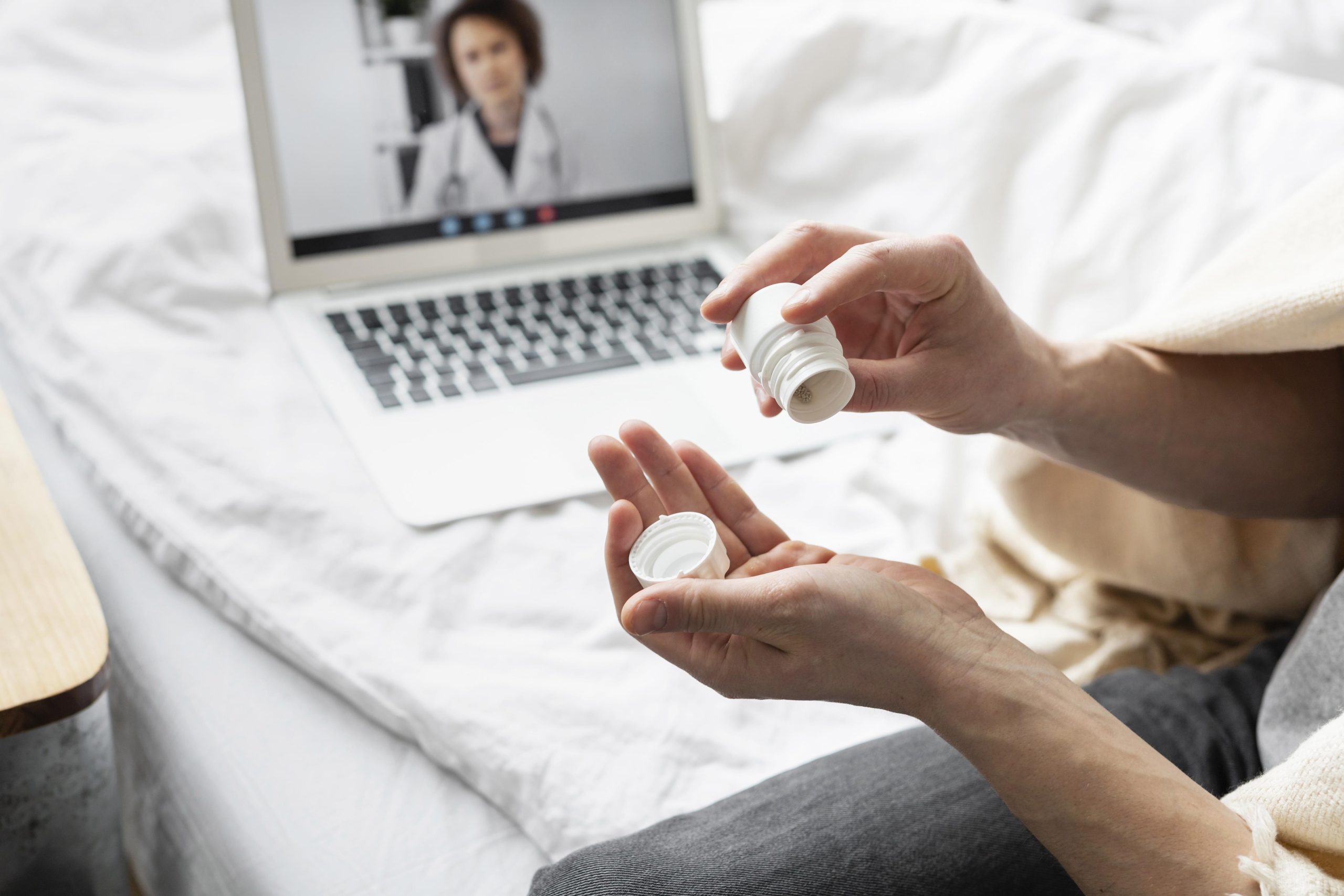
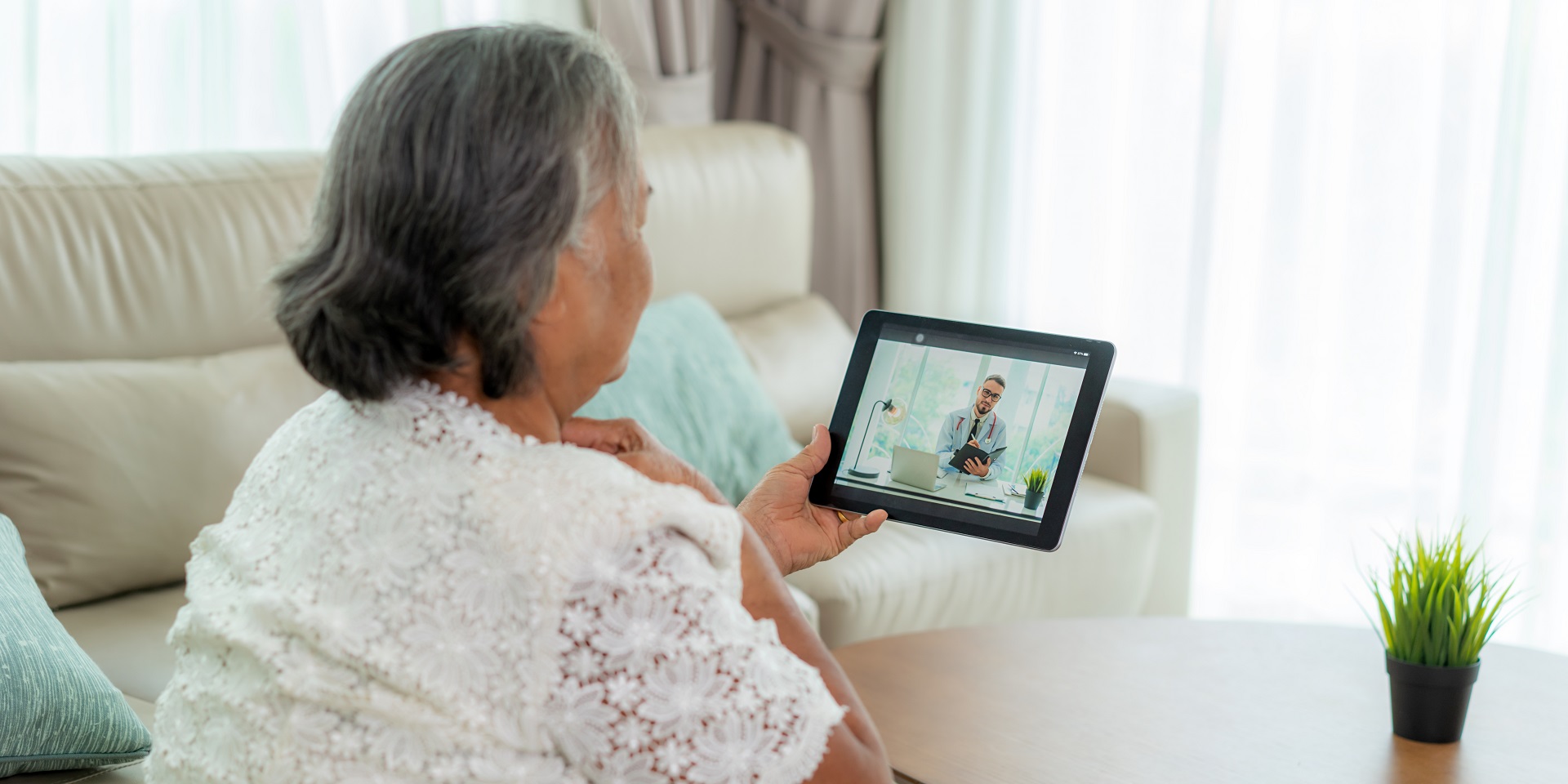
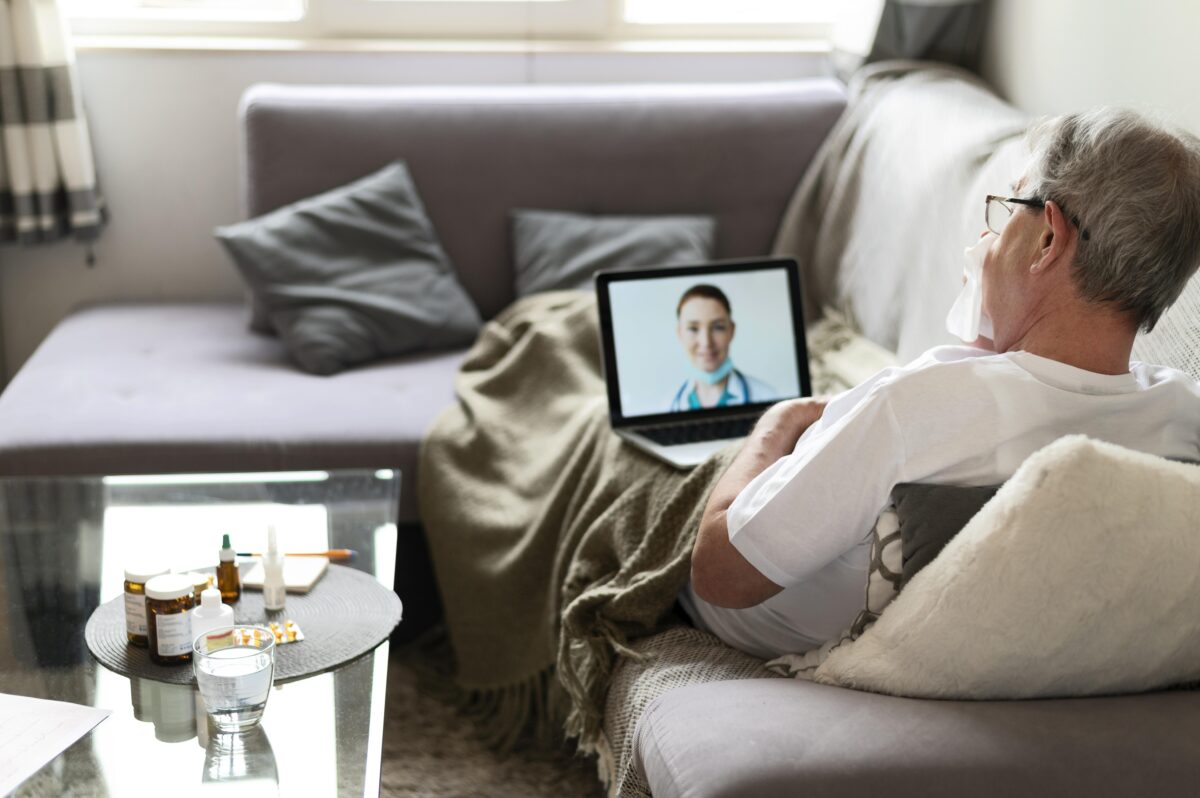
Another critical component of the Hospital at Home model is the use of telehealth platforms. Telehealth allows for virtual consultations, follow-ups, and communication between patients and healthcare providers. This level of accessibility is crucial for the success of the Hospital at Home model, as it ensures that patients are never out of reach of their healthcare team.

Smartfuture’s telehealth platform is designed with both patients and providers in mind, offering an intuitive interface and robust features that facilitate seamless communication. Whether it’s a routine check-up or a more urgent consultation, our platform ensures that patients receive the care they need without the inconvenience of traveling to a healthcare facility.

Mobile Inpatient by Smartfuture: A New Era of Inpatient Care

The Hospital at Home model represents a significant shift in how we think about patient care. By leveraging technology products such as remote patient monitoring solutions and customized platforms, healthcare providers can offer hospital-level care that was once only possible within the walls of a general hospital.

This not only enhances the patient experience but also drives efficiency and cost savings for healthcare systems.

At Smartfuture, we are committed to supporting this revolution in mobile inpatient care. Our white-label solutions and state-of-the-art healthcare devices and platforms are at the forefront of this movement, enabling healthcare providers to deliver exceptional care in the comfort of the patient’s home.

As the healthcare landscape continues to evolve, we believe that Hospital at Home will play a critical role in shaping the future of patient care without the need for intensive home visits.

By adopting the Hospital at Home model, healthcare providers can offer a more personalized, efficient, and patient-centered approach to care. With the right technology and support, the future of healthcare is not only smart but also home-based.

Interested in knowing more about our Hospital at Home Solutions?

If your organization is evaluating how to strengthen healthcare delivery, remote monitoring, or integrated medical solutions across complex environments, we are ready to support you.

Our team works closely with healthcare providers, enterprises, and institutions to design scalable, white-label solutions aligned with real operational needs.

Contact OurSmartFuture team to discuss your requirements, explore suitable solutions, and take the next step toward a more reliable, future-ready healthcare infrastructure.

How Remote Patient Monitoring is Improving Substance Abuse Care?

Remote Patient Monitoring (RPM) plays a critical role in substance abuse care by providing continuous health data monitoring and immediate response capability. Key components of an effective RPM system include real-time monitoring of vital signs, medication adherence tracking, and the ability to communicate and engage with patients in their recovery journey seamlessly. This technology has proven particularly useful for managing chronic conditions, and now it’s making a significant impact on substance abuse care.

This real-time interaction allows healthcare providers to detect early signs of relapse and take prompt action, potentially preventing a full-blown relapse. By offering a constant connection between patients and their healthcare providers, RPM ensures that help is always at hand, leading to a safer and more effective treatment process.

Substance Abuse Care Areas Benefiting from RPM

1. Detoxification: RPM ensures real-time monitoring of withdrawal symptoms, enhancing patient safety during detox.

2. Rehabilitation: RPM tracks progress and helps detect early signs of relapse, aiding effective rehabilitation.

3. Outpatient Treatment: Maintaining constant patient-provider contact, RPM supports outpatient programs by monitoring health and behavior changes.

4. Medication-Assisted Treatment: RPM assists in monitoring medication adherence, response, and side effects in MAT programs.

5. Therapy and Counseling: Used with virtual therapy, RPM provides therapists with insights into patients’ well-being to adjust therapy plans.

6. Aftercare Programs: RPM aids in aftercare by monitoring ongoing recovery progress and quickly identifying potential relapse signs.

The Impact of Remote Patient Monitoring in Substance Abuse Care

Remote Patient Monitoring (RPM) is transforming substance abuse care in several ways:

  • Enhanced Accessibility: RPM offers healthcare services to patients in remote locations, breaking geographical barriers.
  • Increased Patient Engagement: RPM promotes real-time interaction between patients and healthcare providers, motivating patients to stick to their treatment plans.
  • Early Intervention: Continuous monitoring allows for early detection of relapse signs, enabling immediate intervention.
  • Cost Efficiency: By reducing the need for frequent hospital visits and allowing early intervention, RPM can potentially lower healthcare costs.
  • Comprehensive Care: RPM can help provide a more holistic view of a patient’s health. By tracking a variety of health metrics, healthcare providers can gain valuable insights into a patient’s overall wellbeing, not just their substance use. This can lead to more comprehensive and effective treatment plans.
  • Anonymity: RPM can provide a sense of anonymity for patients who might feel stigma or shame associated with substance abuse treatment. This anonymity can make it easier for some patients to seek help.

RPM is redefining substance abuse care. In addition to enhancing accessibility, increasing patient engagement, allowing for early intervention, and improving cost efficiency, RPM also offers comfort, anonymity, comprehensive care, and improved communication, further amplifying its transformative potential in substance abuse care.

Conclusion

The integration of RPM into substance abuse care holds great potential for improving patient outcomes.  As technology advances, substance abuse centers should explore and adopt RPM as a transformative tool, ultimately helping individuals achieve lasting recovery and healthier lives.

Explore our Remote Patient Monitoring (RPM) solution for more information.


References

Pharmanewsintel.com. (n.d.). How Can Remote Patient Monitoring Improve OUD Care? Retrieved from https://pharmanewsintel.com/features/how-can-remote-patient-monitoring-improve-oud-care
Substance Abuse and Mental Health Services Administration. (n.d.). Behavioral Health Treatment Services Locator. Retrieved from https://dpt2.samhsa.gov/treatment/directory.aspx

Why Remote Patient Monitoring is Critical for Emergency Response System

In today’s rapidly advancing healthcare landscape, remote patient monitoring (RPM) has emerged as a vital tool for providing timely and accurate medical intervention. As a system that enables continuous visibility into patient data, RPM plays an increasingly important role in environments where access to traditional medical facilities is limited.

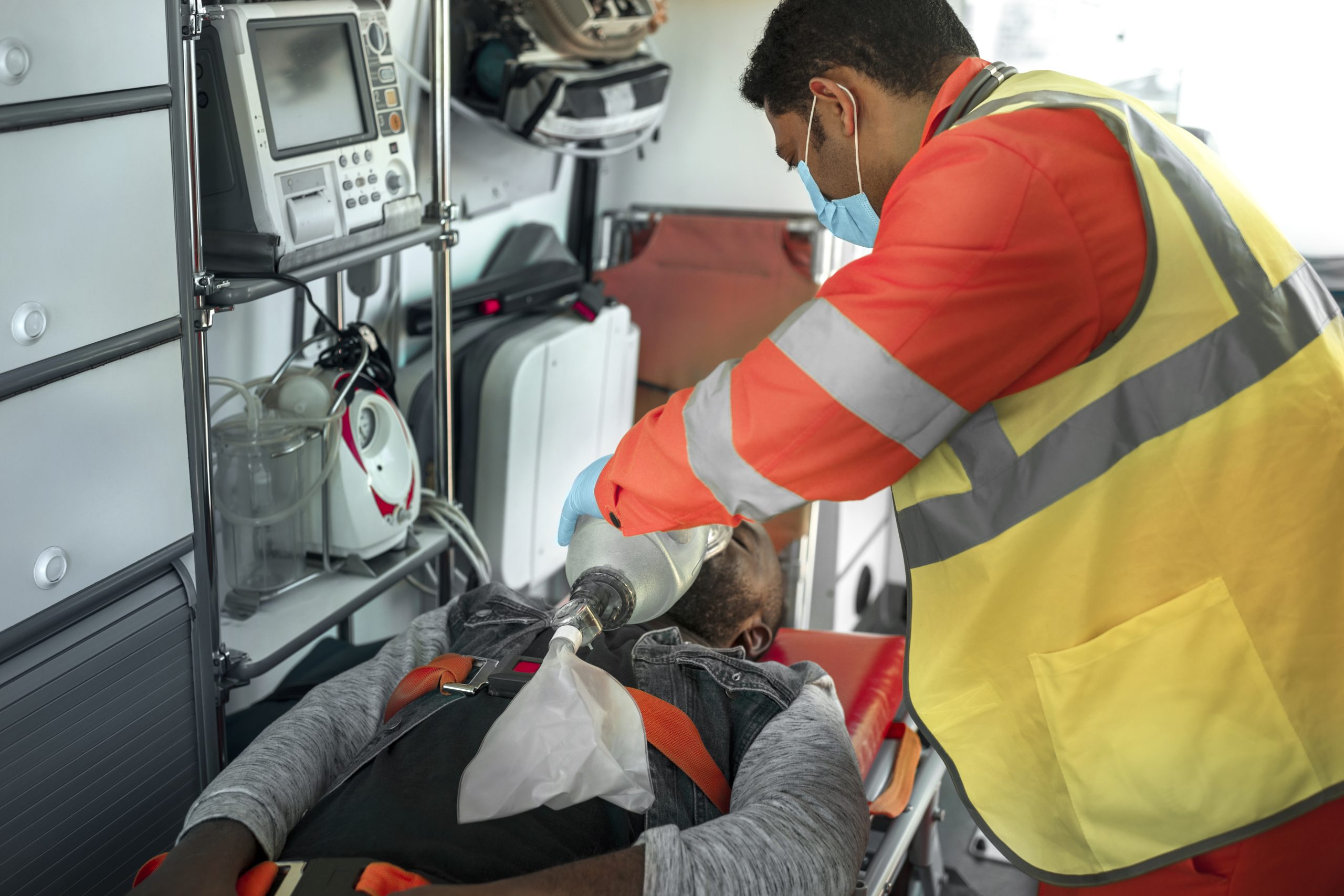
From offshore oil rigs to sea vessels, where a patient with life-threatening injuries may be a long way from an ambulance response, timely access to medical help becomes a significant challenge. In these conditions, understanding a patient’s condition in real time is essential. That’s where Remote Patient Monitoring (RPM) comes into play. This article explores the importance of RPM in offshore emergency response, highlighting its benefits, remote monitoring solutions, and successful case studies.

Offshore Emergency Response Challenges System and Monitoring Devices

Offshore emergency response situations come with their own set of challenges. The isolation and distance from traditional healthcare facilities make it difficult to provide timely medical assistance, particularly when continuous access to monitoring devices is limited.

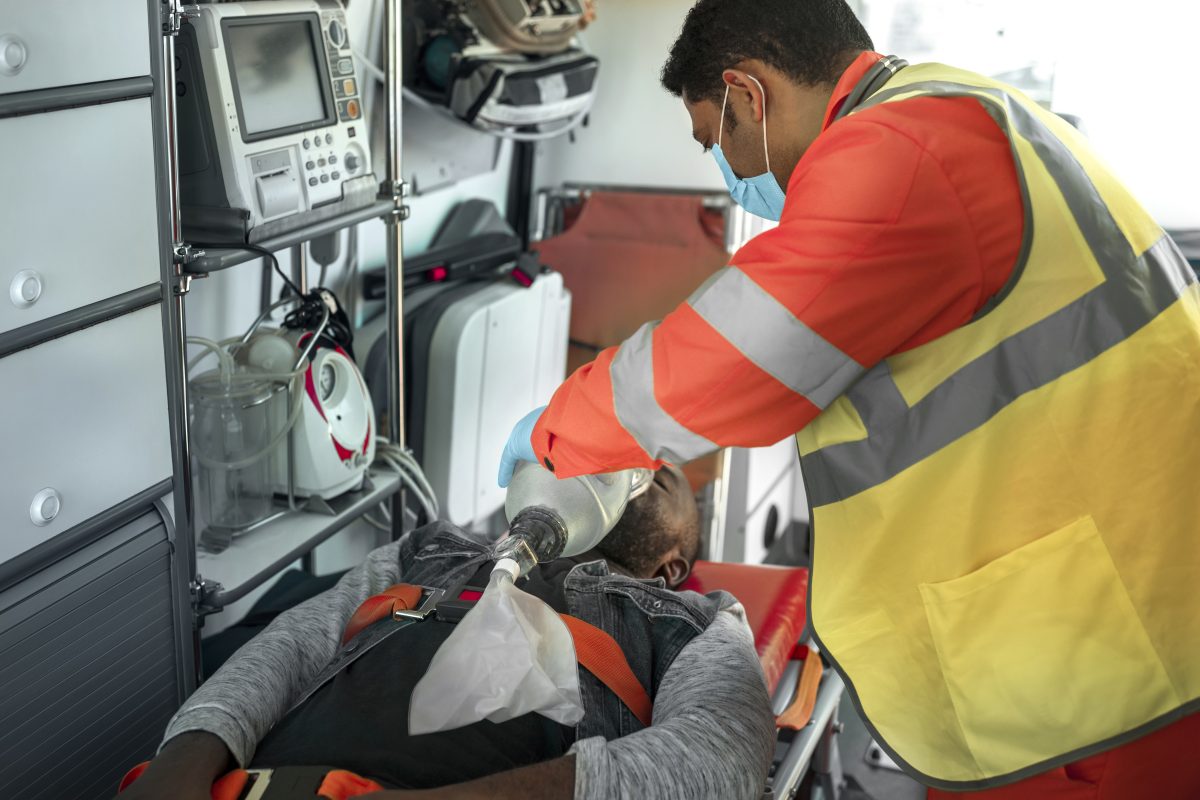
In some situations, a helicopter needs to be called in to airlift the patient to a hospital on land, but even then, the patient will need care while they wait. During this critical period, accurate patient data and visibility into the patient’s condition can make the difference between stabilization and deterioration.

Additionally, limited resources and space constraints on offshore platforms further complicate healthcare delivery. The significance of prompt and accurate medical intervention in these situations cannot be overstated, especially when response decisions rely on reliable patient monitoring solutions.

The Role of Remote Patient Monitoring in Offshore Emergency Response System and Patient Monitoring Solutions

Remote patient monitoring (RPM) plays a crucial role in offshore emergency response. RPM utilizes advanced technologies and integrated monitoring devices to remotely monitor patients’ vital signs in real time, going beyond facilitating remote examination and communication between doctors on shore and patients on the oil rig.

Remote patient monitoring (RPM) enables seamless collaboration between the remote doctor and on-site support staff by providing continuous patient data, ensuring comprehensive care until the helicopter arrives for transport. By integrating emergency equipment and monitoring devices, critical information about the patient’s condition is collected and transmitted accurately. These remote monitoring solutions enable prompt medical intervention and reduce the risk of complications during extended response times.

Relevant Medical Devices and Monitoring Devices Used in Patient Monitoring Solutions

Automated External Defibrillators (AEDs)

AEDs are portable monitoring devices designed to deliver an electric shock to the heart in cases of cardiac arrest, forming a critical component of offshore emergency patient monitoring solutions.

Patient Monitors

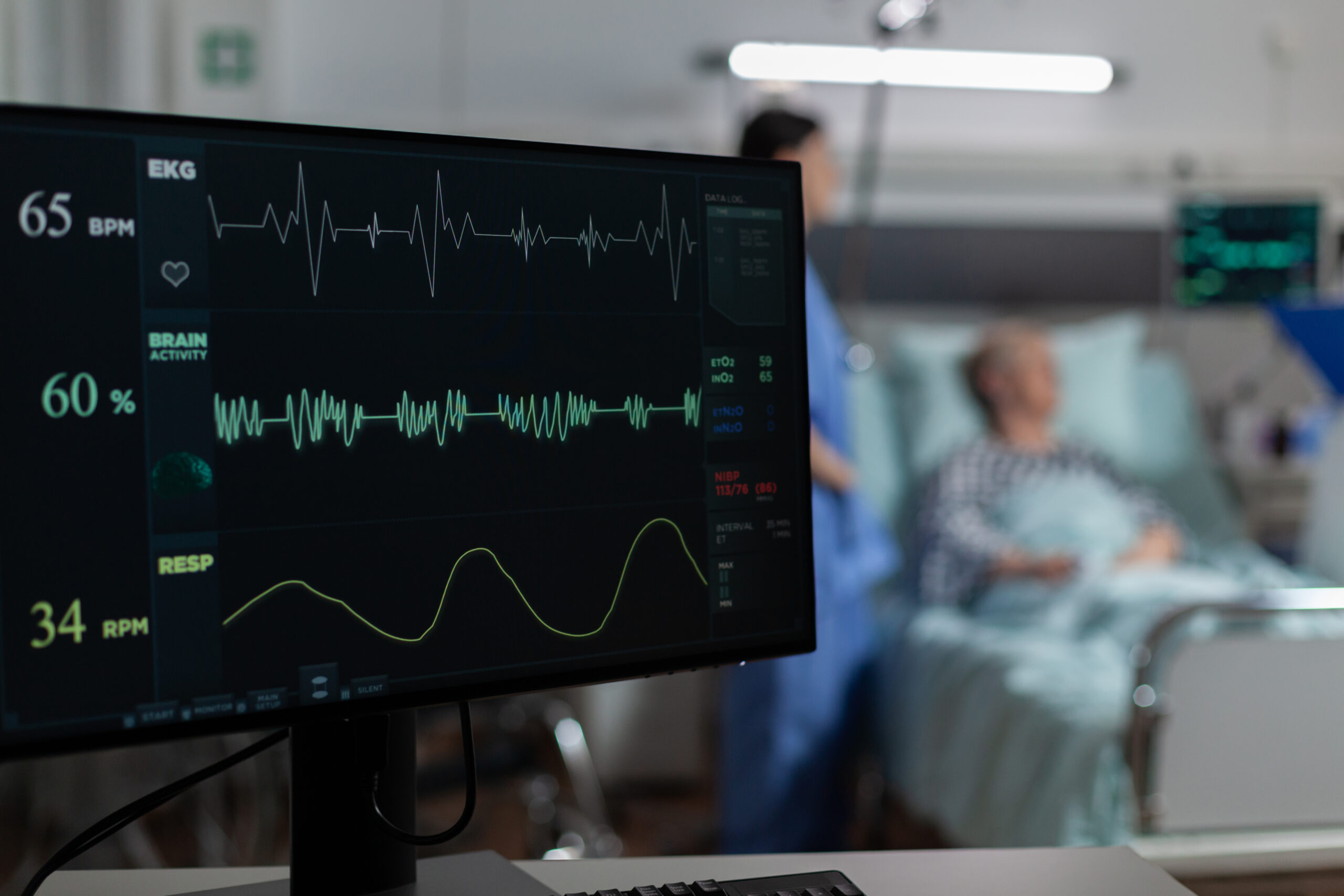
Bedside patient monitors continuously capture patient data such as non-invasive blood pressure, ECG, SpO2, temperature, respiration rate, end-tidal CO2, and invasive blood pressure. These monitoring devices allow clinicians to assess a patient’s condition accurately in real time.

Ultrasound Probe

Portable ultrasound probes provide real-time imaging, enabling medical professionals to assess internal structures and better understand changes in the patient’s condition, even in offshore environments.

Successful Case Study: Offshore Telemedicine Emergency Service System

In the study “Offshore telemedicine emergency service: a 1-year experience,” researchers investigated telemedical emergency care feasibility in offshore wind farms on the North Sea, where access to medical care is limited.

The researchers established a telemedical integration system that transmitted vital parameters such as ECG, blood pressure, and saturation from the offshore location to a telemedicine center. This approach ensured continuous transmission of patient data. They utilized a satellite connection on a supply ship for data transfer via WLAN, demonstrating the practical use of remote monitoring solutions in offshore conditions.

The project’s results demonstrated the feasibility of offshore telemedical support for on-site rescue service personnel using raw data transmission. Both test scenarios and actual patient care confirmed the successful implementation of telemedicine and patient monitoring solutions in this remote setting. However, reliable transmission depended on defined areas with WLAN coverage, ensuring a 100% success rate.

Conclusion System-Level Patient Monitoring Solutions

The importance of remote patient monitoring in offshore emergency response cannot be underestimated. Remote Patient Monitoring (RPM) platforms act as a critical system for real-time monitoring, early detection of health issues, and prompt medical intervention, thereby safeguarding offshore workers.

By combining advanced monitoring devices, continuous patient data transmission, and reliable remote monitoring solutions, organizations can respond more effectively to changes in a patient’s condition. Successful case studies further emphasize the positive outcomes achieved through RPM implementations, including significantly improved offshore emergency response outcomes and enhanced protection of offshore personnel.

Embracing RPM platforms is not only a step toward improving operational safety but also a clear demonstration of an organization’s commitment to prioritizing health and welfare in remote and high-risk environments.

Explore our Remote Patient Monitoring (RPM) solution for more information.

References

The Journal of mHealth: “Offshore Telemedicine: How Oil Rigs Keep Workers Safe at Sea.

BMJ Open: “Offshore telemedicine emergency service: a 1-year experience.

Wind Systems Magazine: “Preparing for a Wind Farm Emergency.

Maritime and Coastguard Agency: “Medical Kits.

How Remote Patient Monitoring is Revitalizing Nursing Home Care

Remote patient monitoring (RPM) has emerged as a powerful healthcare solution to enhance patient outcomes and revolutionize the quality of care provided in nursing homes. As a system that supports remote care, RPM strengthens visibility into patients’ health and enables timely, data-driven decision-making.

The convergence of the post-pandemic era and the exponential growth of the elder population has made nursing homes an indispensable necessity, particularly for patients with chronic disease who require ongoing supervision and coordinated medical support.

In this blog, we will explore the critical role of Remote patient monitoring and its profound impact on addressing challenges in nursing home care through scalable remote monitoring solutions.

Challenges in Nursing Home Care and the Need for a Healthcare System Solution

Caretakers with senior couple sitting in living room at nursing home


Every day in the United States, 10,000 people turn 65, and the number of older adults will more than double over the next several decades.

An American Health Care Association (AHCA) report highlights an unprecedented economic crisis in nursing homes. The increasing demand for elder home care exacerbates this issue, necessitating innovative remote monitoring and remote patient monitoring solutions.

Limited Resources and Staffing in Healthcare Systems

Nursing homes often face resource and staffing constraints, hampering their ability to deliver comprehensive care. This challenge is particularly acute when caring for residents with complex needs or patients with chronic disease. The growing demand for elder home care further underscores the need for an efficient system that supports staff without increasing workload.

Health Monitoring and Timely Interventions Through Remote Monitoring Solutions

Traditional monitoring methods in nursing homes can be time-consuming and inefficient, leading to delayed interventions. Rapid detection of changes in patients’ health and timely response are vital to improving health outcomes. A structured remote monitoring solution enables continuous oversight without reliance on manual checks alone.

Care Coordination and Communication as a Healthcare Service Challenge

Effective coordination and communication among healthcare providers, caregivers, and families are essential but can be challenging in the fast-paced nursing home environment. Improving patient engagement and streamlining communication through a centralized system is critical for delivering cohesive and personalized care.

Fall Prevention and Safety Using Remote Care Systems

Falls pose a significant risk in nursing homes, often resulting in injuries and hospitalizations. Implementing technology-driven remote care strategies and continuous monitoring systems is essential to enhance resident safety and reduce preventable incidents.

In long-term care facilities, the growing use of RPM technologies has brought many benefits to both residents and caregivers. 

Use Cases of Remote Patient Monitoring in Nursing Home Healthcare Solutions

Implementing Remote Patient Monitoring to address high operating costs and stagnant recovery may help prevent nursing home closures and ensure continued access to care for seniors. RPM acts as both a clinical and operational service that supports sustainable care delivery.

Continuous Health Monitoring Using a Remote Monitoring System

Remote Patient Monitoring (RPM) enables nursing homes to implement continuous monitoring using remote patient monitoring devices. Real-time tracking of vital signs improves visibility into patients’ health, allowing staff to respond proactively rather than reactively.

Early Intervention and Preventive Care Through a Remote Patient Monitoring Solution

RPM provides real-time data and automated alerts that support early intervention and preventive care. Immediate notification of abnormal readings allows clinicians to adjust medication or care plans promptly, improving health outcomes for residents.

Improved Care Coordination and Patient Engagement via Healthcare Systems

RPM platforms improve care coordination among staff, doctors, and family members through secure messaging, video consultations, and shared access to patient information. These capabilities strengthen patient engagement and ensure that all stakeholders remain informed and aligned in care decisions.

Fall Detection and Safety Measures Enabled by Remote Monitoring Devices

RPM plays a vital role in fall prevention and resident safety. Wearable remote patient monitoring devices equipped with fall detection alert caregivers and healthcare providers immediately, enabling swift assistance and reducing the severity of incidents.

In long-term care facilities, the growing adoption of RPM technologies has delivered measurable benefits to both residents and caregivers, reinforcing the value of remote care models.

How Smartfuture RPM Improves Nursing Home Care Through a Healthcare System Solution

Smartfuture RPM platform offers a comprehensive remote patient monitoring solution tailored to the unique needs of nursing homes. As an integrated system, it supports continuous monitoring, efficient workflows, and coordinated care delivery.

With EHR/EMR and billing integration, chat and call functionalities, and SMS alerts, Smartfuture RPM solution helps healthcare providers enhance patient care, improve monitoring efficiency, strengthen patient engagement, and streamline communication and data management across the entire care continuum.

Discover more about Smartfuture RPM platform and unlock the full potential of Remote Patient Monitoring in nursing home care.

References

AHCA/NCAL. (n.d.). High Operating Costs and Stagnant Recovery Could Mean More Nursing Home Closures, Threatening Access to Care for Seniors.
Retrieved from https://www.ahcancal.org/News-and-Communications/Press-Releases/Pages/AHCA-Releases-Report-Highlighting-Unprecedented-Economic-Crisis-in-Nursing-Homes.aspx

AARP International. (n.d.). Aging Readiness and Competitiveness.
Retrieved from https://www.aarpinternational.org/initiatives/aging-readiness-competitiveness-arc/united-states

How Remote Patient Monitoring is Revolutionizing Physical Therapy

Remote patient monitoring (RPM) technology has enabled a digital transformation of the healthcare system, including the field of physical therapy. By integrating RPM into physical therapy practices, providers, including physical therapists, rehabilitation centers, hospitals, outpatient clinics, and sports medicine centers, can ensure continuous monitoring, personalized feedback, and optimized treatment plans for their patients, including patients with chronic conditions who require long-term care.

The COVID-19 pandemic highlighted the essential role of RPM, leading PTs and OTs to advocate for its use through specific billing codes and structured monitoring programs that allow clinicians to safely monitor patients outside traditional clinical settings.

Telehealth Shouldn’t Be for Emergencies Only: A Remote Patient Monitoring Solution and System Perspective

This important advocacy by the American Physical Therapy Association (APTA) highlights the significant benefits of integrating Remote Patient Monitoring (RPM) in physical therapy as a long-term remote patient monitoring solution rather than a temporary response. By harnessing the power of RPM, healthcare providers can deliver personalized care, optimize treatment outcomes, and enhance patient engagement through structured RPM programs supported by reliable monitoring devices.

Use Cases of Remote Patient Monitoring in Physical Therapy Solutions

We explore how Remote Patient Monitoring is revolutionizing physical therapy by enabling continuous monitoring, promoting improved outcomes, and enhancing patient care through scalable solutions.

1. Remote Rehabilitation Using Remote Patient Monitoring Devices and Continuous Monitoring

RPM facilitates the remote delivery of physiotherapy services through connected remote patient monitoring devices. Wearable devices or motion sensors allow physiotherapists to remotely monitor patients by tracking exercise adherence, range of motion, muscle strength, and other key metrics.

This monitoring program enables therapists to review real-time health data, provide timely feedback, and adjust treatment plans without requiring frequent in-person visits, supporting continuity of care for patients recovering at home.

2. Injury Rehabilitation Supported by a Remote Patient Monitoring System and Devices

For athletes recovering from sports injuries, RPM supports their rehabilitation process by combining wearable monitoring devices with a structured remote patient monitoring solution.

Remote Patient Monitoring Helps Orthopedic Surgeons Improve Patient Outcome Using Continuous Monitoring

Wearable devices and sensors, such as knee sensors, track important factors including swelling, joint stability, muscle activation, and movement patterns. These remote patient monitoring devices generate actionable health data that allows physical therapists and surgeons to remotely assess recovery progress.

Through this system, clinicians can identify biomechanical issues early, customize treatment plans, and safely progress exercise programs while continuing to monitor patients between visits.

3. Performance Optimization Through Remote Patient Monitoring Devices and Solutions

For performance optimization in physical therapy, various portable remote patient monitoring devices can be used as part of an integrated monitoring program. These include wearable sensors, motion trackers, force plates, and smart training equipment, such as:

  • Portable electromyography (EMG) devices: Measure muscle activity to assess imbalances, identify areas of weakness, and optimize training programs.
  • Inertial measurement units (IMUs): Track movement patterns, joint angles, and acceleration, providing valuable health data for biomechanical analysis.
  • Force plates: Measure ground reaction forces to assess balance, gait patterns, and landing mechanics, supporting injury prevention strategies.
  • Handheld dynamometers: Measure muscle strength to track progress and guide targeted interventions.
  • Portable oxygen analyzers: Measure oxygen consumption to assess cardiovascular fitness and optimize exercise intensity.

RPM aids in tracking athletes’ performance and identifying injury risk factors by enabling clinicians to continuously monitor patients using connected monitoring devices. By analyzing biomechanics, muscle imbalances, and workload metrics, physiotherapists implement injury prevention strategies and optimize training programs remotely.

4. Wellness Programs Enabled by Remote Patient Monitoring Solutions and Continuous Monitoring

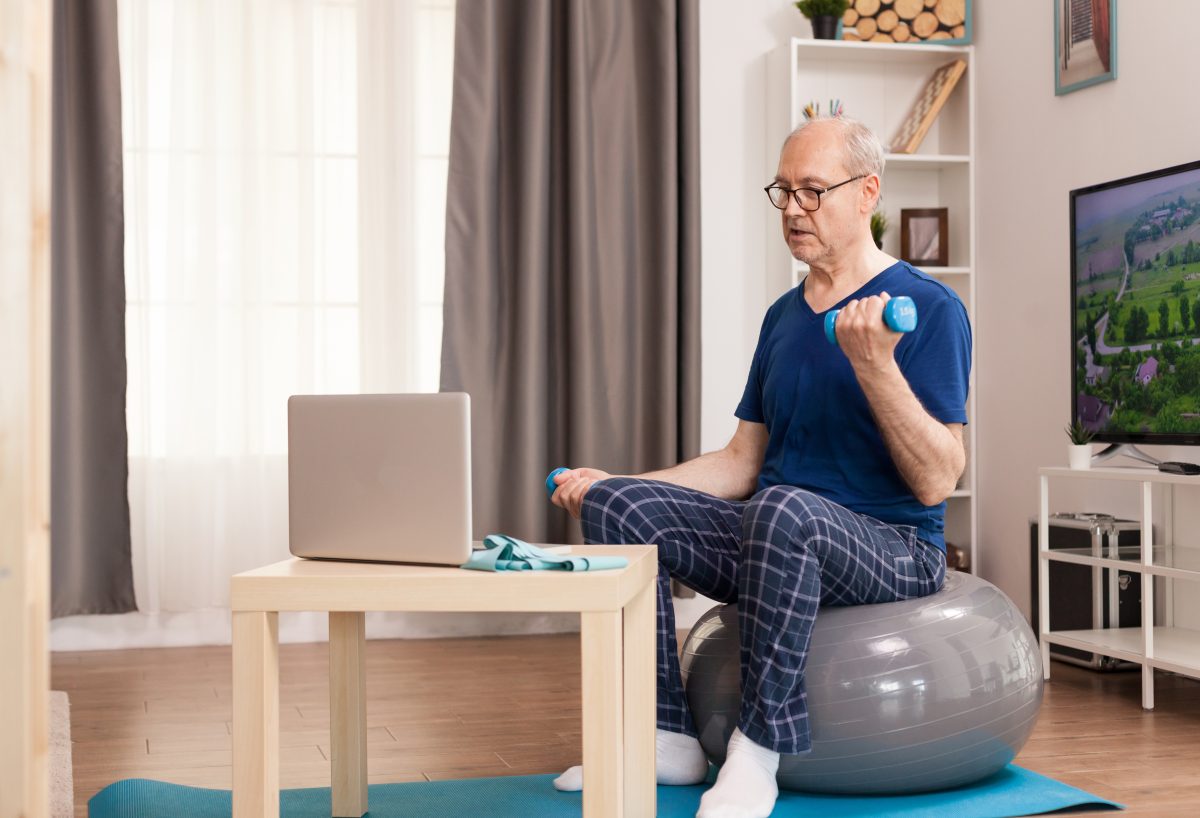
Remote patient monitoring (RPM) platforms also support general health and wellness programs, particularly for patients with chronic conditions who require ongoing supervision. Through video calls and integration with wearable remote patient monitoring devices, physiotherapists and fitness trainers manage wellness-focused monitoring programs for weight management, diabetes care, and long-term mobility improvement.

These RPM programs enable continuous collection of health data, helping providers adjust interventions and maintain engagement beyond traditional therapy sessions.

Conclusion: Remote Patient Monitoring Solution as the Future System for Physical Therapy

Remote patient monitoring (RPM) is revolutionizing physical therapy by enabling continuous monitoring, personalized care, and improved patient engagement through connected remote patient monitoring devices. By leveraging structured RPM programs, physical therapists can optimize treatment outcomes and deliver high-quality care while extending services beyond traditional clinical settings.

We hope this blog has shed light on the transformative potential of RPM in physical therapy and the immense benefits it brings to both patients and providers. By embracing RPM as a long-term remote patient monitoring solution, the physical therapy industry can shape the future of care delivery and elevate standards for managing rehabilitation and patients with chronic conditions.

Explore our Remote Patient Monitoring (RPM) solution for more information.

References

U.S. Department of Health and Human Services. (n.d.). Telehealth Best Practice Guide: Telehealth for Physical Therapy.
Retrieved from https://telehealth.hhs.gov/providers/best-practice-guides/telehealth-for-physical-therapy/physical-therapy-and-remote-patient-monitoring

American Physical Therapy Association. (n.d.). Telehealth.
Retrieved from https://www.apta.org/advocacy/issues/telehealth

How Remote Patient Monitoring Helps Surgeons Improve Patient Outcomes.
Retrieved from https://ptgenie.com/remote-patient-monitoring-helps-surgeons-improve-patient-outcomes/

5 Mother’s Day Gift Ideas

Tired of gifting a bouquet of flowers every year? Here are 5 Mother’s Day gift ideas to show your mother, or the mother of your children some love and appreciation.

MedCheck Blood Pressure Monitor + Blood Glucose Monitor + Body Scale Bundle

Our mothers put in so much effort into taking care of us, ensuring that we are healthy and happy. As they get older, it is our turn to take care of them. This Mother’s Day, purchase the MedCheck Blood Pressure Monitor, Glucose Monitor and Body Scale bundle to show them you care. These MedCheck products come with a mobile application that allows you to monitor the vitals of your loved ones remotely and keep track of your loved ones’ health even when you are busy.

The MedCheck products are on sale on Shopee and Lazada this Mother’s Day celebration so grab the chance and give your mother the gift of wellness this year.

Eu Yan Sang Birds Nest

Bird’s nest is rich in calcium, iron, potassium, sodium, phosphorous, sialic acid, and amino acids. This makes it the perfect health supplement for gifting your loved ones. Moreover, bird’s nest also contains epidermal growth factor, which helps in cell regeneration and boosts collagen production. With this Mother’s Day gift, your mother will definitely thank you for keeping her youthful and beautiful! What’s more, coupled with Eu Yan Sang’s Mother’s Day promotion, bird’s nest is the perfect booster to pamper your mother.

Sleep Assessment

Have you noticed your mother getting increasingly restless as she ages? Have there been more complaints about difficulties or problems in sleeping? Noticed your mother visiting the bathroom in the night more than before? Well, these are some common symptoms of sleep apnea.

Sleep apnea is an increasing condition commonly undiagnosed. However, as we age, our risk for sleep apnea increases. This Mother’s day, show your love and concern for your mother by helping her to complete this Free Sleep Assessment here. Sometimes, health is the greatest gift of all.

OSIM uGlow set

All women love to be loved. This uGlow set will not only sho ut how much you love your mother but will help her to upgrade her beauty routine and help tackle early signs of ageing (don’t tell her we said that). For mothers who are too busy to take care of their skin, the uGlow Eye and uGlow Mist is a perfect Mother’s Day gift as it fits perfectly in bags or cosmetic pouches –  addressing theirs on the go beauty needs.

Art Jamming Session

Nothing beats spending quality time together with your mother. The perfect Mother’s Day gift may just be some Mother’s Day activities. Instead of getting an expensive gift, you may consider spending some time art jamming and creating memories this Mother’s Day. The final art piece can also be your very own Mother’s Day card!

Mental Health Management

Before 2020, mental disorders were already the leading causes of global health-related burdens, particularly depressive and anxiety disorders, according to The Lancet’s review on global mental health. The COVID-19 pandemic created an environment that exacerbated determinants of poor mental health. Notably, the locations hit hardest by the pandemic — quantified by decreased human mobility and daily infection rate — saw the greatest increase in the prevalence of major mental health issues.

With the ongoing vaccinations and the lifting of lockdown measures in many parts of the world, we’re slowly moving towards an approximation of post-pandemic life. Still, many people are struggling to cope with the losses incurred over the past two years, and appropriate healthcare services may not be easily available. The remote management of mental health — counseling, therapy, substance abuse support delivered through communication channels — is essential. Here are some ways you can monitor and manage mental health symptoms:

Set a routine for yourself

According to an article published in the Journal of Global Health, regular routines serve as a buffer against stress exposure on mental health. Primary routines are behaviors that are necessary to maintain biological needs, including hygiene, sleeping, and eating. These should be combined with secondary routines like exercise, leisure, socialization, and work or study practices. With the disruptions caused by the pandemic, it’s important to adopt a routine that suits your current situation and pays attention to safety protocols like longer handwashing or masking up. If you’re struggling with building an effective routine, you can make small changes and take notes of any weak spots, then talk to your therapist for any recommendations.

Keep track of your red flags

One good mental health habit to cultivate is to be mindful of what bothers you. We mentioned in our Smartfuture post on managing mental health how it helps to recognize any symptoms of stress or anxiety, such as feelings of frustration, worry, sadness, or physical discomfort. Sometimes, mental health issues can also manifest as unexplained actions like sudden outrage or compulsively checking the news. Pay attention to your patterns, and keep an eye out for what may have triggered these moods — it could help your therapist better work with you. For immediate relief, try to distract yourself from negative emotions by stretching, journaling, listening to music, or practicing breathing exercises.

Take a mental health day

Working remotely means the lines are blurred between our working spaces and home. It’s tempting to stay at our desks and work longer hours because we want to feel more productive. To keep our mental health in shape, it’s best to set boundaries by having a set start time, end time, and break times every day. Lifestyle writer James Gonzales also points out that we will still need dedicated time off, even if it’s just a free day to lounge around and rest the mind. Make the most out of your employee benefits and take a mental health day. You can opt to do relaxing activities like yoga, massage, swimming, or hiking — or simply stay at home and lounge around. The key is to listen to your body and mind on when to take a breather.

Attend therapy sessions regularly

It’s great if you already have a therapist and you’ve resumed in-person sessions. But what if you can’t see your therapist face-to-face, or you don’t have a therapist at all? Fortunately, we now have options for remote treatment. Freelance writer Karen Hoffman notes that online therapy is expected to continue and grow as a form of mental health support in the coming years, post-pandemic. Telehealth practices provide patients access, quality, and cost advantages to therapy. You don’t have to delay treatment, and you can work through personal problems with your therapist — so long as you attend virtual sessions and actively participate in them.

Smartfuture is a Singapore-based company that offers solutions to connect healthcare with their patients, so they can adequately manage their conditions. Contact us today to learn more about our products and services.

Specially written for OurSmartFuture.com
By: Raizel Jaelynn

5 things that could be making your COPD worse

Chronic Obstructive Pulmonary Disease (COPD) is a chronic inflammatory lung disease that causes airflow blockage and breathing-related problems. According to WHO, COPD is the third leading cause of death worldwide. Although, there is currently no cure for COPD, do you know that the following 5 misconceptions could be making your COPD worse?

If you have COPD, you cannot exercise
Moderate exercise has been shown to be safe and beneficial for most people with COPD. Particularly, management of COPD symptoms with pulmonary rehabilitation has proven to improve the quality of life for patients.

There is no point in quitting smoking if you already have COPD
Smoking cessation is one of the most effective treatment for COPD. Preliminary studies have shown that smoking cessation can reduce the rate of COPD progression for at risk patients. Therefore, it is still imperative to quit smoking even if you are already diagnosed with COPD.

There are no treatments for COPD
While there is currently no cure for COPD, treatments can help to regulate the symptoms and progression of the disease.

Body weight does not affect COPD
Numerous studies have suggested that COPD is related to Body Mass Index (BMI). Particularly, underweight patients are associated with poorer prognosis. Thus, maintaining a healthy BMI is important for COPD patients.

Diet does not affect COPD
A healthy and balanced diet can help you to breathe easier and improve COPD symptoms. Therefore, food rich in simple carbohydrates such as soft drinks; food rich in trans fats and saturated fats such as fried food, should be limited.

Debunking the Top 8 Sleep Apnea Myths

Sleep apnea is a disorder in which your breathing repeatedly stops and starts during sleep. With sleep apnea rising up to be one of the most prevalent sleep disorders worldwide, sleep apnea is becoming more common than you think. But how much do you know about sleep apnea?

Here are 8 myths about the condition debunked to better your knowledge.

1.  Sleep Apnea is harmless
While symptoms of sleep apnea like snoring or waking up to pee in the night may appear relatively harmless – Sleep apnea, when left untreated in the long term, can significantly increase your risks for diabetes, heart attacks, and strokes.

2. Sleep Apnea is caused by a blocked airway
The most common type of sleep apnea, Obstructive Sleep Apnea (OSA), as the name proposed, is caused by a collapsed airway. However, Central Sleep Apnea (CSA) is caused by the brain signals to the muscles that regulate breathing is not properly transmitted, resulting in sleep apnea.

3. Sleep Apnea only occurs in the elderly
While it is somewhat true that the risk of sleep apnea significantly increases as we age, sleep apnea does not only occur in the elderly. Children and young adults may also experience sleep apnea.

4. Alcohol can help you sleep and improve sleep apnea
Contrary to popular belief that alcohol can help you sleep better, studies have shown that under the influence of alcohol, our muscles relax more than usual, which in turn increase the tendency for collapsed airways, leading to the development of sleep apnea.

5. Children do not experience sleep apnea
Obstructive sleep apnea is common in children, affecting 1-10% of children. Common risk factors include premature birth, down syndrome, and obesity. If your child experiences sleeping difficulties or frequent lethargy, it is advisable for them to go for a sleep test.

6. Lean people will not have sleep apnea
Although obesity is a major risk factor for Obstructive Sleep Apnea (OSA), it is estimated that non-obese patients constitute 20% of the OSA patient population. Worryingly, non-obese patients with OSA have greater than fourfold risk of hypertension and cardiovascular conditions than obese patients.

7. Sleep Apnea only occurs in snorers.
While heavy and loud snoring is one of the symptoms of sleep apnea. It has been observed that patients with central sleep apnea rarely snore.

8. Only men experience sleep apnea
While men do have a higher risk factor of sleep apnea than women, it does not rule out the fact that women can suffer from sleep apnea too. However, the risk for sleep apnea increases for women who are overweight or have experienced menopause.

Surprised by the results? While sleep apnea common may be more common than you think, the condition is totally preventable with early intervention. If you are worried about your sleep, get your FREE sleep assessment here.

Field safety notice (International Markets) – Philips CPAP machines


Philips Sleep Respiratory Care-FSN

Dear Customer,

This email is to inform you of the updates on the FSCA (Field Safety Correction Action) for the Philips Respironics BiPAP or CPAP device that you have purchased.

Please refer to the Field Safety Notice (FSN) issued by Philips Sleep and Respiratory Care (SRC) attached in this email for more information.

Kindly acknowledge this email by providing us with the following details:

  • Serial Number of your Dreamstation (Found on the back of the device)
  • Full Name
  • Contact number

We regret the inconvenience and seek your continued understanding and patience in this matter.

If you have any questions, please feel free to email us at online@oursmartfuture.com or WhatsApp us at 8836 0984.

Thank you.

Regards,
Smartfuture Pte Ltd