Resident Tracking to Improve Community Safety

Ensuring resident safety while meeting regulatory requirements remains a persistent challenge for healthcare and senior care organizations.

As care environments become more complex and resident needs more varied, traditional supervision methods are often no longer sufficient. This has led many organizations to explore real-time resident tracking solutions as part of a broader approach to safety, accountability, and healthcare compliance technology.

The Evolving Risk Landscape in Community Care Environments

Senior care facilities, assisted living communities, and long-term care providers operate in environments where resident movement is constant and often unpredictable. Risks such as wandering, delayed response to incidents, or unaccounted movement can have serious consequences, not only for resident wellbeing but also for organizational compliance.

Regulatory frameworks increasingly expect organizations to demonstrate:

  • Clear duty-of-care protocols
  • Timely response to safety incidents
  • Accurate documentation of resident oversight

Manual logs and periodic checks, while still important, offer limited visibility in real time. This gap between expectation and operational reality is where technology-based solutions are increasingly being considered.

What Real-Time Resident Tracking Actually Addresses in Community Safety

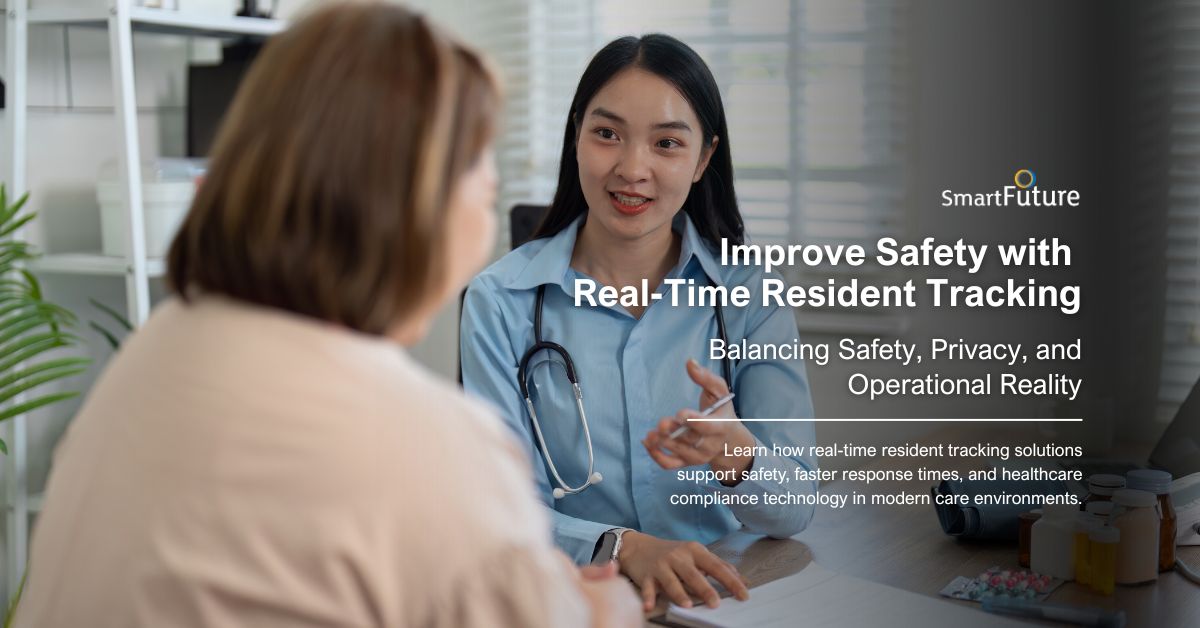
Improving Safety with Real-Time Resident Tracking
The Resident Tracking Solutions design supports situational awareness, giving care teams timely, accurate information that helps them respond appropriately when it matters most.

The Resident Tracking Solutions design supports situational awareness, giving care teams timely, accurate information that helps them respond appropriately when it matters most.

A Resident Tracking Solution is not about surveillance. At its core, it supports situational awareness, giving care teams timely, accurate information that helps them respond appropriately when it matters most.

When implemented responsibly, real-time tracking can help organizations:

  • Identify unusual movement patterns
  • Reduce response time during safety incidents
  • Improve coordination among care staff
  • Maintain clearer records aligned with compliance requirements

These outcomes directly support both resident safety and organizational accountability, two priorities that link closely in modern care settings.

Compliance Is No Longer Only About Documentation

Healthcare compliance technology has traditionally focused on reporting and record-keeping. While documentation remains essential, regulators and auditors increasingly examine whether systems in place actively support safe care delivery.

Real-time resident tracking contributes to compliance by:

  • Providing verifiable data on response times
  • Supporting incident review and root-cause analysis
  • Demonstrating proactive risk management

In this context, compliance becomes less about retroactive paperwork and more about preventive systems that reduce the likelihood of adverse events occurring in the first place.

Balancing Safety, Privacy, and Operational Reality in Public Safety Net


View this post on Instagram


A post shared by SmartFuture (@smartfuture.sg)

One of the most important considerations for any resident tracking solution is balance. Care organizations must weigh safety benefits against privacy concerns, staff workload, and operational fit.

Successful deployments tend to share several characteristics:

  • Clear policies governing when and how tracking data is used
  • Transparency with residents and families
  • Integration into existing care workflows rather than adding complexity

When tracking systems are treated as part of a broader safety framework, they are more likely to be accepted by staff and trusted by stakeholders.

Why Infrastructure – Thinking Program Matters

Organizations that approach resident tracking as a one-off technology purchase often struggle to realize long-term benefits. In contrast, those view it as part of a healthcare compliance technology infrastructure are positioned better to scale and adapt.

Infrastructure-focused approaches emphasize:

  • Consistency across facilities
  • Alignment with regulatory standards
  • Long-term operational sustainability

This perspective shifts the conversation from “monitoring residents” to supporting safer care environments.

Looking Ahead: The Use of Home Direct MediKit in Improving Health Awareness

As care models continue to evolve, expectations around safety and compliance will only increase. Real-time resident tracking solutions, when implemented thoughtfully, can help organizations meet these expectations without compromising dignity or trust.

The most effective strategies focus not on technology alone, but on how technology supports people, such as residents, caregivers, and organizations alike.

For healthcare and senior care organizations evaluating how to strengthen safety and compliance frameworks, understanding how resident tracking fits within a broader care infrastructure is an important starting point. Exploring solution models, governance considerations, and real-world applications can help decision-makers determine whether such systems align with their operational and regulatory needs.

Speak with our team to understand how resident tracking solutions can be adapted to your operational and regulatory needs.

Discuss Resident Tracking in Your Care Environment

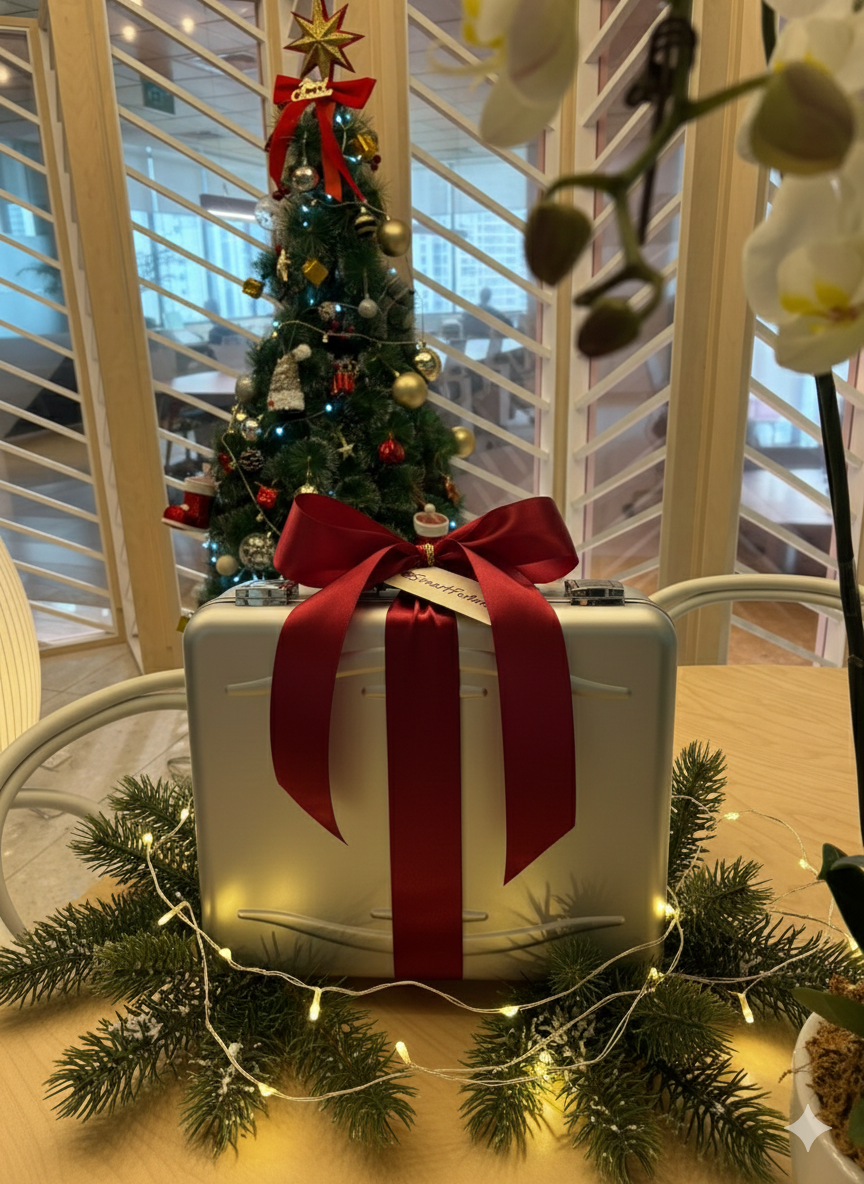
The MediKit: A Christmas Gift for Everyone!

Finding a present that actually matters can be a real holiday headache. Fortunately, the MediKit Christmas Gift is the ultimate way to show your favorite people that you truly care about their well-being. Whether you are shopping for a globe-trotting friend, an active sports team, or even your local community center, this kit keeps them safe. It ensures everyone stays prepared for anything life throws their way—even on a busy Christmas morning!

The MediKit: A Christmas Gift for Everyone!

Why Choose a MediKit Christmas Gift?

This isn’t just another gadget that will sit in a drawer gathering dust. A MediKit Christmas Gift provides genuine peace of mind for people with all sorts of different lifestyles. Your adventurous friends can take it on the road, while your local gym or senior center can use it to keep their community healthy. It is truly the most versatile and thoughtful present you could pick for anyone on your list this year.

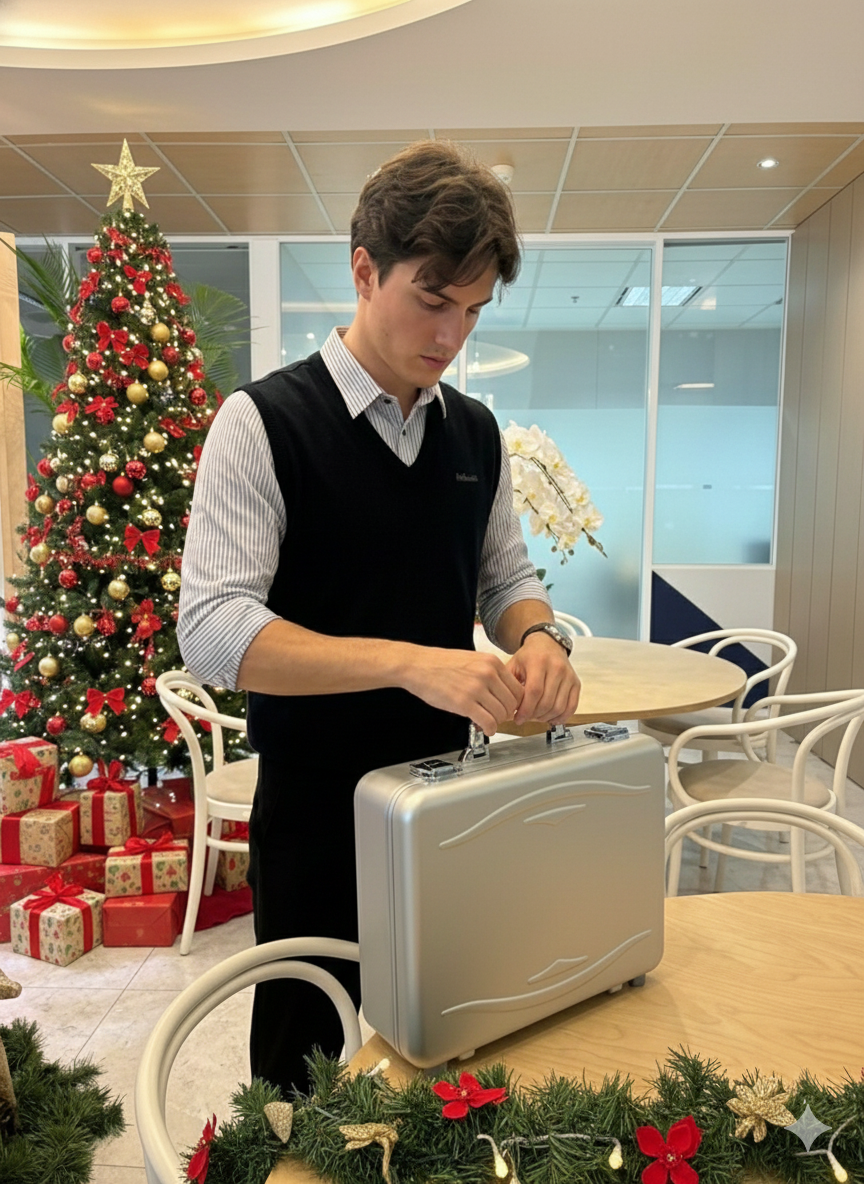
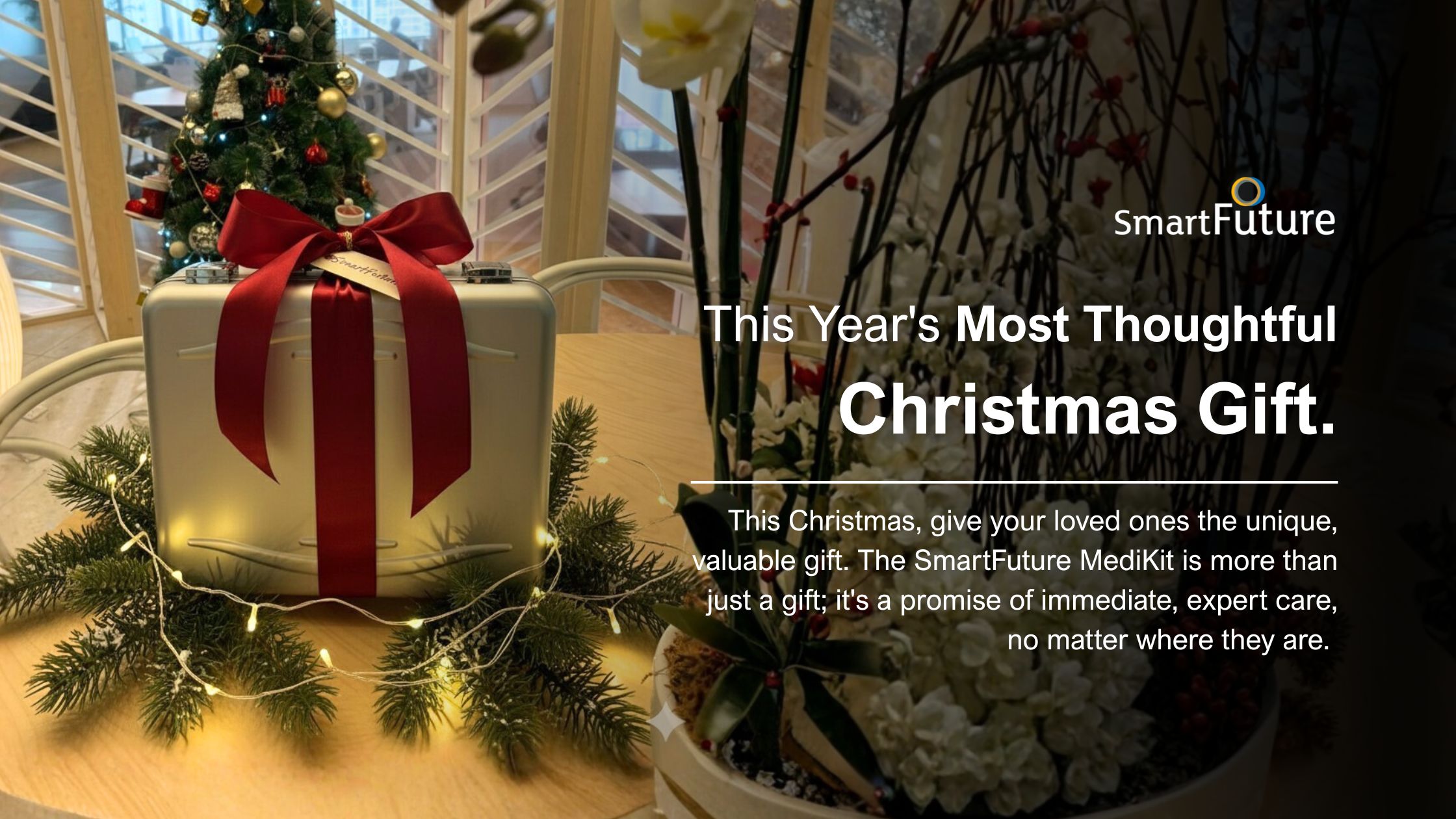
The MediKit Christmas Gift is perfect for everyone! This waterproof box includes a BP monitor, oximeter, and more to keep your loved ones safe.

A Rugged MediKit Christmas Gift for Any Weather

One of the coolest features of this kit is its incredibly tough, waterproof housing. This durable design ensures that all the high-tech devices inside stay safe and functional, even in harsh weather or during messy outdoor adventures. Because it is so rugged, the recipient can take their MediKit Christmas Gift anywhere—from a snowy mountain cabin to a rainy sideline at a football match—without worrying about damage.

What’s Actually Inside Your MediKit Christmas Gift?

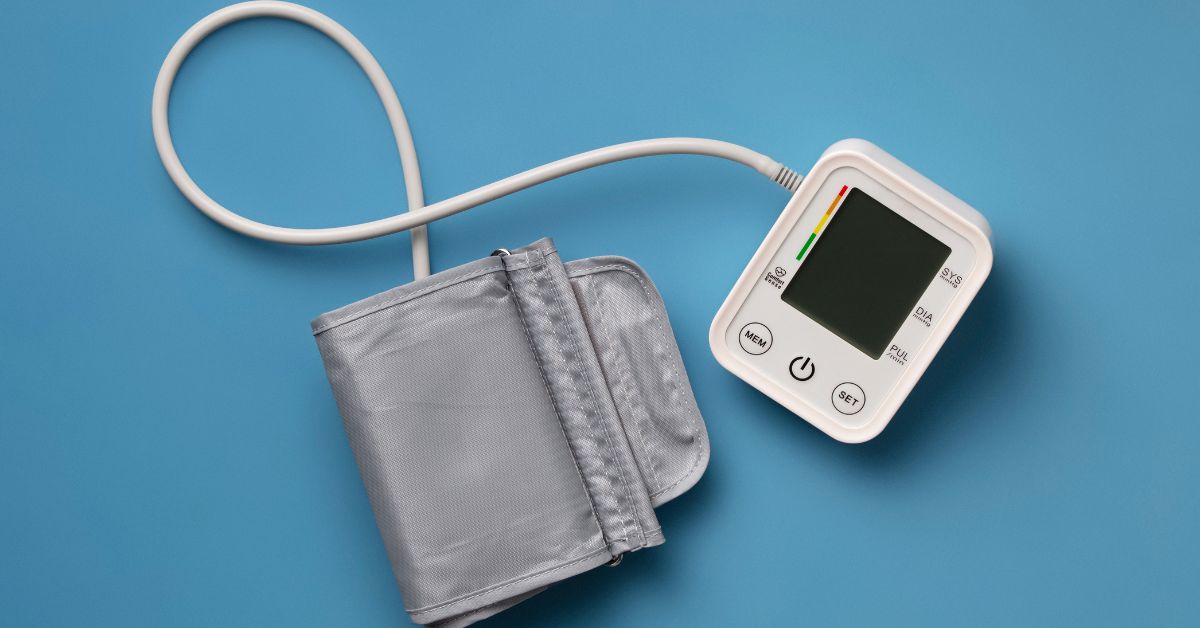
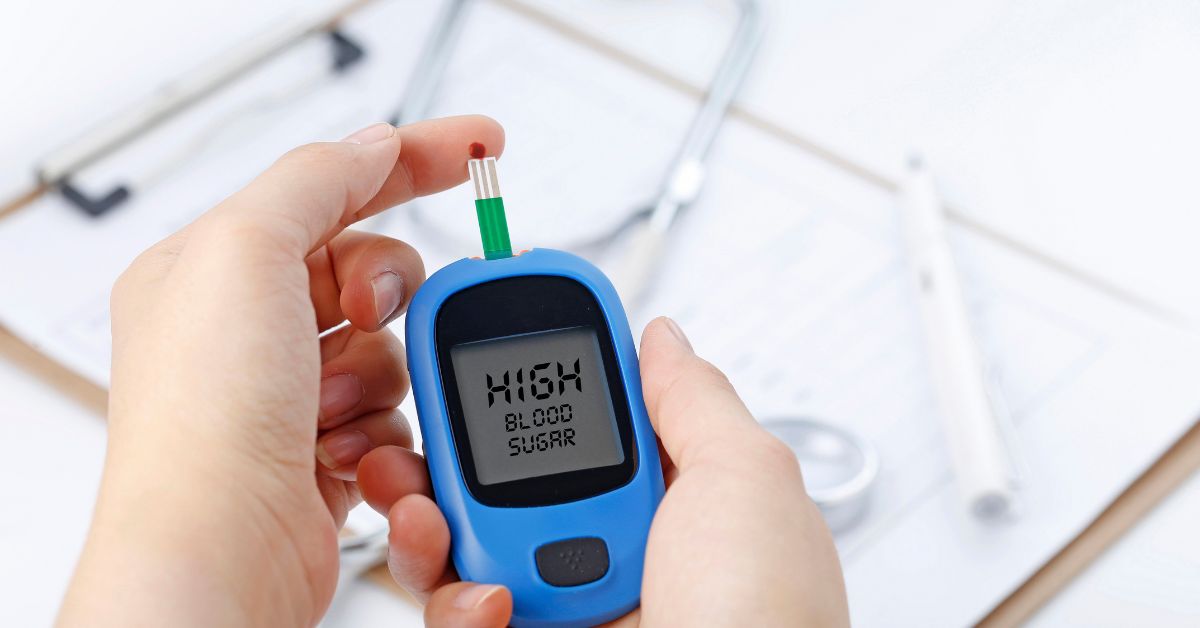
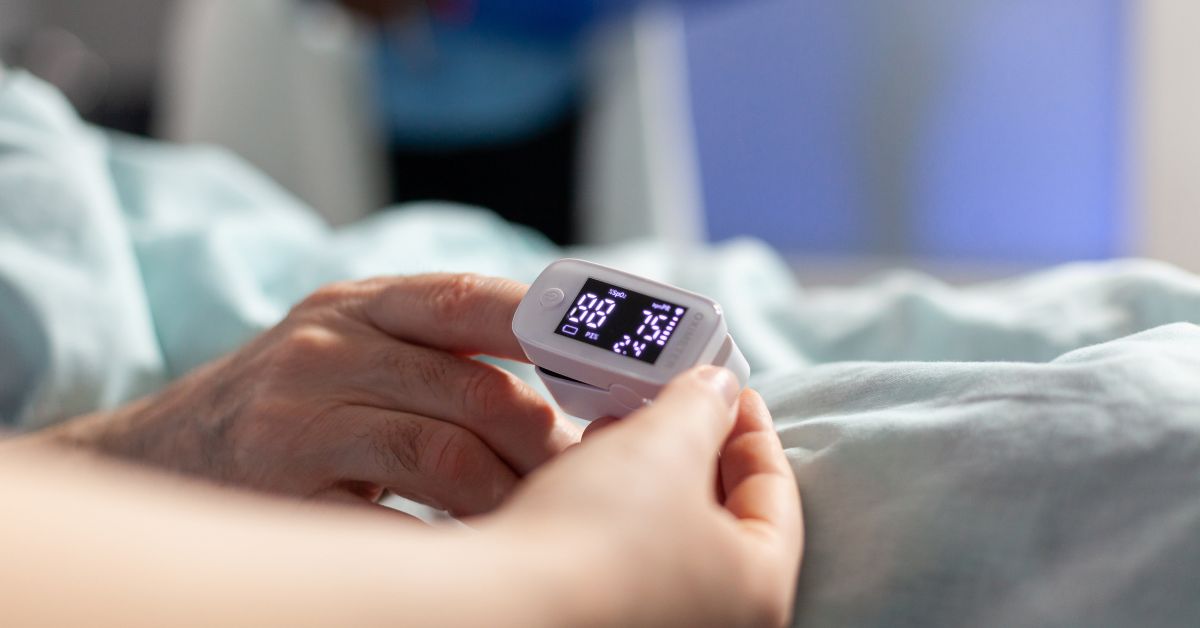
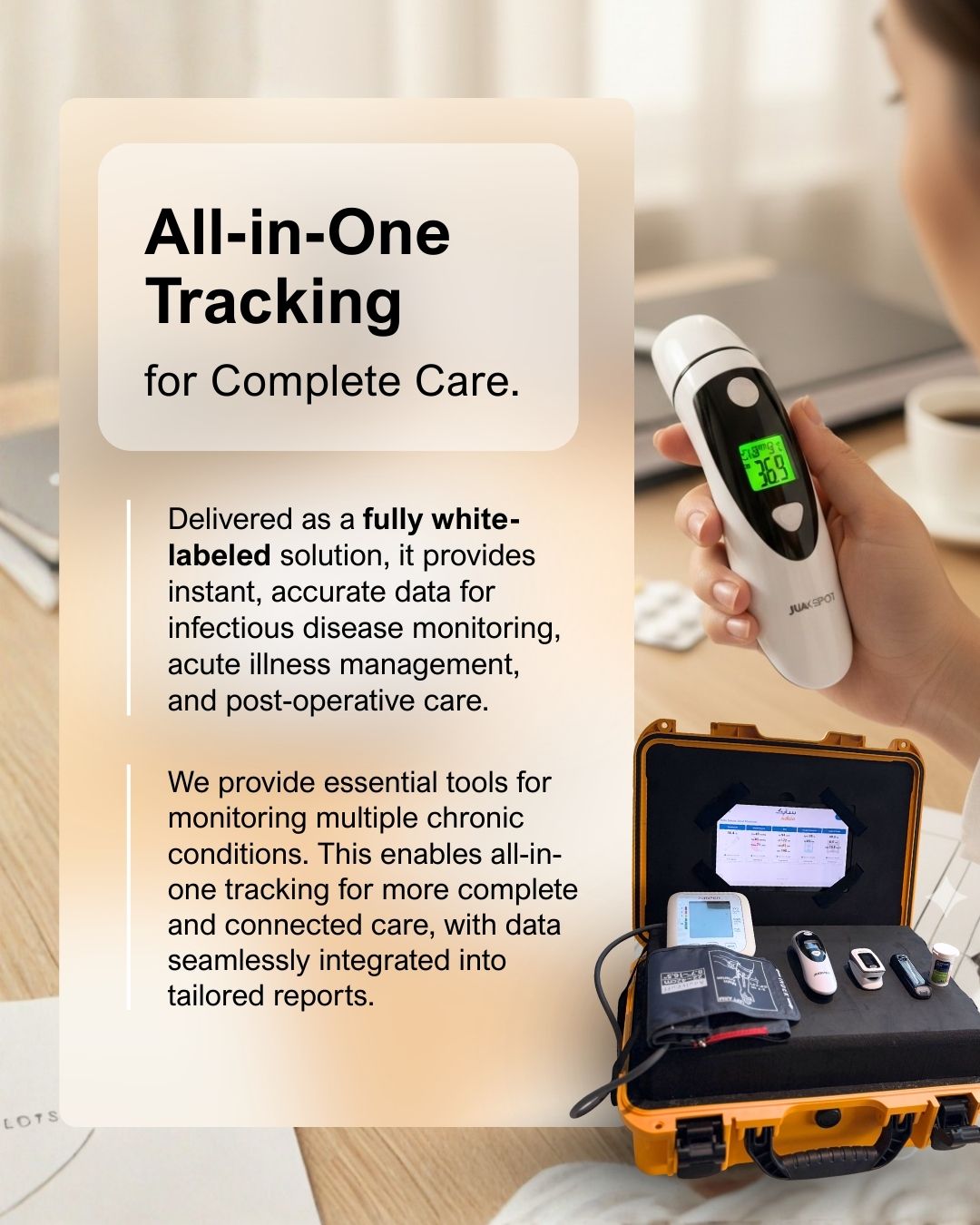
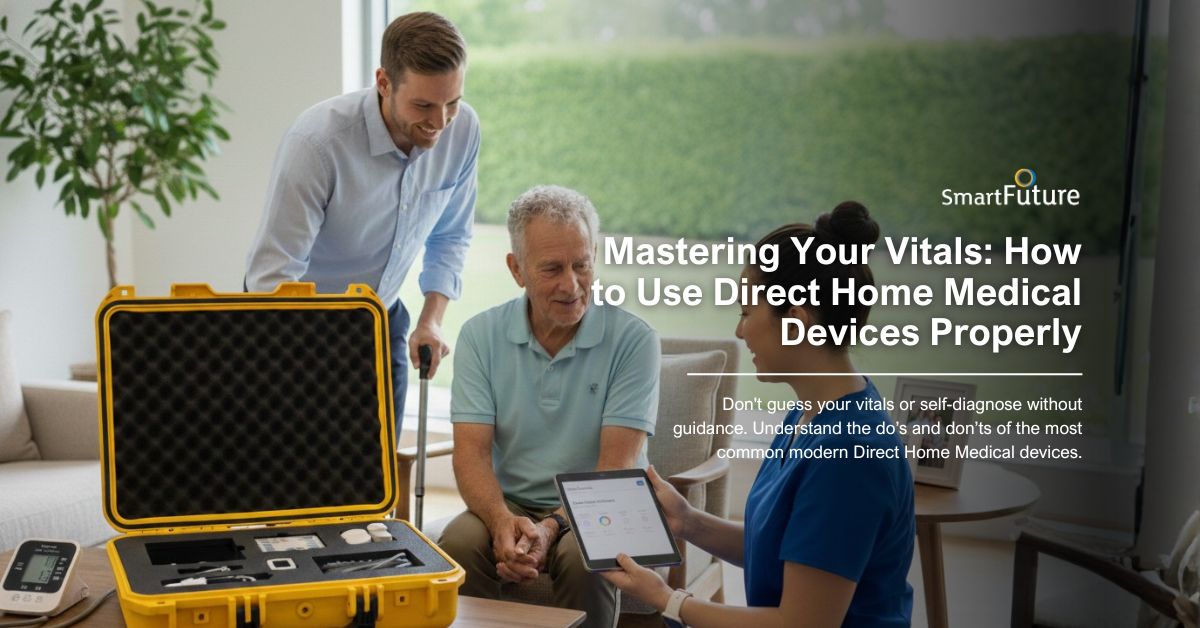
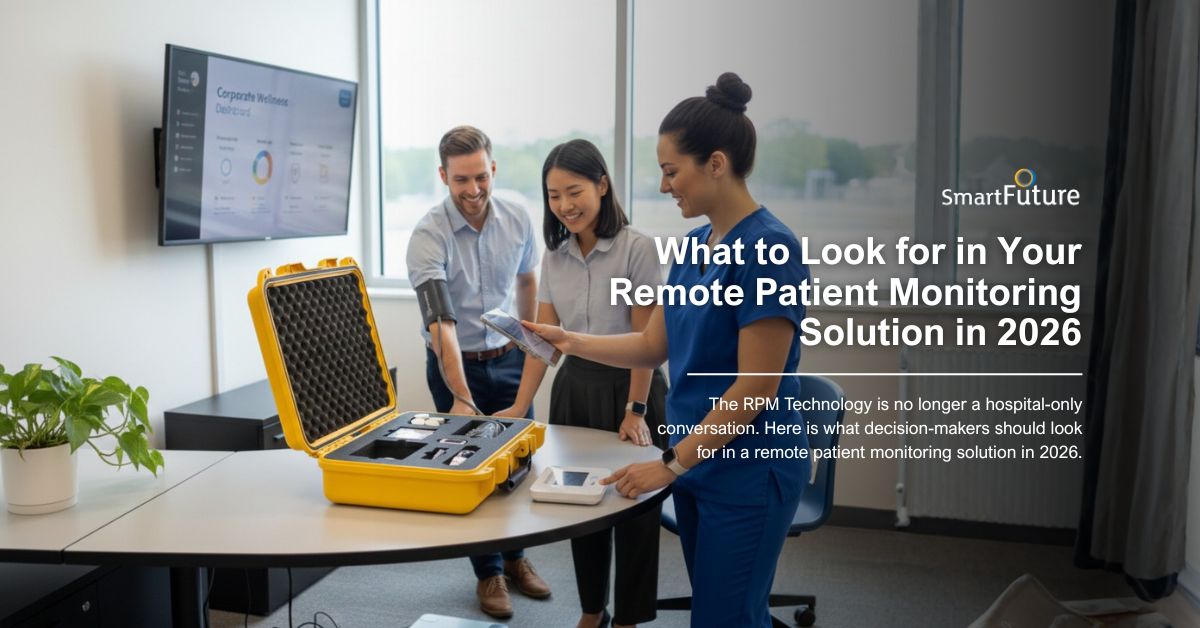
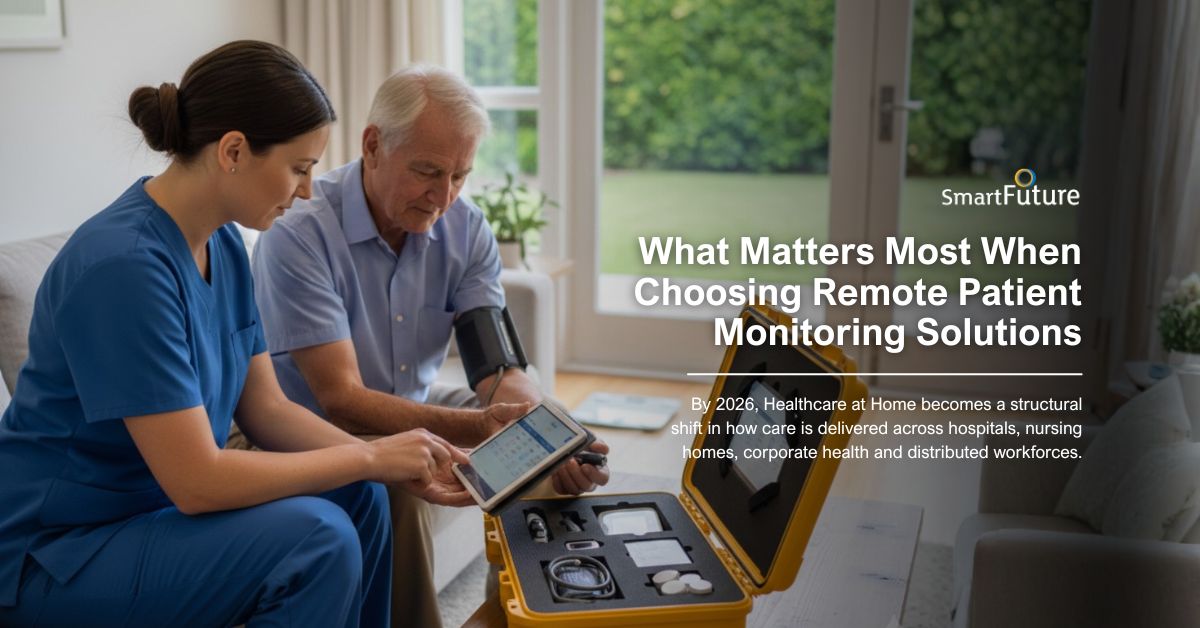
You might be wondering what makes this “health box” so powerful and unique. Inside every MediKit Christmas Gift, you will find a professional-grade blood pressure monitor, a pulse oximeter, a digital thermometer, and a glucometer. Additionally, it features a built-in tablet interface that makes it incredibly easy to use. This detailed set of tools provides a complete health check-up in the palm of your hand, making professional monitoring simple for everyone.

Simple Tech for Non-Medical People

You don’t need to be a doctor to use this amazing piece of technology. The integrated tablet guides you through every measurement, and the system securely sends health data via remote transmission to medical experts if needed. This means that a MediKit Christmas Gift allows non-medical staff or family members to collect data accurately and quickly. It bridges the gap between home and professional care with just a few taps on a screen.

Give the Most Meaningful Gift This Year

If you want to be the holiday hero, choose a present that offers security, health, and total peace of mind. The MediKit Christmas Gift is more than just a box of tools; it is a commitment to keeping your loved ones healthy for the long run. It is practical, modern, and shows you have their back no matter what happens. Make this Christmas memorable by giving a gift that could truly save the day.


Remote Care Solutions for Healthcare. Contact Us For More!

  • Phone (SG/Global): +65 8836 0984

  • Phone (US/CA): +1 (512) 717-6408

  • Email: sales@oursmartfuture.com

  • Singapore Address: 246 Macpherson Road, #03-01 Betime Building, Singapore 348578

  • US Address: 651 N Broad St, Suite 201, Middletown, Delaware 19709

  • Follow our newsletter. We will regularly update our latest project and availability.

White Label Smart Thermometer for Clinics.🌡️

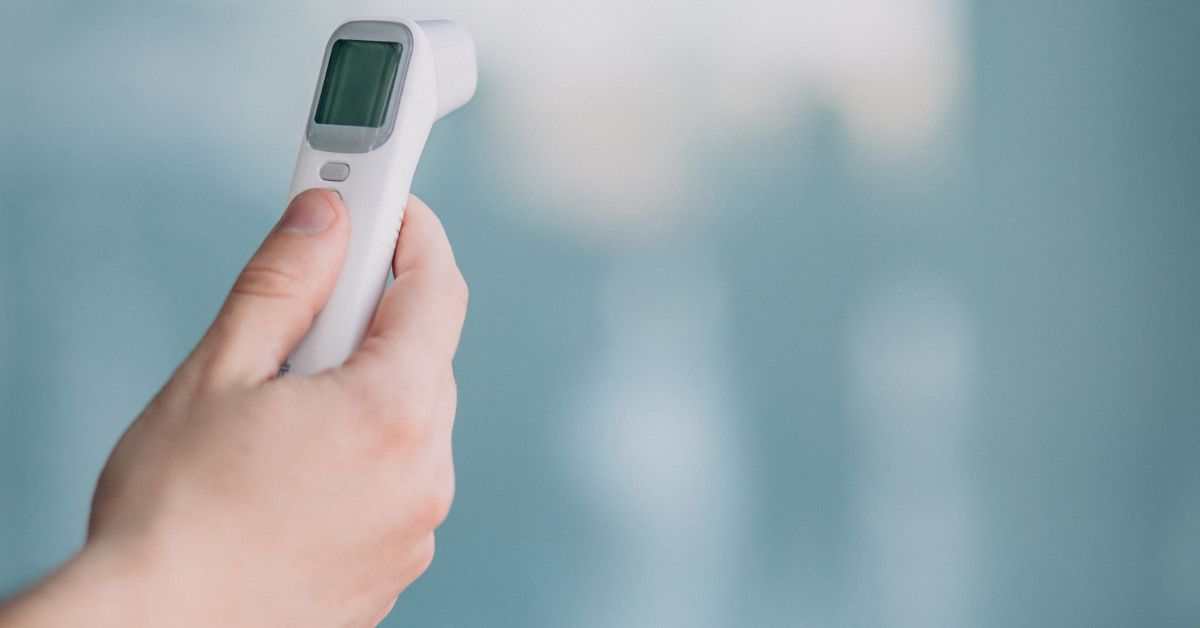
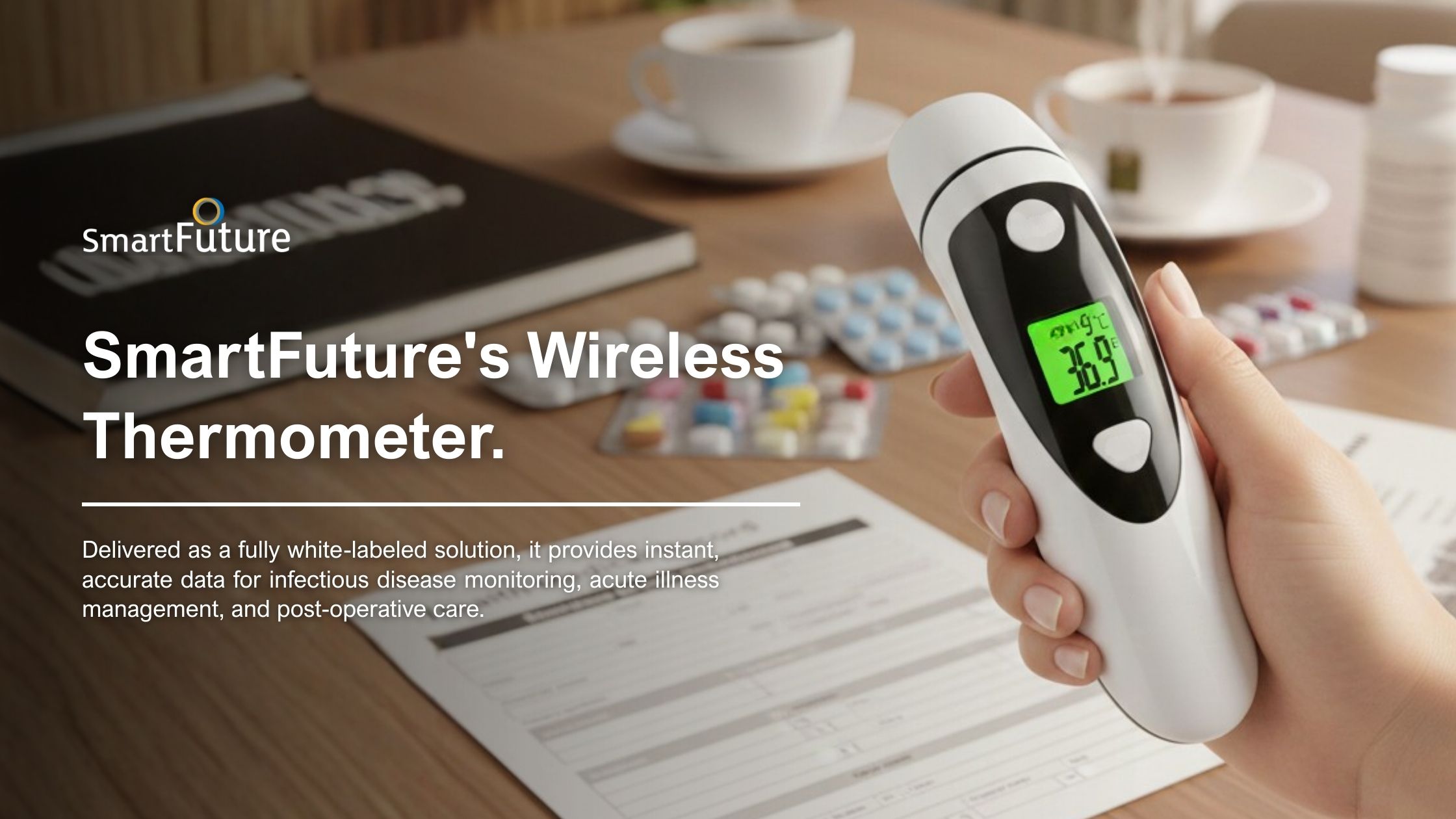
Accurate and consistent temperature monitoring remains a cornerstone of basic health surveillance across many sectors. SmartFuture’s advanced thermometer technology is essential for meeting this need.

Traditional devices often require manual recording or lack the digital connectivity necessary for remote oversight. Healthcare providers, corporate offices, and senior care facilities require a versatile, white labeled solution that integrates seamlessly into a broader digital health ecosystem.

The SmartFuture Digital Thermometer Solution

SmartFuture provides the advanced thermometer solution that is reliable, fast, and digitally connected. This essential device is integrated into our comprehensive health kits, ensuring rapid and precise temperature readings. Furthermore, the technology is designed to be highly versatile, suitable for use in diverse settings ranging from university dorms to large cruise ship infirmaries.

Precision and Versatility of the Temperature Monitor

The core benefit of the SmartFuture temperature monitor lies in its precision combined with its versatile application. Whether monitoring a patient post-discharge, tracking employee health trends, or managing symptoms in a senior living facility, the device delivers hospital-grade accuracy. This versatility allows organizations to deploy a single, trusted technology standard across multiple departments or sites.

SmartFuture offers versatile, white labeled thermometer technology for digital health. It provides precise, automated temp readings for corporate, senior care, and clinics.

Seamless White-Labeled Integration of the Thermometer Device

We understand that brand consistency is paramount. Therefore, SmartFuture offers its advanced temperature monitoring technology as a white labeled solution. This means you can integrate the device seamlessly into your existing care platform and brand identity. This capability extends your brand’s trust and professionalism directly to the point of care, enhancing patient and user confidence.

Automated Data Flow for Timely Intervention

Unlike traditional manual methods, the SmartFuture device facilitates an automated data flow. The connected unit instantly transmits temperature readings to the digital platform, eliminating the potential for human error during data entry. This reliable, real-time data transmission ensures that care teams receive the most current information, enabling timely intervention and better trend analysis.

Establishing the Standard for Connected Health

By integrating SmartFuture’s modern, white labeled thermometer technology, organizations establish a new standard for connected health. This solution supports proactive fever screening, rapid isolation protocols, and improved overall population health management.

Ready to simplify health monitoring and launch your own branded thermometer solution? Contact our team today.


Remote Care Solutions for Healthcare (CTA)

  • Phone (SG/Global): +65 8836 0984

  • Phone (US/CA): +1 (512) 717-6408

  • Email: sales@oursmartfuture.com

  • Singapore Address: 246 Macpherson Road, #03-01 Betime Building, Singapore 348578

  • US Address: 651 N Broad St, Suite 201, Middletown, Delaware 19709

Follow our newsletter. We will regularly update our latest project and availability.

The SmartFuture Medkit Showed At AHWS 2025 Maritime Event

SmartFuture proudly participated in the Asia Health, Wellness & Security Conference 2025 (AHWS 2025). This pivotal event occurred on November 25–26, 2025, at the Park Hyatt Hyderabad in India.

Formerly known as the Asia Remote Health & Corporate Wellness Conference, AHWS is now organized by the International SOS Foundation’s Asia Remote Health Committee (ARHC). This committee is dedicated to safeguarding people who work in remote locations across Asia.

A Focus on Disruptive Technology and Remote Health

AHWS 2025, the eleventh edition of this influential conference, focused on the key theme: “AI in a Disruptive World – Impact on Health & Security.” The event brought together healthcare professionals, security experts, and organizational leaders from across Asia. They convened to explore how cutting-edge technologies and innovative solutions can transform worker health and well-being, especially within challenging or remote environments like the maritime industry.

SmartFuture’s Mission Aligns with AHWS Goals

SmartFuture’s mission closely aligns with the goals of AHWS, emphasizing technological innovation and human-centered design. Ensuring crew welfare in maritime and remote-site contexts presents a critical challenge due to limited traditional infrastructure and potential communication delays. By attending, SmartFuture shared key insights on remote-environment health solutions and demonstrated how technology effectively bridges the healthcare gap for remote workers.

Introducing MediKit: The Maritime Health Solution

At AHWS 2025, SmartFuture successfully showcased its proprietary maritime health-monitoring system: MediKit. This integrated toolkit is specifically designed for use on ships and remote maritime platforms. The core of MediKit is a waterproof box containing diagnostic medical devices plus an iPad interface. This unique setup allows non-medical crew members to perform basic health diagnostics seamlessly, even amidst harsh maritime conditions.

SmartFuture highlighted its MediKit maritime health solution at AHWS 2025, demonstrating how technology bridges care gaps for remote workers under the theme of AI's impact.
SmartFuture highlighted its MediKit maritime health solution at AHWS 2025, demonstrating how technology bridges care gaps for remote workers under the theme of AI’s impact.

Key Features and Strategic Visibility

MediKit’s key features ensure crew safety and well-being. The waterproof housing guarantees functionality in severe weather. The integrated diagnostic tools and tablet interface make data collection straightforward for non-medical personnel. Furthermore, the system enables secure, remote data transmission to land-based medical centers. By highlighting MediKit, SmartFuture showed how AI-ready solutions can transform occupational health in industries operating beyond traditional healthcare reach, such as shipping and offshore work.

Driving Dialogue and Forging New Partnerships

SmartFuture’s participation clearly reinforced its core message: health, wellness, and security are a responsibility, not a luxury, even in remote locations. The company successfully raised awareness of the healthcare challenges faced by remote workers. It aimed to forge new partnerships with maritime companies and occupational-health stakeholders to roll out MediKit broadly. Ultimately, SmartFuture contributed meaningfully to the wider conversation at AHWS about shaping the future of workplace health through emerging technologies.

Want faster response times and better coordination? DM us to book a demo today!
đź’ŚEmail: sales@oursmartfuture.com
📞Call (SG): +65 8836 0984
📞Call (US): +1 (512) 717-6408

Real-Time Remote Patient Monitoring for Modern Nursing Home Management

Nursing homes operate at the intersection of continuous care, patient safety, and operational accountability. As resident populations grow older and more clinically complex, nursing home operators face increasing pressure to deliver timely care while maintaining efficiency and regulatory compliance. One of the most significant shifts supporting this challenge is the adoption of remote patient monitoring as part of daily nursing home management.

Real-time visibility into resident health is no longer a nice-to-have feature. It is becoming a foundational requirement for facilities responsible for round-the-clock care.

The Need for Real-Time Monitoring in Nursing Homes

Nursing homes care for residents with chronic conditions, mobility limitations, and heightened vulnerability to sudden health changes. Traditional monitoring approaches, such as scheduled vital checks and manual documentation, often leave gaps between observations. These gaps can delay intervention and increase risk.

A patient remote monitoring system addresses this limitation by enabling continuous data collection rather than periodic snapshots. With real-time health information available to care teams, nursing homes can respond faster to changes in vital signs, reduce avoidable incidents, and improve overall clinical oversight.

This shift from reactive checks to continuous monitoring is changing how care teams manage risk, prioritize interventions, and allocate staff resources.

Moving Beyond Manual Processes With a Unified Monitoring Platform

Effective real-time monitoring requires more than individual devices. Nursing homes need a unified remote patient monitoring solution that integrates smoothly into existing workflows and supports multiple care scenarios without increasing administrative burden.

At SmartFuture, we support nursing homes through white-label remote patient monitoring solutions that can be tailored to each facility’s operational needs. A customized platform allows facilities to standardize data collection, streamline reporting, and ensure that monitoring aligns with internal protocols and compliance requirements.

By centralizing health data, nursing homes can monitor trends over time, identify early warning signs, and support long-term care planning rather than responding only to acute events.

Benefits of Remote Patient Monitoring Program in Daily Care

Modern nursing homes increasingly rely on remote patient monitoring solutions to support both clinical care and operational efficiency. These systems continuously track vital indicators such as blood pressure, oxygen saturation, temperature, and glucose levels, transmitting data securely to care teams in real time.

A structured remote patient monitoring service reduces the need for constant manual checks while ensuring that care staff remain informed. Instead of relying on routine rounds alone, teams can focus attention where data indicates emerging risk.

This approach not only improves care quality but also helps nursing homes manage staffing challenges by allowing caregivers to work more efficiently without compromising resident safety.

Solutions That Supports Reliability and Scale

For monitoring systems to succeed in nursing home environments, reliability is critical. A robust remote patient monitor must function consistently across shared spaces, private rooms, and varying connectivity conditions to support continuous care without interruption.

OurSmartFuture’s platform is built on proven remote patient monitoring technology designed for institutional use. Devices connect through secure, cellular-enabled infrastructure, enabling consistent transmission of patient data without relying on resident-owned smartphones or applications. This approach allows care teams to maintain visibility across the facility while reducing technical barriers for residents.

Reliable access to accurate patient data helps care providers respond more quickly to changes in condition and make informed decisions that improve patient outcomes. In nursing home settings, where staff manage diverse needs across multiple residents, ease of use and system consistency are essential for adoption and long-term success.

By eliminating app dependency and simplifying workflows, facilities can deploy monitoring solutions at scale without adding operational complexity, allowing care providers to focus on delivering timely, high-quality care.

Enhancing Safety and Response Through Continuous Oversight

Beyond clinical metrics, real-time monitoring plays an important role in overall safety management. Continuous oversight allows nursing homes to detect changes early, escalate concerns promptly, and coordinate care with external providers when needed.

A well-implemented remote patient monitoring solution supports faster response times, clearer communication between teams, and better documentation for clinical and regulatory purposes. Over time, this contributes to improved outcomes and reduced incident rates.

Operational Benefits of Using Remote Patient Monitoring System for Nursing Home Management

The value of real-time monitoring extends beyond resident care. Automated data capture and centralized dashboards reduce manual documentation, minimize errors, and free staff from repetitive administrative tasks.


View this post on Instagram


A post shared by SmartFuture (@smartfuture.sg)


By adopting a comprehensive patient remote monitoring system, nursing homes gain operational insight alongside clinical visibility. Managers can assess workload distribution, identify process bottlenecks, and make informed decisions that improve both care delivery and resource management.

Setting a New Standard for Nursing Home Care Monitoring Solutions

Real-time monitoring is quickly becoming a standard component of modern nursing home operations. As regulatory expectations rise and resident needs become more complex, facilities that rely solely on manual processes face increasing risk.

Through integrated remote patient monitoring services and scalable monitoring infrastructure, nursing homes can deliver safer, more responsive care while maintaining operational efficiency.

OurSmartFuture remains committed to supporting this evolution by providing secure, white-label monitoring solutions designed for institutional healthcare environments.

As nursing homes prepare for the future, investing in reliable remote patient monitoring technology is no longer optional. It is a critical step toward delivering consistent, high-quality care in an increasingly demanding healthcare landscape.

To learn more about how cellular-enabled monitoring supports institutional care environments, explore our Cellular Platform and see how secure, app-free connectivity can strengthen remote patient monitoring in nursing home settings.

How Hospital at Home in Singapore is Revolutionizing Patient Care

In the ever-evolving landscape of healthcare, the concept of “Hospital at Home” is emerging as a transformative model of patient care.

This innovative approach is reshaping how patients receive treatment, offering them the comfort and convenience of being treated in their own homes without compromising the quality of care.

At Smartfuture, we understand the power of this model and how it’s revolutionizing the healthcare industry.

The Rise of Hospital at Home

The traditional model of hospitalization often involves patients being admitted to healthcare facilities for extended periods. While this approach ensures constant monitoring and immediate access to medical care, it can also lead to unnecessary stress for patients and increased healthcare costs. “Hospital at Home” turns this model on its head by providing acute care in the patient’s home environment. This method not only improves patient satisfaction but also reduces the strain on hospital resources.

The Role of Customized Platforms in Hospital at Home

At the heart of the Hospital at Home movement is technology, and a crucial component of this technology is a customized platform. A customized healthcare platform enables healthcare providers to offer personalized care plans that cater to the unique needs of each patient. This is particularly important in a home setting, where the environment and patient circumstances can vary significantly.

Our white-label solutions are designed to empower healthcare providers with the flexibility to brand and tailor these platforms to their specific requirements. By leveraging our technology, healthcare providers can seamlessly integrate the Hospital at Home model into their existing operations, enhancing the patient experience while maintaining the high standards of care expected in a traditional hospital setting.

Remote Patient Monitoring Programme: A Cornerstone of Success

One of the key drivers behind the success of the Hospital at Home model is the ability to monitor patients remotely. Remote patient monitoring solutions allow healthcare providers to track vital signs, manage chronic conditions, and detect potential health issues in real-time, all from a distance. This continuous monitoring is essential in ensuring that patients receive the right care at the right time, without the need for constant physical presence.

Our healthcare platform integrates advanced remote patient monitoring tools, enabling healthcare providers to deliver high-quality care to patients in their homes. This not only improves patient outcomes but also reduces the overall cost of care by minimizing hospital readmissions and emergency visits.

The Power of Telehealth Platforms

Another critical component of the Hospital at Home model is the use of telehealth platforms. Telehealth allows for virtual consultations, follow-ups, and communication between patients and healthcare providers. This level of accessibility is crucial for the success of the Hospital at Home model, as it ensures that patients are never out of reach of their healthcare team.

Smartfuture’s telehealth platform is designed with both patients and providers in mind, offering an intuitive interface and robust features that facilitate seamless communication. Whether it’s a routine check-up or a more urgent consultation, our platform ensures that patients receive the care they need without the inconvenience of traveling to a healthcare facility.

Mobile Inpatient by Smartfuture: A New Era of Inpatient Care

The Hospital at Home model represents a significant shift in how we think about patient care. By leveraging technology products such as remote patient monitoring solutions and customized platforms, healthcare providers can offer hospital-level care that was once only possible within the walls of a general hospital.

This not only enhances the patient experience but also drives efficiency and cost savings for healthcare systems.

At Smartfuture, we are committed to supporting this revolution in mobile inpatient care. Our white-label solutions and state-of-the-art healthcare devices and platforms are at the forefront of this movement, enabling healthcare providers to deliver exceptional care in the comfort of the patient’s home.

As the healthcare landscape continues to evolve, we believe that Hospital at Home will play a critical role in shaping the future of patient care without the need for intensive home visits.

By adopting the Hospital at Home model, healthcare providers can offer a more personalized, efficient, and patient-centered approach to care. With the right technology and support, the future of healthcare is not only smart but also home-based.

Interested in knowing more about our Hospital at Home Solutions?

If your organization is evaluating how to strengthen healthcare delivery, remote monitoring, or integrated medical solutions across complex environments, we are ready to support you.

Our team works closely with healthcare providers, enterprises, and institutions to design scalable, white-label solutions aligned with real operational needs.

Contact OurSmartFuture team to discuss your requirements, explore suitable solutions, and take the next step toward a more reliable, future-ready healthcare infrastructure.

How Remote Patient Monitoring is Improving Substance Abuse Care?

Remote Patient Monitoring (RPM) plays a critical role in substance abuse care by providing continuous health data monitoring and immediate response capability. Key components of an effective RPM system include real-time monitoring of vital signs, medication adherence tracking, and the ability to communicate and engage with patients in their recovery journey seamlessly. This technology has proven particularly useful for managing chronic conditions, and now it’s making a significant impact on substance abuse care.

This real-time interaction allows healthcare providers to detect early signs of relapse and take prompt action, potentially preventing a full-blown relapse. By offering a constant connection between patients and their healthcare providers, RPM ensures that help is always at hand, leading to a safer and more effective treatment process.

Substance Abuse Care Areas Benefiting from RPM

1. Detoxification: RPM ensures real-time monitoring of withdrawal symptoms, enhancing patient safety during detox.

2. Rehabilitation: RPM tracks progress and helps detect early signs of relapse, aiding effective rehabilitation.

3. Outpatient Treatment: Maintaining constant patient-provider contact, RPM supports outpatient programs by monitoring health and behavior changes.

4. Medication-Assisted Treatment: RPM assists in monitoring medication adherence, response, and side effects in MAT programs.

5. Therapy and Counseling: Used with virtual therapy, RPM provides therapists with insights into patients’ well-being to adjust therapy plans.

6. Aftercare Programs: RPM aids in aftercare by monitoring ongoing recovery progress and quickly identifying potential relapse signs.

The Impact of Remote Patient Monitoring in Substance Abuse Care

Remote Patient Monitoring (RPM) is transforming substance abuse care in several ways:

  • Enhanced Accessibility: RPM offers healthcare services to patients in remote locations, breaking geographical barriers.
  • Increased Patient Engagement: RPM promotes real-time interaction between patients and healthcare providers, motivating patients to stick to their treatment plans.
  • Early Intervention: Continuous monitoring allows for early detection of relapse signs, enabling immediate intervention.
  • Cost Efficiency: By reducing the need for frequent hospital visits and allowing early intervention, RPM can potentially lower healthcare costs.
  • Comprehensive Care: RPM can help provide a more holistic view of a patient’s health. By tracking a variety of health metrics, healthcare providers can gain valuable insights into a patient’s overall wellbeing, not just their substance use. This can lead to more comprehensive and effective treatment plans.
  • Anonymity: RPM can provide a sense of anonymity for patients who might feel stigma or shame associated with substance abuse treatment. This anonymity can make it easier for some patients to seek help.

RPM is redefining substance abuse care. In addition to enhancing accessibility, increasing patient engagement, allowing for early intervention, and improving cost efficiency, RPM also offers comfort, anonymity, comprehensive care, and improved communication, further amplifying its transformative potential in substance abuse care.

Conclusion

The integration of RPM into substance abuse care holds great potential for improving patient outcomes.  As technology advances, substance abuse centers should explore and adopt RPM as a transformative tool, ultimately helping individuals achieve lasting recovery and healthier lives.

Explore our Remote Patient Monitoring (RPM) solution for more information.


References

Pharmanewsintel.com. (n.d.). How Can Remote Patient Monitoring Improve OUD Care? Retrieved from https://pharmanewsintel.com/features/how-can-remote-patient-monitoring-improve-oud-care
Substance Abuse and Mental Health Services Administration. (n.d.). Behavioral Health Treatment Services Locator. Retrieved from https://dpt2.samhsa.gov/treatment/directory.aspx

Why Remote Patient Monitoring is Critical for Emergency Response System

In today’s rapidly advancing healthcare landscape, remote patient monitoring (RPM) has emerged as a vital tool for providing timely and accurate medical intervention. As a system that enables continuous visibility into patient data, RPM plays an increasingly important role in environments where access to traditional medical facilities is limited.

From offshore oil rigs to sea vessels, where a patient with life-threatening injuries may be a long way from an ambulance response, timely access to medical help becomes a significant challenge. In these conditions, understanding a patient’s condition in real time is essential. That’s where Remote Patient Monitoring (RPM) comes into play. This article explores the importance of RPM in offshore emergency response, highlighting its benefits, remote monitoring solutions, and successful case studies.

Offshore Emergency Response Challenges System and Monitoring Devices

Offshore emergency response situations come with their own set of challenges. The isolation and distance from traditional healthcare facilities make it difficult to provide timely medical assistance, particularly when continuous access to monitoring devices is limited.

In some situations, a helicopter needs to be called in to airlift the patient to a hospital on land, but even then, the patient will need care while they wait. During this critical period, accurate patient data and visibility into the patient’s condition can make the difference between stabilization and deterioration.

Additionally, limited resources and space constraints on offshore platforms further complicate healthcare delivery. The significance of prompt and accurate medical intervention in these situations cannot be overstated, especially when response decisions rely on reliable patient monitoring solutions.

The Role of Remote Patient Monitoring in Offshore Emergency Response System and Patient Monitoring Solutions

Remote patient monitoring (RPM) plays a crucial role in offshore emergency response. RPM utilizes advanced technologies and integrated monitoring devices to remotely monitor patients’ vital signs in real time, going beyond facilitating remote examination and communication between doctors on shore and patients on the oil rig.

Remote patient monitoring (RPM) enables seamless collaboration between the remote doctor and on-site support staff by providing continuous patient data, ensuring comprehensive care until the helicopter arrives for transport. By integrating emergency equipment and monitoring devices, critical information about the patient’s condition is collected and transmitted accurately. These remote monitoring solutions enable prompt medical intervention and reduce the risk of complications during extended response times.

Relevant Medical Devices and Monitoring Devices Used in Patient Monitoring Solutions

Automated External Defibrillators (AEDs)

AEDs are portable monitoring devices designed to deliver an electric shock to the heart in cases of cardiac arrest, forming a critical component of offshore emergency patient monitoring solutions.

Patient Monitors

Bedside patient monitors continuously capture patient data such as non-invasive blood pressure, ECG, SpO2, temperature, respiration rate, end-tidal CO2, and invasive blood pressure. These monitoring devices allow clinicians to assess a patient’s condition accurately in real time.

Ultrasound Probe

Portable ultrasound probes provide real-time imaging, enabling medical professionals to assess internal structures and better understand changes in the patient’s condition, even in offshore environments.

Successful Case Study: Offshore Telemedicine Emergency Service System

In the study “Offshore telemedicine emergency service: a 1-year experience,” researchers investigated telemedical emergency care feasibility in offshore wind farms on the North Sea, where access to medical care is limited.

The researchers established a telemedical integration system that transmitted vital parameters such as ECG, blood pressure, and saturation from the offshore location to a telemedicine center. This approach ensured continuous transmission of patient data. They utilized a satellite connection on a supply ship for data transfer via WLAN, demonstrating the practical use of remote monitoring solutions in offshore conditions.

The project’s results demonstrated the feasibility of offshore telemedical support for on-site rescue service personnel using raw data transmission. Both test scenarios and actual patient care confirmed the successful implementation of telemedicine and patient monitoring solutions in this remote setting. However, reliable transmission depended on defined areas with WLAN coverage, ensuring a 100% success rate.

Conclusion System-Level Patient Monitoring Solutions

The importance of remote patient monitoring in offshore emergency response cannot be underestimated. Remote Patient Monitoring (RPM) platforms act as a critical system for real-time monitoring, early detection of health issues, and prompt medical intervention, thereby safeguarding offshore workers.

By combining advanced monitoring devices, continuous patient data transmission, and reliable remote monitoring solutions, organizations can respond more effectively to changes in a patient’s condition. Successful case studies further emphasize the positive outcomes achieved through RPM implementations, including significantly improved offshore emergency response outcomes and enhanced protection of offshore personnel.

Embracing RPM platforms is not only a step toward improving operational safety but also a clear demonstration of an organization’s commitment to prioritizing health and welfare in remote and high-risk environments.

Explore our Remote Patient Monitoring (RPM) solution for more information.

References

The Journal of mHealth: “Offshore Telemedicine: How Oil Rigs Keep Workers Safe at Sea.”

BMJ Open: “Offshore telemedicine emergency service: a 1-year experience.”

Wind Systems Magazine: “Preparing for a Wind Farm Emergency.”

Maritime and Coastguard Agency: “Medical Kits.”

How Remote Patient Monitoring is Revitalizing Nursing Home Care

Remote patient monitoring (RPM) has emerged as a powerful healthcare solution to enhance patient outcomes and revolutionize the quality of care provided in nursing homes. As a system that supports remote care, RPM strengthens visibility into patients’ health and enables timely, data-driven decision-making.

The convergence of the post-pandemic era and the exponential growth of the elder population has made nursing homes an indispensable necessity, particularly for patients with chronic disease who require ongoing supervision and coordinated medical support.

In this blog, we will explore the critical role of Remote patient monitoring and its profound impact on addressing challenges in nursing home care through scalable remote monitoring solutions.

Challenges in Nursing Home Care and the Need for a Healthcare System Solution

Caretakers with senior couple sitting in living room at nursing home


Every day in the United States, 10,000 people turn 65, and the number of older adults will more than double over the next several decades.

An American Health Care Association (AHCA) report highlights an unprecedented economic crisis in nursing homes. The increasing demand for elder home care exacerbates this issue, necessitating innovative remote monitoring and remote patient monitoring solutions.

Limited Resources and Staffing in Healthcare Systems

Nursing homes often face resource and staffing constraints, hampering their ability to deliver comprehensive care. This challenge is particularly acute when caring for residents with complex needs or patients with chronic disease. The growing demand for elder home care further underscores the need for an efficient system that supports staff without increasing workload.

Health Monitoring and Timely Interventions Through Remote Monitoring Solutions

Traditional monitoring methods in nursing homes can be time-consuming and inefficient, leading to delayed interventions. Rapid detection of changes in patients’ health and timely response are vital to improving health outcomes. A structured remote monitoring solution enables continuous oversight without reliance on manual checks alone.

Care Coordination and Communication as a Healthcare Service Challenge

Effective coordination and communication among healthcare providers, caregivers, and families are essential but can be challenging in the fast-paced nursing home environment. Improving patient engagement and streamlining communication through a centralized system is critical for delivering cohesive and personalized care.

Fall Prevention and Safety Using Remote Care Systems

Falls pose a significant risk in nursing homes, often resulting in injuries and hospitalizations. Implementing technology-driven remote care strategies and continuous monitoring systems is essential to enhance resident safety and reduce preventable incidents.

In long-term care facilities, the growing use of RPM technologies has brought many benefits to both residents and caregivers. 

Use Cases of Remote Patient Monitoring in Nursing Home Healthcare Solutions

Implementing Remote Patient Monitoring to address high operating costs and stagnant recovery may help prevent nursing home closures and ensure continued access to care for seniors. RPM acts as both a clinical and operational service that supports sustainable care delivery.

Continuous Health Monitoring Using a Remote Monitoring System

Remote Patient Monitoring (RPM) enables nursing homes to implement continuous monitoring using remote patient monitoring devices. Real-time tracking of vital signs improves visibility into patients’ health, allowing staff to respond proactively rather than reactively.

Early Intervention and Preventive Care Through a Remote Patient Monitoring Solution

RPM provides real-time data and automated alerts that support early intervention and preventive care. Immediate notification of abnormal readings allows clinicians to adjust medication or care plans promptly, improving health outcomes for residents.

Improved Care Coordination and Patient Engagement via Healthcare Systems

RPM platforms improve care coordination among staff, doctors, and family members through secure messaging, video consultations, and shared access to patient information. These capabilities strengthen patient engagement and ensure that all stakeholders remain informed and aligned in care decisions.

Fall Detection and Safety Measures Enabled by Remote Monitoring Devices

RPM plays a vital role in fall prevention and resident safety. Wearable remote patient monitoring devices equipped with fall detection alert caregivers and healthcare providers immediately, enabling swift assistance and reducing the severity of incidents.

In long-term care facilities, the growing adoption of RPM technologies has delivered measurable benefits to both residents and caregivers, reinforcing the value of remote care models.

How Smartfuture RPM Improves Nursing Home Care Through a Healthcare System Solution

Smartfuture RPM platform offers a comprehensive remote patient monitoring solution tailored to the unique needs of nursing homes. As an integrated system, it supports continuous monitoring, efficient workflows, and coordinated care delivery.

With EHR/EMR and billing integration, chat and call functionalities, and SMS alerts, Smartfuture RPM solution helps healthcare providers enhance patient care, improve monitoring efficiency, strengthen patient engagement, and streamline communication and data management across the entire care continuum.

Discover more about Smartfuture RPM platform and unlock the full potential of Remote Patient Monitoring in nursing home care.

References

AHCA/NCAL. (n.d.). High Operating Costs and Stagnant Recovery Could Mean More Nursing Home Closures, Threatening Access to Care for Seniors.
Retrieved from https://www.ahcancal.org/News-and-Communications/Press-Releases/Pages/AHCA-Releases-Report-Highlighting-Unprecedented-Economic-Crisis-in-Nursing-Homes.aspx

AARP International. (n.d.). Aging Readiness and Competitiveness.
Retrieved from https://www.aarpinternational.org/initiatives/aging-readiness-competitiveness-arc/united-states

How Remote Patient Monitoring is Revolutionizing Physical Therapy

Remote patient monitoring (RPM) technology has enabled a digital transformation of the healthcare system, including the field of physical therapy. By integrating RPM into physical therapy practices, providers, including physical therapists, rehabilitation centers, hospitals, outpatient clinics, and sports medicine centers, can ensure continuous monitoring, personalized feedback, and optimized treatment plans for their patients, including patients with chronic conditions who require long-term care.

The COVID-19 pandemic highlighted the essential role of RPM, leading PTs and OTs to advocate for its use through specific billing codes and structured monitoring programs that allow clinicians to safely monitor patients outside traditional clinical settings.

Telehealth Shouldn’t Be for Emergencies Only: A Remote Patient Monitoring Solution and System Perspective

This important advocacy by the American Physical Therapy Association (APTA) highlights the significant benefits of integrating Remote Patient Monitoring (RPM) in physical therapy as a long-term remote patient monitoring solution rather than a temporary response. By harnessing the power of RPM, healthcare providers can deliver personalized care, optimize treatment outcomes, and enhance patient engagement through structured RPM programs supported by reliable monitoring devices.

Use Cases of Remote Patient Monitoring in Physical Therapy Solutions

We explore how Remote Patient Monitoring is revolutionizing physical therapy by enabling continuous monitoring, promoting improved outcomes, and enhancing patient care through scalable solutions.

1. Remote Rehabilitation Using Remote Patient Monitoring Devices and Continuous Monitoring

RPM facilitates the remote delivery of physiotherapy services through connected remote patient monitoring devices. Wearable devices or motion sensors allow physiotherapists to remotely monitor patients by tracking exercise adherence, range of motion, muscle strength, and other key metrics.

This monitoring program enables therapists to review real-time health data, provide timely feedback, and adjust treatment plans without requiring frequent in-person visits, supporting continuity of care for patients recovering at home.

2. Injury Rehabilitation Supported by a Remote Patient Monitoring System and Devices

For athletes recovering from sports injuries, RPM supports their rehabilitation process by combining wearable monitoring devices with a structured remote patient monitoring solution.

Remote Patient Monitoring Helps Orthopedic Surgeons Improve Patient Outcome Using Continuous Monitoring

Wearable devices and sensors, such as knee sensors, track important factors including swelling, joint stability, muscle activation, and movement patterns. These remote patient monitoring devices generate actionable health data that allows physical therapists and surgeons to remotely assess recovery progress.

Through this system, clinicians can identify biomechanical issues early, customize treatment plans, and safely progress exercise programs while continuing to monitor patients between visits.

3. Performance Optimization Through Remote Patient Monitoring Devices and Solutions

For performance optimization in physical therapy, various portable remote patient monitoring devices can be used as part of an integrated monitoring program. These include wearable sensors, motion trackers, force plates, and smart training equipment, such as:

  • Portable electromyography (EMG) devices: Measure muscle activity to assess imbalances, identify areas of weakness, and optimize training programs.
  • Inertial measurement units (IMUs): Track movement patterns, joint angles, and acceleration, providing valuable health data for biomechanical analysis.
  • Force plates: Measure ground reaction forces to assess balance, gait patterns, and landing mechanics, supporting injury prevention strategies.
  • Handheld dynamometers: Measure muscle strength to track progress and guide targeted interventions.
  • Portable oxygen analyzers: Measure oxygen consumption to assess cardiovascular fitness and optimize exercise intensity.

RPM aids in tracking athletes’ performance and identifying injury risk factors by enabling clinicians to continuously monitor patients using connected monitoring devices. By analyzing biomechanics, muscle imbalances, and workload metrics, physiotherapists implement injury prevention strategies and optimize training programs remotely.

4. Wellness Programs Enabled by Remote Patient Monitoring Solutions and Continuous Monitoring

Remote patient monitoring (RPM) platforms also support general health and wellness programs, particularly for patients with chronic conditions who require ongoing supervision. Through video calls and integration with wearable remote patient monitoring devices, physiotherapists and fitness trainers manage wellness-focused monitoring programs for weight management, diabetes care, and long-term mobility improvement.

These RPM programs enable continuous collection of health data, helping providers adjust interventions and maintain engagement beyond traditional therapy sessions.

Conclusion: Remote Patient Monitoring Solution as the Future System for Physical Therapy

Remote patient monitoring (RPM) is revolutionizing physical therapy by enabling continuous monitoring, personalized care, and improved patient engagement through connected remote patient monitoring devices. By leveraging structured RPM programs, physical therapists can optimize treatment outcomes and deliver high-quality care while extending services beyond traditional clinical settings.

We hope this blog has shed light on the transformative potential of RPM in physical therapy and the immense benefits it brings to both patients and providers. By embracing RPM as a long-term remote patient monitoring solution, the physical therapy industry can shape the future of care delivery and elevate standards for managing rehabilitation and patients with chronic conditions.

Explore our Remote Patient Monitoring (RPM) solution for more information.

References

U.S. Department of Health and Human Services. (n.d.). Telehealth Best Practice Guide: Telehealth for Physical Therapy.
Retrieved from https://telehealth.hhs.gov/providers/best-practice-guides/telehealth-for-physical-therapy/physical-therapy-and-remote-patient-monitoring

American Physical Therapy Association. (n.d.). Telehealth.
Retrieved from https://www.apta.org/advocacy/issues/telehealth

How Remote Patient Monitoring Helps Surgeons Improve Patient Outcomes.
Retrieved from https://ptgenie.com/remote-patient-monitoring-helps-surgeons-improve-patient-outcomes/