
X
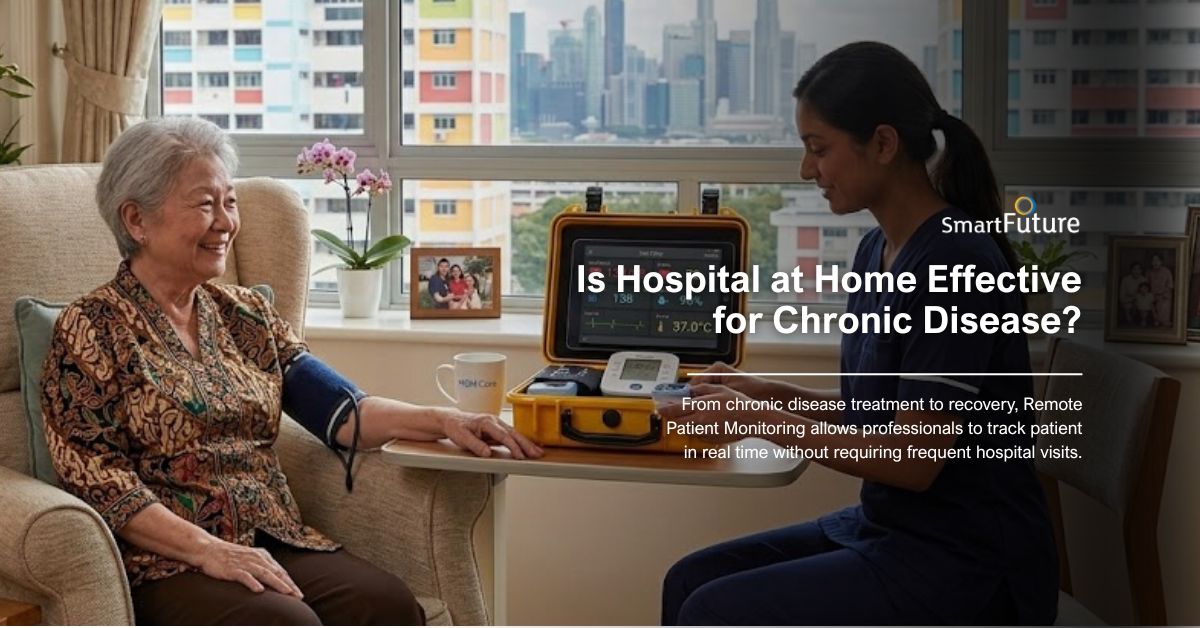
In 2023, the Centers for Medicare & Medicaid Services (CMS) in the United States reported that more than 300 hospitals across 37 states had adopted Hospital-at-Home (HaH) programs under its Acute Hospital Care at Home initiative. Early data showed that these programs contributed to reduced readmission rates and lower healthcare costs, while maintaining comparable clinical outcomes to inpatient care.
Meanwhile in Singapore, the Ministry of Health (MOH) has actively expanded Hospital-at-Home models since 2020, with pilot programs demonstrating safe delivery of acute care at home, particularly for elderly and chronic disease patients. According to MOH-supported studies, these programs helped alleviate hospital bed shortages while maintaining quality of care through remote monitoring and structured clinical oversight.
At the same time, chronic diseases remain the leading burden on healthcare systems globally. The World Health Organization (WHO, 2023) estimates that chronic conditions such as cardiovascular disease, diabetes, and respiratory illnesses account for over 74% of global deaths annually. In both the U.S. and Singapore, these conditions are also among the most common reasons for hospitalization, emergency care, and long-term treatment.
These trends are reshaping how healthcare is delivered. Increasingly, providers are asking whether hospital-level care, especially for chronic disease management and early-stage intervention, can be delivered safely outside traditional facilities.
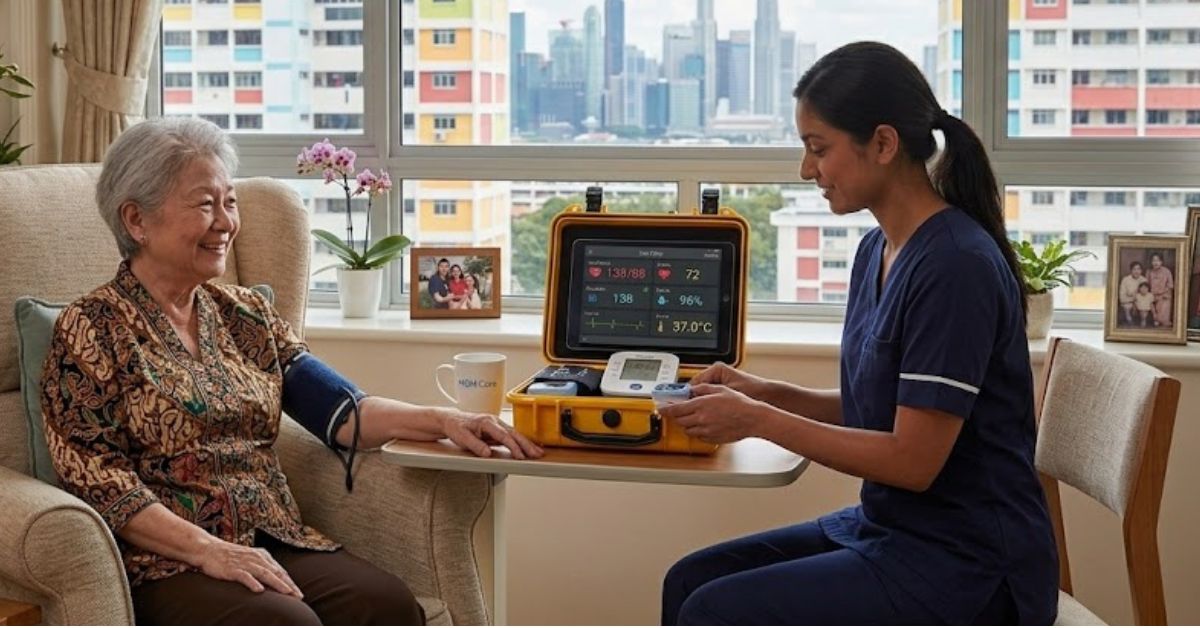
Hospital at Home is a care model that delivers hospital-level services directly in a patient’s home, replacing or shortening traditional inpatient stays.
This model allows patients to recover in familiar environments while still receiving clinical-grade care.
In Singapore, Hospital-at-Home programs are being integrated into public healthcare systems to reduce strain on hospitals. In the U.S., major healthcare providers and insurers have expanded HaH programs as part of value-based care strategies.
Chronic diseases such as diabetes, hypertension, COPD, and heart disease account for a significant portion of global healthcare utilization.
In the U.S., chronic diseases contribute to over 70% of healthcare spending, while in Singapore, they are among the leading causes of hospitalization and long-term care demand.
By utilizing Hospital at Home, we are offered a solution by shifting care from reactive hospital visits to continuous, proactive management at home.
Patients with diabetes require continuous monitoring of glucose levels, blood pressure, and weight. Hospital-at-Home programs allow clinicians to track these metrics remotely and adjust treatment plans in real time.
Hypertension management relies heavily on consistent monitoring. With connected blood pressure devices, patients can be observed daily without needing frequent clinic visits.
COPD patients are highly vulnerable to exacerbations. Monitoring oxygen saturation and respiratory patterns at home enables early intervention, reducing emergency hospital admissions.
For patients with heart failure or cardiovascular conditions, tracking weight changes, oxygen levels, and heart function is critical. Hospital-at-Home programs help detect early signs of deterioration, such as fluid retention or abnormal vital signs.
The success of Hospital at Home depends on a combination of medical technology and digital connectivity.
These kits include medical-grade devices that track vital signs continuously. Data is transmitted to healthcare providers in real time, enabling proactive care.
Virtual consultations allow physicians to assess patients daily without requiring physical visits. This ensures continuity of care while reducing logistical barriers.
Portable medical equipment enables in-home testing, reducing the need for hospital-based diagnostics.
Together, these technologies create a connected care ecosystem that supports hospital-level treatment at home.
Hospital-at-Home programs have demonstrated significant cost savings by reducing inpatient stays, minimizing emergency visits, and optimizing resource utilization.
Patients consistently report higher satisfaction when treated at home. Familiar surroundings reduce stress, improve comfort, and support faster recovery.
By shifting eligible patients out of hospital beds, healthcare systems can allocate resources to more critical cases. This is particularly important in urban environments like Singapore.
Home-based care significantly lowers exposure to infections commonly associated with hospital stays.
As Hospital-at-Home models expand, the need for reliable, scalable monitoring solutions becomes critical. This is where Smart Future’s Direct Home Medical Kits play a key role.
Smart Future provides Hospital in Home solutions designed to support healthcare providers, clinics, and home care agencies in delivering hospital-grade care outside traditional settings.
View this post on Instagram
Smart Future’s Direct Home Medical Kits typically include:
The device’s inclusion can be customized and is integrated into a centralized system that delivers:
This allows healthcare providers to monitor multiple patients simultaneously while maintaining high clinical standards.
The effectiveness of Hospital at Home for chronic disease management depends on one critical factor: continuous, accurate monitoring.
Without reliable data, home-based care risks becoming reactive rather than preventive. With integrated Remote Patient Monitoring and Direct Home Medical Kits, however, healthcare providers can deliver proactive, data-driven care.
As healthcare systems in Singapore, the United States, and beyond continue to evolve, Hospital at Home is becoming a cornerstone of modern care delivery.
For chronic disease management, this model offers a sustainable solution that balances:
With the support of advanced monitoring technologies and partners like Smart Future, Hospital at Home can quickly become the future standard of care.
For healthcare providers and organizations exploring this model, the question is no longer whether it works, but how quickly it can be implemented effectively.

In many modern hospitals, nurses still spend time manually recording patient vital signs, clinicians often need to open multiple systems...
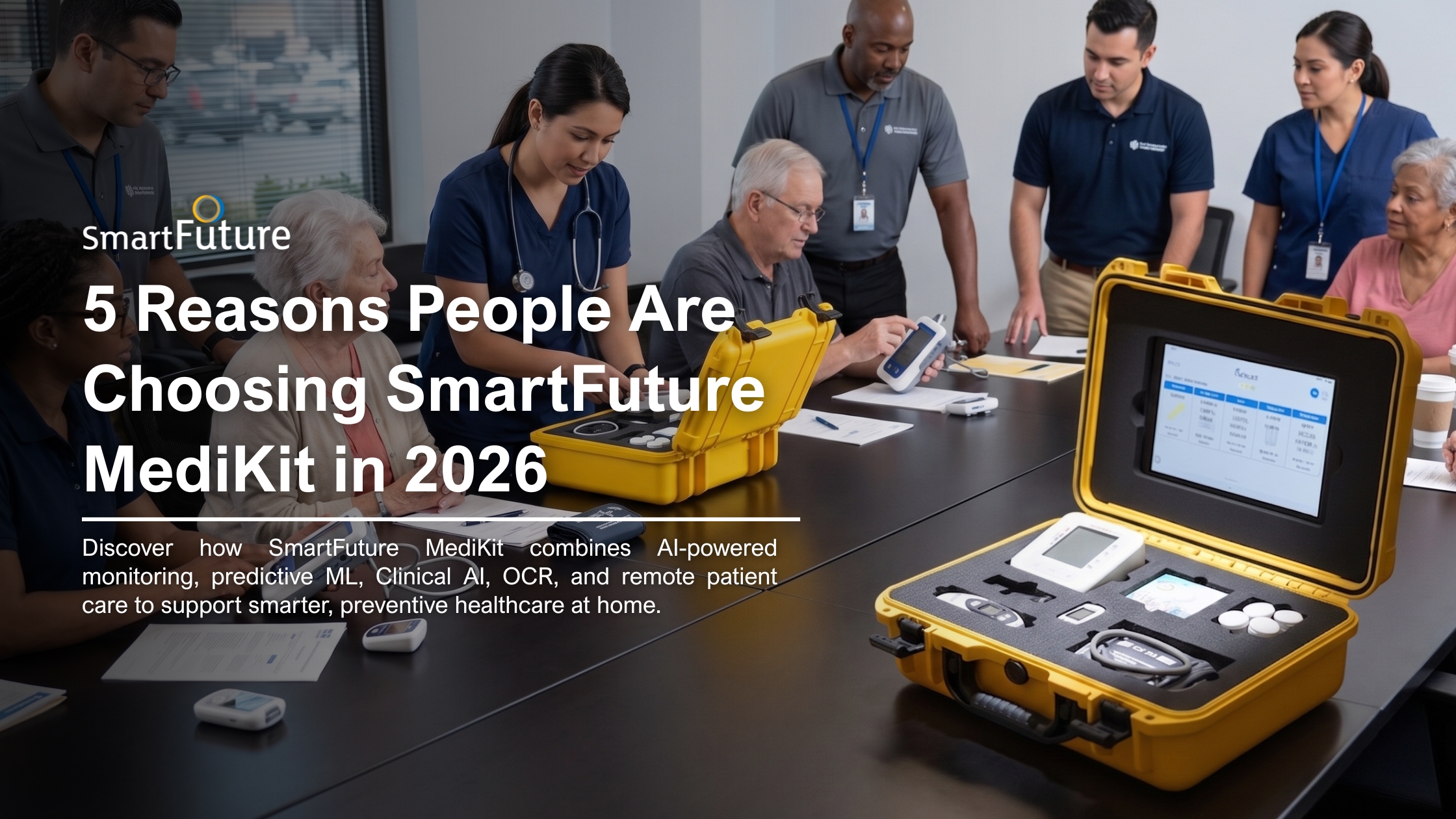
As healthcare systems continue to evolve, people are increasingly seeking solutions that are not only connected and accessible, but also...
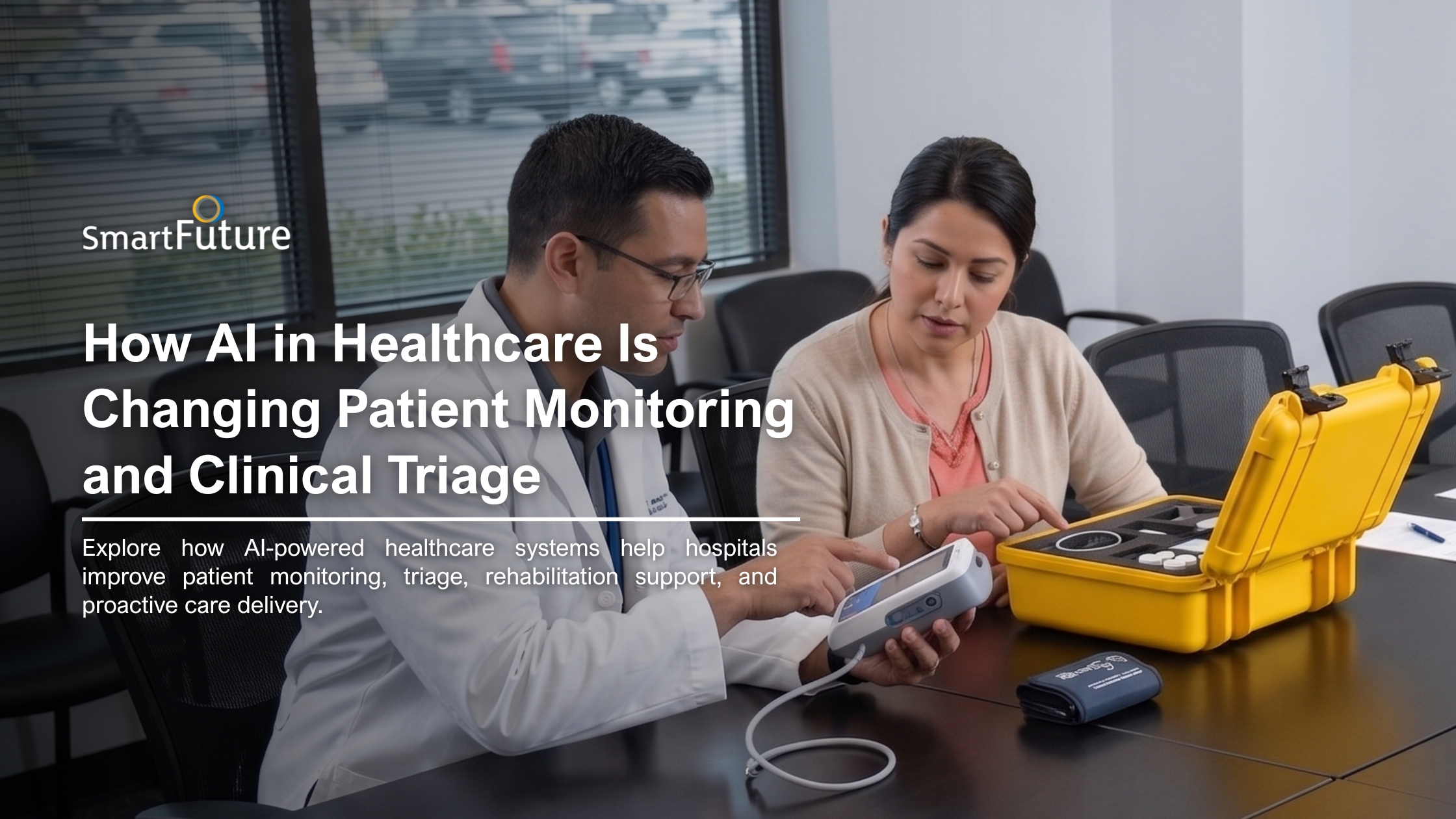
AI in healthcare is becoming increasingly important as healthcare providers around the world continue to face growing and complex challenges....
Follow our newsletter. We will regulary
update our latest
project and availability.

OurSmartFuture is a healthcare technology company specializing in white-label remote patient monitoring solutions for hospitals, clinics, and healthcare organizations worldwide. We help providers extend care beyond traditional settings through secure, scalable patient remote monitoring systems designed for modern healthcare delivery.
© 2026 SmartFuture - All Rights Reserved

 +65 8836 0984
 sales@oursmartfuture.com
 246 Macpherson Road, #03-01 Betime