X
In today’s rapidly advancing healthcare landscape, remote patient monitoring (RPM) has emerged as a vital tool for providing timely and accurate medical intervention. As a system that enables continuous visibility into patient data, RPM plays an increasingly important role in environments where access to traditional medical facilities is limited.
From offshore oil rigs to sea vessels, where a patient with life-threatening injuries may be a long way from an ambulance response, timely access to medical help becomes a significant challenge. In these conditions, understanding a patient’s condition in real time is essential. That’s where Remote Patient Monitoring (RPM) comes into play. This article explores the importance of RPM in offshore emergency response, highlighting its benefits, remote monitoring solutions, and successful case studies.
Offshore emergency response situations come with their own set of challenges. The isolation and distance from traditional healthcare facilities make it difficult to provide timely medical assistance, particularly when continuous access to monitoring devices is limited.
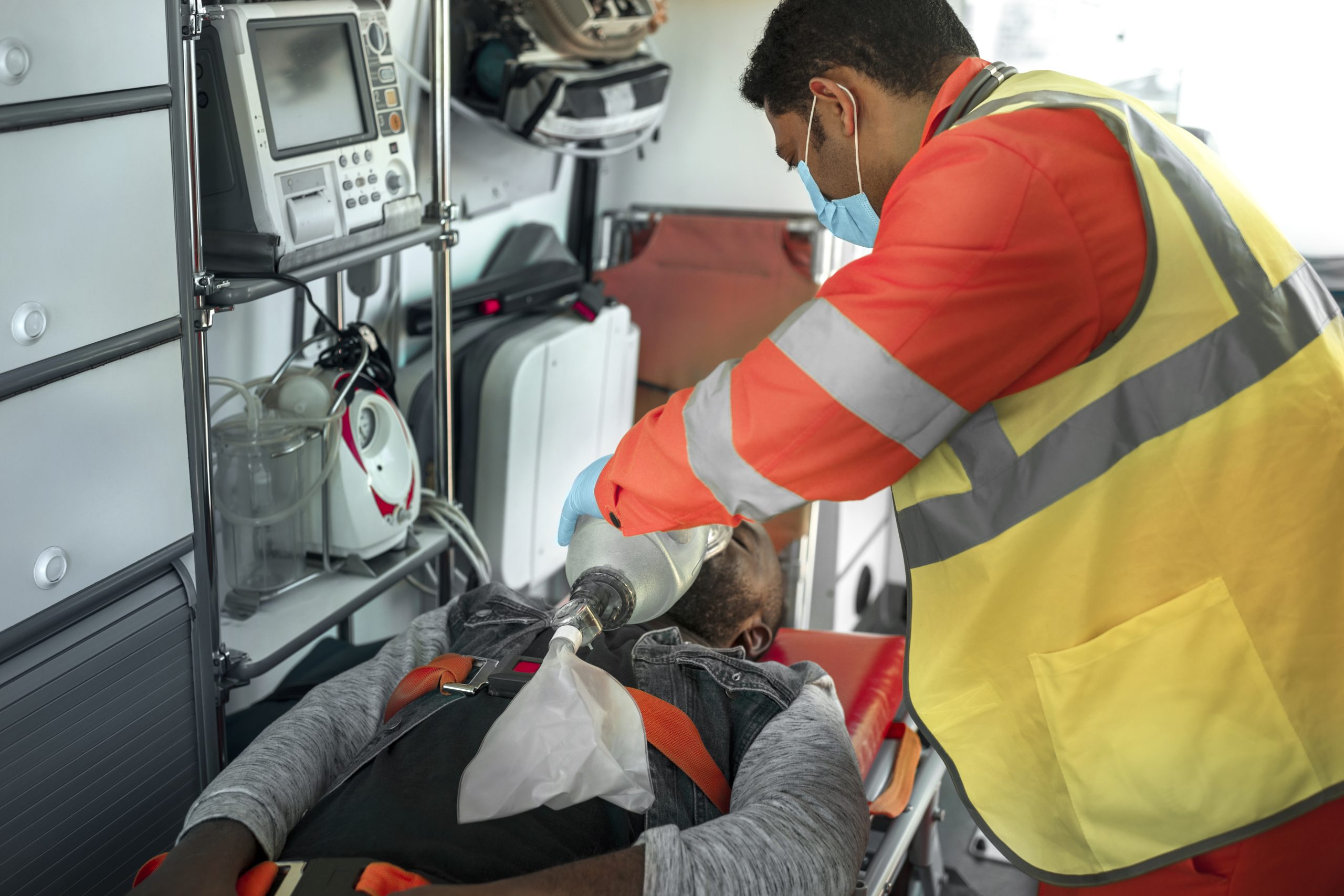
In some situations, a helicopter needs to be called in to airlift the patient to a hospital on land, but even then, the patient will need care while they wait. During this critical period, accurate patient data and visibility into the patient’s condition can make the difference between stabilization and deterioration.
Additionally, limited resources and space constraints on offshore platforms further complicate healthcare delivery. The significance of prompt and accurate medical intervention in these situations cannot be overstated, especially when response decisions rely on reliable patient monitoring solutions.
Remote patient monitoring (RPM) plays a crucial role in offshore emergency response. RPM utilizes advanced technologies and integrated monitoring devices to remotely monitor patients’ vital signs in real time, going beyond facilitating remote examination and communication between doctors on shore and patients on the oil rig.
Remote patient monitoring (RPM) enables seamless collaboration between the remote doctor and on-site support staff by providing continuous patient data, ensuring comprehensive care until the helicopter arrives for transport. By integrating emergency equipment and monitoring devices, critical information about the patient’s condition is collected and transmitted accurately. These remote monitoring solutions enable prompt medical intervention and reduce the risk of complications during extended response times.
AEDs are portable monitoring devices designed to deliver an electric shock to the heart in cases of cardiac arrest, forming a critical component of offshore emergency patient monitoring solutions.
Bedside patient monitors continuously capture patient data such as non-invasive blood pressure, ECG, SpO2, temperature, respiration rate, end-tidal CO2, and invasive blood pressure. These monitoring devices allow clinicians to assess a patient’s condition accurately in real time.
Portable ultrasound probes provide real-time imaging, enabling medical professionals to assess internal structures and better understand changes in the patient’s condition, even in offshore environments.
In the study “Offshore telemedicine emergency service: a 1-year experience,” researchers investigated telemedical emergency care feasibility in offshore wind farms on the North Sea, where access to medical care is limited.
The researchers established a telemedical integration system that transmitted vital parameters such as ECG, blood pressure, and saturation from the offshore location to a telemedicine center. This approach ensured continuous transmission of patient data. They utilized a satellite connection on a supply ship for data transfer via WLAN, demonstrating the practical use of remote monitoring solutions in offshore conditions.
The project’s results demonstrated the feasibility of offshore telemedical support for on-site rescue service personnel using raw data transmission. Both test scenarios and actual patient care confirmed the successful implementation of telemedicine and patient monitoring solutions in this remote setting. However, reliable transmission depended on defined areas with WLAN coverage, ensuring a 100% success rate.
The importance of remote patient monitoring in offshore emergency response cannot be underestimated. Remote Patient Monitoring (RPM) platforms act as a critical system for real-time monitoring, early detection of health issues, and prompt medical intervention, thereby safeguarding offshore workers.
By combining advanced monitoring devices, continuous patient data transmission, and reliable remote monitoring solutions, organizations can respond more effectively to changes in a patient’s condition. Successful case studies further emphasize the positive outcomes achieved through RPM implementations, including significantly improved offshore emergency response outcomes and enhanced protection of offshore personnel.
Embracing RPM platforms is not only a step toward improving operational safety but also a clear demonstration of an organization’s commitment to prioritizing health and welfare in remote and high-risk environments.
Explore our Remote Patient Monitoring (RPM) solution for more information.
The Journal of mHealth: “Offshore Telemedicine: How Oil Rigs Keep Workers Safe at Sea.”
BMJ Open: “Offshore telemedicine emergency service: a 1-year experience.”
Wind Systems Magazine: “Preparing for a Wind Farm Emergency.”
Maritime and Coastguard Agency: “Medical Kits.”
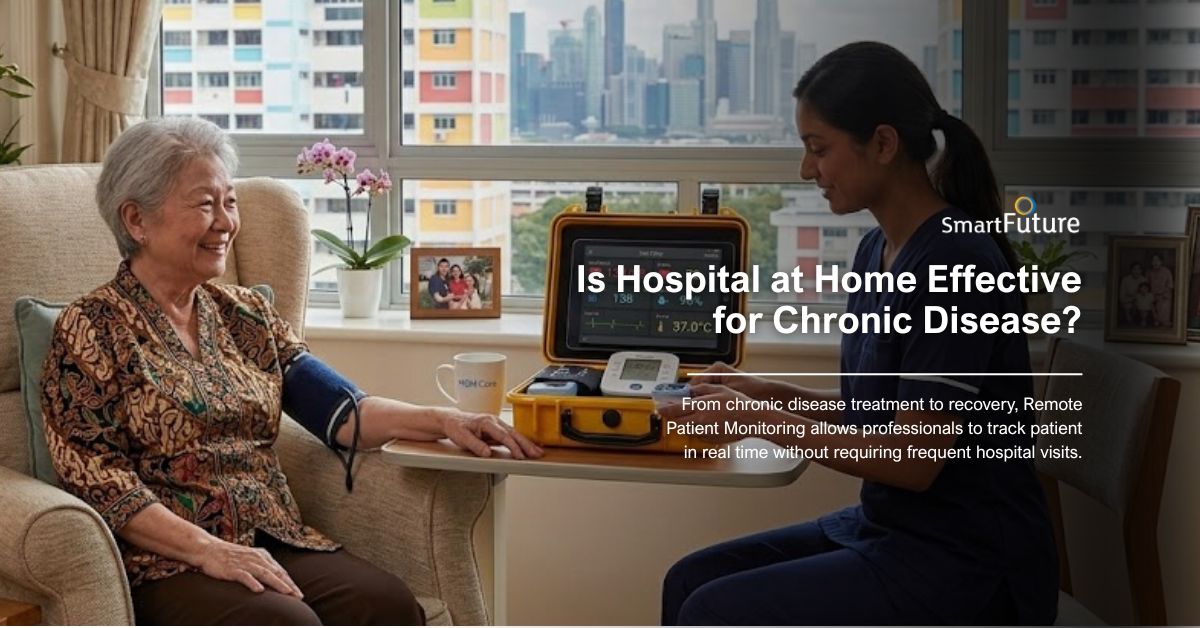

In 2023, the Centers for Medicare & Medicaid Services (CMS) in the United States reported that more than 300 hospitals...
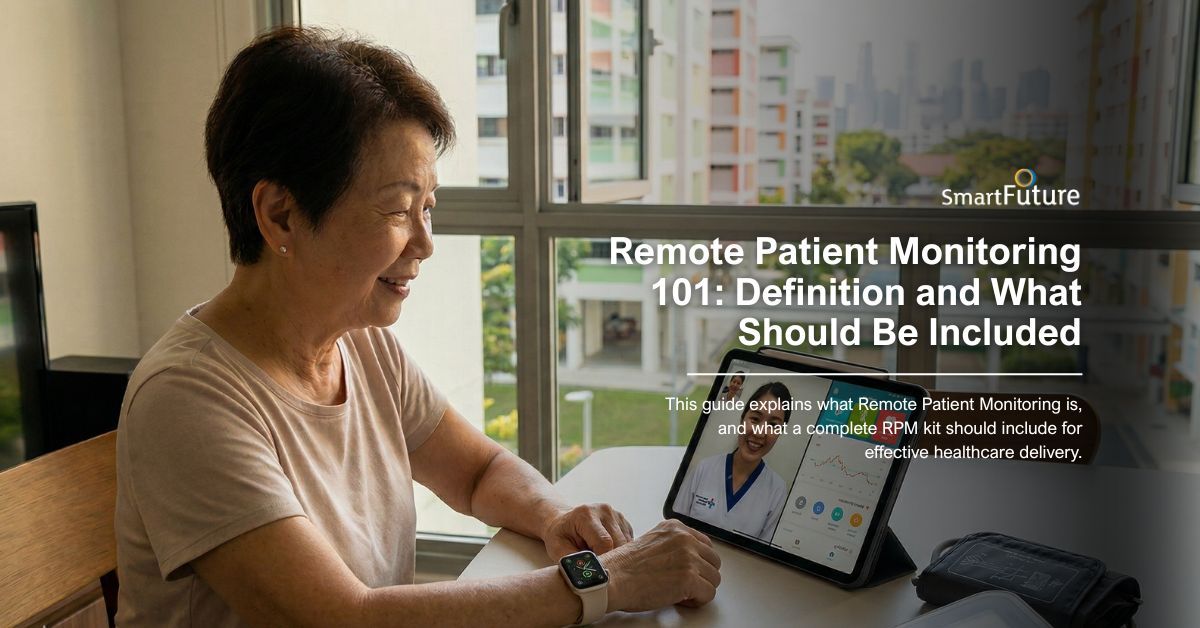
Healthcare is undergoing a major digital transformation, and one of the most influential technologies shaping the future of patient care...
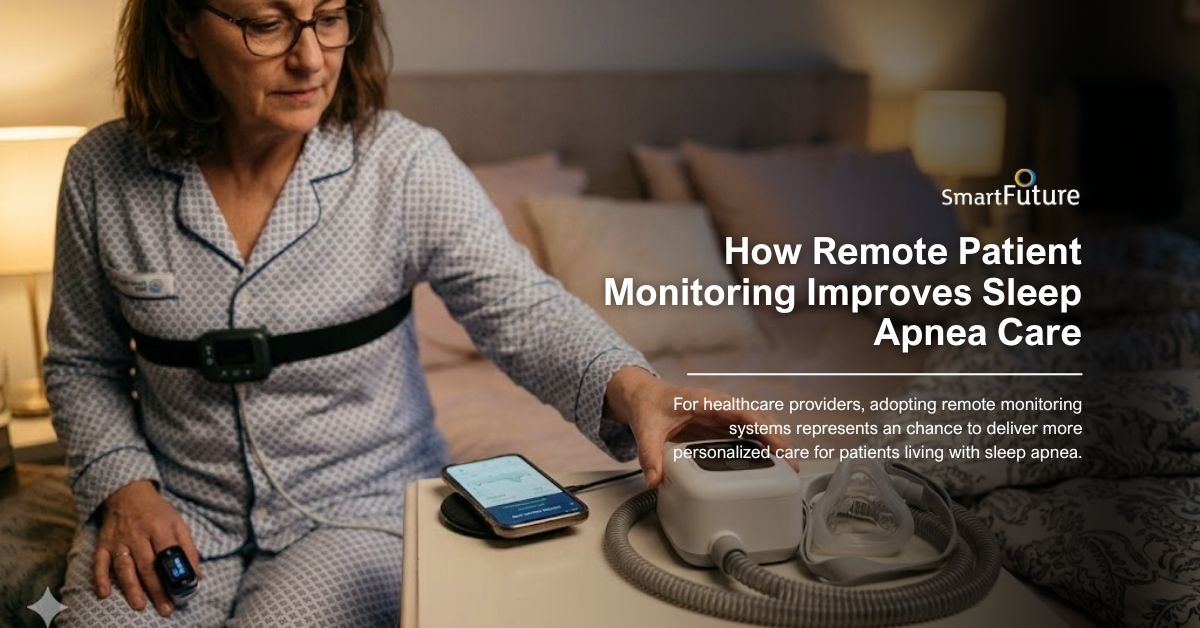
Sleep apnea has become one of the most common yet underdiagnosed sleep disorders worldwide. Characterized by repeated interruptions in breathing...
Follow our newsletter. We will regulary
update our latest
project and availability.

OurSmartFuture is a healthcare technology company specializing in white-label remote patient monitoring solutions for hospitals, clinics, and healthcare organizations worldwide. We help providers extend care beyond traditional settings through secure, scalable patient remote monitoring systems designed for modern healthcare delivery.
© 2026 SmartFuture - All Rights Reserved

 +65 8836 0984
 sales@oursmartfuture.com
 246 Macpherson Road, #03-01 Betime