
X
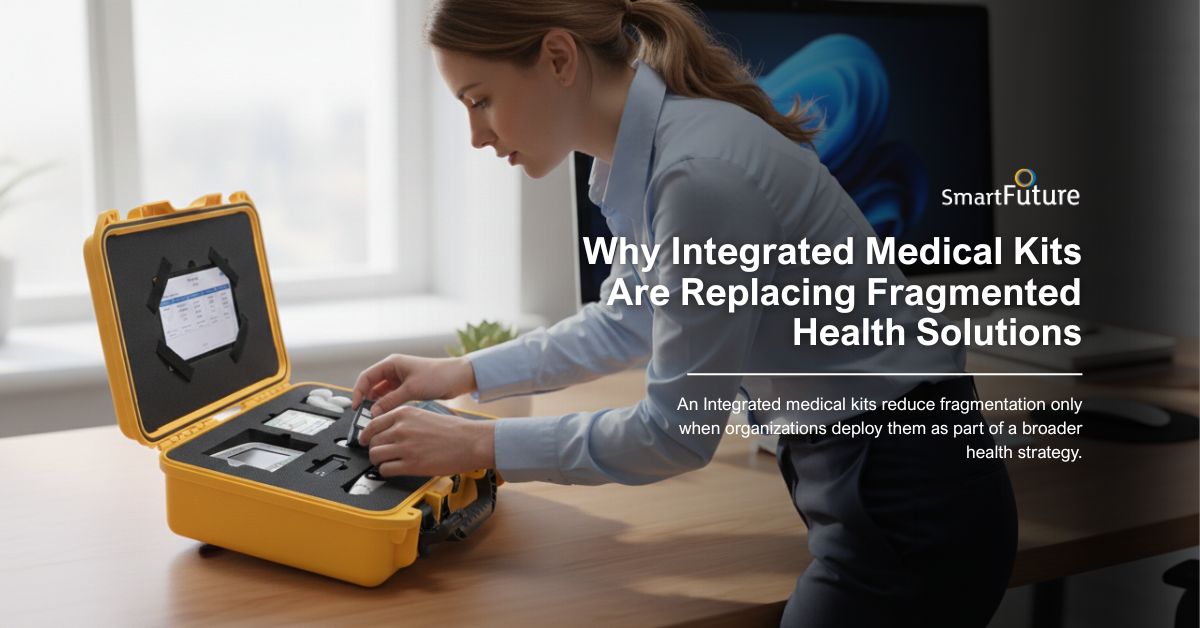
When a project team overseeing a remote industrial site reviewed recurring incidents such as minor injuries, heat stress, and delayed health assessments, planners identified the core issue. The problem was not a lack of medical tools, but the absence of a coordinated health response system. In isolated environments with limited access to clinics or hospitals, disjointed equipment and inconsistent care pathways made even basic health support unreliable.
Research into remote health planning consistently shows that organizations must design health support as part of their operational framework. Treating healthcare as a secondary consideration within safety or logistics planning often leads to delays, gaps in oversight, and higher risk exposure.
Healthcare fragmentation is not limited to industrial sites. Across sectors, including corporate campuses, cruise ships, senior living facilities, and university residences, organizations often rely on standalone devices, basic first-aid kits, or ad-hoc medical tools. This approach creates breaks in care continuity, slows response times, and increases risk when individuals require timely assessment.
Fragmentation raises risk because each component operates independently. Devices do not share data, systems do not communicate, and escalation paths remain unclear. Health systems researchers have long identified fragmentation as a barrier to coordinated care, noting its impact on slower decision-making and reduced service quality across populations and settings.
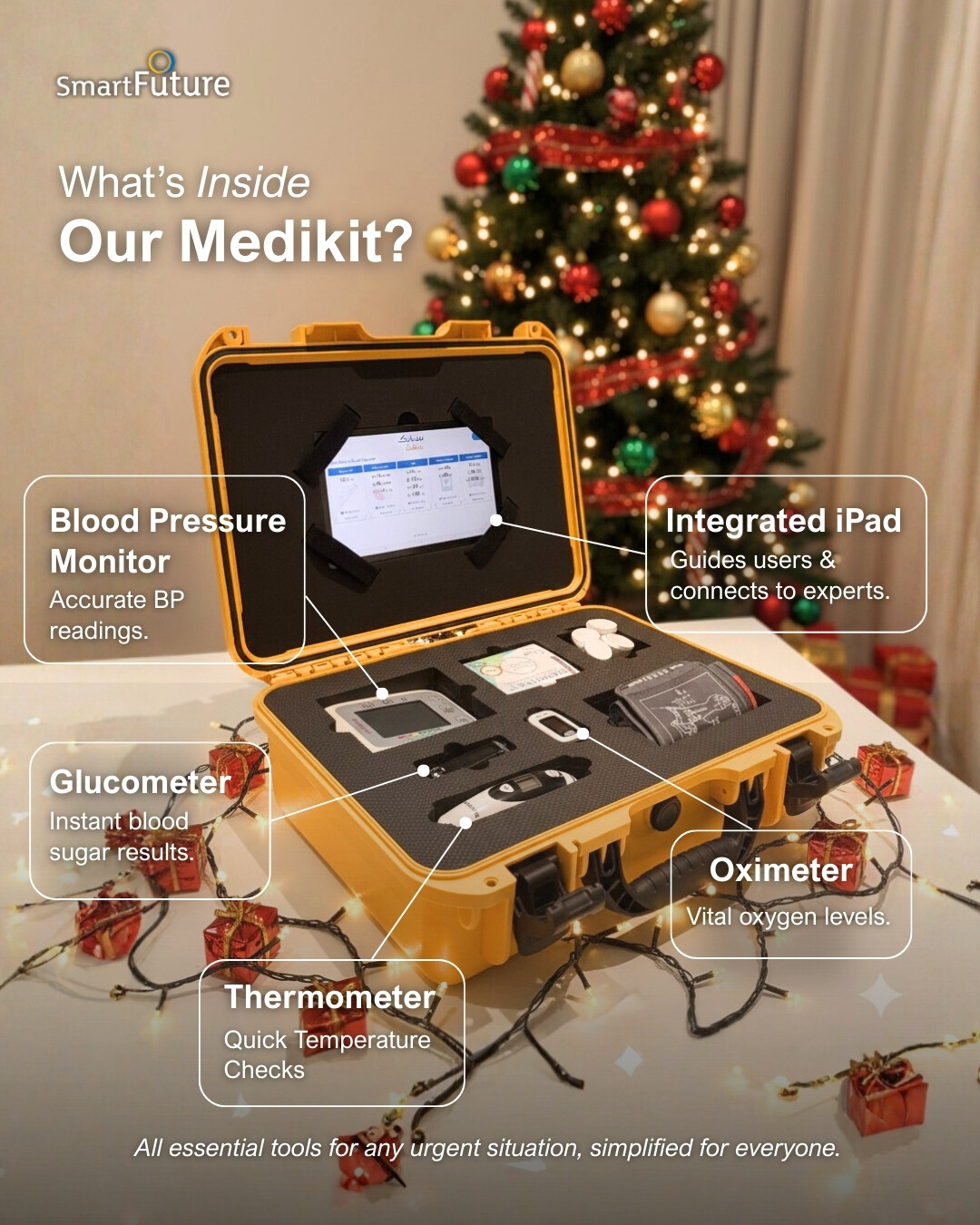
These operational challenges have pushed organizations toward integrated medical kits. Unlike fragmented tools, integrated kits provide a standardized approach to health assessment, consistent data collection, and remote oversight. SmartFuture’s MediKit reflects this shift by combining essential devices, including a glucometer, thermometer, oximeter, and blood pressure monitor, into a single deployable unit. The kit supports use across diverse environments, from remote worksites to senior care facilities.
Fragmented health solutions typically consist of individually purchased devices or basic first-aid medical kits. These tools often rely on manual record keeping and lack any form of unified reporting. In remote operations, this creates several challenges.
Health data lacks standardization. Devices operate in isolation and do not integrate with oversight systems, making trend analysis and escalation difficult. Response coordination suffers when staff must rely on manual checks rather than centralized visibility. Operational complexity also increases, as teams must learn multiple tools and workflows that were never designed to function together.
An integrated kit such as MediKit addresses these gaps by making health monitoring a repeatable and consistent process, regardless of location or setting.
The effectiveness of an integrated medical kit comes from coordination rather than individual components. SmartFuture’s MediKit features rugged, waterproof housing that protects devices in demanding environments. Outdoor worksites, gym floors, senior care facilities, and mobile settings often expose equipment to moisture, dust, and frequent handling. Durable construction ensures reliable performance and uninterrupted monitoring.
View this post on Instagram
The kit also includes a simplified interface, typically delivered through a tablet that guides users step by step. This design allows non-medical staff to collect accurate health data with confidence. In environments without on-site clinicians, ease of use supports higher adoption rates and reduces the risk of misuse. As a result, organizations gain consistent data that supports informed decision-making.
A defining capability of an integrated medical kit is secure data transmission. SmartFuture’s MediKit sends health indicators such as blood oxygen levels, blood pressure, and temperature to a designated monitoring center.
For cruise ship operators, this enables medical teams to track passenger health across different areas of the vessel. In university settings, wellness coordinators gain timely visibility into student health trends. Corporate HR teams can use the data to support workplace health initiatives and escalation protocols.
Remote data transmission eliminates information gaps that often exist in isolated settings. Health status becomes visible to those responsible for oversight, allowing earlier intervention and more informed operational decisions.
Across industries, integrated medical kits are changing how organizations approach health readiness. Instead of responding to incidents with whatever tools happen to be available, organizations embed health response into daily operations.
In remote industrial sites, where clinics may be hours away, on-site response capability plays a direct role in worker safety and operational continuity. The difference between fragmented tools and an integrated system can influence outcomes during critical situations.
The same principle applies to community environments such as senior care facilities and corporate campuses. Standardized health monitoring helps organizations identify patterns early, address risks proactively, and reduce the likelihood of escalation into larger incidents.
Integrated medical kits reduce fragmentation only when organizations deploy them as part of a broader health strategy. For teams assessing how to strengthen health readiness outside traditional clinical settings, a structured evaluation can help move from intent to implementation.
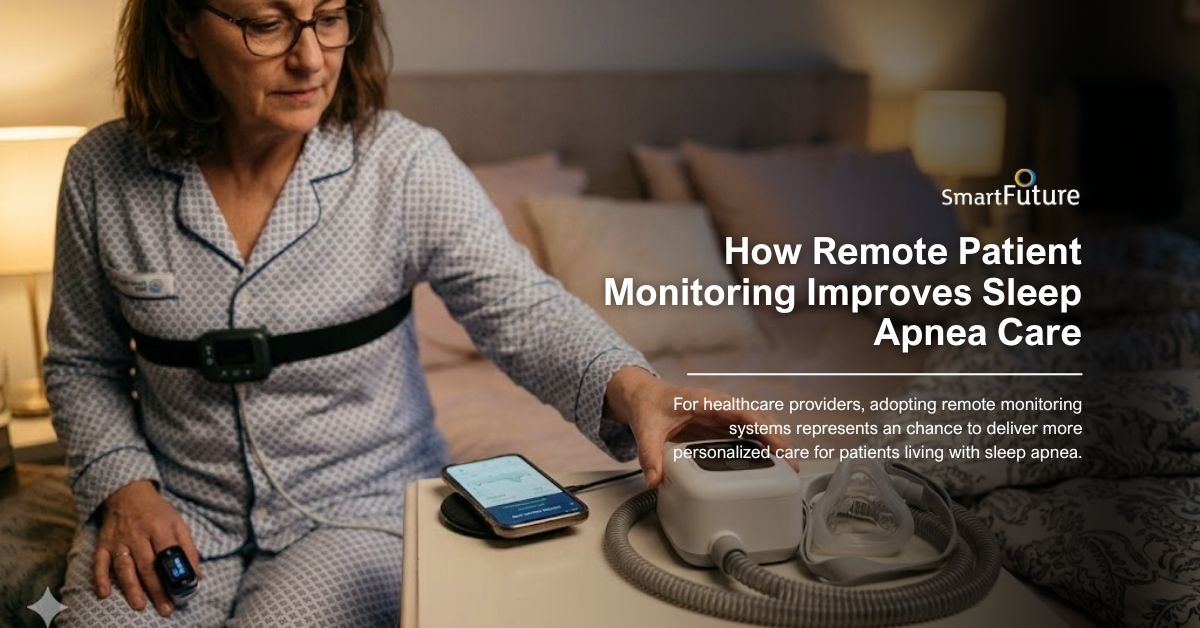

Sleep apnea has become one of the most common yet underdiagnosed sleep disorders worldwide. Characterized by repeated interruptions in breathing...
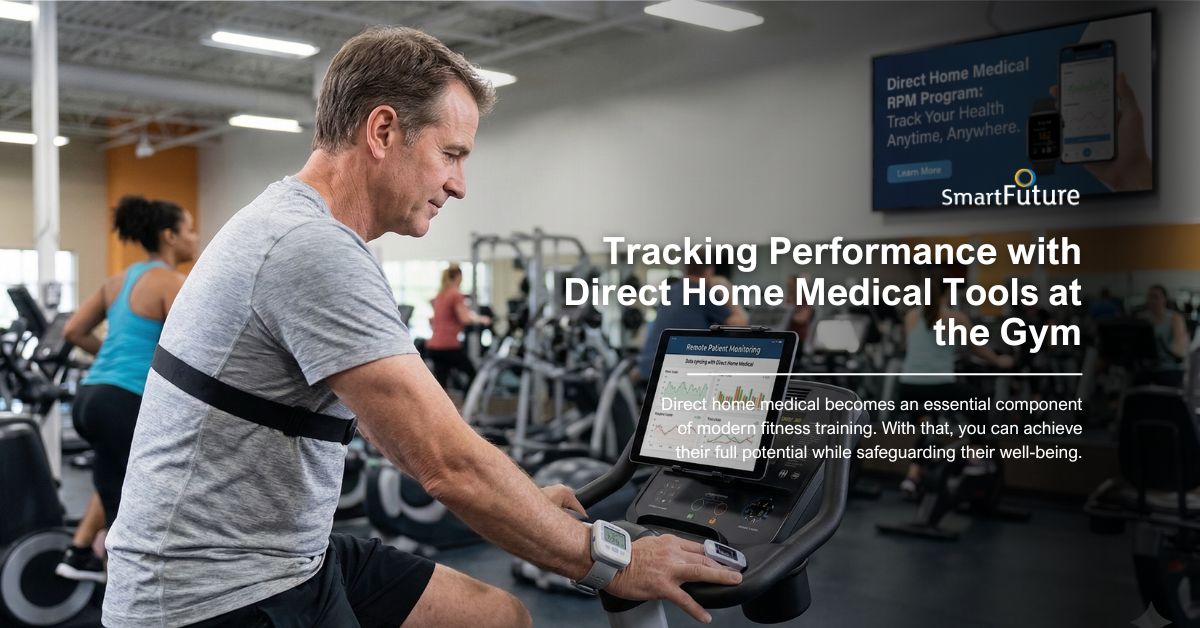
The modern fitness industry is no longer driven solely by motivation, discipline, and physical endurance. Today’s fitness professionals are increasingly...
The evolution of Hospital-at-Home (HaH) and Direct Home Medical implementation services in Singapore has reshaped acute care delivery by decentralising...
Follow our newsletter. We will regulary
update our latest
project and availability.

OurSmartFuture is a healthcare technology company specializing in white-label remote patient monitoring solutions for hospitals, clinics, and healthcare organizations worldwide. We help providers extend care beyond traditional settings through secure, scalable patient remote monitoring systems designed for modern healthcare delivery.
© 2026 SmartFuture - All Rights Reserved

 +65 8836 0984
 sales@oursmartfuture.com
 246 Macpherson Road, #03-01 Betime