
X
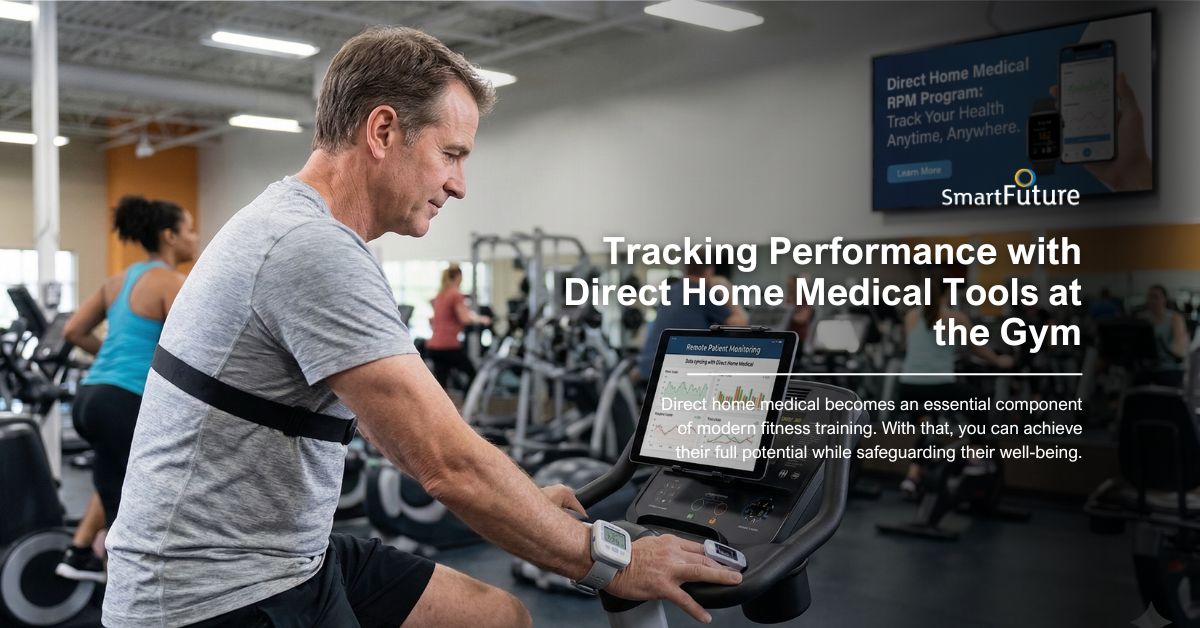
The modern fitness industry is no longer driven solely by motivation, discipline, and physical endurance. Today’s fitness professionals are increasingly relying on data-driven insights to optimize training, monitor recovery, and prevent injuries. From elite sports teams to everyday gym enthusiasts, the integration of medical-grade monitoring tools is redefining how people approach performance and health.
What was once reserved for hospitals and clinical settings is now entering gyms, rehabilitation centers, and sports facilities. Direct Home Medical Kits, equipped with advanced monitoring devices, are enabling trainers, therapists, and athletes to track vital health metrics in real time. By combining fitness performance data with medical insights, these tools help create safer, smarter, and more effective training environments.
Over the past decade, wearable fitness trackers and smart watches have popularized the idea of monitoring steps, heart rate, and calories burned. However, as training intensity increases and sports science evolves, basic consumer wearables are no longer enough for athletes who want deeper insights.
Fitness professionals are now turning to medical-grade monitoring devices that measure key health indicators such as blood pressure, oxygen saturation, and heart rhythm. These metrics provide a clearer picture of how the body responds to physical stress and recovery.
For gyms, rehabilitation centers, and sports clinics, integrating these tools into daily training routines allows them to move beyond subjective assessments. Instead of guessing whether an athlete is ready for the next session, trainers can rely on measurable physiological data to guide decisions.
Intense workouts place significant strain on the body. Without proper monitoring, athletes risk pushing beyond safe physiological limits.
Over-training is a common issue among dedicated athletes and fitness enthusiasts. Symptoms often include fatigue, declining performance, sleep disturbances, and increased injury risk.
Monitoring tools such as heart rate variability trackers, blood pressure monitors, and recovery indicators can help detect early signs of overtraining. By identifying these warning signals, trainers can adjust workout intensity before performance declines or injuries occur.
High-intensity workouts significantly elevate heart rate and blood pressure. While this stress can be beneficial when managed correctly, excessive strain can pose health risks, particularly for individuals with undiagnosed cardiovascular conditions.
Medical monitoring tools allow gyms and sports clinics to measure cardiovascular responses during and after workouts. Tracking these indicators ensures that training programs remain both effective and safe.
For athletes recovering from injuries, proper monitoring plays a critical role in rehabilitation. Physiological data can reveal how the body responds to physical therapy sessions, helping professionals determine when an athlete is ready to return to full activity.
This approach reduces the risk of re-injury and ensures that recovery progresses at the right pace.
Several medical devices are now becoming essential components of modern fitness and rehabilitation facilities. These tools provide accurate physiological insights that go far beyond standard fitness trackers.
Monitoring blood pressure helps identify abnormal cardiovascular responses to training. Regular checks can detect hypertension or unusual stress levels during intense workouts.
Pulse oximeters measure oxygen saturation levels in the blood. For endurance athletes and high-intensity training programs, maintaining adequate oxygen levels is essential for optimal performance.
Electrocardiogram (ECG) monitors track heart rhythm and detect irregularities such as arrhythmias. These devices are particularly valuable for athletes engaged in intense cardiovascular training.
Body temperature monitoring can indicate early signs of infection, dehydration, or heat stress. This information is crucial for athletes training in high-temperature environments.
Advanced scales measure body fat percentage, muscle mass, hydration levels, and metabolic indicators. Tracking these metrics helps athletes adjust training and nutrition strategies more effectively.
Access to medical-grade health data enables trainers and athletes to make smarter decisions about training intensity, recovery periods, and performance optimization.
Physiological indicators such as elevated resting heart rate or declining oxygen levels may signal fatigue before an athlete feels it physically. Early detection allows trainers to modify workouts and prevent performance decline.
Consistent monitoring of heart health ensures that athletes are training within safe cardiovascular limits. Over time, this data can also reveal improvements in endurance and overall fitness.
When combined with performance metrics such as speed, strength, and endurance, health data provides a comprehensive picture of athletic progress. This integrated approach helps refine training strategies and maximize results.
The next evolution of fitness monitoring is the integration of Remote Patient Monitoring (RPM) technologies. RPM systems allow health data collected during workouts to be securely shared with healthcare professionals in real time.
This collaboration between trainers and medical experts offers several benefits:
For professional athletes, this level of monitoring ensures that performance optimization never compromises long-term health.
As digital health technologies continue to evolve, the future of sports performance will increasingly rely on advanced monitoring systems.
Artificial intelligence may soon analyze physiological data to predict fatigue, injury risks, and optimal recovery schedules. Telehealth platforms will also enable athletes to consult sports physicians without leaving their training environments.
These innovations will transform gyms into data-enabled performance centers, where health monitoring and fitness training work together seamlessly.
For gyms and sports facilities looking to adopt this new approach, integrating medical-grade equipment can often seem complex. However, solutions such as Direct Home Medical Kits from Smart Future are designed to simplify the process.
Smart Future provides comprehensive direct home medical monitoring kits that include devices such as blood pressure monitors, pulse oximeters, and digital health tracking tools. These kits allow gyms to implement professional health monitoring without requiring hospital-level infrastructure.
By equipping trainers, therapists, and athletes with reliable medical data, Smart Future helps fitness facilities elevate their services while prioritizing safety and recovery.

The modern fitness industry is no longer driven solely by motivation, discipline, and physical endurance. Today’s fitness professionals are increasingly...

The evolution of Hospital-at-Home (HaH) and Direct Home Medical implementation services in Singapore has reshaped acute care delivery by decentralising...
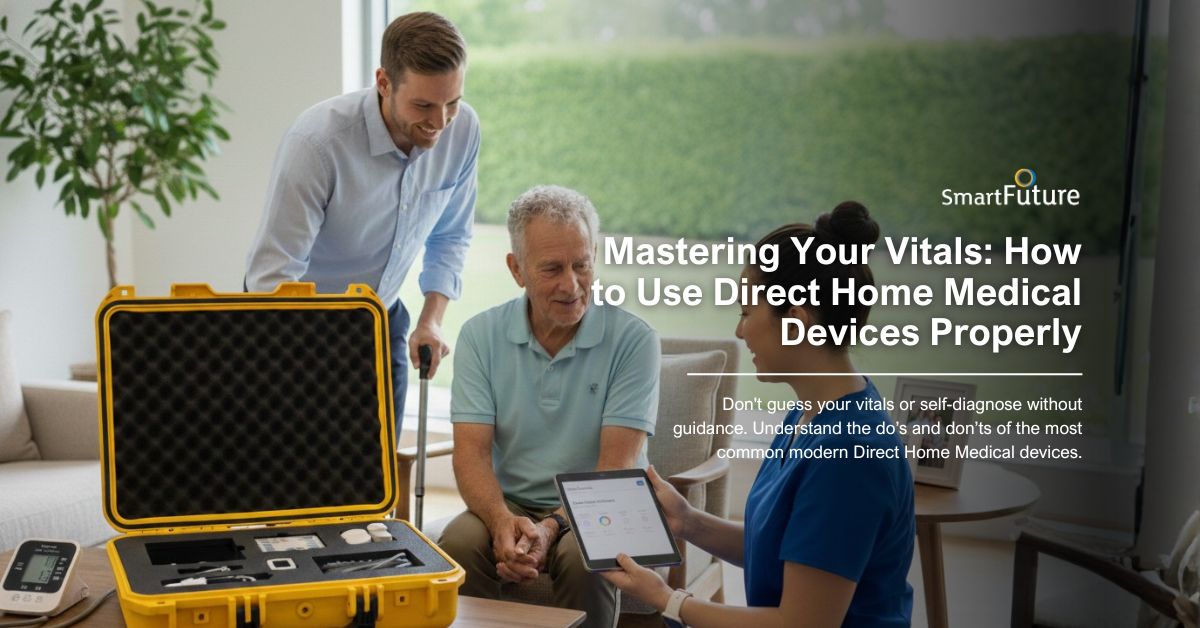
Do not guess your vitals. Do not self-diagnose without guidance. Do not ignore abnormal readings. Do monitor consistently. Do record...
Follow our newsletter. We will regulary
update our latest
project and availability.

OurSmartFuture is a healthcare technology company specializing in white-label remote patient monitoring solutions for hospitals, clinics, and healthcare organizations worldwide. We help providers extend care beyond traditional settings through secure, scalable patient remote monitoring systems designed for modern healthcare delivery.
© 2026 SmartFuture - All Rights Reserved

 +65 8836 0984
 sales@oursmartfuture.com
 246 Macpherson Road, #03-01 Betime