


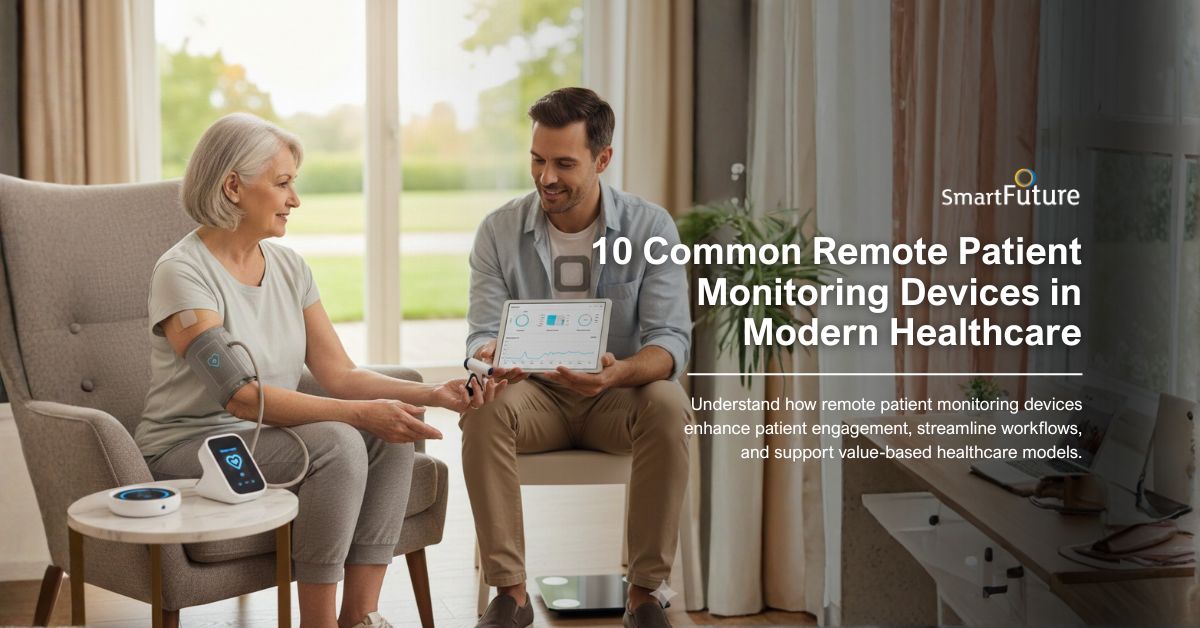
Remote patient monitoring (RPM) technology has enabled a digital transformation of the healthcare system, including the field of physical therapy. By integrating RPM into physical therapy practices, providers, including physical therapists, rehabilitation centers, hospitals, outpatient clinics, and sports medicine centers, can ensure continuous monitoring, personalized feedback, and optimized treatment plans for their patients, including patients with chronic conditions who require long-term care.
The COVID-19 pandemic highlighted the essential role of RPM, leading PTs and OTs to advocate for its use through specific billing codes and structured monitoring programs that allow clinicians to safely monitor patients outside traditional clinical settings.
Telehealth Shouldn’t Be for Emergencies Only: A Remote Patient Monitoring Solution and System Perspective
This important advocacy by the American Physical Therapy Association (APTA) highlights the significant benefits of integrating Remote Patient Monitoring (RPM) in physical therapy as a long-term remote patient monitoring solution rather than a temporary response. By harnessing the power of RPM, healthcare providers can deliver personalized care, optimize treatment outcomes, and enhance patient engagement through structured RPM programs supported by reliable monitoring devices.
Use Cases of Remote Patient Monitoring in Physical Therapy Solutions
We explore how Remote Patient Monitoring is revolutionizing physical therapy by enabling continuous monitoring, promoting improved outcomes, and enhancing patient care through scalable solutions.
1. Remote Rehabilitation Using Remote Patient Monitoring Devices and Continuous Monitoring
RPM facilitates the remote delivery of physiotherapy services through connected remote patient monitoring devices. Wearable devices or motion sensors allow physiotherapists to remotely monitor patients by tracking exercise adherence, range of motion, muscle strength, and other key metrics.
This monitoring program enables therapists to review real-time health data, provide timely feedback, and adjust treatment plans without requiring frequent in-person visits, supporting continuity of care for patients recovering at home.
2. Injury Rehabilitation Supported by a Remote Patient Monitoring System and Devices
For athletes recovering from sports injuries, RPM supports their rehabilitation process by combining wearable monitoring devices with a structured remote patient monitoring solution.
Remote Patient Monitoring Helps Orthopedic Surgeons Improve Patient Outcome Using Continuous Monitoring
Wearable devices and sensors, such as knee sensors, track important factors including swelling, joint stability, muscle activation, and movement patterns. These remote patient monitoring devices generate actionable health data that allows physical therapists and surgeons to remotely assess recovery progress.
Through this system, clinicians can identify biomechanical issues early, customize treatment plans, and safely progress exercise programs while continuing to monitor patients between visits.
3. Performance Optimization Through Remote Patient Monitoring Devices and Solutions
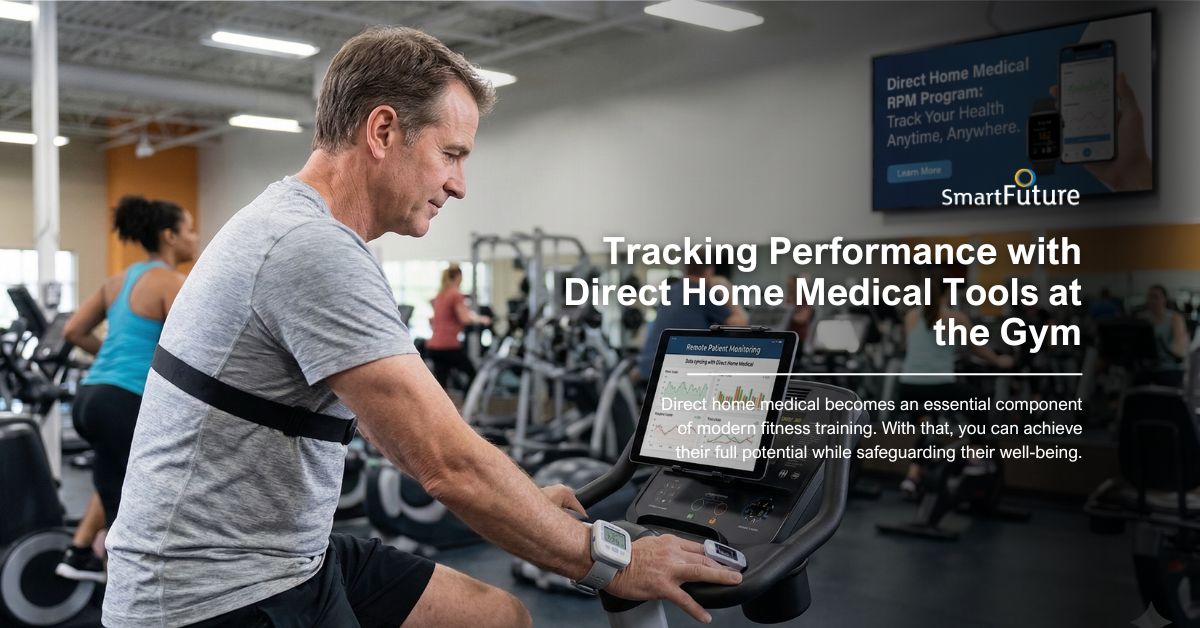
For performance optimization in physical therapy, various portable remote patient monitoring devices can be used as part of an integrated monitoring program. These include wearable sensors, motion trackers, force plates, and smart training equipment, such as:
- Portable electromyography (EMG) devices: Measure muscle activity to assess imbalances, identify areas of weakness, and optimize training programs.
- Inertial measurement units (IMUs): Track movement patterns, joint angles, and acceleration, providing valuable health data for biomechanical analysis.
- Force plates: Measure ground reaction forces to assess balance, gait patterns, and landing mechanics, supporting injury prevention strategies.
- Handheld dynamometers: Measure muscle strength to track progress and guide targeted interventions.
- Portable oxygen analyzers: Measure oxygen consumption to assess cardiovascular fitness and optimize exercise intensity.
RPM aids in tracking athletes’ performance and identifying injury risk factors by enabling clinicians to continuously monitor patients using connected monitoring devices. By analyzing biomechanics, muscle imbalances, and workload metrics, physiotherapists implement injury prevention strategies and optimize training programs remotely.
4. Wellness Programs Enabled by Remote Patient Monitoring Solutions and Continuous Monitoring
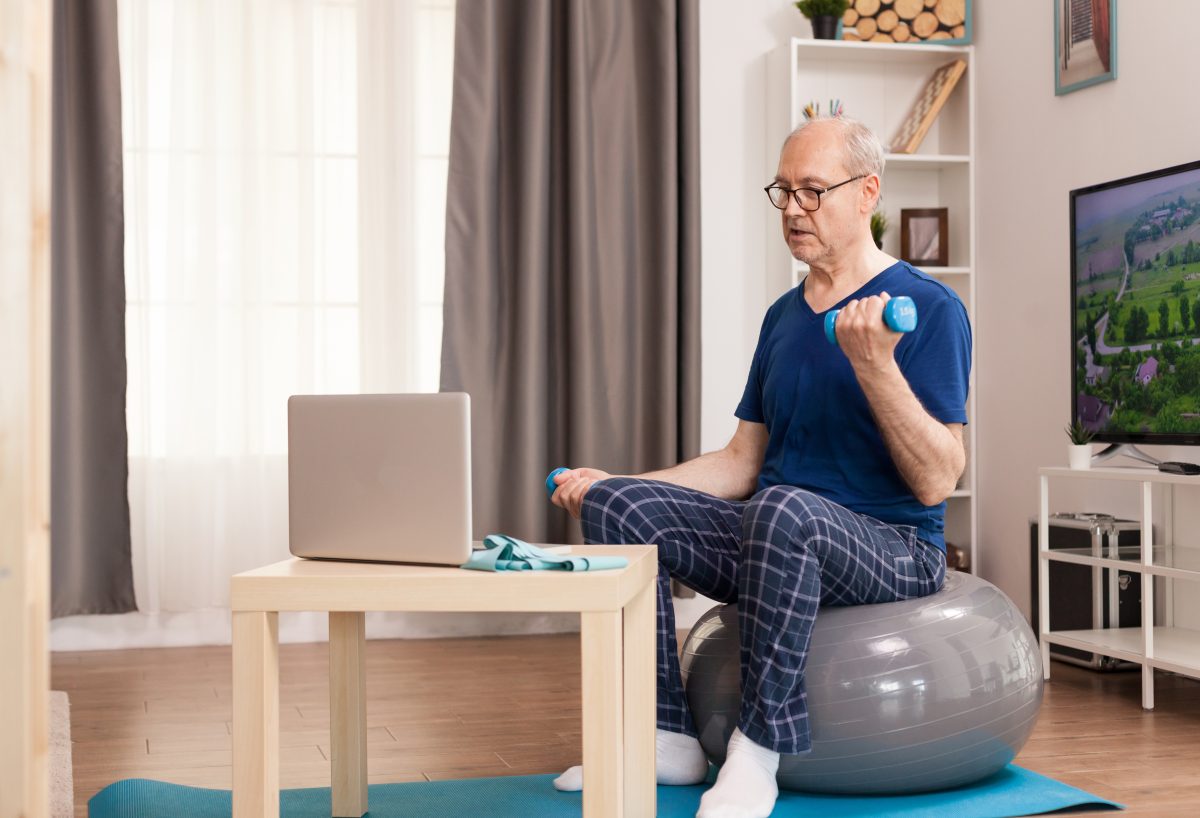
Remote patient monitoring (RPM) platforms also support general health and wellness programs, particularly for patients with chronic conditions who require ongoing supervision. Through video calls and integration with wearable remote patient monitoring devices, physiotherapists and fitness trainers manage wellness-focused monitoring programs for weight management, diabetes care, and long-term mobility improvement.
These RPM programs enable continuous collection of health data, helping providers adjust interventions and maintain engagement beyond traditional therapy sessions.
Conclusion: Remote Patient Monitoring Solution as the Future System for Physical Therapy
Remote patient monitoring (RPM) is revolutionizing physical therapy by enabling continuous monitoring, personalized care, and improved patient engagement through connected remote patient monitoring devices. By leveraging structured RPM programs, physical therapists can optimize treatment outcomes and deliver high-quality care while extending services beyond traditional clinical settings.
We hope this blog has shed light on the transformative potential of RPM in physical therapy and the immense benefits it brings to both patients and providers. By embracing RPM as a long-term remote patient monitoring solution, the physical therapy industry can shape the future of care delivery and elevate standards for managing rehabilitation and patients with chronic conditions.
Explore our Remote Patient Monitoring (RPM) solution for more information.
References
U.S. Department of Health and Human Services. (n.d.). Telehealth Best Practice Guide: Telehealth for Physical Therapy.
Retrieved from https://telehealth.hhs.gov/providers/best-practice-guides/telehealth-for-physical-therapy/physical-therapy-and-remote-patient-monitoring
American Physical Therapy Association. (n.d.). Telehealth.
Retrieved from https://www.apta.org/advocacy/issues/telehealth
How Remote Patient Monitoring Helps Surgeons Improve Patient Outcomes.
Retrieved from https://ptgenie.com/remote-patient-monitoring-helps-surgeons-improve-patient-outcomes/
 +65 8836 0984
 sales@oursmartfuture.com
 246 Macpherson Road, #03-01 Betime