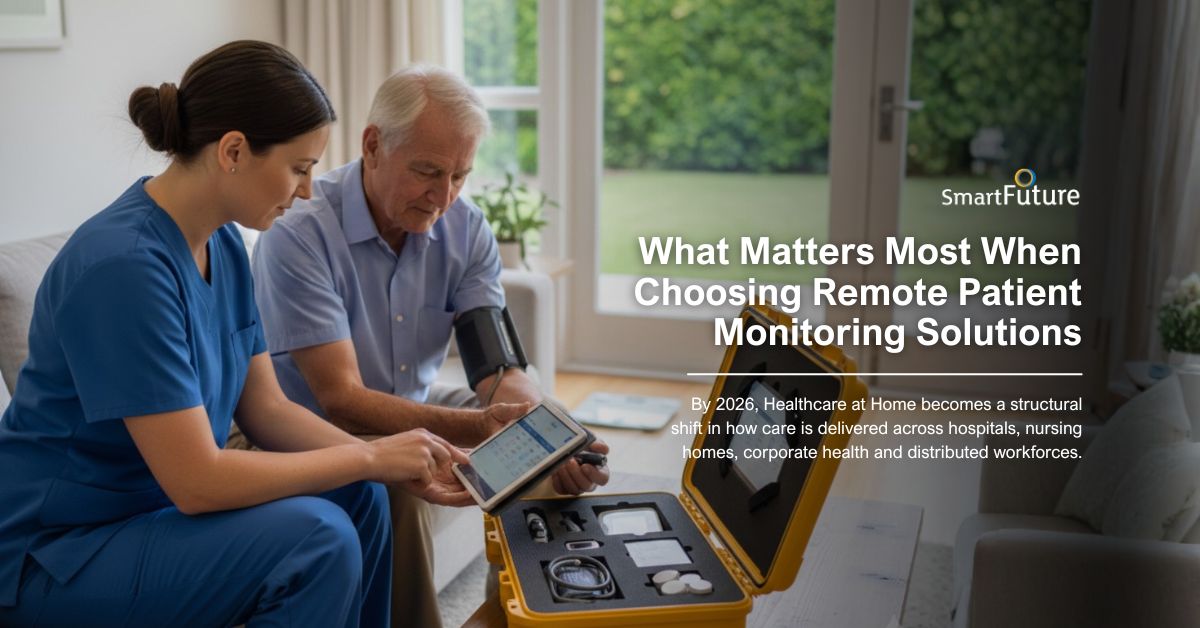
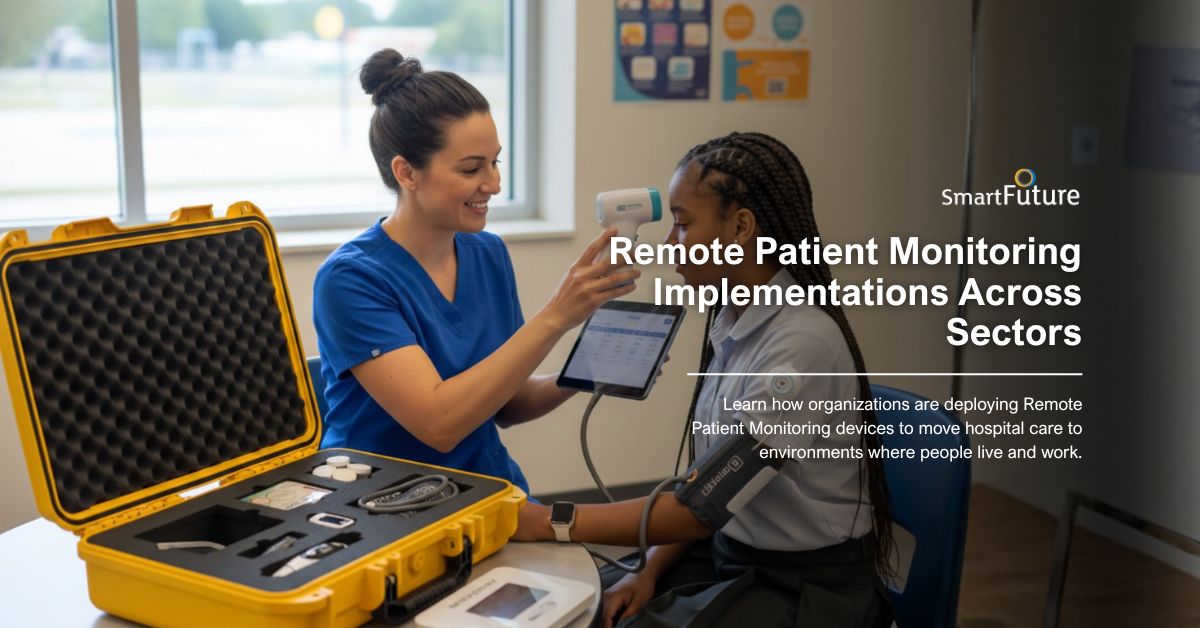
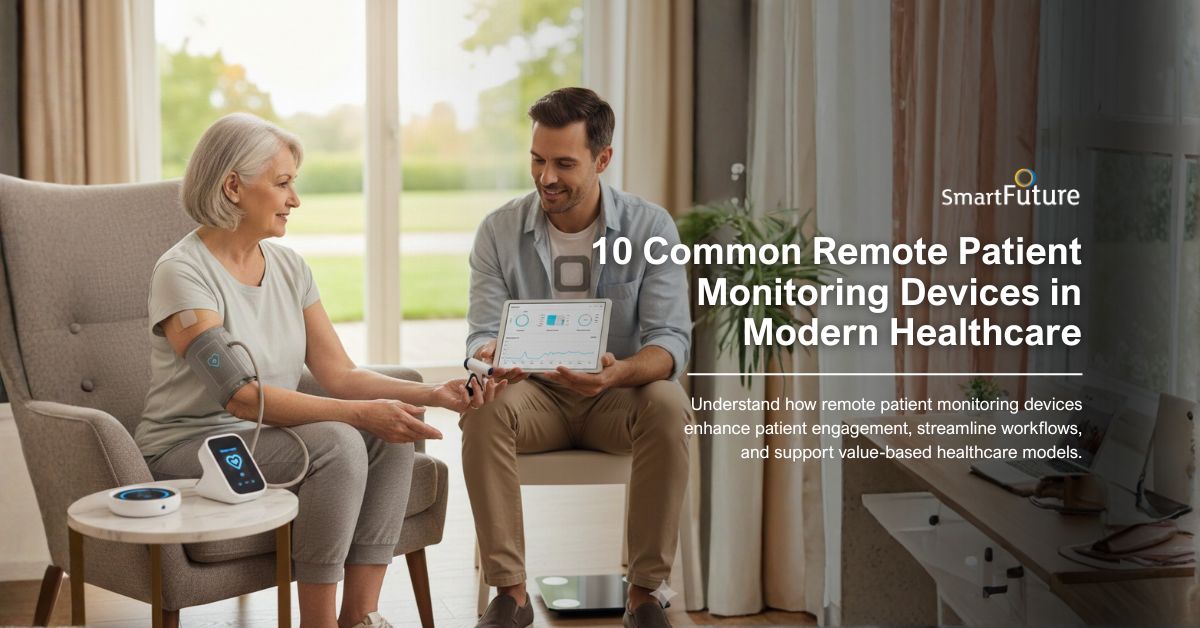
Remote patient monitoring (RPM) has emerged as a powerful healthcare solution to enhance patient outcomes and revolutionize the quality of care provided in nursing homes. As a system that supports remote care, RPM strengthens visibility into patients’ health and enables timely, data-driven decision-making.
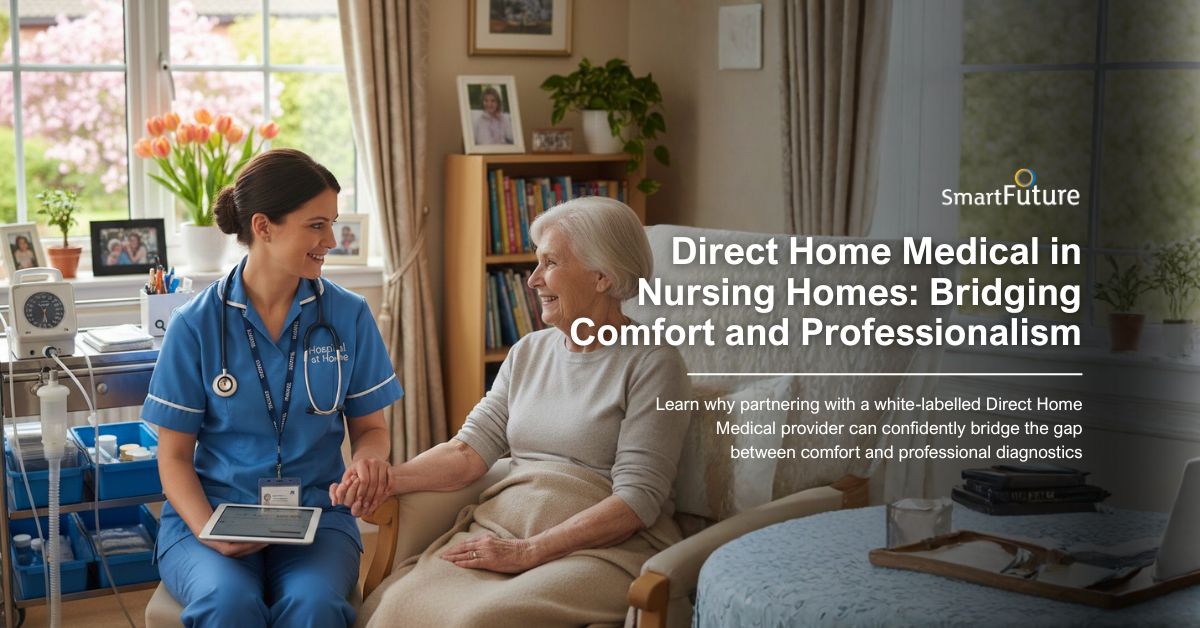
The convergence of the post-pandemic era and the exponential growth of the elder population has made nursing homes an indispensable necessity, particularly for patients with chronic disease who require ongoing supervision and coordinated medical support.
In this blog, we will explore the critical role of Remote patient monitoring and its profound impact on addressing challenges in nursing home care through scalable remote monitoring solutions.
Challenges in Nursing Home Care and the Need for a Healthcare System Solution
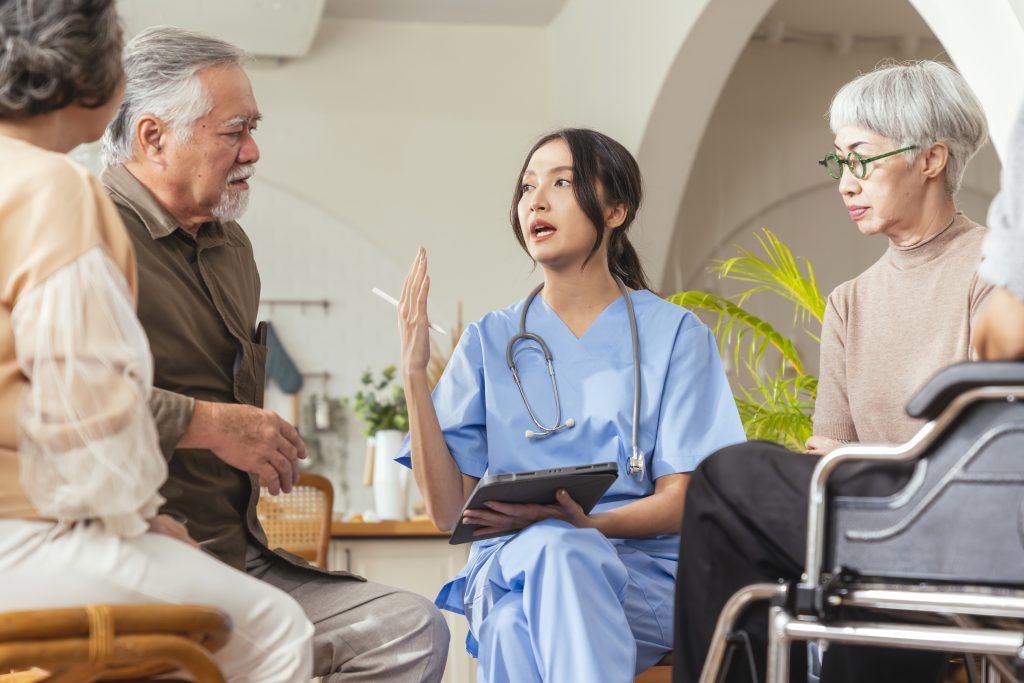
An American Health Care Association (AHCA) report highlights an unprecedented economic crisis in nursing homes. The increasing demand for elder home care exacerbates this issue, necessitating innovative remote monitoring and remote patient monitoring solutions.
Limited Resources and Staffing in Healthcare Systems
Nursing homes often face resource and staffing constraints, hampering their ability to deliver comprehensive care. This challenge is particularly acute when caring for residents with complex needs or patients with chronic disease. The growing demand for elder home care further underscores the need for an efficient system that supports staff without increasing workload.
Health Monitoring and Timely Interventions Through Remote Monitoring Solutions
Traditional monitoring methods in nursing homes can be time-consuming and inefficient, leading to delayed interventions. Rapid detection of changes in patients’ health and timely response are vital to improving health outcomes. A structured remote monitoring solution enables continuous oversight without reliance on manual checks alone.
Care Coordination and Communication as a Healthcare Service Challenge
Effective coordination and communication among healthcare providers, caregivers, and families are essential but can be challenging in the fast-paced nursing home environment. Improving patient engagement and streamlining communication through a centralized system is critical for delivering cohesive and personalized care.
Fall Prevention and Safety Using Remote Care Systems
Falls pose a significant risk in nursing homes, often resulting in injuries and hospitalizations. Implementing technology-driven remote care strategies and continuous monitoring systems is essential to enhance resident safety and reduce preventable incidents.
Use Cases of Remote Patient Monitoring in Nursing Home Healthcare Solutions
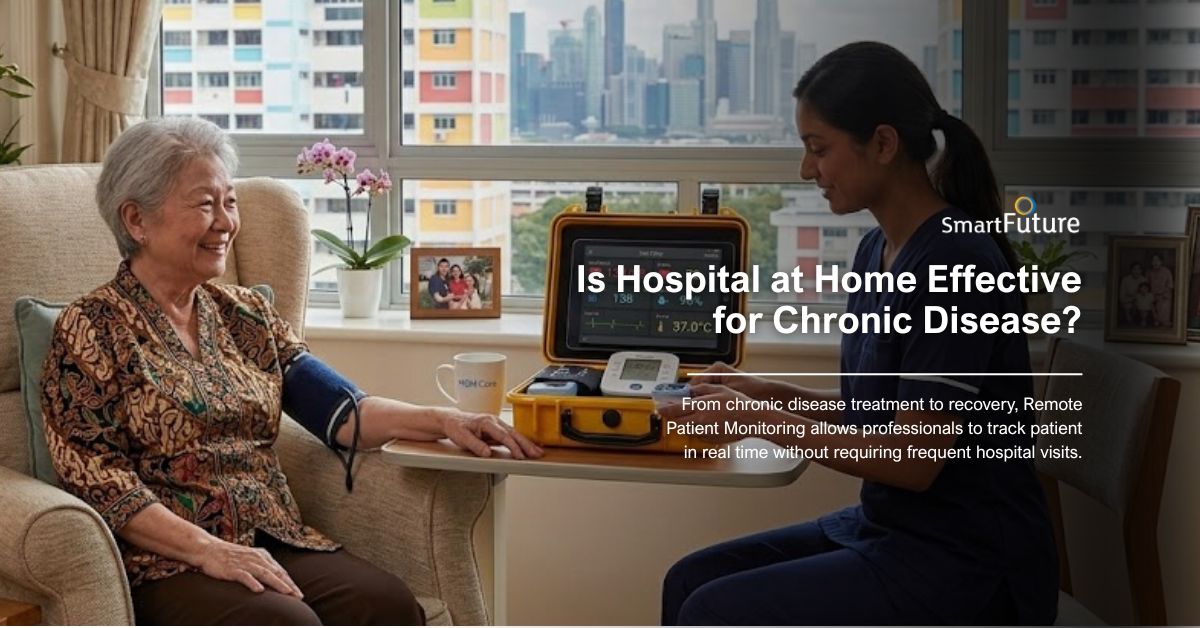
Implementing Remote Patient Monitoring to address high operating costs and stagnant recovery may help prevent nursing home closures and ensure continued access to care for seniors. RPM acts as both a clinical and operational service that supports sustainable care delivery.
Continuous Health Monitoring Using a Remote Monitoring System
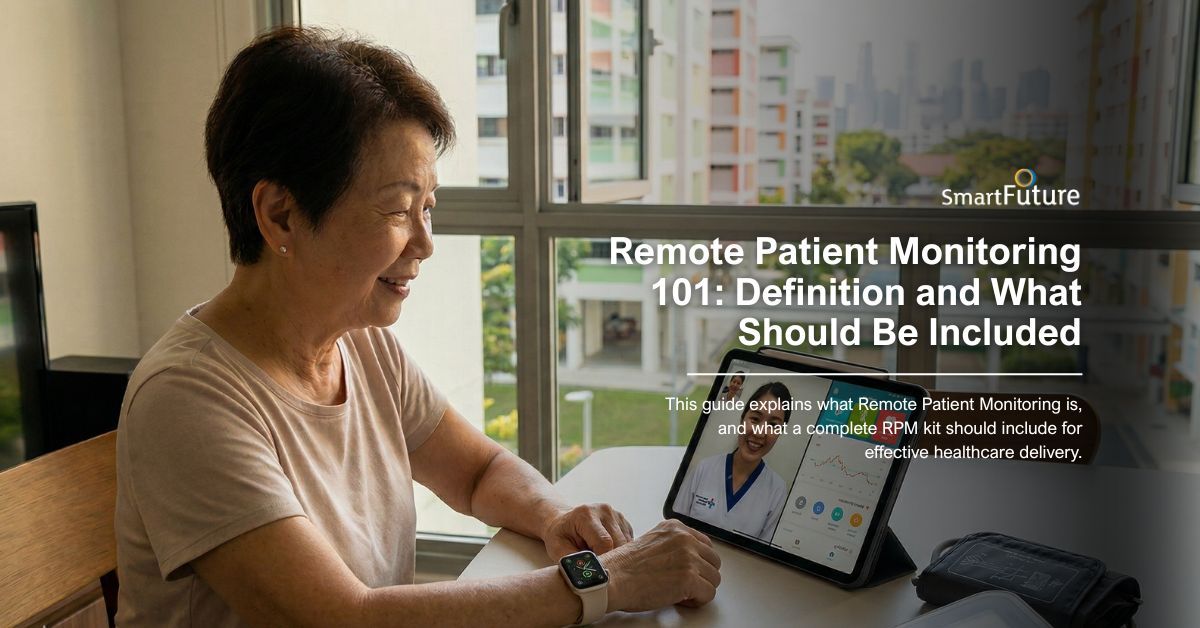
Remote Patient Monitoring (RPM) enables nursing homes to implement continuous monitoring using remote patient monitoring devices. Real-time tracking of vital signs improves visibility into patients’ health, allowing staff to respond proactively rather than reactively.
Early Intervention and Preventive Care Through a Remote Patient Monitoring Solution
RPM provides real-time data and automated alerts that support early intervention and preventive care. Immediate notification of abnormal readings allows clinicians to adjust medication or care plans promptly, improving health outcomes for residents.
Improved Care Coordination and Patient Engagement via Healthcare Systems
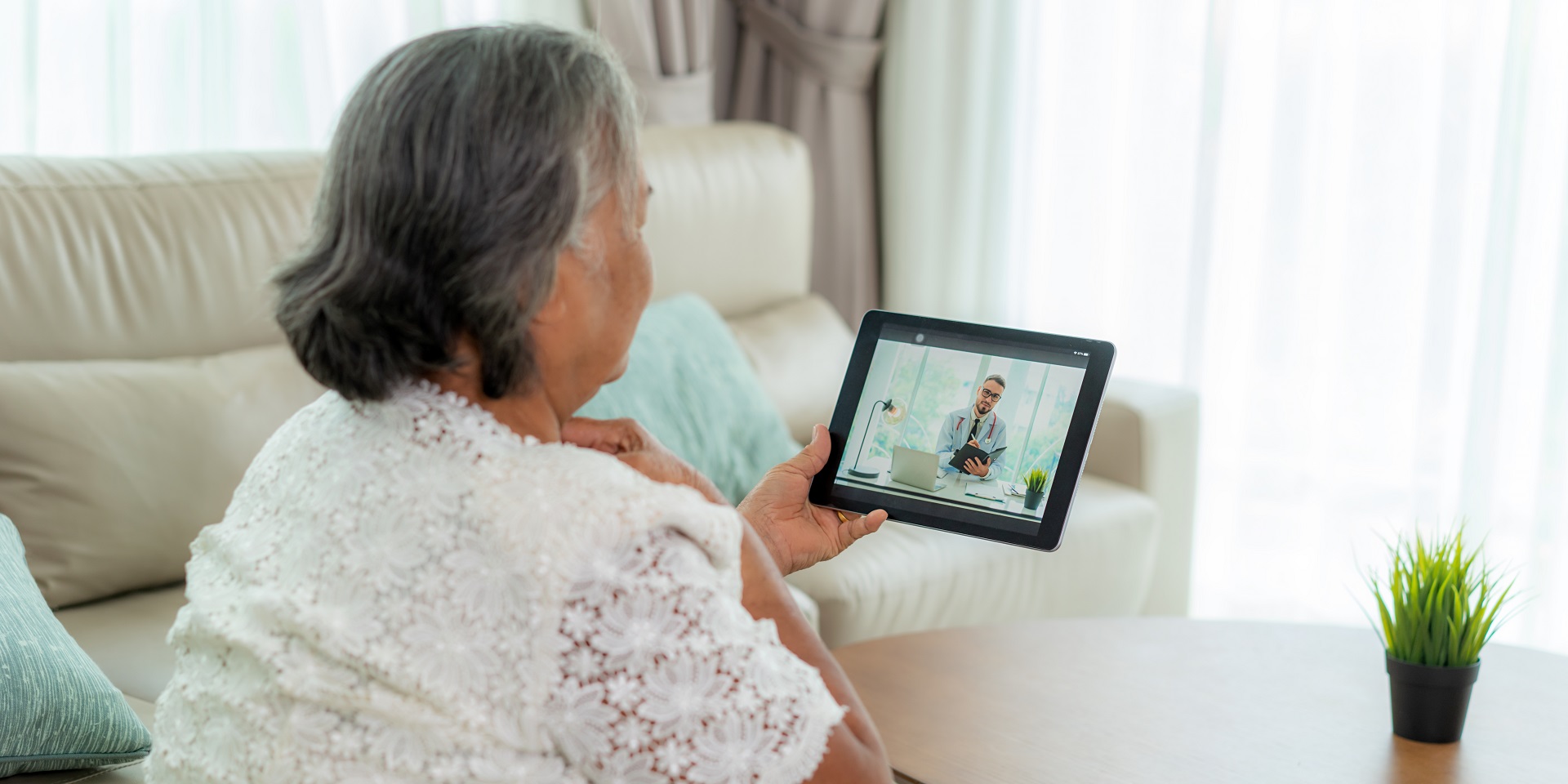
RPM platforms improve care coordination among staff, doctors, and family members through secure messaging, video consultations, and shared access to patient information. These capabilities strengthen patient engagement and ensure that all stakeholders remain informed and aligned in care decisions.
Fall Detection and Safety Measures Enabled by Remote Monitoring Devices
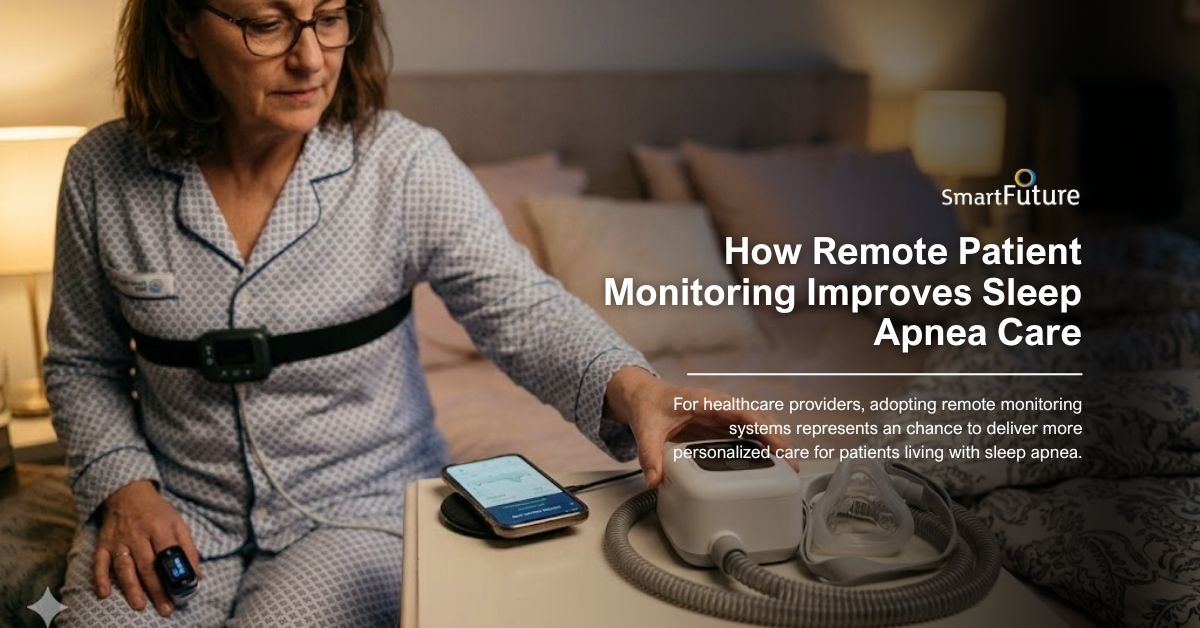
RPM plays a vital role in fall prevention and resident safety. Wearable remote patient monitoring devices equipped with fall detection alert caregivers and healthcare providers immediately, enabling swift assistance and reducing the severity of incidents.
In long-term care facilities, the growing adoption of RPM technologies has delivered measurable benefits to both residents and caregivers, reinforcing the value of remote care models.
How Smartfuture RPM Improves Nursing Home Care Through a Healthcare System Solution
Smartfuture RPM platform offers a comprehensive remote patient monitoring solution tailored to the unique needs of nursing homes. As an integrated system, it supports continuous monitoring, efficient workflows, and coordinated care delivery.
With EHR/EMR and billing integration, chat and call functionalities, and SMS alerts, Smartfuture RPM solution helps healthcare providers enhance patient care, improve monitoring efficiency, strengthen patient engagement, and streamline communication and data management across the entire care continuum.
Discover more about Smartfuture RPM platform and unlock the full potential of Remote Patient Monitoring in nursing home care.
References
AHCA/NCAL. (n.d.). High Operating Costs and Stagnant Recovery Could Mean More Nursing Home Closures, Threatening Access to Care for Seniors.
Retrieved from https://www.ahcancal.org/News-and-Communications/Press-Releases/Pages/AHCA-Releases-Report-Highlighting-Unprecedented-Economic-Crisis-in-Nursing-Homes.aspx
AARP International. (n.d.). Aging Readiness and Competitiveness.
Retrieved from https://www.aarpinternational.org/initiatives/aging-readiness-competitiveness-arc/united-states
 +65 8836 0984
 sales@oursmartfuture.com
 246 Macpherson Road, #03-01 Betime