X
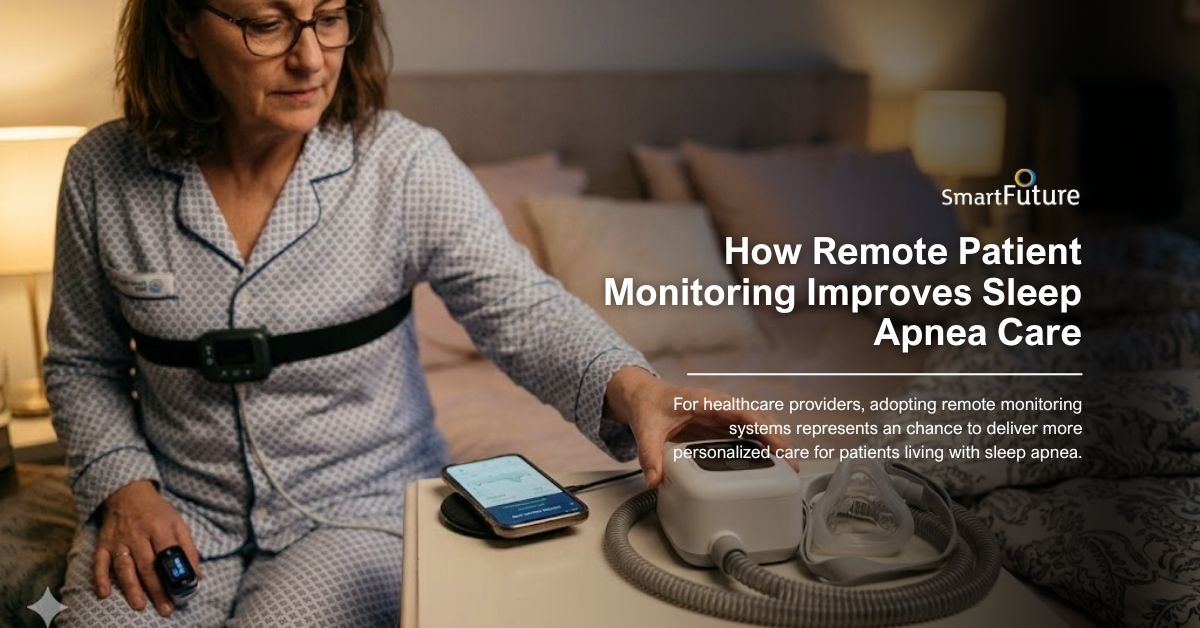
Sleep apnea has become one of the most common yet underdiagnosed sleep disorders worldwide. Characterized by repeated interruptions in breathing during sleep, the condition affects millions of individuals and significantly increases the risk of cardiovascular disease, diabetes, and chronic fatigue.
Continuous Positive Airway Pressure (CPAP) therapy and Non-Invasive Ventilation (NIV) remain the gold standard treatments for moderate to severe sleep apnea. However, despite the effectiveness of these therapies, patient adherence remains a major challenge. Many patients struggle to use their devices consistently, reducing the effectiveness of treatment and increasing the risk of complications.
Today, Remote Patient Monitoring (RPM) is transforming the way sleep apnea is managed. By enabling clinicians to monitor patients’ respiratory data in real time, RPM helps improve therapy adherence, detect problems early, and optimize long-term outcomes.
Sleep apnea is more than just loud snoring or poor sleep quality. The condition occurs when the airway becomes partially or completely blocked during sleep, leading to pauses in breathing and drops in oxygen levels.
Untreated sleep apnea has been linked to several serious health risks, including:
CPAP and NIV therapies work by delivering pressurized air through a mask to keep the airway open during sleep. When used correctly, these therapies can dramatically improve sleep quality and overall health.
However, the success of treatment depends heavily on patient compliance.
Despite the proven effectiveness of CPAP and NIV therapy, long-term adherence remains relatively low. Many patients discontinue therapy within the first year of treatment. Several factors contribute to this issue.
Some patients find CPAP masks uncomfortable or experience difficulty adjusting to sleeping with a machine. Without proper guidance and follow-up, many patients gradually reduce usage or stop altogether.
Traditionally, sleep therapy relies on periodic clinic visits to evaluate progress. This means clinicians may not detect problems until weeks or months later.
Without continuous monitoring, issues such as mask leaks, poor device usage, or deteriorating respiratory conditions may go unnoticed.
Incorrect pressure settings, mask positioning, or inconsistent device usage can significantly reduce the effectiveness of therapy.
These challenges highlight the need for more proactive and connected approaches to sleep apnea care.
Remote Patient Monitoring (RPM) allows clinicians to track patient data from CPAP or NIV devices while patients remain at home. Through connected medical devices and digital dashboards, healthcare providers can monitor treatment progress and intervene when necessary.
RPM systems collect and analyze a range of critical health metrics.
Pulse oximeters integrated into RPM systems measure oxygen saturation throughout the night. Drops in oxygen levels may indicate apnea events or inadequate therapy.
Continuous oxygen monitoring helps physicians assess treatment effectiveness and make timely adjustments.
RPM platforms can analyze sleep duration, interruptions, and breathing irregularities. These insights provide a more comprehensive view of the patient’s sleep quality.
Advanced sensors can detect apnea episodes, hypopnea events, and breathing irregularities during sleep. This information helps clinicians refine therapy settings and evaluate patient progress.
One of the most valuable features of RPM is tracking how often and how long patients use their CPAP devices.
Clinicians can review data such as:
If usage drops below recommended levels, healthcare providers can contact the patient and provide guidance.
Modern sleep apnea care relies on a combination of connected medical devices and digital health platforms.
New-generation CPAP machines are equipped with wireless connectivity, allowing therapy data to be automatically transmitted to healthcare providers.
These devices can track usage patterns, detect mask leaks, and adjust pressure levels to optimize therapy.
Pulse oximeters measure blood oxygen saturation levels during sleep. When integrated into RPM systems, they provide continuous monitoring of respiratory health.
Respiratory monitoring devices track breathing patterns, airflow, and respiratory rate. These sensors help detect abnormal breathing events during sleep.
Healthcare professionals can access patient data through secure dashboards that display real-time insights and alerts. This allows clinicians to identify potential problems and intervene quickly.
The integration of RPM into sleep therapy offers several important advantages for both patients and healthcare providers.
Real-time monitoring enables clinicians to identify issues before they become serious complications. Adjustments to therapy can be made immediately without waiting for the next clinic appointment.
Patients who know their therapy is being monitored are more likely to follow treatment recommendations. Regular feedback and support can significantly increase long-term compliance.
By ensuring consistent therapy usage and early detection of problems, RPM helps reduce the risk of cardiovascular complications associated with untreated sleep apnea.
Remote monitoring platforms often include patient portals that allow individuals to view their own sleep data. This transparency encourages patients to take a more active role in managing their health.
As healthcare systems increasingly adopt remote care models, integrated monitoring solutions are becoming essential. Smart Future provides Direct Home Medical Kits designed to support remote monitoring for sleep apnea and respiratory care.
These kits combine medical-grade devices such as pulse oximeters, respiratory monitoring tools, and connected health platforms that allow sleep clinics, respiratory specialists, and hospitals to monitor patients outside traditional clinical settings.
By enabling real-time data collection and remote access for healthcare professionals, Smart Future solutions help create a comprehensive sleep monitoring ecosystem that improves treatment outcomes and patient safety.
Remote Patient Monitoring is rapidly becoming a cornerstone of modern sleep medicine. As digital health technologies continue to evolve, RPM will play an even greater role in improving therapy adherence, reducing healthcare costs, and enhancing patient outcomes.
For sleep clinics and healthcare providers, adopting connected monitoring systems represents an opportunity to deliver more personalized, proactive care for patients living with sleep apnea.
If your clinic or healthcare facility is looking to implement Remote Patient Monitoring for CPAP or NIV therapy, Smart Future can help you build an integrated monitoring system using reliable Direct Home Medical Kits.
Contact a Smart Future consultant today to learn how remote monitoring technology can improve sleep apnea care, enhance patient adherence, and support the future of connected respiratory healthcare.

Sleep apnea has become one of the most common yet underdiagnosed sleep disorders worldwide. Characterized by repeated interruptions in breathing...
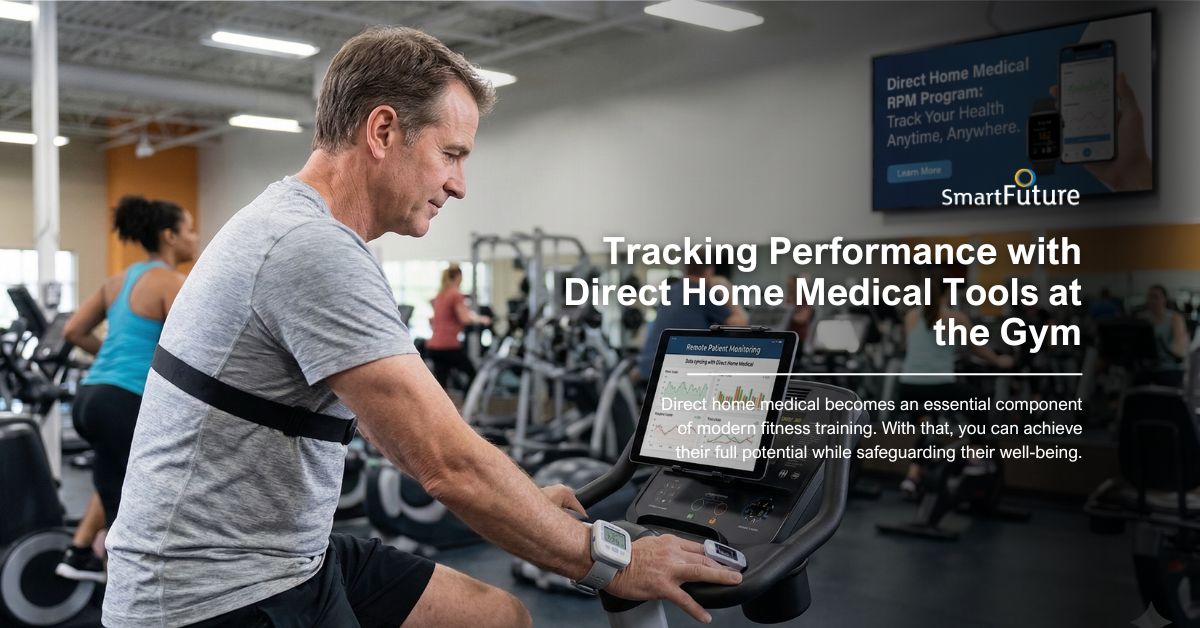
The modern fitness industry is no longer driven solely by motivation, discipline, and physical endurance. Today’s fitness professionals are increasingly...
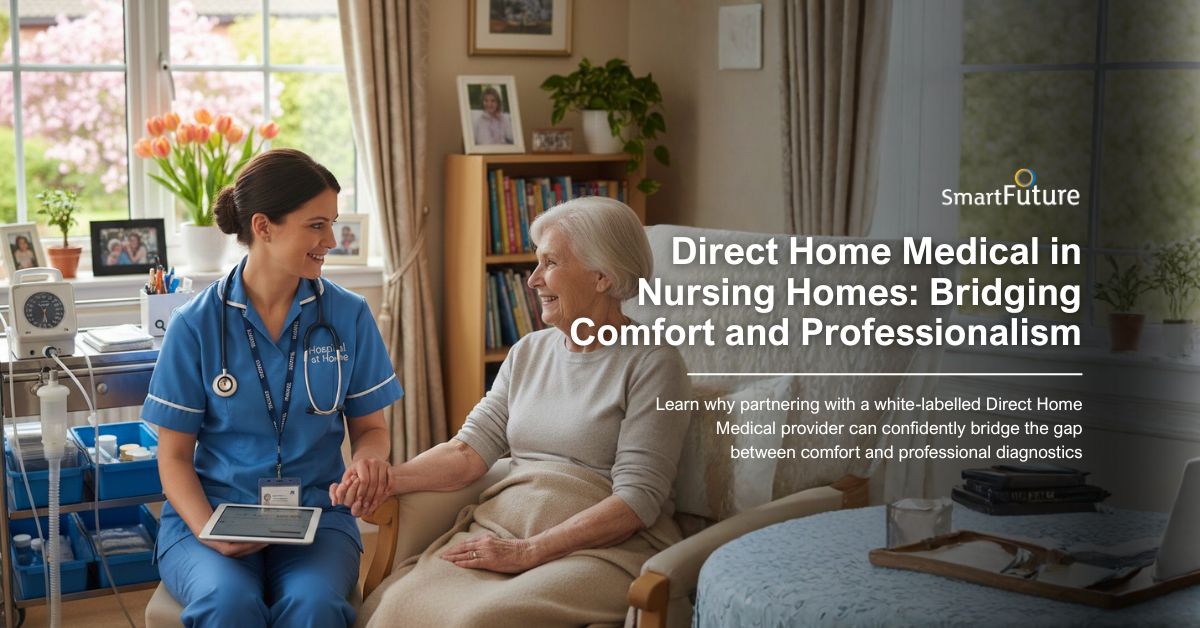
The evolution of Hospital-at-Home (HaH) and Direct Home Medical implementation services in Singapore has reshaped acute care delivery by decentralising...
Follow our newsletter. We will regulary
update our latest
project and availability.

OurSmartFuture is a healthcare technology company specializing in white-label remote patient monitoring solutions for hospitals, clinics, and healthcare organizations worldwide. We help providers extend care beyond traditional settings through secure, scalable patient remote monitoring systems designed for modern healthcare delivery.
© 2026 SmartFuture - All Rights Reserved

 +65 8836 0984
 sales@oursmartfuture.com
 246 Macpherson Road, #03-01 Betime