X
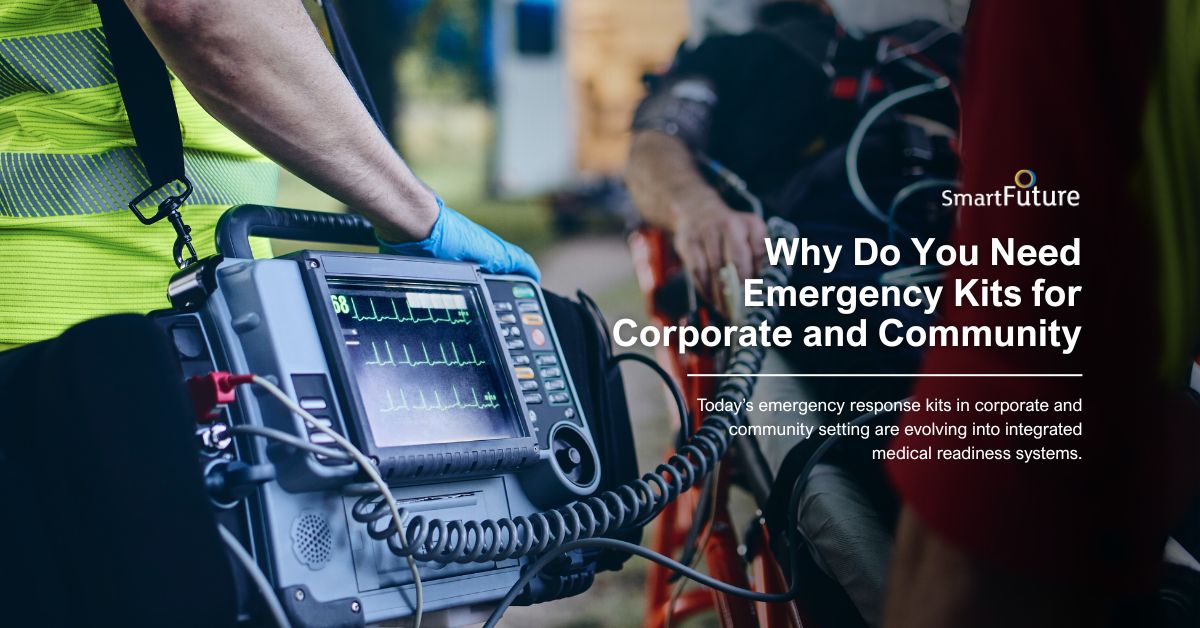
Being prepared means being equipped with the proper supplies you may need in the event of an emergency. For organizations, preparedness should become a matter of operational responsibility.
As workplaces, schools, senior care facilities, and community environments become more complex, the ability to respond quickly and effectively to medical incidents has become a defining measure of organizational readiness.
Across corporate and community settings, emergencies rarely happen where traditional medical infrastructure is readily available. A cardiac event in an office, a fall in a senior care facility, or a medical incident aboard a cruise or at a school requires immediate action, clear protocols, and reliable tools. Delays from lack equipment or coordination can significantly affect outcomes. This is where modern emergency response kits play a critical role.
Historically, emergency kits in non-clinical environments were limited to first-aid essentials: bandages, gloves, and basic tools intended to stabilize a situation until professional help arrived. While still necessary, these supplies alone are no longer sufficient for organizations responsible for large groups of people.
Today’s emergency response kits are evolving into integrated medical readiness systems.
Beyond physical supplies, they are designed to support rapid assessment, guided response, and coordination with external medical professionals. This shift reflects a broader understanding of corporate medical readiness as an active capability.
In high-pressure situations, clarity matters. Emergency response kits that support instant diagnostics, access to expert guidance, and structured data capture help responders make informed decisions in the critical first minutes. This capability is particularly relevant in environments where trained medical personnel may not be immediately present.
View this post on Instagram
For organizations, emergency preparedness is no longer confined to risk management departments. It is increasingly tied to business continuity, duty of care, and reputation. Regulators, employees, residents, and partners expect organizations to demonstrate that they are prepared to manage health incidents responsibly.
Corporate medical readiness also reflects the realities of decentralised operations. Many organizations operate across multiple sites, geographies, or environments, each with different levels of access to emergency services. A consistent, scalable approach to emergency response helps ensure that standards do not vary from one location to another.
In community-facing environments such as schools, gyms, senior care facilities, and hospitality settings, the expectation is even higher. These organisations are entrusted with the wellbeing of individuals who may be vulnerable, unfamiliar with their surroundings, or dependent on staff for support. Preparedness, in this context, is inseparable from trust.
An effective emergency response does not depend solely on equipment; it depends on how that equipment supports people at the moment. Emergency response kits designed for corporate and community use focus on empowering first responders at any roles to act decisively.
This includes access to clear workflows, reliable medical tools, and, increasingly, remote expert support. The ability to connect responders with professional guidance in real time can bridge the gap between immediate on-site action and advanced medical care. Just as importantly, structured data flow ensures that information captured during an incident can be shared accurately with emergency services, improving continuity of care.
These capabilities are particularly valuable in environments where response time is critical and uncertainty is high. Rather than relying on improvisation, organizations can equip their teams with systems designed to support calm, informed action under pressure.
For decision-makers, the question is no longer whether emergency response kits are necessary, but what level of readiness is appropriate for their environment. Effective solutions are adaptable, designed for non-clinical settings, and aligned with organizational responsibilities rather than individual use.
A practical approach to corporate medical readiness recognises that emergencies are unpredictable, but preparation does not have to be. By investing in structured emergency response solutions, organizations can move beyond minimal compliance toward a more resilient and responsible posture.
As expectations around health and safety continue to rise, preparedness will increasingly be seen as a reflection of organizational maturity.
For organizations evaluating how to strengthen their emergency response capabilities across corporate and community environments, preparedness, when done well, is rarely noticed. But when it is needed, it makes all the difference

In many modern hospitals, nurses still spend time manually recording patient vital signs, clinicians often need to open multiple systems...
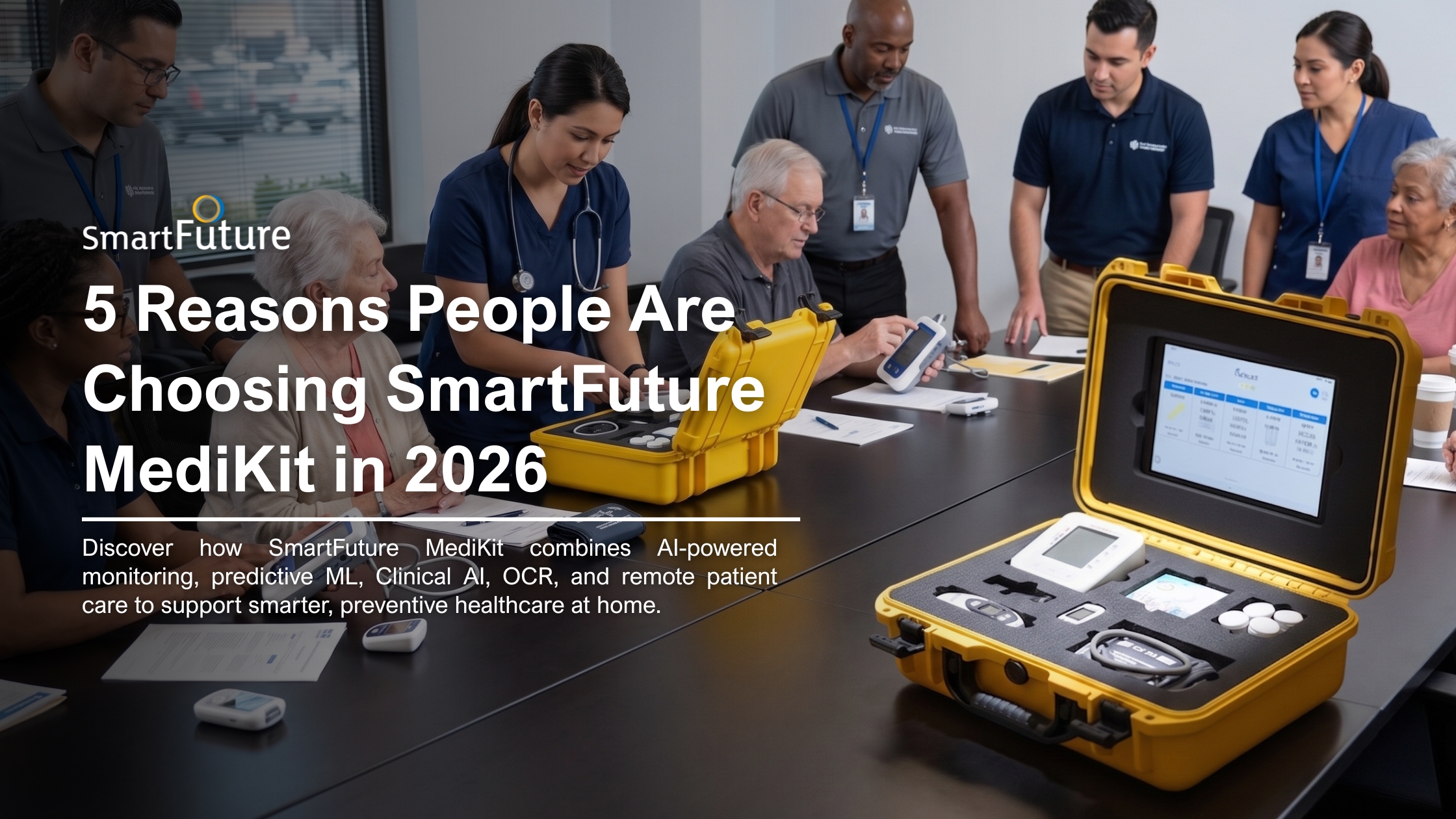
As healthcare systems continue to evolve, people are increasingly seeking solutions that are not only connected and accessible, but also...
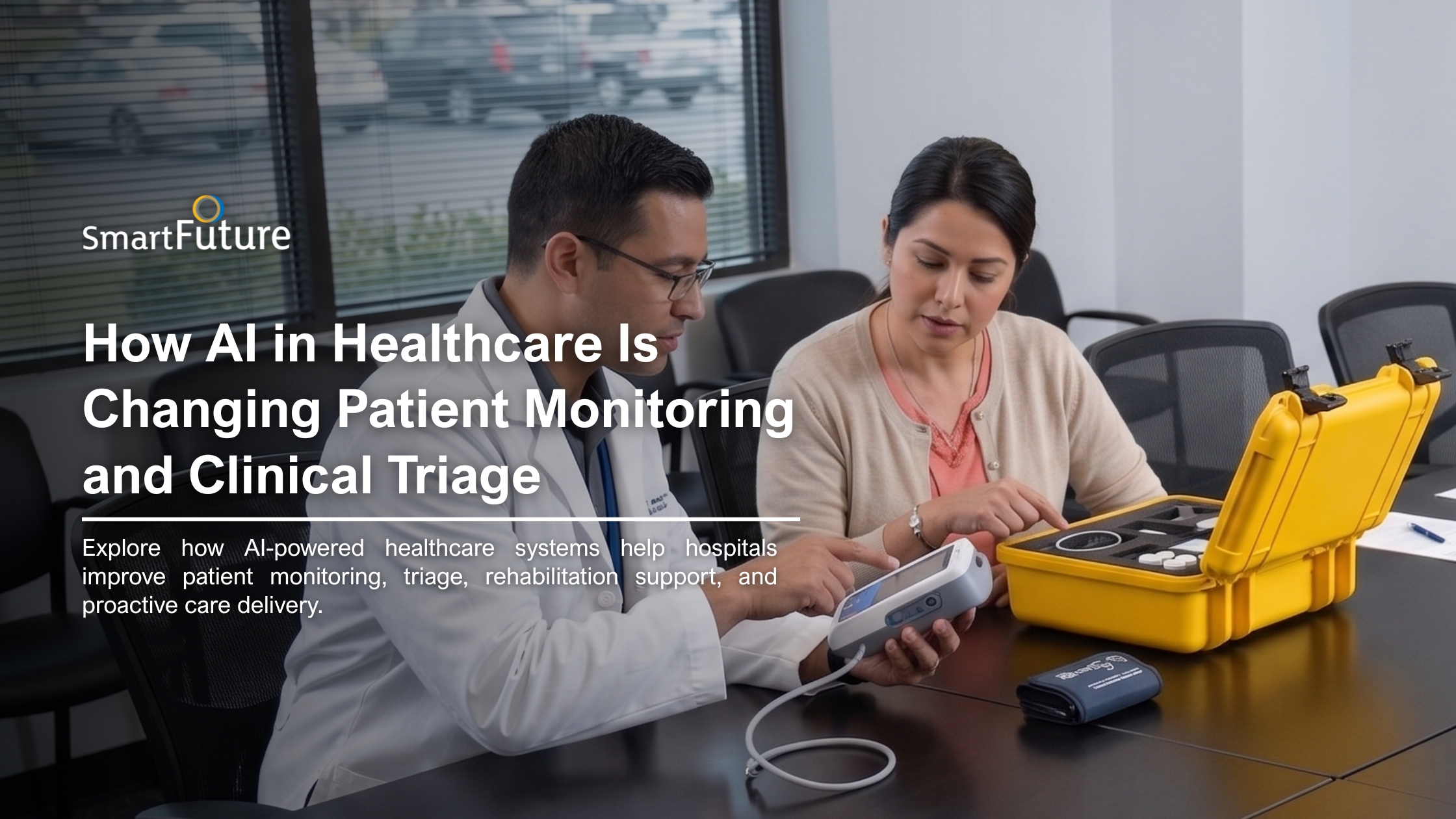
AI in healthcare is becoming increasingly important as healthcare providers around the world continue to face growing and complex challenges....
Follow our newsletter. We will regulary
update our latest
project and availability.

OurSmartFuture is a healthcare technology company specializing in white-label remote patient monitoring solutions for hospitals, clinics, and healthcare organizations worldwide. We help providers extend care beyond traditional settings through secure, scalable patient remote monitoring systems designed for modern healthcare delivery.
© 2026 SmartFuture - All Rights Reserved

 +65 8836 0984
 sales@oursmartfuture.com
 246 Macpherson Road, #03-01 Betime