X
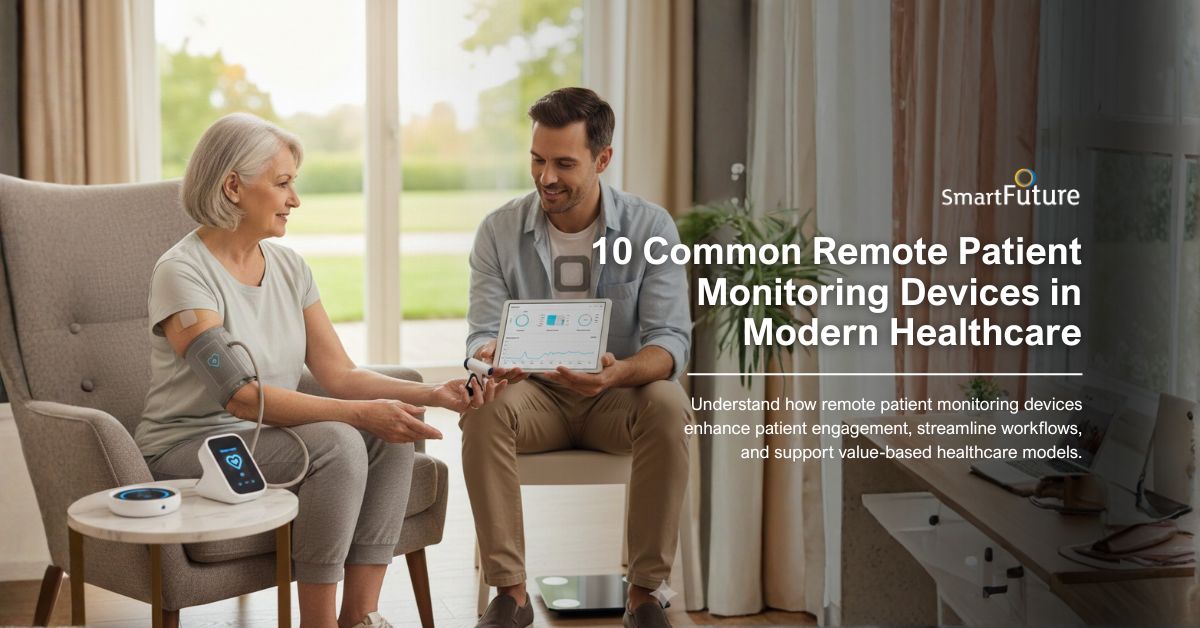
Remote Patient Monitoring device (RPM) is no longer an experimental model of care. It is becoming a structural pillar of healthcare delivery.
The World Health Organization has identified remote patient monitoring as one of the healthcare delivery models with the potential to improve global health outcomes at scale.
By enabling clinicians to collect real-time data from patients outside traditional facilities through Remote Patient Monitoring Devices, it supports earlier intervention, better disease management, and improved long-term outcomes.
Remote patient monitoring refers to medical devices used to track and transmit a patient’s physiological data to healthcare providers in real time, from outside a traditional clinical setting. It allows clinicians to access health data from connected, at-home, or mobile devices to manage chronic and acute medical conditions.
These devices measure vital indicators such as:
Some RPM devices require patients to take measurements manually. Others operate continuously, sending data directly to electronic health records. Increasingly, systems support “bring your own device” models, where patients use smartwatches or personal health trackers to transmit information securely.
Integrating specific Remote Patient Monitoring (RPM) devices into clinical workflows is essential for capturing the “physiologic data” required for modern reimbursement models and proactive care.
By 2026, the technology has moved toward cellular-first connectivity, ensuring that data transmits automatically without requiring patients to navigate complex Bluetooth pairing.
Below are the 10 most common devices currently shaping healthcare systems:
The Bluetooth-enabled blood pressure cuff remains one of the most widely adopted RPM devices.
Hypertension is a leading risk factor for heart disease and stroke. Remote blood pressure monitoring allows clinicians to detect:
Unlike a single in-clinic reading, daily monitoring offers a more accurate profile of a patient’s cardiovascular stability.
At SmartFuture, we integrate blood pressure data into centralized dashboards, allowing care teams to identify trends rather than isolated spikes.
Diabetes management has been transformed by remote monitoring.
Traditional glucometers measure glucose through finger-prick testing. Continuous glucose monitors (CGMs) use small sensors inserted under the skin to transmit glucose readings at regular intervals.
RPM-enabled glucose monitoring allows providers to:
The integration of glucose monitoring into structured RPM programs has also expanded into virtual clinical trials, where real-time adherence tracking accelerates research outcomes.
Pulse oximeters measure oxygen saturation and heart rate through non-invasive sensors.
Their importance surged during the COVID-19 pandemic, but their value extends to:
When oxygen levels drop below defined thresholds, alerts trigger rapid clinical review.
SmartFuture systems ensure these alerts are actionable, filtering signal from noise to prevent clinician overload.
Remote ECG devices have evolved dramatically.
Previously bulky and clinic-dependent, modern ECG patches or portable monitors stream cardiac rhythm data directly to monitoring centers.
They are critical for:
Some healthcare systems have established dedicated “command centers” to analyze incoming ECG data, allowing technicians to escalate abnormal readings instantly.
Continuous cardiac oversight has shifted cardiology from reactive to predictive care.
Peak flow meters measure how quickly patients can exhale air, helping track lung function over time.
Bluetooth-enabled versions transmit data directly to providers, supporting:
Gradual declines in lung capacity can signal deterioration long before patients feel symptoms.
Continuous respiratory insight reduces avoidable hospital admissions.
Smartwatches and wearable sensors are increasingly integrated into remote patient monitoring programs.
They track:
Advanced wearables offer continuous monitoring through adhesive patches capable of tracking multiple biomarkers simultaneously.
While consumer-grade wearables support engagement, FDA-cleared medical-grade devices offer higher diagnostic reliability. SmartFuture supports both structured clinical-grade integrations and secure “bring your own device” pathways.
Remote thermometers measure and transmit body temperature automatically.
Though simple in design, temperature is often the earliest signal of:
During pandemic surges, temperature monitoring played a central role in triage decisions and outbreak containment.
In modern RPM ecosystems, temperature data feeds into multi-metric dashboards for contextual analysis.
Wireless scales monitor weight fluctuations remotely.
For heart failure patients, sudden weight gain may indicate fluid retention. For obesity management, long-term trends reflect behavioral and metabolic changes.
Some FDA-approved scales now measure both weight and biofluid retention, helping predict heart failure episodes earlier than symptom onset.
By integrating scale data with medication management protocols, clinicians can adjust treatment before hospitalization becomes necessary.
Smart inhalers track usage patterns and medication adherence.
For asthma and COPD patients, they provide insight into:
Data-driven inhaler monitoring supports personalized respiratory management and reduces emergency exacerbations.
Remote maternal monitoring devices measure fetal heart rate and uterine activity.
These systems:
The World Health Organization reports nearly 2 million stillbirths annually, many linked to delayed intervention. Remote maternal monitoring strengthens prenatal oversight and emergency preparedness.
The expansion of RPM is not solely technological. It is structural.
Following the COVID-19 pandemic, telehealth restrictions were eased across the United States. Reimbursement for RPM increased 19-fold between 2019 and 2021. Medicaid programs in 34 states now cover RPM services.
Meanwhile, clinician shortages, especially in rural areas, are driving demand for scalable remote monitoring solutions.
Healthcare systems are shifting toward value-based care models, where compensation is tied to outcomes rather than volume. RPM devices provide the data backbone required for:
Devices alone do not define a successful RPM strategy.
Healthcare organizations must evaluate:
Patient data must be encrypted, securely stored, and access-controlled.
RPM devices must integrate seamlessly with EHR systems. Compliance with standards such as FHIR ensures consistent data exchange.
Patients must receive training and ongoing support to prevent misuse or device abandonment.
Continuous devices generate vast data streams. AI-powered systems are essential to surface meaningful insights while reducing clinician fatigue.
At SmartFuture, we design RPM ecosystems that connect medical devices, dashboards, and workflows into unified, scalable infrastructures.
Remote patient monitoring devices augment in-person care rather than replace it.
Remote patient monitoring devices are redefining how healthcare is delivered.
As healthcare systems confront workforce shortages, aging populations, and rising chronic disease burdens, scalable RPM programs will determine who can deliver sustainable, high-quality care.
At SmartFuture, we believe the future of healthcare will not be defined by the walls of a hospital, but by the intelligence of its monitoring infrastructure.
Schedule a consultation today to join the evolution of healthcare and medical device innovation.

Remote Patient Monitoring device (RPM) is no longer an experimental model of care. It is becoming a structural pillar of...
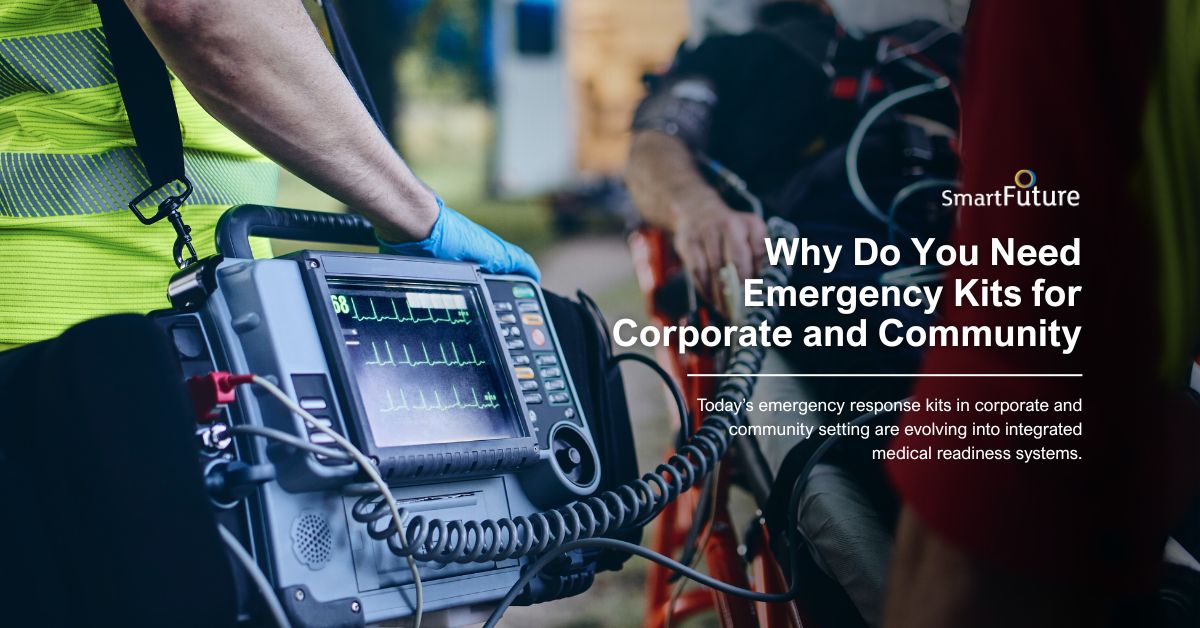
Being prepared means being equipped with the proper supplies you may need in the event of an emergency. For organizations,...
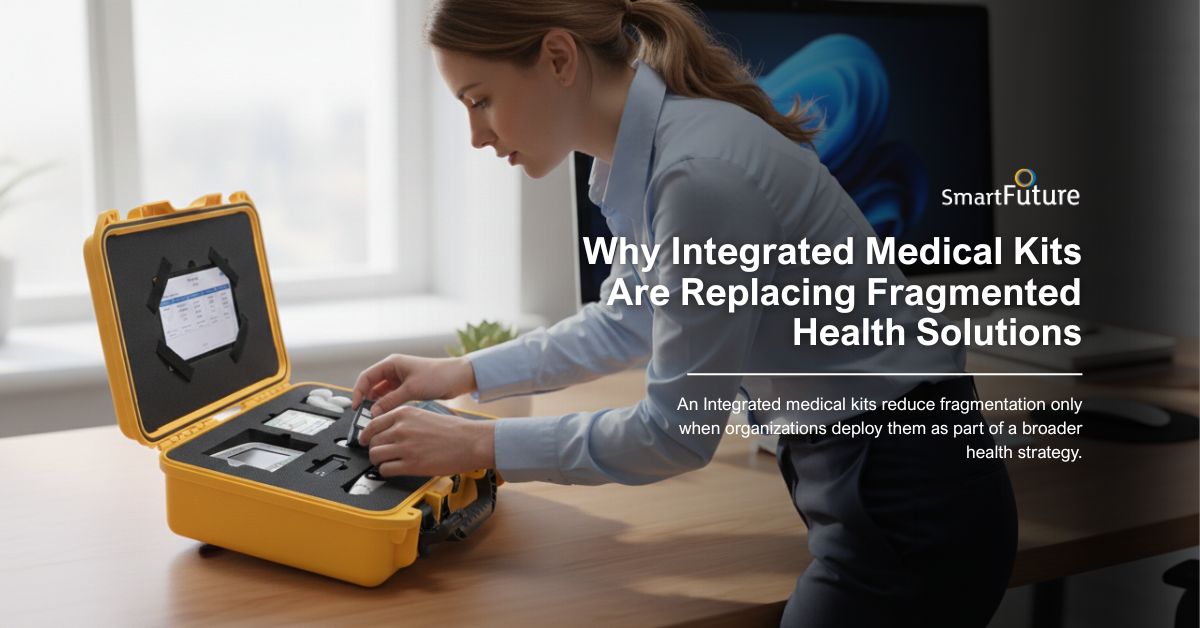
When a project team overseeing a remote industrial site reviewed recurring incidents such as minor injuries, heat stress, and delayed...
Follow our newsletter. We will regulary
update our latest
project and availability.

OurSmartFuture is a healthcare technology company specializing in white-label remote patient monitoring solutions for hospitals, clinics, and healthcare organizations worldwide. We help providers extend care beyond traditional settings through secure, scalable patient remote monitoring systems designed for modern healthcare delivery.
© 2026 SmartFuture - All Rights Reserved

 +65 8836 0984
 sales@oursmartfuture.com
 246 Macpherson Road, #03-01 Betime